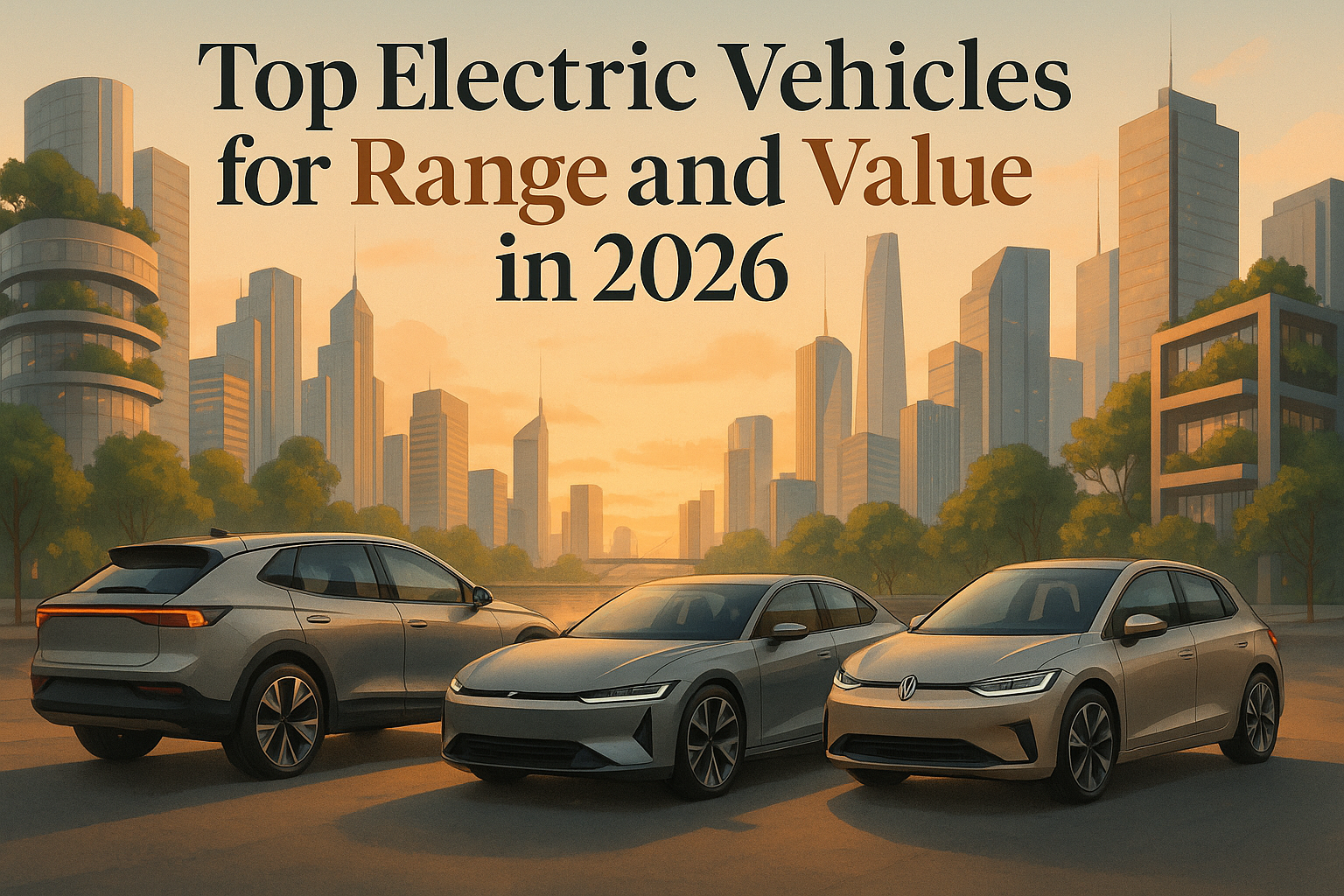

In 2026, electric vehicles (EVs) have become mainstream, with sales outpacing traditional internal combustion engine vehicles in several major markets. This shift was accelerated by the recent announcement from the European Union mandating all new cars sold in the region to be zero-emission by 2035. In the United States, California has implemented similar mandates, pushing the transition to clean energy vehicles. The latest data from the International Energy Agency (IEA) highlights that EV sales have surpassed 20 million units globally, marking a 25% increase from the previous year. This rapid growth underscores the urgency for consumers to choose EVs that offer the best range and value, making this topic essential for prospective buyers today.
As the landscape of transportation continues to evolve, consumers are faced with a plethora of options, each promising superior performance, range, and affordability. In this comprehensive guide, we will explore the top electric vehicles of 2026 that offer exceptional range and value. We will delve into their specifications, pricing, and the technological advancements that set them apart. This is crucial reading for anyone looking to make a well-informed decision in the ever-expanding EV market.
Deep Background
The journey of electric vehicles from niche products to mainstream transportation solutions has been a fascinating one. The origins of electric mobility can be traced back to the early 19th century, but it wasn't until the late 2000s that EVs truly began to capture public interest and investment. The breakthrough moment came in 2008 when Tesla Motors, founded by Elon Musk, released the Roadster, a high-performance sports car that shattered the stereotype of EVs being slow and unattractive. This marked the beginning of a new era in automotive history.
"Tesla's Roadster was not just a car; it was a revolution. It proved that electric vehicles could be exciting, fast, and desirable," said automotive historian, Dr. James Lovelock.
Since then, the EV market has exploded, with companies like Nissan, Chevrolet, and BMW entering the fray. The Nissan Leaf, released in 2010, became the first mass-market electric car, selling over 500,000 units worldwide by 2020. Another pivotal moment came in 2017 when Volvo announced that all new models launched from 2019 onwards would be electric or hybrid. This was a clear signal of the industry's shift toward sustainable energy solutions. For more on the evolution of electric vehicles, visit our technology page.
The Core Analysis
As of 2026, the electric vehicle market is more competitive than ever, with advancements in battery technology leading to significant improvements in range and affordability. According to recent data, the average range of new electric vehicles has increased to 300 miles on a single charge, a 50% increase compared to just five years ago. This has been made possible by innovations in lithium-ion battery technology and the introduction of solid-state batteries.
The Leading Contenders
- Tesla Model S Long Range: With a range of 405 miles, the Tesla Model S Long Range remains a top choice for consumers seeking performance and longevity. Priced at $94,990, it offers a blend of luxury and cutting-edge technology.
- Lucid Air Dream Edition: Offering a range of 520 miles, the Lucid Air Dream Edition is the current range champion. It comes with a premium price tag of $169,000, reflecting its luxury status and advanced features.
- Ford Mustang Mach-E: Priced at $43,895, this model offers a competitive range of 312 miles, making it an attractive option for those seeking an affordable yet stylish EV.
The competition among automakers has also led to strategic partnerships and acquisitions. For instance, Ford and Volkswagen have collaborated on electric vehicle platforms, sharing technology to reduce costs and accelerate development. According to Forbes, this partnership is expected to result in the launch of several new models by 2027, further intensifying the competitive landscape.
Current Landscape & 2026 Developments
In recent months, the electric vehicle industry has witnessed several groundbreaking developments. In January 2026, General Motors announced the launch of the Chevrolet Equinox EV, priced under $30,000, promising to democratize access to electric mobility. This move is expected to put pressure on other manufacturers to offer more budget-friendly models without compromising on range or features.
Breakthroughs in Battery Technology
One of the most significant advancements has been in battery technology. Solid-state batteries, which promise higher energy density and faster charging times, are now entering mass production. QuantumScape, a leading startup in this field, has partnered with Volkswagen to bring these batteries to market by 2027. According to BBC News, this technology could increase the range of EVs by up to 50% and reduce charging times to minutes rather than hours.
Moreover, governments around the world continue to support the transition to electric vehicles through incentives and infrastructure investments. The U.S. government recently allocated $15 billion towards expanding the national charging network, aiming to have 500,000 public chargers by 2030.
Expert Perspectives & Industry Impact
Industry experts are optimistic about the continued growth of the electric vehicle market. According to a report by BloombergNEF, EVs are expected to account for 54% of new car sales worldwide by 2030. This shift is not only driven by consumer demand but also by regulatory pressures and advancements in technology.
"We are witnessing a transformation in the automotive industry that hasn't been seen since the invention of the assembly line," said John Mitchell, an analyst at McKinsey & Company.
The economic implications of this shift are profound. The rise of electric vehicles is expected to create millions of new jobs in battery manufacturing, software development, and infrastructure maintenance. However, it also poses challenges for traditional automakers and suppliers who must adapt or risk obsolescence. For more insights into the economic impact of EVs, visit our business page.
What to Watch
Looking ahead, several key developments will shape the future of electric vehicles. First, the rollout of solid-state batteries will be crucial in determining the range and affordability of future models. Companies like Toyota and BMW are investing heavily in this technology, with plans to release solid-state battery-powered vehicles by 2028.
Additionally, the expansion of autonomous driving technology will complement the rise of EVs. Companies like Waymo and Tesla are at the forefront of this innovation, with plans to integrate fully autonomous capabilities into their electric fleets by the end of the decade.
Consumers should also keep an eye on the evolving regulatory landscape. New emissions standards and incentives will continue to influence the market dynamics, potentially accelerating the adoption of EVs in regions that have been slow to transition.
The electric vehicle industry is poised for transformative growth, driven by technological advancements and shifting consumer preferences. As we move forward, staying informed about these developments will be essential for anyone interested in the future of transportation.






























Sign in to leave a comment.