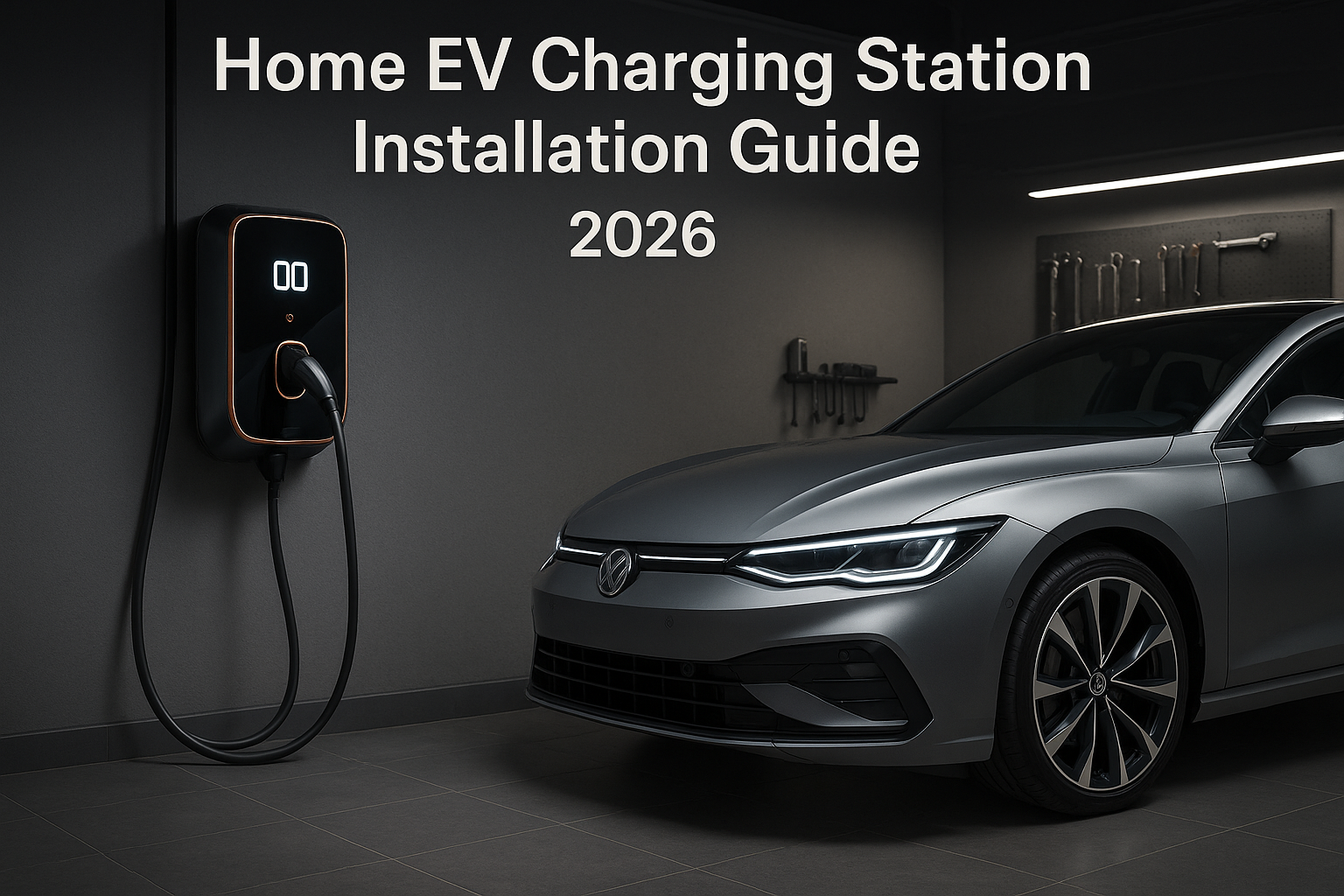

In 2026, the electric vehicle (EV) revolution is accelerating at an unprecedented pace, with global sales surpassing 20 million units last year. This surge is largely driven by growing environmental concerns, government incentives, and technological advancements in battery efficiency. As more households make the transition to EVs, the demand for home charging stations has become a critical component of this shift. According to a recent report by Bloomberg, the installation of home EV charging stations has seen a 45% increase in the last year alone, as consumers seek convenient and cost-effective solutions for their charging needs.
The importance of home charging cannot be overstated. With the average EV owner charging their vehicle at home nearly 80% of the time, having a reliable and efficient charging setup is essential. This guide will walk you through the key considerations and steps involved in installing a home EV charging station. From understanding the types of chargers available to navigating installation logistics, this comprehensive guide is your roadmap to electrifying your home.
Deep Background
The concept of electric vehicles is far from new, tracing back to the late 19th century when inventors like Thomas Edison and Ferdinand Porsche experimented with battery-powered cars. However, it wasn't until the early 21st century that EVs began to gain significant traction, thanks in part to the trailblazing efforts of companies like Tesla, founded in 2003. Tesla's Model S, released in 2012, was a game-changer that demonstrated the viability of EVs as a mainstream transportation option.
While Tesla's rise is well-documented, fewer people are aware of the pivotal role played by government policies in shaping the EV landscape. In 2020, the European Union set ambitious targets for reducing carbon emissions, which included a mandate that all new cars sold from 2035 onwards must be zero-emissions vehicles. This policy accelerated the development and adoption of EVs across Europe.
The transition to electric mobility is not just about cars; it's about creating a sustainable future for generations to come.
Another lesser-known fact is the significant advancements in charging technology that have made home installations more feasible. Early EV models required specialized and costly infrastructure, but modern chargers are more affordable and user-friendly, making them accessible to a wider audience. For more on the evolution of charging technologies, explore our technology section.
The Core Analysis
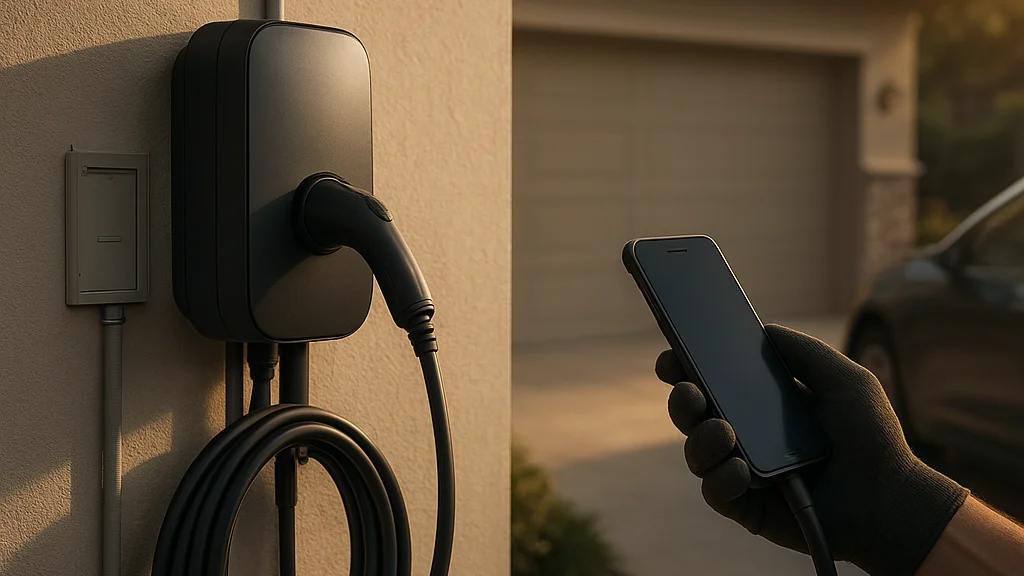
When considering a home EV charging station, there are several critical factors to assess. The most important is the type of charger, which typically falls into three categories:
- Level 1 Chargers: These use a standard 120-volt outlet and are best suited for plug-in hybrids or as a backup option due to their slow charging speed.
- Level 2 Chargers: Operating on 240 volts, these chargers are the most common choice for home installations, offering a good balance of speed and cost.
- DC Fast Chargers: While primarily used in commercial settings due to their high cost and power requirements, they provide rapid charging capabilities.
The cost of installing a Level 2 charger can range from $500 to $2,000, including equipment and labor, according to a 2025 report by Forbes. However, this investment can be offset by various incentives. Many governments and utility companies offer rebates or tax credits to reduce the financial burden on consumers.
Market Dynamics
As of 2026, the global EV charging station market is valued at approximately $20 billion, with a projected compound annual growth rate (CAGR) of 30% through 2030. Major players such as ChargePoint, EVgo, and Shell Recharge are leading the charge, each vying for market share through strategic partnerships and technological innovations.
Interestingly, the competitive landscape is also seeing new entrants from the tech sector. Companies like Apple and Google are rumored to be exploring opportunities in the EV charging space, aiming to integrate smart home technologies with charging solutions. This convergence could redefine how we think about home energy management, as outlined in recent articles on sustainability.
For further insights, refer to Bloomberg, which provides an in-depth analysis of market trends and forecasts.
Current Landscape & 2026 Developments
The landscape for EV charging in 2026 is marked by rapid advancements and significant policy shifts. One of the most notable developments is the introduction of bi-directional charging, allowing EVs to not only draw power from the grid but also return excess energy, effectively turning them into mobile power sources. This innovation has the potential to transform energy consumption patterns and enhance grid stability.
Policy Impacts
In the last six months, significant policy changes have been enacted to support EV adoption. For example, the U.S. government has increased its federal tax credit for home EV charger installations to $1,500, reflecting a broader commitment to achieving its carbon neutrality goals by 2050. Similar initiatives are being observed globally, as nations strive to meet their Paris Agreement commitments.
"The future of transportation is electric, and home charging is the linchpin that will make widespread adoption possible," said Christine Lagarde, President of the European Central Bank.
However, these developments are not without controversy. Some critics argue that the rapid expansion of charging infrastructure could lead to increased energy demand, potentially straining existing grids. For a detailed examination of these issues, see the latest Reuters article.
Expert Perspectives & Industry Impact
Industry experts are largely optimistic about the future of home EV charging stations. According to a recent survey by the International Energy Agency, 78% of respondents believe that enhanced home charging solutions will significantly boost EV adoption rates over the next five years.
Economically, the shift to electric mobility is expected to create thousands of jobs in manufacturing, installation, and maintenance of charging infrastructure. Socially, it promises to reduce urban pollution levels and improve public health outcomes.
"Home charging is not just a convenience; it's a necessity that will drive the next phase of the EV revolution," noted Elon Musk, CEO of Tesla.
The technological implications are equally profound. As smart home technologies become more integrated with EV charging solutions, consumers can look forward to a future where energy management is seamless and efficient. To explore the intersection of smart homes and EV charging, visit our digital marketing section.
What to Watch
Looking ahead, several key trends and developments merit close attention. One of the most anticipated milestones is the rollout of wireless charging technology, which promises to eliminate the need for physical connectors and further simplify the user experience. While still in its nascent stages, successful pilot projects have already been conducted in urban areas.
Another area of interest is the potential for blockchain technology to enhance the security and transparency of energy transactions. By enabling peer-to-peer energy trading, consumers could potentially sell excess power generated by their EVs back to the grid or to other users.
For consumers, the takeaway is clear: investing in a home EV charging station is not just a matter of convenience but a strategic decision that aligns with future energy trends. As the EV market continues to evolve, staying informed about technological innovations and policy shifts will be crucial. The electrified future is not a distant vision—it's unfolding now, and those who adapt will lead the charge.

























Sign in to leave a comment.