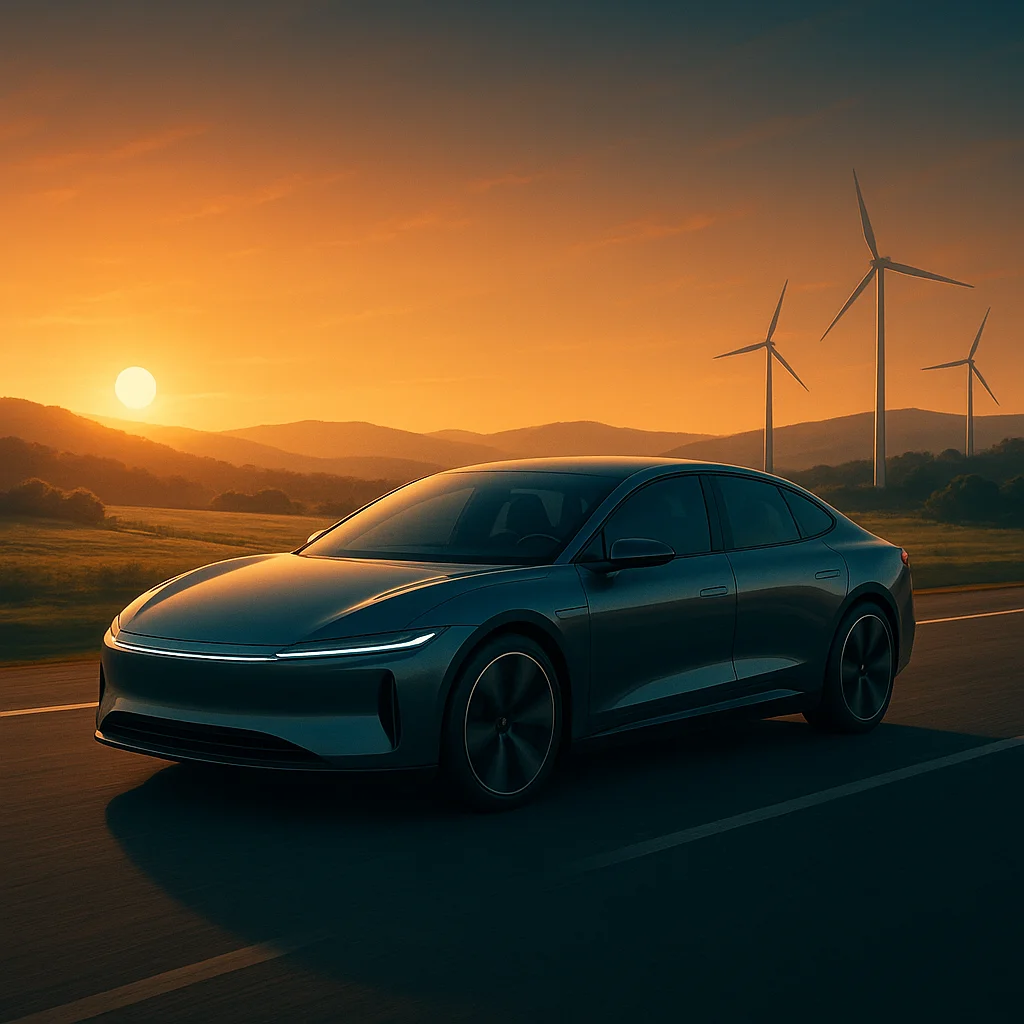

Introduction: The Race for Range and Value in Electric Vehicles
Picture this: cruising along Barcelona's scenic coastal roads in a sleek electric vehicle (EV) that effortlessly covers over 600 kilometers on a single charge, all while costing less than many conventional cars. The promise of electric mobility has transformed from niche to mainstream, yet buyers still wrestle with a crucial question: which EV offers the best balance of range and value? As Europe's urban centers push for cleaner air and governments tighten emissions standards, the pressure is on manufacturers to deliver vehicles that satisfy both wallet and wanderlust.
Range anxiety—the fear that a car’s battery will run dry before reaching a charging station—remains a top concern. Meanwhile, value encompasses more than the price tag; it includes battery longevity, charging speed, driving dynamics, and after-sales service. In this comprehensive guide, I explore the leading EVs that excel in these categories, dissecting their technology, market positioning, and suitability for drivers seeking cost-efficiency and impressive range.
My vantage point from Barcelona, a city exemplifying modern sustainable urban mobility, gives me a unique perspective on how these vehicles perform in real-world conditions, urban or highway. This article draws on the latest 2026 data, expert insights, and case studies to equip readers with the knowledge needed to make informed decisions.
EV Evolution: How We Arrived at Today’s Range and Value Benchmarks
The electric vehicle landscape has undergone a tectonic shift over the past decade. Early EVs, such as the Nissan Leaf and the first-generation Tesla Model S, laid the groundwork but were hampered by limited battery capacities and high costs. The breakthrough came with advances in lithium-ion battery chemistry, manufacturing scale, and powertrain efficiency.
Europe’s regulatory framework, led by the European Union’s stringent CO2 emission targets, accelerated this progress. Incentives, infrastructure investments, and consumer awareness campaigns further catalyzed adoption. Spain itself has ramped up solar power integration, reducing the carbon footprint of EV charging, making electric cars even more attractive.
By 2026, EVs have moved beyond early adopters to widespread acceptance. Automakers diversified offerings from compact city cars to SUVs, each optimized for different user profiles. Importantly, battery costs have dropped by more than 60% since 2015, according to BloombergNEF, enabling vehicles with ranges exceeding 500 km at competitive prices.
However, the quest for value remains ongoing. Manufacturers balance battery size, weight, and cost with vehicle price and performance. Meanwhile, charging infrastructure disparities across countries and urban versus rural settings influence consumer priorities. This complex backdrop shapes the current market and future trajectory.
Top Electric Vehicles Delivering Exceptional Range and Value
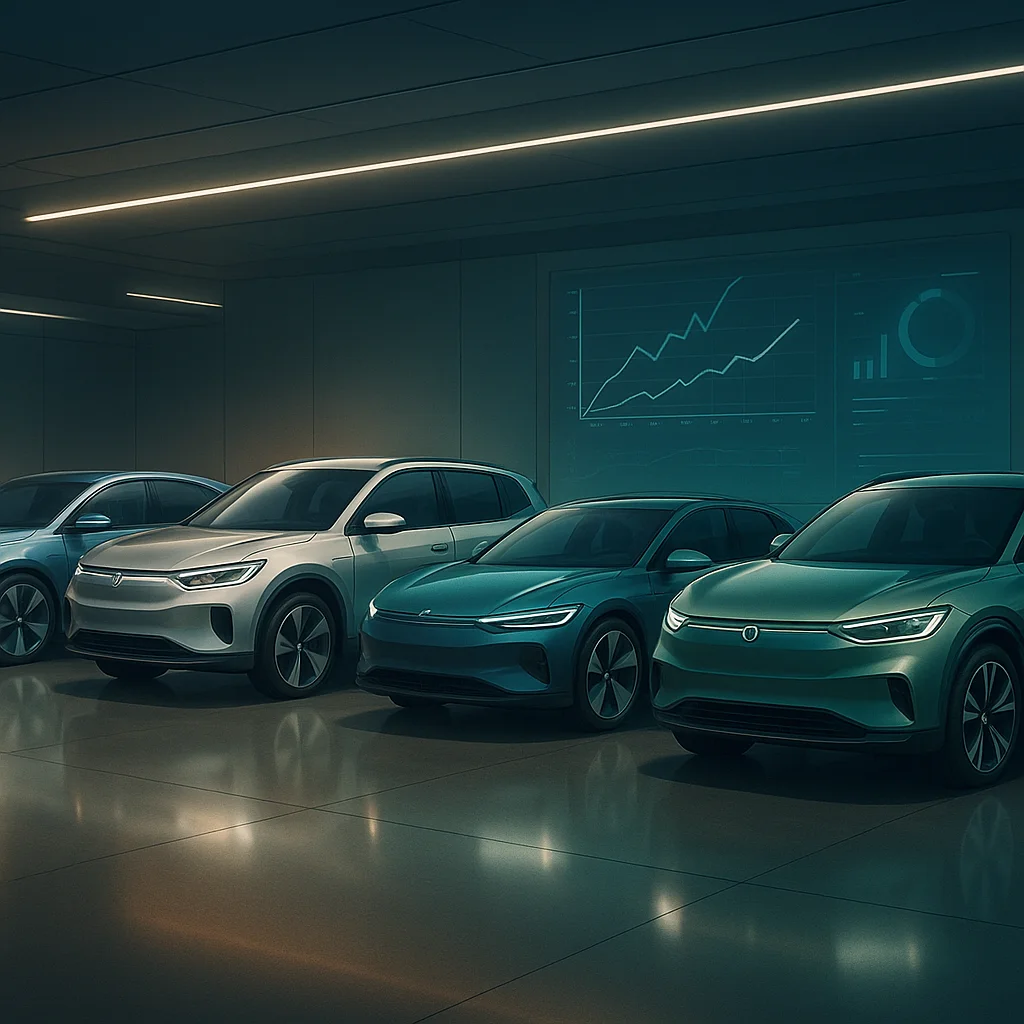
Analyzing 2026 market data and expert reviews, several models stand out for their impressive combination of range and affordability. The following vehicles exemplify how far electric mobility has come, blending advanced technology with accessible pricing.
- Tesla Model 3 Long Range: With an EPA-estimated range of approximately 568 km and a starting price around €48,000 in Europe, the Model 3 remains a benchmark. Tesla’s proprietary battery chemistry and efficient motor design enable this range, while access to the extensive Supercharger network adds practical value. Its software updates and Autopilot features further distinguish it.
- Hyundai Ioniq 6: Hyundai’s Ioniq 6, a sleek sedan inspired by Gaudí’s fluid architectural forms, offers an estimated 610 km range on a full charge. Priced competitively near €45,000, it boasts ultra-fast 800V charging architecture, cutting downtime. Hyundai’s warranty and battery management system enhance long-term ownership value.
- Volkswagen ID.4 Pro S: The ID.4 Pro S delivers a solid 520 km range and a more affordable entry point around €38,000. Its pragmatic design and spacious interior suit families and daily commuters. Volkswagen’s investment in European manufacturing and charging partnerships underpins its cost-efficiency.
- Renault Megane E-Tech Electric: This compact hatchback balances value and range with about 450 km on a charge and prices starting near €34,000. Renault’s focus on urban mobility and regenerative braking technology offers a solid proposition for city dwellers and short highway trips.
- Skoda Enyaq iV 80x: Offering an all-wheel-drive option with 540 km range, the Enyaq iV 80x starts around €43,000. Skoda combines Volkswagen Group’s EV platform with practical features and European sensibilities, delivering strong value for size and capability.
These models showcase varied approaches to meeting consumer needs, from luxury-oriented to practical affordability. Current reviews from Car and Driver and MSN's CarBuzz corroborate these choices, emphasizing how improved battery chemistry and vehicle design drive value upward.
Key Comparison Factors
- Battery Capacity: Most top EVs have battery packs between 60 and 85 kWh.
- Charging Speed: 800V architectures enable 10–80% charging in under 20 minutes for some models.
- Energy Efficiency: Measured in Wh/km, influencing real-world range.
- Price per Kilometer: Calculated as purchase price divided by range, indicating cost-effectiveness.
"Battery technology improvements have been pivotal in expanding the range-value sweet spot for electric vehicles," notes Dr. Marta Gil, a battery systems expert at the Catalan Institute for Energy Research.
2026 Developments Shaping the EV Range and Value Equation
The current year has seen several pivotal shifts. Battery chemistries continue to evolve, with solid-state batteries edging closer to market viability. These promise higher energy density and faster charging, potentially pushing ranges beyond 700 km in affordable segments.
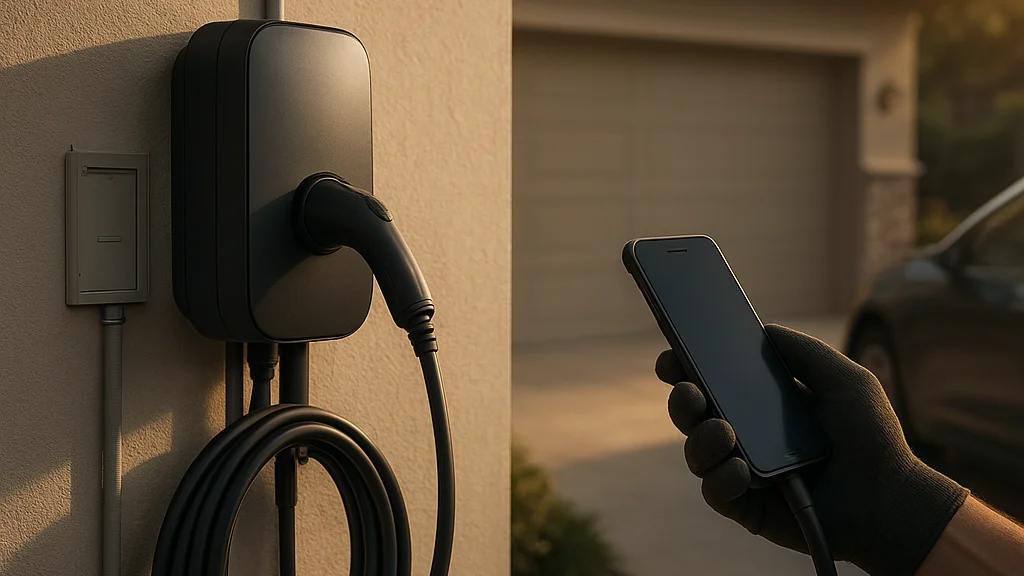
Meanwhile, charging infrastructure in Europe has expanded significantly. The EU’s Connecting Europe Facility has funded over 12,000 new fast chargers since 2024, improving accessibility in rural and urban areas alike. Spain’s own solar energy projects have enhanced grid sustainability, reducing the carbon footprint of EV charging—a crucial factor for true environmental value.
Automakers have also embraced modular platforms, enabling quicker adaptation across models and markets. This flexibility supports cost reduction and faster deployment of new battery technologies.
Moreover, government incentives have shifted focus from upfront subsidies to total cost of ownership (TCO) reductions through tax credits, insurance benefits, and road toll exemptions. These policies influence how consumers assess value beyond sticker price.
As a result, EV buyers in 2026 weigh multiple dimensions: raw range, charging convenience, maintenance costs, and even brand ecosystem compatibility.
According to industry analyst Laura Sanchez, "The interplay between technology progress and policy incentives is creating a more nuanced definition of value in electric vehicles. It's no longer just about range, but about the holistic ownership experience."
Expert Perspectives and Industry Impact
Leading voices in clean mobility highlight the importance of balancing technological innovation with affordability to accelerate EV adoption. Dr. Josep Font, director of Barcelona’s Urban Mobility Observatory, emphasizes that "achieving a widespread shift to electric vehicles hinges on ensuring that models meet real user needs without prohibitive costs." He cites the success of European manufacturers who integrate local supply chains and prioritize user-centric design.
Furthermore, battery recycling and second-life applications are becoming integral to value calculations. Companies like Northvolt and ACCUREC have pioneered closed-loop systems, reducing raw material dependency and improving sustainability credentials.
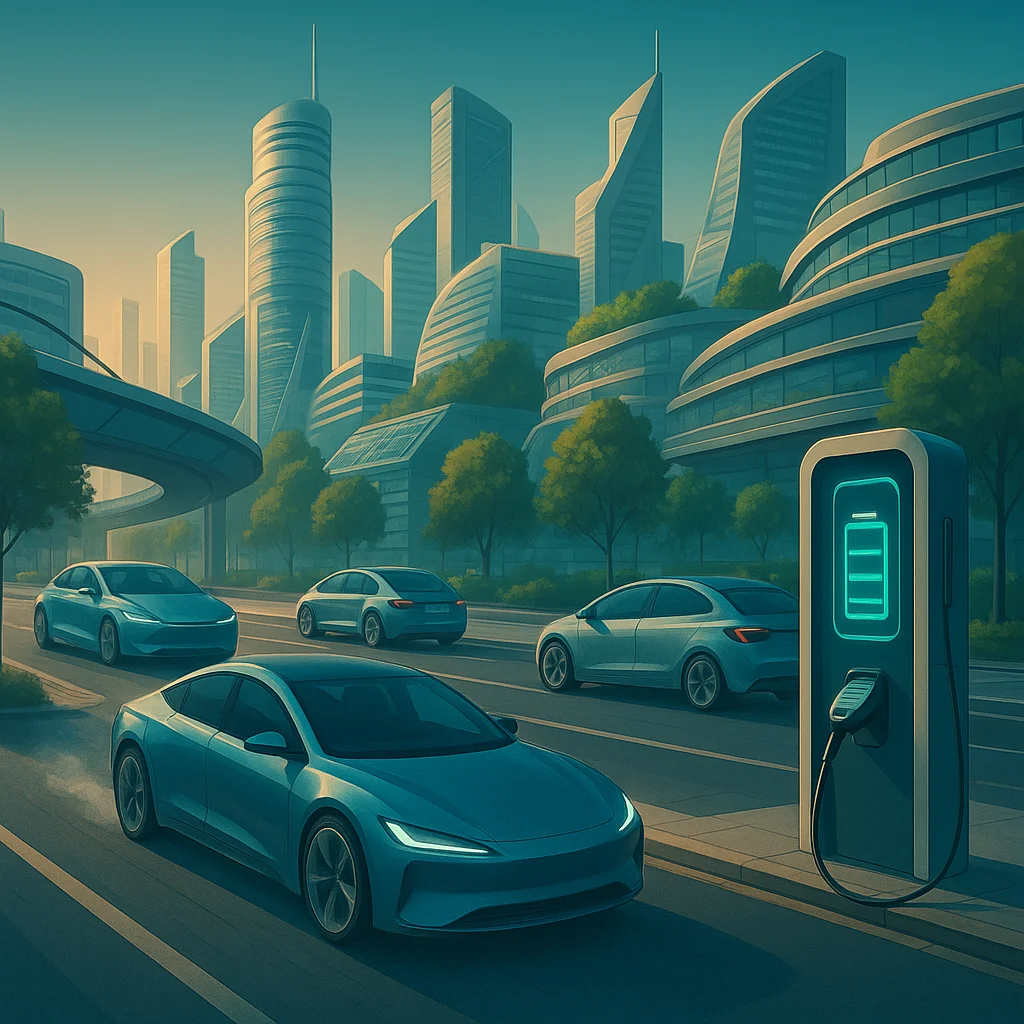
The industry’s shift also affects urban planning and energy grids. Cities like Barcelona are integrating EV charging into smart grids and public transport systems, amplifying benefits. This systemic approach enhances the value proposition for consumers and municipalities alike.
For consumers, expert consensus suggests that while range matters, factors like charging network quality, vehicle reliability, and software ecosystem are equally vital. The convergence of these elements defines the long-term value of an EV.
What to Watch: The Future of EV Range and Value
Looking ahead, several trends promise to reshape the electric vehicle market. Solid-state battery technology is expected to become commercially available within the next two years, potentially redefining range capabilities and charging times. This leap could bring compact EVs with supercar-level range and rapid recharge to mainstream audiences.
Artificial intelligence and predictive analytics will enhance battery management and energy consumption patterns, optimizing range dynamically based on driving behavior and route conditions. Autonomous driving features may further improve efficiency.
Additionally, the circular economy will gain traction. Battery second-life applications for grid storage and recycling innovations will reduce costs and environmental impacts, contributing to value creation.
Policy frameworks across the EU will likely tighten emissions targets and incentivize local production, favoring manufacturers who balance sustainability with affordability. Urban centers will continue investing in integrated charging infrastructure, making range anxiety obsolete for most users.
For prospective buyers, the takeaway is clear: prioritize vehicles that offer a holistic value proposition—combining strong range, charging infrastructure compatibility, and sustainable lifecycle practices.
As I have explored in my related article on The Future of Best Electric Vehicles for Range and Value in 2026, staying informed about evolving technologies and policy changes is essential to making the best choice. For those new to EVs, common pitfalls can obscure value, which I address in Common Mistakes When Choosing Electric Vehicles for Range and Value.
Case Studies: Real-World Use and Ownership Experience
To ground the analysis, consider two case studies from Barcelona and surrounding regions.
Case 1: Urban Commuter – Renault Megane E-Tech Electric
Ana, a Barcelona-based graphic designer, uses the Renault Megane E-Tech primarily for daily commuting and weekend trips. The 450 km range covers her needs comfortably, and regenerative braking extends battery life in stop-and-go city traffic. She appreciates the vehicle’s competitive price and low maintenance costs, reporting a significant reduction in monthly transport expenses compared to her previous petrol car.
Case 2: Long-Distance Driver – Tesla Model 3 Long Range
Carlos, a sales consultant traveling between Barcelona and Madrid, values the Tesla Model 3’s 568 km range and Supercharger access. Fast charging times enable him to minimize downtime, and software updates have improved vehicle responsiveness over time. Despite a higher initial investment, total cost of ownership is competitive due to energy savings and minimal service visits.
These real-world experiences illustrate how different EVs deliver value tailored to user lifestyles. They also underscore the importance of understanding individual driving patterns when assessing range requirements.
Overall, the electric vehicle market in 2026 offers compelling choices for consumers prioritizing range and value. With ongoing advancements and supportive policies, the transition to sustainable mobility continues accelerating, promising cleaner cities and empowered drivers.





























Sign in to leave a comment.