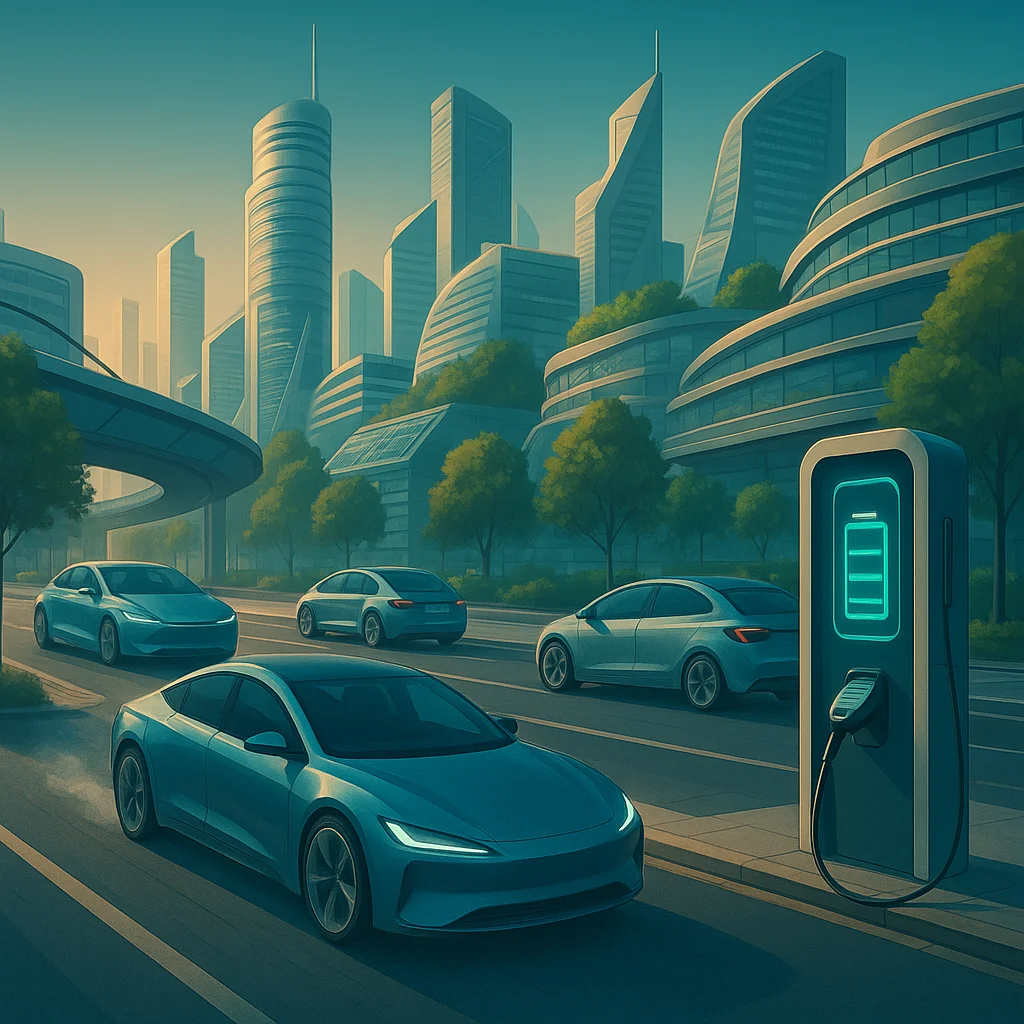

A New Era of Clean Mobility: Hydrogen Fuel Cells and Battery Electric Vehicles
On the bustling streets of Barcelona, where Gaudí’s organic forms meet cutting-edge solar energy projects, a silent revolution is underway. Electric vehicles (EVs) glide past, powered by batteries that once seemed futuristic, while hydrogen fuel cell vehicles (FCVs) quietly stake their claim as a promising alternative. By 2026, the debate between hydrogen fuel cell vehicles and battery electric vehicles has intensified, driven by advances in technology, policy shifts, and evolving market demands. This comprehensive guide explores the nuances of both technologies, revealing their strengths, challenges, and the roles they will play in shaping sustainable transportation globally.
In 2025, global battery electric vehicle sales surpassed 15 million units according to the International Energy Agency (IEA), while hydrogen fuel cell vehicles remain a niche but rapidly growing segment, particularly in commercial and heavy-duty transport sectors. This contrast sets the stage for a deeper understanding of how each technology fits into the clean energy puzzle.
“Battery electric vehicles have become mainstream in passenger transport, but hydrogen fuel cells hold the key for sectors where batteries are less practical,” notes Dr. Marta Ruiz, a renewable energy researcher at the Polytechnic University of Catalonia.
Historical Context: From Concept to Market Reality
Battery electric vehicles have roots dating back to the early 19th century but only surged to prominence in the 2010s with advances in lithium-ion battery technology and Tesla’s market disruption. Meanwhile, hydrogen fuel cell vehicles, leveraging electrochemical processes discovered in the 19th century, remained largely experimental until breakthroughs in membrane technology and platinum catalyst efficiency revived interest in the 2010s and 2020s.
European Union policies, motivated by climate targets, have played a pivotal role in accelerating both technologies. Spain’s National Hydrogen Strategy, launched in 2020, prioritized green hydrogen production using solar power from regions like Andalusia, complementing Barcelona’s urban EV adoption programs. The interplay between battery EVs and FCVs reflects different pathways to decarbonization, each responding to unique energy and mobility challenges.
The evolution of these vehicles can be summarized as follows:
- Early development: Battery EVs gained momentum in the 2010s with improved energy density and charging infrastructure.
- Hydrogen resurgence: Fuel cells matured technologically but faced infrastructure and cost barriers.
- Policy-driven acceleration: EU and national strategies from 2020 onwards spurred investments in both sectors.
- Market differentiation: By 2025, battery EVs dominate passenger cars, hydrogen targets heavy-duty and commercial transport.
Technical and Economic Comparison: Batteries vs Hydrogen Fuel Cells
The core of this debate lies in the fundamental differences in energy storage and conversion. Battery electric vehicles store electrical energy chemically in lithium-ion cells, while hydrogen fuel cell vehicles generate electricity on-demand by converting hydrogen gas through electrochemical reactions.
Energy Efficiency and Range
Battery EVs typically achieve a well-to-wheel efficiency of around 70–80%, translating to more kilometers per unit of energy consumed. Hydrogen FCVs, on the other hand, have a lower efficiency—approximately 40–60%—due to energy losses in hydrogen production, compression, and fuel cell conversion.
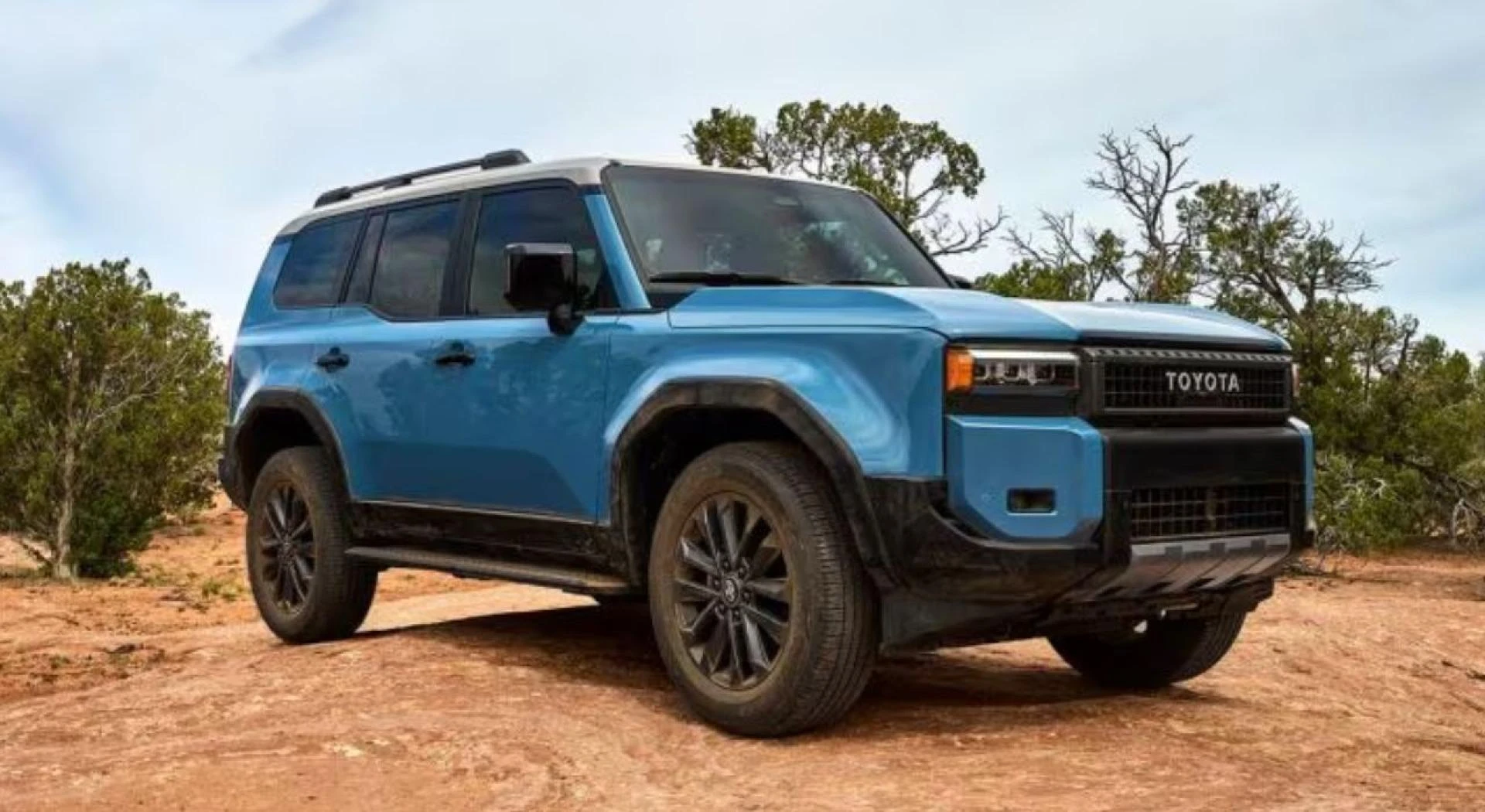
However, hydrogen vehicles offer longer driving ranges and faster refueling times. For example, Toyota’s Mirai 2.0, launched in 2024, boasts a 650 km range with a refuel time under five minutes, compared to most battery EVs requiring 30 minutes to several hours to recharge.
Infrastructure and Costs
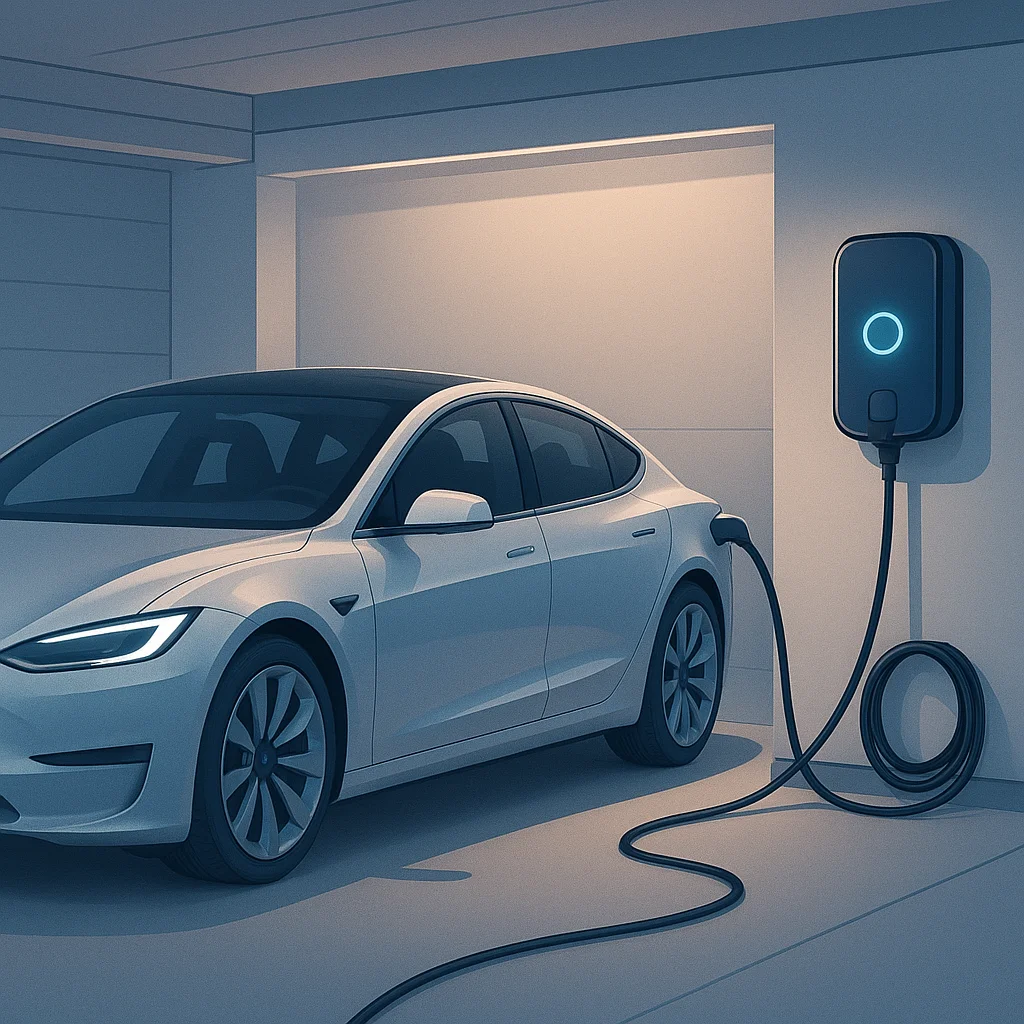
Battery EV infrastructure, including fast chargers, has expanded rapidly, with over 2 million public charging points worldwide as of 2026. Hydrogen refueling stations remain sparse, concentrated in regions like California, Germany, Japan, and parts of Spain.
Cost-wise, lithium-ion battery pack prices have dropped below $100 per kWh, whereas green hydrogen production and fuel cell stacks remain costlier due to platinum use and limited economies of scale. Yet, ongoing research aims to reduce platinum content and improve electrolyzer efficiency.
Below is a comparative summary:
- Battery EVs: Higher energy efficiency, widespread charging, lower upfront vehicle cost.
- Hydrogen FCVs: Longer range, faster refueling, better suited for heavy-duty and commercial vehicles.
According to MSN’s 2026 analysis, “The choice between hydrogen and battery electric depends heavily on use case, with hydrogen excelling in sectors demanding rapid refueling and high payloads.”
2026 Developments Shaping the Market Landscape
This year marks significant progress on multiple fronts. Toyota, having refined its fuel cell technology, announced a strategic pivot towards hydrogen-powered commercial vehicles, including trucks and buses, as reported by Just Auto in early 2026. Collaborations with Daimler and Volvo under the Cellcentric joint venture focus on scaling fuel cell heavy trucks to meet stringent emissions targets.
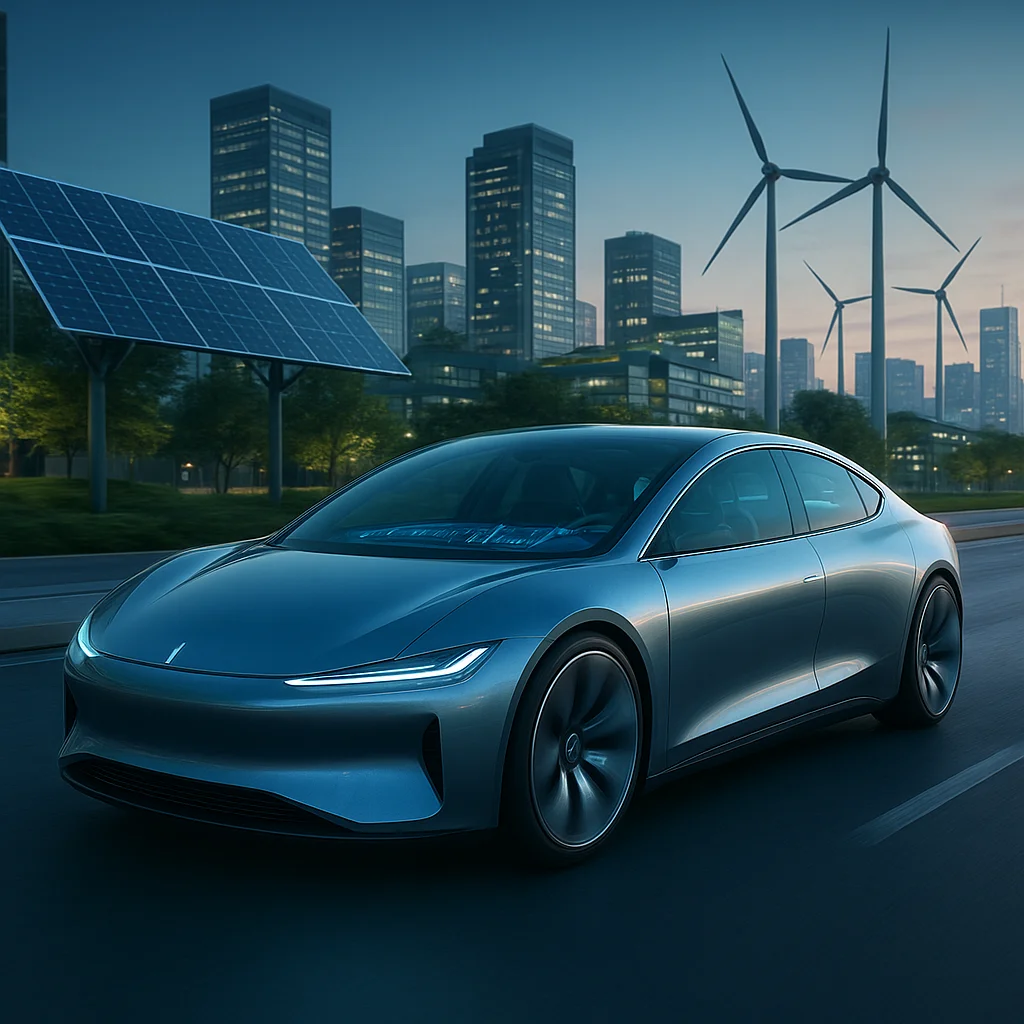
Meanwhile, battery electric vehicle manufacturers have launched new generations of solid-state batteries, promising higher energy density and faster charging, which could narrow the gap in range and recharge time with hydrogen FCVs. Spain’s efforts to integrate renewable energy with EV charging infrastructure continue to expand, with Barcelona leading urban mobility projects that combine solar-powered EV charging and smart grid technologies.
Government incentives have also shifted to support both technologies more equitably, recognizing their complementary roles. The EU’s Clean Mobility Package includes subsidies for hydrogen refueling stations alongside grants for battery EV infrastructure development.
Key 2026 highlights include:
- Commercial focus: Toyota’s hydrogen fuel cell trucks launching in Europe and North America.
- Battery innovation: Introduction of solid-state batteries by several manufacturers.
- Infrastructure growth: Expansion of hydrogen stations in Spain, Germany, and the US.
- Policy alignment: EU and national governments incentivizing both technologies.
Expert Insights and Industry Implications
Industry leaders and experts provide valuable perspectives on the evolving dynamics. Dr. Luis Moreno, a clean transportation strategist in Madrid, emphasizes, “Hydrogen will not replace battery electric vehicles but will coexist, each serving distinct niches. Heavy-duty logistics, aviation, and maritime sectors require hydrogen’s energy density and quick refueling.”
Automakers are adapting their strategies accordingly. Toyota’s renewed emphasis on hydrogen for commercial vehicles, as outlined in Just Auto, signals a shift reflecting market realities and technical strengths. Meanwhile, companies like Tesla and Volkswagen continue to push battery EV innovations for passenger cars.
Urban planners in Barcelona and other European cities leverage both technologies to reduce air pollution and carbon emissions, integrating hydrogen buses on key transit routes while encouraging battery EV adoption among private consumers. This hybrid approach aligns with sustainable city goals and complements Spain’s solar hydrogen production initiatives.
“The dual approach maximizes decarbonization potential across transport segments,” states Dr. Moreno.
Looking Ahead: What to Watch in the Race Between Hydrogen and Battery EVs
As we progress through 2026 and beyond, several trends and factors will determine the balance between hydrogen fuel cell vehicles and battery electric vehicles:
- Technological breakthroughs: Advances in fuel cell durability and battery solid-state chemistry.
- Infrastructure investment: Expansion of hydrogen refueling networks alongside ultra-fast EV charging.
- Policy frameworks: Harmonization of incentives and regulation to support both technologies.
- Market demand shifts: Growing focus on commercial fleets, heavy-duty transport, and long-haul applications.
- Renewable integration: Green hydrogen production scaling up through solar and wind power.
For consumers and businesses, understanding these developments is critical. As I explored in my earlier works on 2026 Trends in Hydrogen Fuel Cell Vehicles vs Battery Electric Cars and Hydrogen Fuel Cell Vehicles vs Battery Electric: A 2026 Comparative Analysis, the future is not a binary choice but a diversified ecosystem where each technology complements the other.
Ultimately, the sustainable transport landscape will be defined by pragmatic decisions balancing efficiency, cost, and application-specific needs, guided by robust policy and continued innovation.
Real-World Adoption: Case Studies from Europe and Beyond
Examining real-world examples illuminates how hydrogen and battery electric vehicles are deployed effectively. Barcelona’s public transport authority introduced a fleet of hydrogen fuel cell buses in 2024, supported by solar-powered green hydrogen produced in Catalonia’s renewable energy parks. These buses operate on longer routes with minimal downtime due to rapid refueling, addressing limitations of battery range and charging times.
Meanwhile, private vehicle owners in Barcelona and Madrid increasingly choose battery electric cars, benefiting from an extensive network of solar-powered charging stations integrated into urban infrastructure. The city’s focus on multimodal transport solutions, combining cycling, EVs, and hydrogen buses, exemplifies a holistic approach to urban mobility.
In Germany, the rollout of hydrogen fuel cell trucks by Volvo and Daimler, supported by the Cellcentric joint venture, targets freight corridors, reducing emissions from heavy transport. According to New Atlas, Toyota’s role in these developments highlights automakers’ strategic diversification to meet diverse market needs.
These examples underscore the complementary nature of battery EVs and hydrogen FCVs across different transport modes and geographies.
“Hydrogen fuel cells excel in commercial and heavy transport, while battery electric vehicles dominate passenger mobility,” explains Elena Vasquez, clean energy analyst, Barcelona.
Such case studies provide valuable insights for policymakers and industry stakeholders aiming to accelerate clean transportation adoption without compromising operational efficiency.





























Sign in to leave a comment.