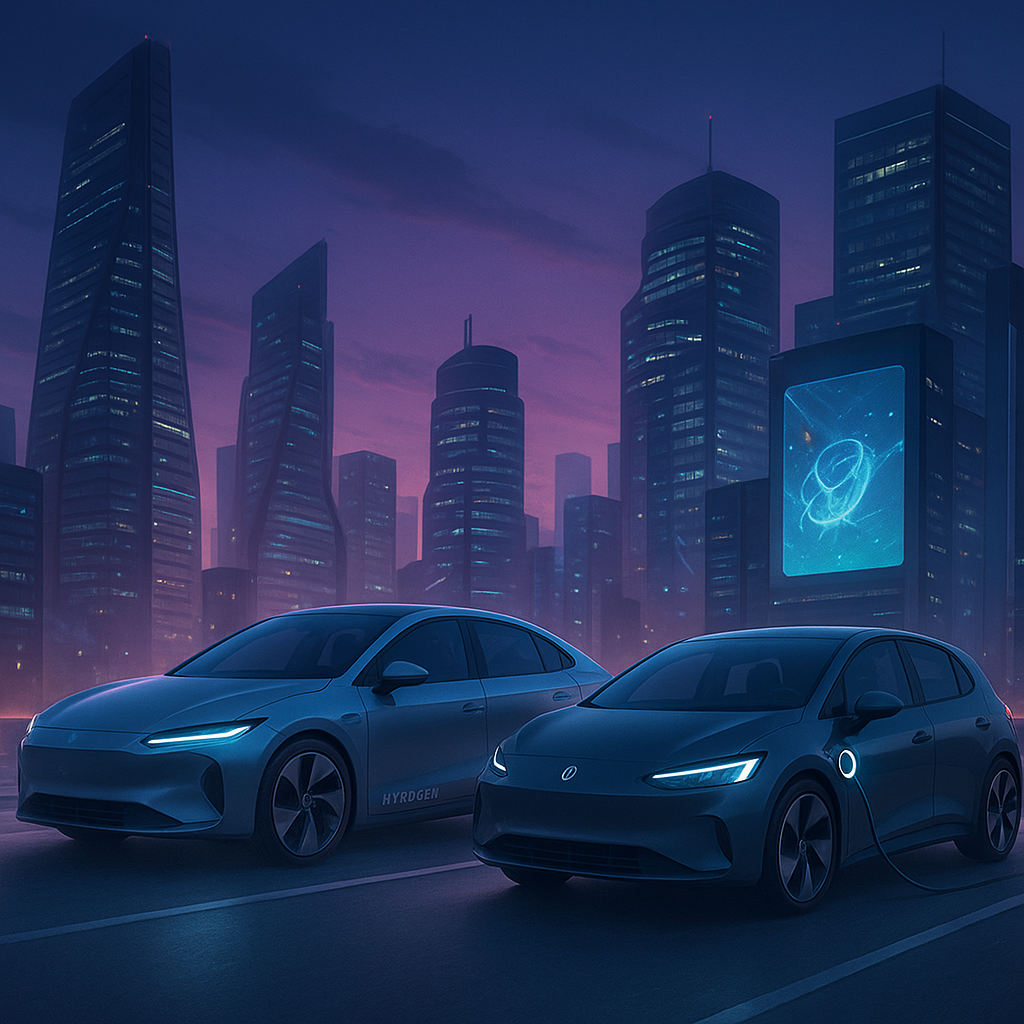

Introduction: A Pivotal Moment for Clean Mobility
In the spring of 2026, the global automotive sector stands at a decisive crossroad between two transformative clean energy technologies: hydrogen fuel cell vehicles (FCVs) and battery electric vehicles (BEVs). As governments intensify zero-emission targets and consumers demand greener options, the debate over which technology will dominate the future of transportation has never been more pertinent. Recent production data from the International Energy Agency reveal that BEVs accounted for nearly 14 million new vehicle sales globally in 2025, while hydrogen fuel cell vehicles, though still niche, are gaining traction especially in commercial and heavy-duty markets.
This article aims to provide an expert, data-driven comparison of hydrogen fuel cell vehicles and battery electric vehicles, evaluating their technological underpinnings, practical applications, and future trajectories. It will explore how these technologies have evolved, analyze their current market and infrastructure status, survey industry viewpoints, and forecast their roles in sustainable mobility by the end of this decade.
Background: The Evolution of Electric and Hydrogen Vehicles
The story of electric vehicles dates back over a century, but it is the 21st century's rapid advances in lithium-ion battery technology and renewable energy integration that propelled BEVs to the forefront. The 2010s and early 2020s marked an era of aggressive adoption led by industry giants like Tesla, Volkswagen, and BYD, supported by government incentives and expanding charging infrastructure. By 2026, BEVs have become mainstream passenger vehicles in many regions, with improvements in battery density pushing ranges beyond 400 miles for many models.
Conversely, hydrogen fuel cell vehicles, which convert hydrogen gas into electricity through electrochemical reactions, have taken a more measured path. Early models like the Toyota Mirai and Hyundai Nexo demonstrated feasibility but faced challenges in infrastructure and cost. However, hydrogen’s advantages in fast refueling and energy density have maintained interest, especially for commercial trucks, buses, and certain passenger segments. Strategic partnerships, such as the recent collaboration between Daimler Truck, Volvo, and Toyota to scale hydrogen fuel cell trucks, signify a renewed industrial push as reported by Electric Cars Report.
Technical and Environmental Performance: A Comparative Analysis
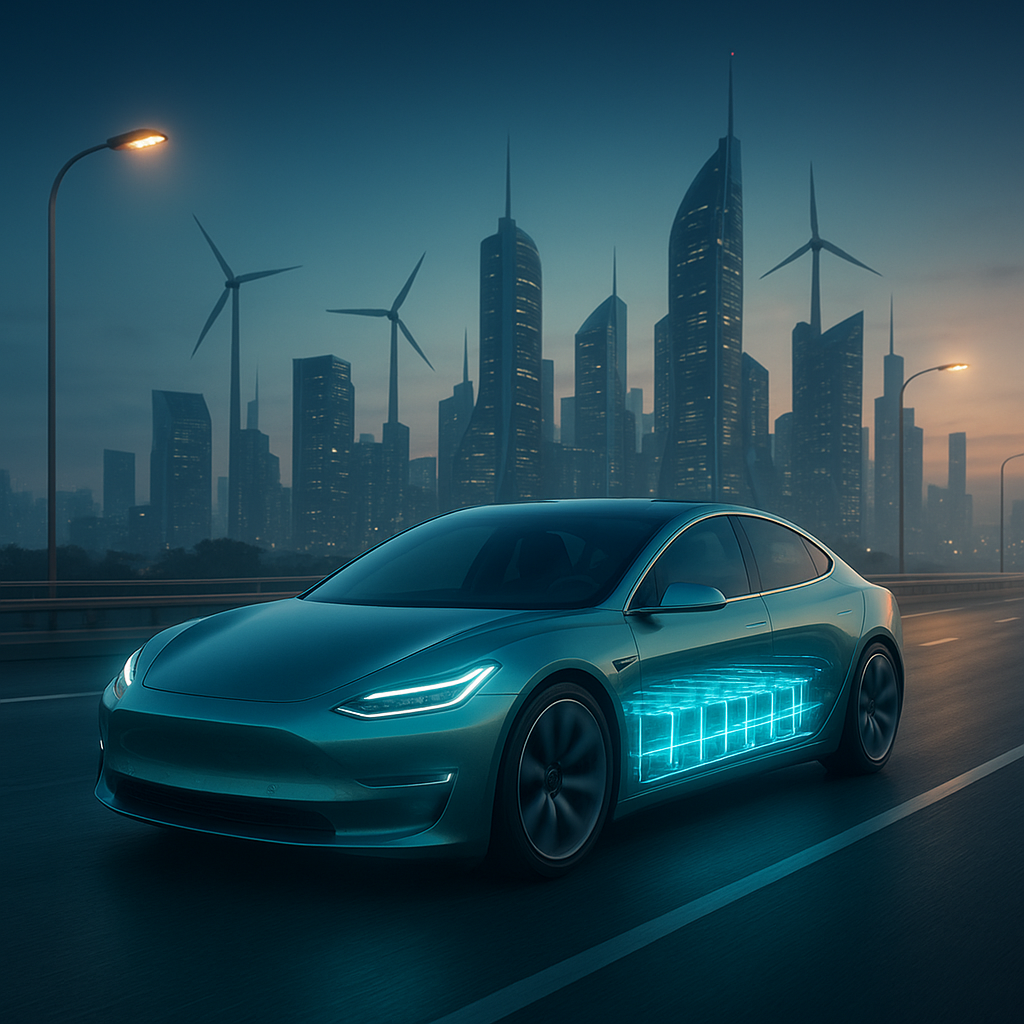
At the core, BEVs rely on large rechargeable batteries to store electrical energy, powering electric motors. Hydrogen FCVs generate electricity onboard by combining hydrogen with oxygen in fuel cells, emitting only water vapor. Each technology presents unique technical benefits and limitations.
Efficiency and Energy Density
- BEVs typically achieve 70–80% well-to-wheel efficiency, meaning a large proportion of grid electricity converts into vehicle movement.
- Hydrogen FCVs currently have lower efficiency, around 35–45%, due to energy losses in hydrogen production, compression, transport, and conversion back to electricity.
- However, hydrogen’s gravimetric energy density is nearly three times that of batteries, giving FCVs an edge in range and refueling speed—critical for heavy-duty and long-haul applications.
Infrastructure and Refueling
- BEVs benefit from the rapidly expanding global charging network, with over 1.8 million public chargers worldwide in 2026, including ultra-fast DC chargers capable of replenishing 80% battery capacity in under 20 minutes.
- Hydrogen refueling stations remain scarce, with approximately 1,200 stations worldwide, concentrated mostly in Japan, South Korea, California, and parts of Europe.
- Hydrogen refueling times are competitive with gasoline vehicles, averaging 3–5 minutes, whereas BEV charging, even with ultra-fast chargers, typically takes longer.
Environmental Impact
Both technologies offer zero tailpipe emissions. Yet, the overall environmental footprint depends heavily on energy sources. Green hydrogen produced via electrolysis powered by renewables is essential for FCVs to deliver true sustainability, but most hydrogen today still comes from natural gas-based steam methane reforming, which involves carbon emissions.
BEVs’ carbon footprint is linked to the electricity mix and battery manufacturing. Advances in battery recycling and cleaner grid electricity are steadily reducing BEVs' life cycle emissions.
“Hydrogen fuel cells present a promising complement to battery electric vehicles, especially for applications requiring rapid refueling and extended range. However, their sustainability hinges on scaling green hydrogen production,” notes Dr. Lena Fischer, a renewable energy analyst.
Current Developments in 2026: Industry and Market Dynamics
The year 2026 evidences significant strides in both technologies but divergent trajectories. BEVs dominate passenger vehicle sales, with automakers investing billions in battery innovation, solid-state technologies, and charging infrastructure. The market expansion is supported by policies in the EU, China, and the U.S. that phase out internal combustion engines and incentivize electric adoption.
Meanwhile, hydrogen fuel cell vehicles are carving out a niche in commercial transport sectors. The alliance between Daimler Truck, Volvo, and Toyota, as detailed by Electric Cars Report, aims to develop scalable fuel cell modules for heavy-duty trucks, targeting logistics and freight companies with tight turnaround and range demands.
However, setbacks exist. Phoenix's recent $1.5 million hydrogen bus pilot was discontinued due to operational challenges, highlighting infrastructure and cost hurdles, as reported by Hoodline. Such experiences underscore the complexity of scaling hydrogen mobility beyond pilot stages.
Government investments in green hydrogen projects have surged, with the European Union committing nearly €15 billion by 2030 under the EU Hydrogen Strategy, aiming to produce 10 million tons of renewable hydrogen annually. The U.S. Department of Energy’s Hydrogen Shot initiative targets a cost reduction to $1 per kilogram of clean hydrogen, which would improve FCV competitiveness.
Industry Perspectives and Market Impact
Industry leaders exhibit varied confidence levels toward each technology. Toyota remains a staunch advocate of hydrogen fuel cells, investing in both vehicle development and hydrogen infrastructure, exemplified in their ongoing efforts to commercialize fuel cell heavy trucks and passenger cars, as outlined by New Atlas. Meanwhile, Tesla and other pure battery electric manufacturers continue to prioritize rapid battery improvements and charging networks, betting on BEVs’ scalability and consumer acceptance.
Elon Musk stated in a 2025 interview, “While hydrogen has potential in certain sectors, batteries offer the most practical and efficient solution for most passenger vehicles.”
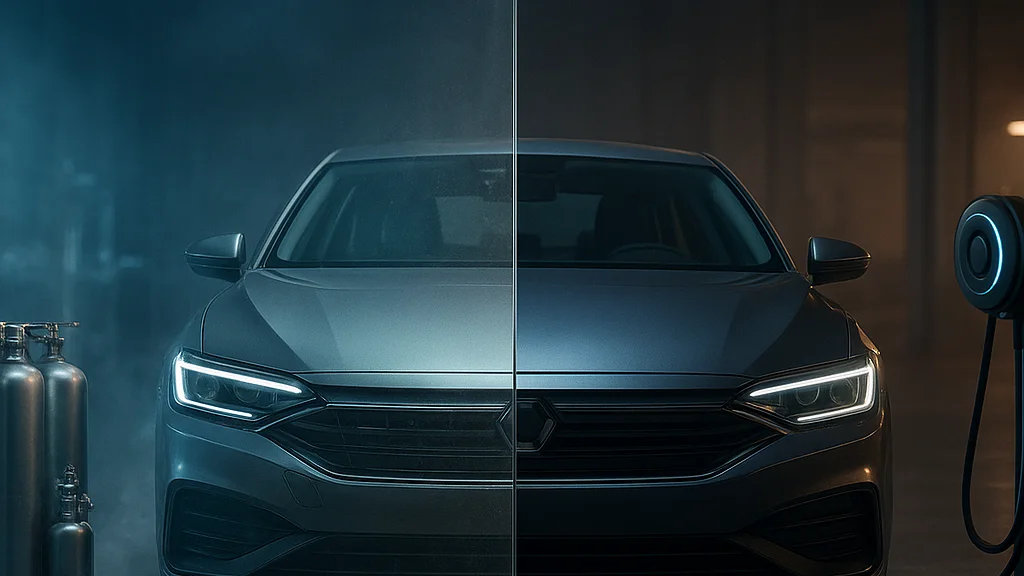
Market analysts emphasize that hydrogen and battery electric technologies are not mutually exclusive but complementary. Hydrogen’s advantages in energy density and quick refueling position it well for long-haul transport, buses, trains, and maritime vessels. BEVs, with their energy efficiency and growing infrastructure, dominate urban and short-range mobility.
Furthermore, the automotive fuel cell market is projected to grow at a CAGR of over 25% through 2030, as documented in the WriteUpCafe article Automotive Fuel Cell Market 2026: Driving the Future of Zero-Emission Mobility. This growth is driven by industrial partnerships and governmental support mitigating cost and scaling challenges.
Future Outlook: What to Watch in the Coming Years
Looking forward, several critical factors will determine the trajectory of hydrogen fuel cell and battery electric vehicles:
- Hydrogen Production and Infrastructure Expansion: The pace and scale of green hydrogen deployment will be decisive. Technological breakthroughs reducing electrolysis costs and expanding refueling stations are essential for hydrogen mobility to scale beyond niche applications.
- Battery Technology and Supply Chains: Continued innovation in solid-state batteries, improved recycling, and diversified raw material sources will sustain BEVs’ cost and performance improvements.
- Regulatory Frameworks and Incentives: Policies that support both hydrogen and battery electric ecosystems, including carbon pricing and infrastructure funding, will shape market dynamics.
- Consumer Acceptance and Use Case Fit: Vehicle range, refueling convenience, and total cost of ownership will influence consumer and commercial buyer choices.
Industry observers recommend a pragmatic, technology-neutral approach to clean mobility, leveraging the strengths of each technology. The WriteUpCafe article Hydrogen in Transportation: The Future of Fuel Cell Vehicles and Hydrogen-Powered Mobility elaborates on how hybrid strategies combining BEVs and FCVs can accelerate decarbonization.
“The future of transportation will likely be a mosaic of solutions—battery electric for urban and light-duty use, hydrogen fuel cells for heavy-duty and long-range applications,” summarizes Dr. Emily Chen, a sustainable transport researcher.
Ultimately, the transition to zero emissions will depend on overcoming economic, technological, and infrastructural barriers while aligning with broader renewable energy transitions.
Case Studies: Real-World Applications and Lessons
Several real-world examples illustrate the practical applications and challenges of both technologies in 2026.
Battery Electric Vehicles (BEVs)
- Volkswagen ID.4 in Europe: With over 400,000 units sold in 2025, the ID.4 exemplifies BEV mainstream adoption. Volkswagen’s investment in expanding fast-charging networks across the EU has enhanced usability and consumer confidence.
- Tesla Model Y in North America: Tesla’s Model Y remains a top-selling electric SUV, benefiting from the company’s Supercharger network and battery cost reductions.
Hydrogen Fuel Cell Vehicles (FCVs)
- Toyota Mirai in Japan: The Mirai continues to be the flagship hydrogen sedan, supported by Japan’s extensive hydrogen refueling network and government incentives promoting hydrogen society concepts.
- Daimler-Volvo Fuel Cell Trucks in Europe: Pilot fleets deployed on logistics corridors have demonstrated operational efficiency and reduced emissions. The collaboration is now expanding to commercial scale, signaling hydrogen’s potential in freight.
These examples underscore each technology’s contextual advantages and highlight the necessity of tailored solutions rather than a one-size-fits-all approach.
For further technical and market details, readers can refer to the in-depth analysis in Electric Vehicles: A Comprehensive Engineering Overview and Proton Exchange Membrane Fuel Cell Market 2026: Accelerating the Hydrogen-Powered Energy Transition.































Sign in to leave a comment.