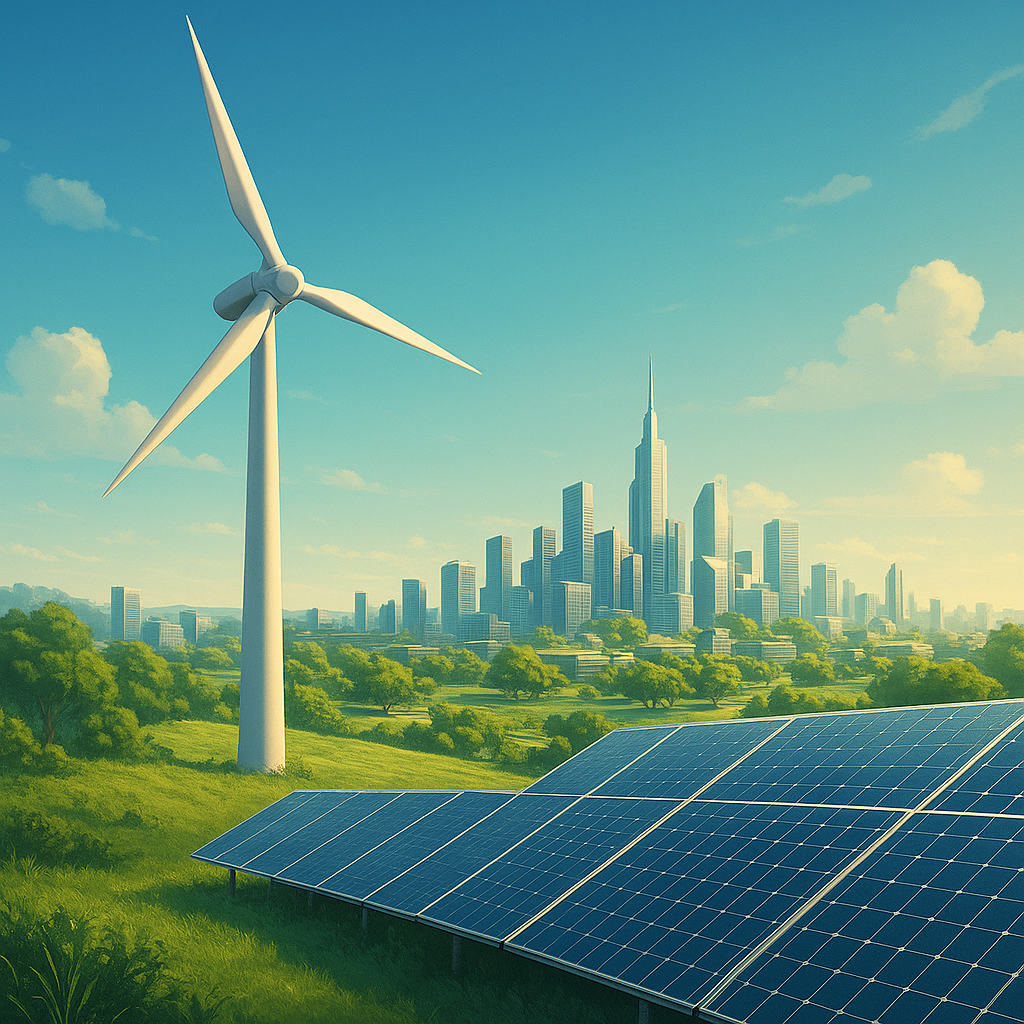

Rising Winds and Shining Suns: A Snapshot of Global Renewable Expansion
In early 2026, the global stage for renewable energy witnessed a historic milestone. According to pv magazine International, solar energy led global capacity additions in 2025, while wind energy growth accelerated significantly. This trend marks a pivotal shift in the world’s energy mix, as nations intensify efforts to transition away from fossil fuels and meet ambitious climate targets.
Consider the vast plains of Texas in the United States, where sprawling wind farms now stretch across hundreds of miles, generating gigawatts of clean electricity. Meanwhile, solar arrays in sunny regions from India to Spain have proliferated at unprecedented rates. These expansions are not just numbers on a chart; they represent the beating heart of a global push towards sustainable power. Yet, despite this progress, challenges remain in scaling renewables rapidly enough to align with the most aggressive climate goals.
“Wind and solar energy capacity growth is outpacing many forecasts, but to meet the 1.5°C climate target, the pace must accelerate further,” says Dr. Lina Chen, renewable energy analyst at the International Energy Agency.
Historical Context: Tracing the Surge in Wind and Solar Capacity
The journey of wind and solar energy from niche technologies to global cornerstones of power generation spans several decades. In the late 20th century, wind turbines were modest, often localized installations, while solar panels were costly and limited to small-scale applications. The 2000s witnessed a rapid drop in costs driven by technological advances and manufacturing scale, particularly in China, which emerged as a global leader in solar panel production.
Throughout the 2010s, policy frameworks such as feed-in tariffs and renewable portfolio standards in Europe, the US, and parts of Asia catalyzed deployment. The Paris Agreement in 2015 further galvanized international commitments to clean energy expansion. By 2020, wind and solar accounted for roughly 10% of global electricity generation, a figure that has since grown considerably.
According to Statista data, cumulative global wind capacity tripled from approximately 600 gigawatts (GW) in 2015 to over 1,800 GW by the end of 2025. Solar capacity experienced even more dramatic growth, soaring from 200 GW in 2015 to nearly 1,200 GW in 2025. This explosive growth was underpinned by innovations such as larger, more efficient turbines and improved photovoltaic cells.
“Scaling renewables has been a story of relentless innovation and policy support. The trajectory over the past two decades provides a blueprint for the next phase,” notes energy historian Mark Feldman.
Data-Driven Analysis: Comparing Wind and Solar Growth Dynamics
The distinct characteristics of wind and solar power influence their deployment patterns and growth rates. Solar energy, with its modularity and rapid installation timelines, has often led capacity additions globally. In contrast, wind energy, particularly offshore wind, requires longer development cycles but delivers higher capacity factors.
In 2025, solar energy added approximately 250 GW of new capacity worldwide, representing a 26% increase over 2024. Wind energy followed with 190 GW of new installations, an impressive 35% growth year-over-year, largely driven by offshore wind projects in Europe and East Asia. Together, these additions accounted for nearly 80% of all new power capacity globally.
- Top solar capacity growth countries in 2025: China (90 GW), India (30 GW), United States (25 GW), Europe (22 GW)
- Leading wind capacity growth countries in 2025: China (75 GW), Germany (20 GW), United States (18 GW), South Korea (15 GW)
Capacity factors also reveal interesting contrasts. Offshore wind farms average capacity factors of 45–50%, while utility-scale solar typically ranges between 20–25%, depending on location. This gap means wind farms often produce more consistent power, aiding grid stability. However, solar’s rapid scalability and declining costs remain critical to expanding clean energy supply.
According to Electrek, the U.S. Energy Information Administration projects that new solar, wind, and energy storage capacity additions in 2026 will surpass fossil fuel capacity additions by a wide margin, signaling a structural shift in energy infrastructure investment.
2026 Developments: Innovation, Policy, and Market Trends
The early months of 2026 have reinforced positive momentum for wind and solar energy. Technological breakthroughs, such as perovskite-silicon tandem solar cells, have pushed photovoltaic efficiencies beyond 30%, while next-generation wind turbines now exceed 15 megawatts in rated capacity. These advances enhance output and reduce the levelized cost of electricity (LCOE).
Policy support remains pivotal. The European Union’s Green Deal and the Inflation Reduction Act in the United States continue to incentivize renewable deployment and domestic manufacturing. In Asia, countries such as Japan and South Korea have accelerated offshore wind auctions, aiming to exploit vast coastal wind resources.
Nevertheless, challenges persist. Supply chain disruptions triggered by geopolitical tensions and raw material shortages have caused project delays. Grid integration and energy storage remain critical to managing intermittency. The integration of hybrid systems combining wind and solar is gaining traction, as detailed in our examination of hybrid renewable systems.
- Global solar capacity expected to reach 1,500 GW by end of 2026
- Offshore wind projects exceeding 100 GW cumulative capacity globally
- New energy storage capacity additions totaling 80 GW, enhancing renewable integration
- Emerging markets in Africa and Latin America contributing 15% of new capacity additions
These developments underscore a diversified and expanding renewable landscape, with innovation and policy acting as twin engines.
Industry Insights and the Broader Impact on Clean Energy Transition
Leading voices in the renewable sector emphasize the transformative impact of wind and solar capacity growth on energy markets and climate ambitions. Major corporations like Vestas, Siemens Gamesa, and First Solar report robust order backlogs and strong financial performance, reflecting investor confidence in renewables.
Experts highlight that the shift from fossil fuels to renewables not only reduces greenhouse gas emissions but also creates new economic opportunities. The International Renewable Energy Agency (IRENA) estimates that renewable energy jobs worldwide reached 40 million in 2025, with wind and solar accounting for the lion’s share.
“Expanding wind and solar capacity is essential for energy security, economic resilience, and climate goals. The industry must now focus on sustainable supply chains and social inclusivity,” asserts Maria Gomez, Director at IRENA.
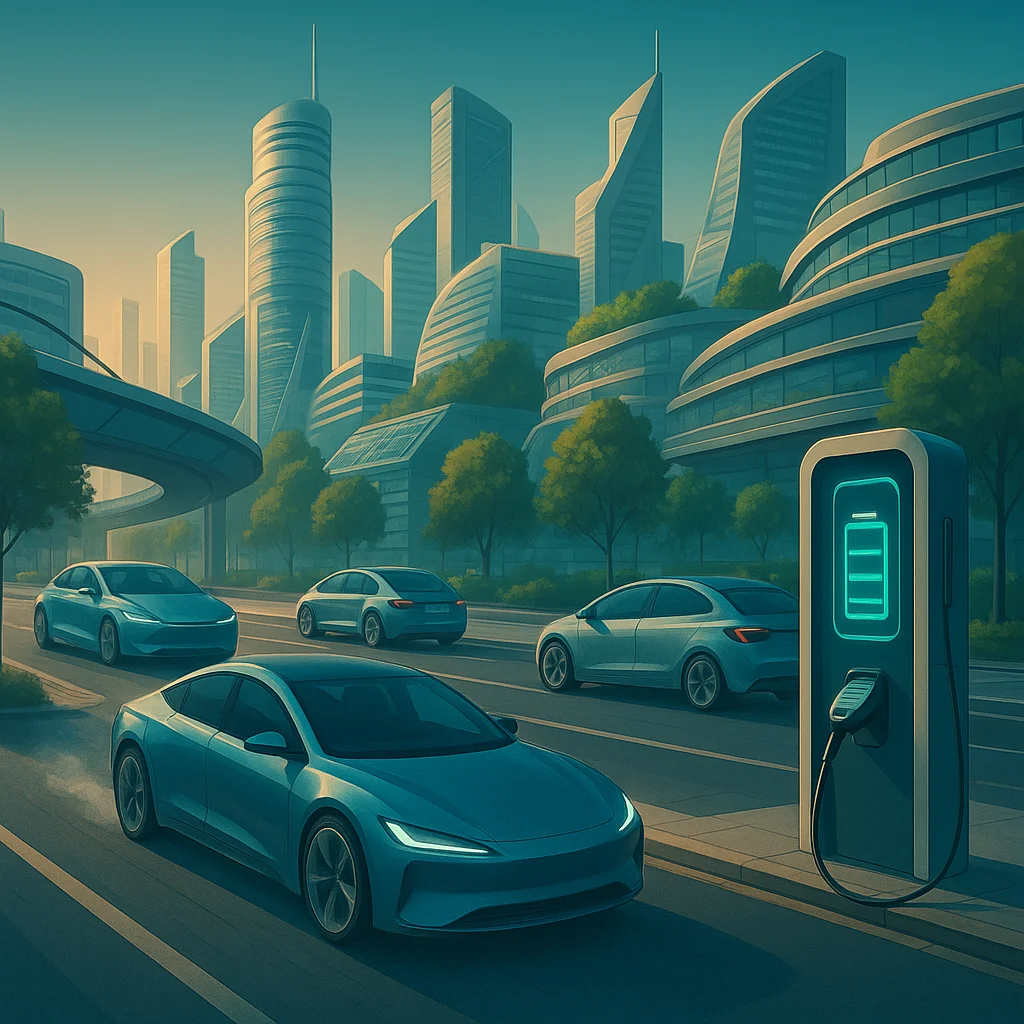
Moreover, the rise of renewables has a cascading effect on electric vehicles (EVs) and green hydrogen production, sectors critical for decarbonizing transportation and heavy industry. The synergy between clean energy generation and electrification is a key theme explored in our article on solar and wind energy companies’ contributions.
Looking Ahead: Future Trends and Strategic Imperatives
As 2026 advances, the trajectory of wind and solar capacity growth will hinge on several factors. Experts caution that while current expansion aligns with a 2°C warming scenario, achieving the more ambitious 1.5°C target requires accelerated deployment and innovation, according to analysis from MSN Weather.
Strategic priorities include:
- Scaling advanced manufacturing: To reduce costs and meet demand, expanding domestic and global manufacturing capacity is critical.
- Grid modernization: Enhancing transmission infrastructure and smart grid technologies to accommodate variable renewable generation.
- Energy storage development: Deployment of batteries, pumped hydro, and emerging storage technologies to address intermittency.
- Policy harmonization: Coordinated international policies to support cross-border renewable projects and carbon pricing mechanisms.
Furthermore, social acceptance and environmental stewardship are gaining attention as vital components of sustainable growth. Community engagement and minimizing ecological impacts will shape project approvals and long-term viability.
In the coming decade, hybrid systems combining solar, wind, and storage—building on the insights from our fixed offshore wind energy market forecast—are expected to become mainstream, offering resilience and efficiency.
“The future of clean energy lies in integrated solutions that combine multiple renewable sources with storage to create reliable, affordable power,” emphasizes Dr. Chen.
Investors, policymakers, and industry leaders must collaborate closely to ensure that wind and solar capacity growth not only continues but accelerates responsibly, securing a sustainable energy future for the planet.

































Sign in to leave a comment.