Introduction
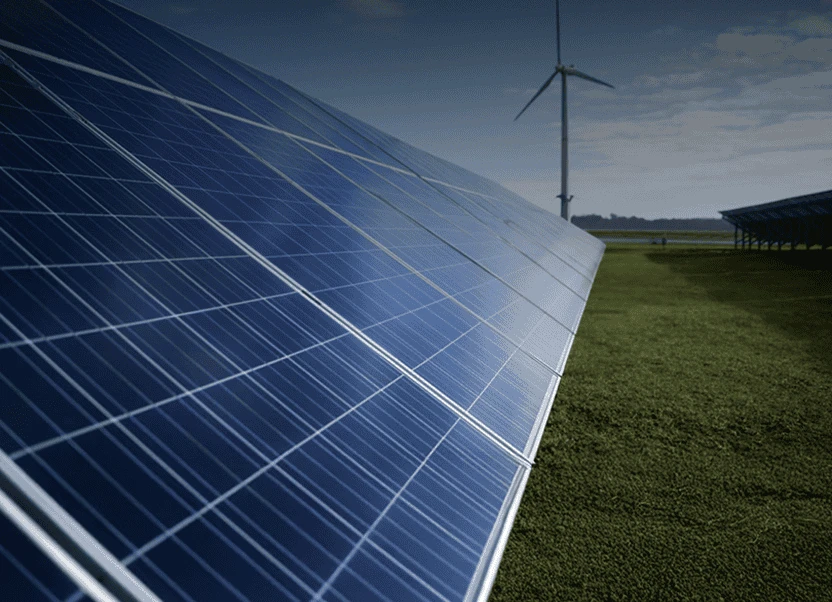
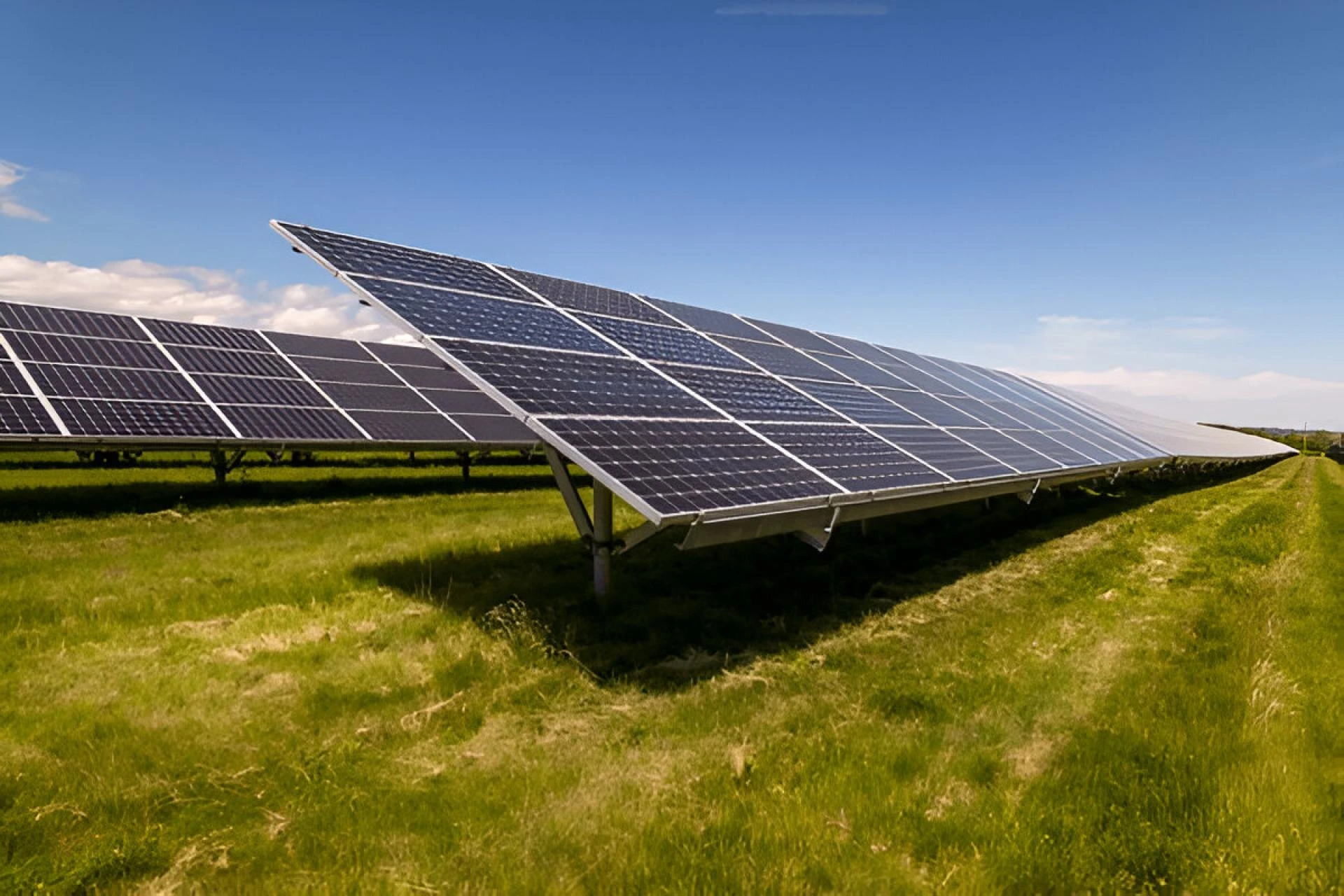
Look around any industrial zone in India or drive through the plains of Texas and you’ll see the signs of change. Solar panels reflecting the sun. Turbines turning in the wind. Both are central to Sustainable Energy Development. But the role of solar and wind energy companies is not the same. Sometimes they overlap, sometimes they compete, and often they complement each other.
Energy systems don’t run on ideals. They run on numbers, logistics, and practical choices. Comparing solar and wind is not about declaring a winner. It is about asking who provides reliable power, at what cost, and under what conditions.
Solar energy’s contribution
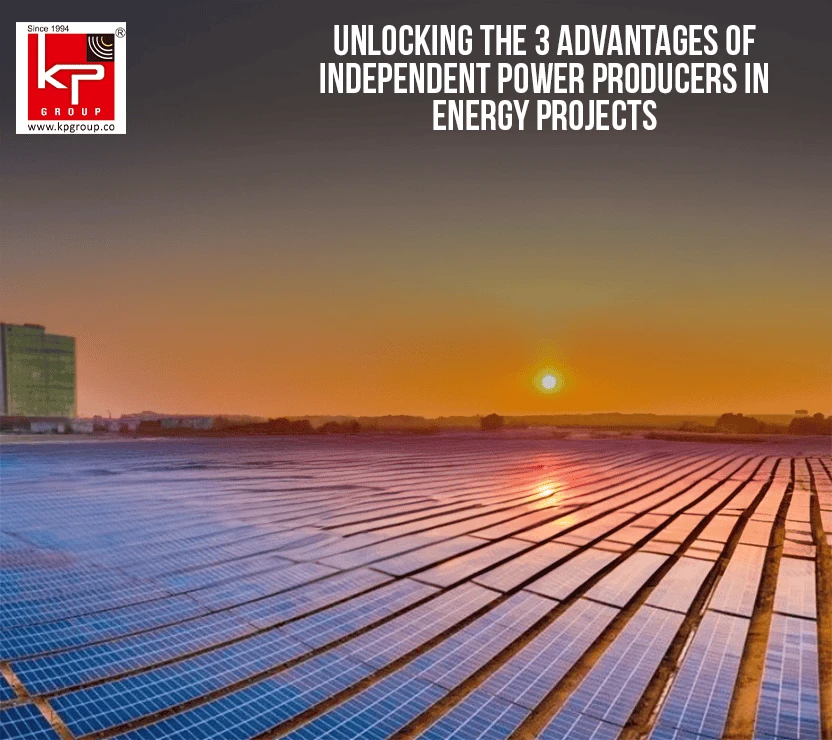
Solar has become the most visible option. Rooftops carry panels, and farmers lease land for solar farms. This spreads ownership, keeps generation closer to demand, and reduces transmission losses. Solar energy companies highlight independence from the grid and utilities.
Costs have fallen fast. Utility-scale solar is now often the cheapest power source. Plants can be built within months and need little maintenance compared to thermal power.
The problem is simple. Solar stops at night. Grids can’t pause, and large-scale storage is still costly. So solar adds a lot of daytime capacity but little after sunset. Sustainable Energy Development is not about one part of the day.
Some call solar unreliable because of this. That misses the point. Intermittency is a technical problem with technical solutions. But solar does depend on storage and backup. Without those, it cannot form the backbone of the system.
Wind energy’s contribution
Wind is less predictable. A cloudy day still has light, but a windless week produces almost nothing. Wind energy companies work with this risk. They spend years studying sites before building, and output still varies.
Wind often blows stronger at night, especially near coasts. That makes it a good match with solar. When the sun fades, wind can step in. It is not perfect, but it reduces reliance on fossil power.
Wind is different in scale. A turbine is a huge industrial machine. Communities sometimes resist them. Concerns range from bird migration to noise to local weather impacts. Wind is not free of effects.
Yet the contribution is large. Modern turbines power tens of thousands of homes. Offshore wind is even stronger and steadier, though expensive to build. Wind energy companies have taken risks here, and the results could shape coastal grids for decades.
The synergy we don’t talk about enough
The story of Sustainable Energy Development is not solar against wind. It is solar with wind. Each balances the weakness of the other. Together they make the grid cleaner without making it fragile.
But cooperation is hard. Solar and wind companies compete for land, subsidies, and influence. Utilities sign contracts one project at a time instead of planning whole systems. Policy can change that. Hybrid auctions, storage rules, and fair tariffs push companies to work together.
Hybrid projects already exist. In Gujarat and Spain, solar farms share land with turbines. Panels provide power in the day, turbines in the evening, and shared transmission lowers costs. That is Sustainable Energy Development in practice.
Investment realities
Clean energy investment follows returns, not ideals. Right now solar attracts more money. It is modular, predictable, and familiar to investors. Wind, especially offshore, has higher upfront costs and slower payback.
But long-term sustainability needs both. It also needs storage. Without that, grids will keep turning back to fossil plants when renewables drop. That is not real Sustainable Energy Development.
Final reflection
So who contributes more? Solar energy companies cut costs and opened access. Wind energy companies built large plants that anchor clean grids.
Neither option is perfect. Solar uses land. Wind changes landscapes. Both depend on minerals and global supply chains with their own issues. But both cut fossil fuel use, which is the real test.
The future will not choose one over the other. It will combine them. Solar in the day. Wind at night. Storage linking the two. Imperfect but necessary. That is the closest we get to real Sustainable Energy Development.







Sign in to leave a comment.