
Walk through any industrial belt in Gujarat and the role of power is obvious. Textiles, chemicals, ceramics, steel—the factories keep running day and night. They cannot afford to stop. Grid supply alone does not always meet their needs. High tariffs, uneven supply, and pressure to cut emissions push companies to look elsewhere. Captive power plants have become part of the answer, and Gujarat leads in this space.
Two decades ago, captive power was mostly backup. Today it is a planned choice. Companies use it for steady supply and for sustainability goals. Gujarat stands out because it has both a strong industrial base and serious clean energy plans.
Why Captive Power in Gujarat Took Off
Industry demand drives the story. Gujarat consumes a large share of India’s electricity, much of it for manufacturing. A short outage in Morbi’s tile factories or Ankleshwar’s chemical plants can mean losses worth lakhs. Many firms began setting up their own captive power plants. Some ran on gas when it was cheap, some on coal where it was available, and later on renewables.
The math was simple. Generate power at a stable cost instead of relying only on the grid. Over time, another factor grew stronger. Buyers abroad started asking about emissions. Exporters had to adapt. Cutting carbon was no longer optional.
Clean Energy Investment Changing the Game
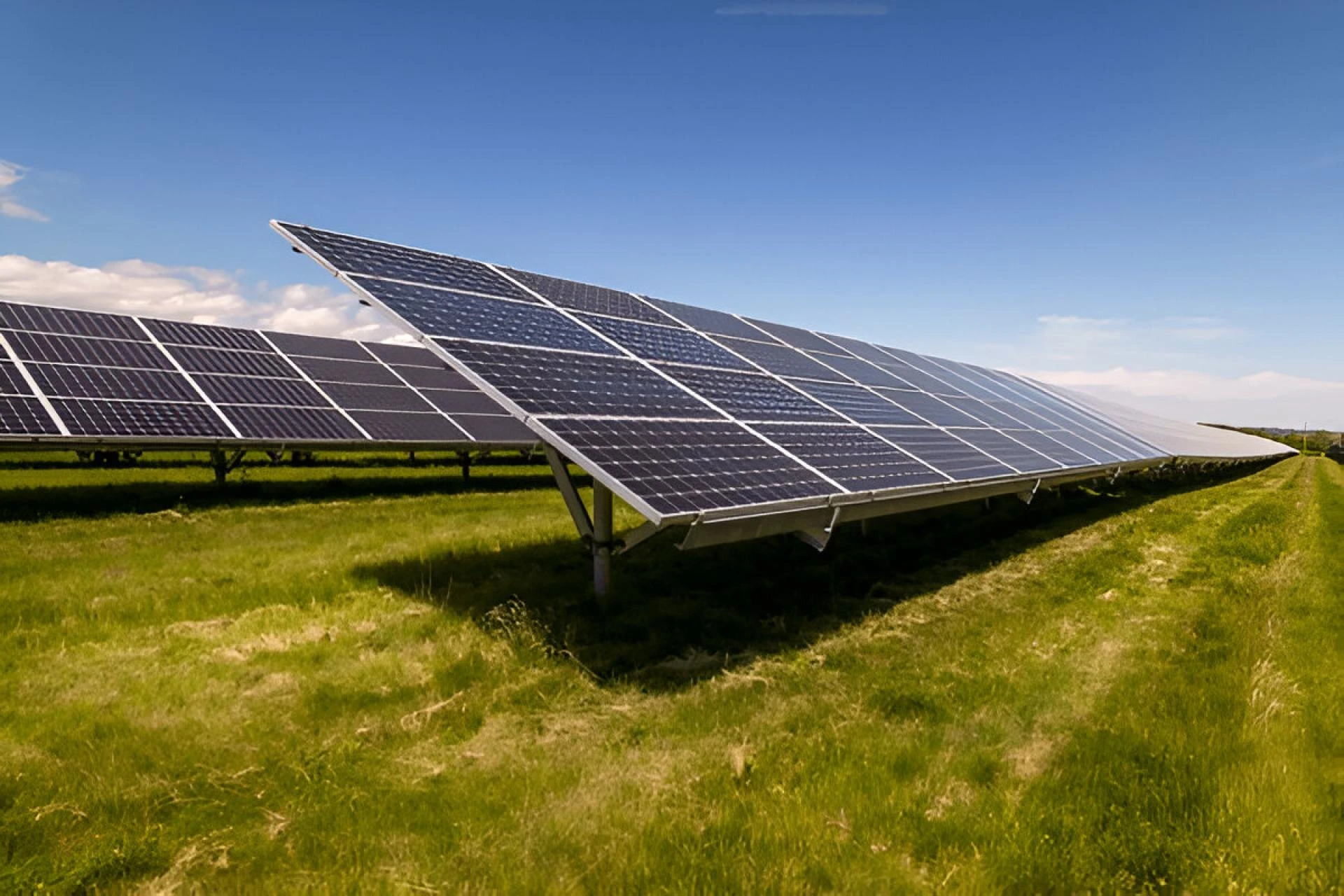
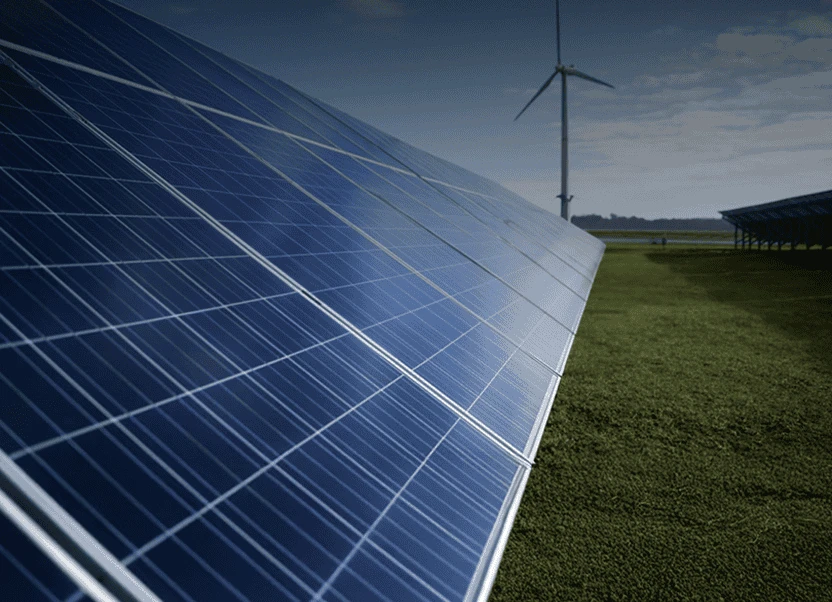
Captive plants were once seen as a way to escape high tariffs and rules. Now they are part of clean energy investment. Solar parks built for industrial clusters, hybrid projects mixing wind, solar, and storage, even biomass where farm waste is available.
These projects attract investors. Captive demand is steady, unlike grid-scale projects that depend on uncertain offtake. For example, a ceramic plant that signs a long-term solar power contract gives financiers confidence. Stable returns bring in more capital. Gujarat benefits from this and continues to draw new clean energy investment.
Not Just About Carbon
This shift is not only environmental. In Gujarat, sustainability also means reliable power. Factories cannot run on uncertain supply, even if it is green. Hybrid captive plants make sense here. Solar during the day, wind when available, balanced with gas or even limited coal to keep operations steady.
Some argue that fossil fuel backup should disappear. In practice it is not always possible. Better to have most captive power from renewable sources with a small share from fossil than to wait for a perfect system. That is how industries manage risk.
Gujarat’s Policy Advantage
Policy support matters. Gujarat has been more stable for captive developers compared to many states. Open access permissions, banking for renewable power, and fewer hurdles in approvals have helped.
Industries in other states often face policy changes that disrupt projects. One year net metering is allowed, the next year it is capped. Such changes stop investment. Gujarat is not free of issues, but it has provided a more predictable path. This is why industrial clusters here lead in captive clean energy.
Challenges We Don’t Talk About Enough
Growth brings strain. Land for solar near industrial zones is limited. Transmission lines cannot always handle wheeling from many projects at once. Then there is the question of cross-subsidies. If large industries leave the grid for captive power, who carries the burden of subsidizing agriculture and households? That pressure will rise.
Technology is another challenge. Battery storage is getting cheaper but remains costly. Biomass sounds good until the realities of collection and transport set in. Industries prefer simple solutions that do not add complexity.
These are not deal-breakers. They remind us that captive clean energy in Gujarat is a work in progress. Economics, policy, and technology pull in different directions.
Looking Ahead
Captive power in Gujarat will not fade. It will change shape. More hybrid setups. More digital controls such as AI-driven load management. More shared projects where industrial parks invest together.
Export markets will push the trend further. Europe’s carbon border rules will force exporters to show proof of low-carbon energy use. Clean energy investment in captive projects will shift from optional to necessary.
Captive plants began as a way to move away from grid dependence. They may now make Gujarat’s industries leaders in clean energy. Not because of design but because of need.
Final Thought
Most reports on India’s clean energy story focus on mega solar parks and wind projects. Those matter. But to see how change works at ground level, look at Gujarat’s industries. Captive power plants in Gujarat are balancing industrial demand with sustainability in ways that are messy, imperfect, and real.
That reality counts more than polished promises.

























Sign in to leave a comment.