When people talk about India’s renewable energy growth, Gujarat often comes up. Rajasthan too, with its large solar parks. Surat rarely gets mentioned, but the city is becoming an important base for solar EPC providers.
Why Surat? At first glance, it seems unlikely. Larger cities dominate energy discussions, while smaller ones depend on subsidies. But Surat has the right mix of industries, infrastructure, and local demand.
Surat is known for textiles and diamonds. Both industries run power-intensive operations day and night. Rising energy costs hit margins hard. A shift to solar helps cut those costs. That explains why EPC firms see steady business here.
The Local Demand Story
Surat’s factories consume huge amounts of electricity. Energy bills are one of their biggest expenses. Even small savings can make a difference.
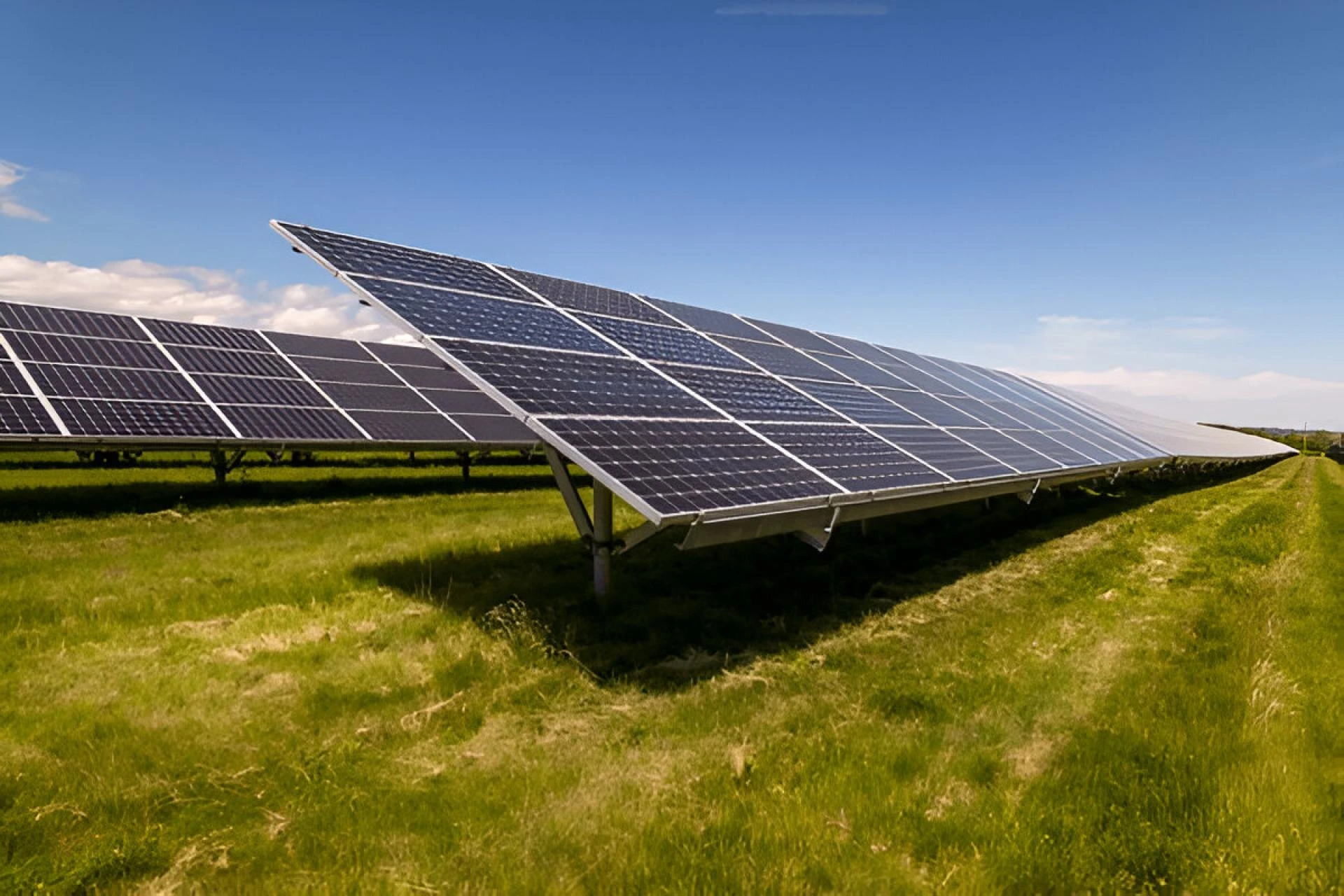
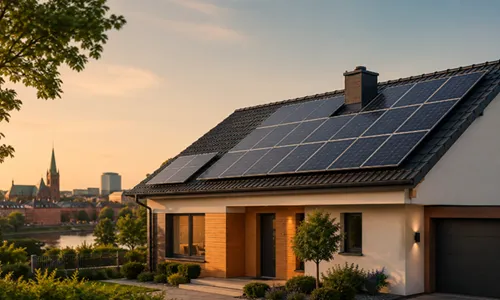
Rooftop solar systems are now common across the city. Industrial estates are setting up ground-mounted systems as well. Companies want complete solutions, not just panels. They expect design, procurement, installation, and long-term service from a Solar EPC Solution Provider in Surat.
In Surat’s business culture, word-of-mouth matters. When one factory reduces bills with solar, others follow. Referrals drive growth faster than advertising.
Why EPC Firms Love Surat
EPC firms benefit from the city’s logistics. Ports and highways make equipment transport easier. That shortens project timelines.
Engineering talent is available too. Technical colleges support a steady workforce. More importantly, there is a strong local tradition of small engineering firms. Many of these businesses are quick to adopt solar projects.
Policy support is another factor. Gujarat’s renewable policies are practical compared to many states. Net metering works reasonably well. Approval processes are simpler than in northern states.
The Independent Power Producer Angle
EPC providers are only part of the picture. Independent Power Producers (IPPs) bring in the investments needed for large projects. Some of the largest independent power producers are looking at Surat and nearby areas.
Industrial demand here is steady, unlike residential rooftop demand that rises and falls. Industries are willing to sign long-term power purchase agreements when the price is right. That makes projects more secure for investors.
Several EPC firms in Surat now partner with IPPs. Some have started offering build-own-operate models instead of only EPC contracts. This flexibility works well in a city with mature industrial buyers.
Beyond the Usual Narrative
Much of the clean energy conversation focuses on large solar parks or high-profile tenders. Surat’s growth is quieter. Dozens of EPC providers deliver small and mid-sized projects each month. The combined impact is significant.
This decentralized approach may look fragmented, but it is effective. If one project slows down, others still move forward. That creates stability in the local energy transition.
The Challenges Still Linger
Surat’s EPC market is not without problems. Module quality differs between suppliers. Financing is still hard to secure for small and medium firms. Regulatory changes can delay approvals.
There is also a shortage of senior engineers with experience in advanced system design and storage integration. Some EPC firms bring in outside consultants to fill the gap.
Competition is intense. Alongside serious firms, there are operators that cut corners. Buyers in Surat are careful, but poor service and weak after-sales support still occur.
Looking Ahead
Surat’s solar EPC sector is still growing. Its industries will need more power as they expand. Conventional sources will not be enough.
For EPC firms, this means more projects. For IPPs, a stable market. For Surat, an opportunity to be known for renewable energy as much as for textiles and diamonds.
The challenge is scale. Local firms will need to grow without losing quality. If they manage that, Surat could become one of the country’s most important solar hubs.
Surat’s growth may not look like the headline-grabbing mega parks, but the change on the ground is real. Step by step, the city is building its renewable future.





















Sign in to leave a comment.