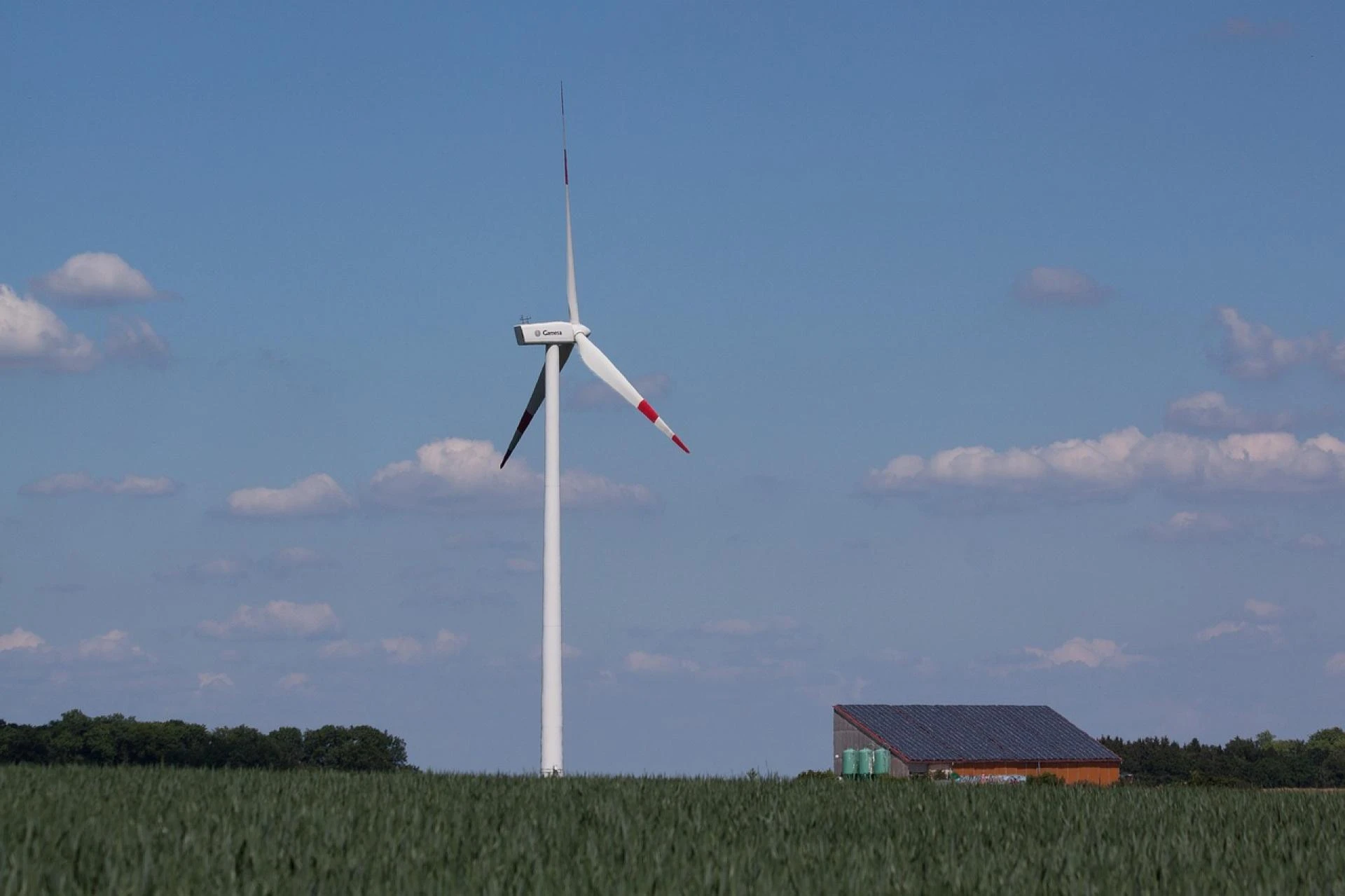

The first time I saw a solar plant struggle was not during a storm, but on a calm, cloudy afternoon. Output dipped. Operations slowed. A nearby wind turbine, however, was spinning steadily. That contrast explains why a solar wind hybrid system exists in the first place.
A solar wind hybrid system combines solar panels and wind turbines to generate electricity from two natural sources. When sunlight is low, wind often fills the gap. When wind drops, solar usually steps in. If you’re evaluating options from a Solar Wind Hybrid Company, this complementary behavior is the main value you’re paying for.
How a solar wind hybrid system actually works
The system starts with solar panels and wind turbines generating power independently. Both feed electricity into a hybrid controller. This controller acts like a traffic manager. It decides where the power should go based on demand and availability.
Sometimes electricity flows directly to your equipment. Other times it charges batteries for later use. In grid-connected projects, extra power can also be sent back to the grid.
I once reviewed data from a mid-sized industrial site where batteries covered nearly three hours of full load during an unexpected outage. No machines stopped. No alarms went off. That kind of quiet reliability only happens when generation and storage are designed together.
Why combining solar and wind works better
Solar output follows the sun. Wind follows weather patterns. They rarely peak at the same time. That’s an advantage.
During a coastal site visit, I noticed wind speeds rising after sunset, just as solar output dropped to zero. Over a month, wind supplied almost half the site’s nighttime energy. Diesel generators stayed idle for long stretches, which showed clearly in fuel logs.
Companies like KP Group design hybrid systems by studying real site data, not assumptions. Wind history, solar radiation, and actual load curves shape the system size. That’s why performance often matches projections closely.
Real-world applications you’ll recognize
Telecom towers in remote areas use hybrid systems to cut fuel transport. One project I examined reduced diesel consumption by more than 55 percent within the first year.
Manufacturing plants rely on hybrids to stabilize voltage for sensitive equipment. Even short power dips can damage machinery. Hybrid systems help avoid that.
Campuses, warehouses, and townships also adopt these systems to manage long-term energy costs. In one commercial setup, annual electricity bills dropped enough to shorten payback by nearly two years.
Why choosing the right company matters
Not every site needs the same mix of solar and wind. Poor design leads to unused capacity and higher costs. A capable Solar Wind Hybrid Company focuses on location-specific planning, not selling oversized hardware.
From what I’ve observed, KP Group emphasizes this balance across its renewable projects. Their approach shows that hybrid systems are not about chasing maximum output on paper, but about steady performance on the ground.
If you want renewable power that works beyond sunny afternoons or windy nights, a solar wind hybrid system offers a practical, proven solution that adapts to real conditions, not ideal ones.



























Sign in to leave a comment.