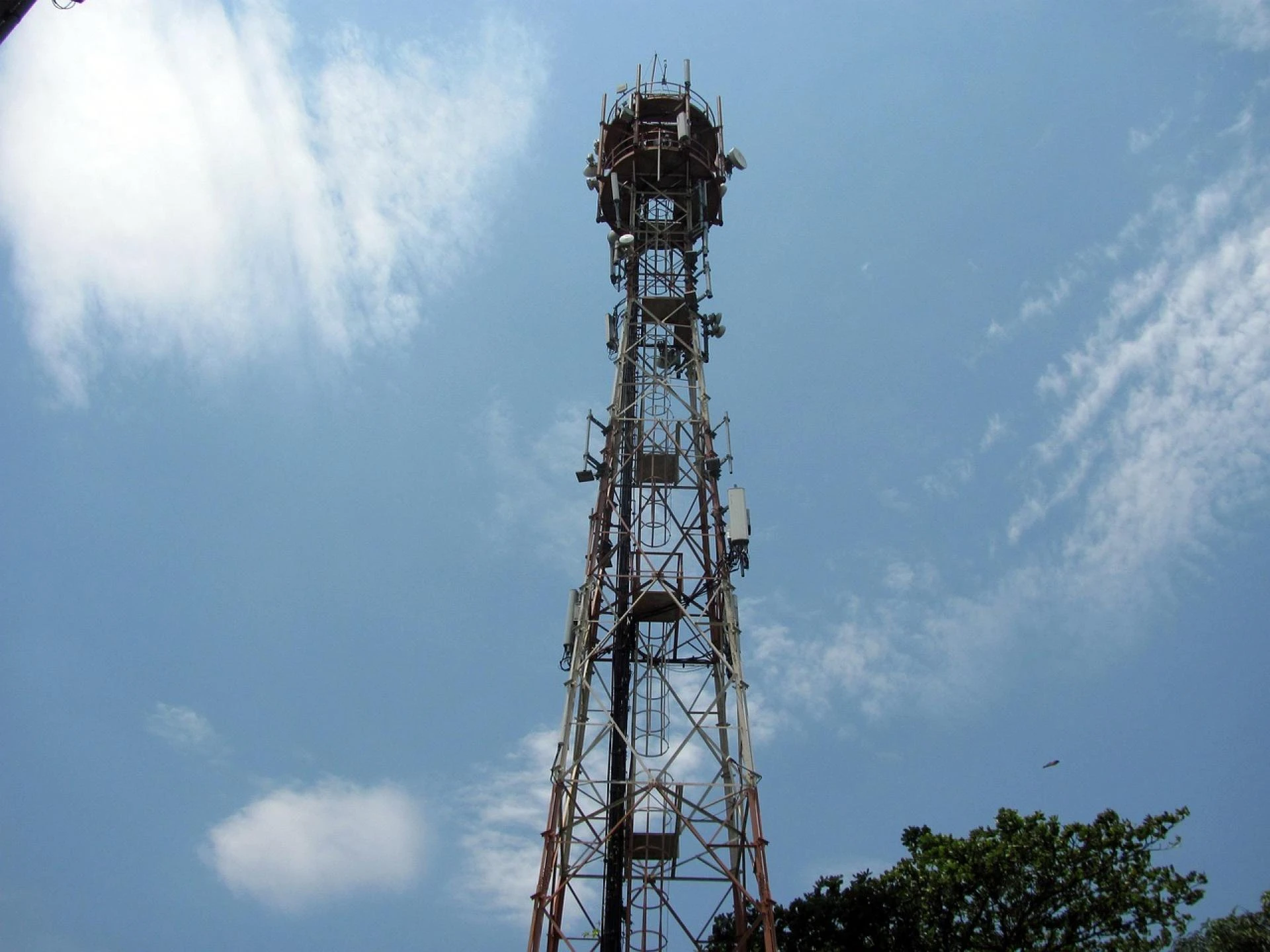

If you’ve ever stood next to a telecom tower at 2 a.m., listening to a diesel generator rattle through another power cut, you already know where operating costs quietly leak out. I still remember a site visit where the fuel truck was late, alarms kept firing, and every extra hour on diesel meant money gone. No theory. Just real loss.
Why Energy Costs Dominate Telecom Tower OPEX
For a telecom tower, energy is not a side expense. In many regions, it eats up 40–60% of total OPEX. Unreliable grids push operators toward diesel, and diesel brings fuel logistics, theft risk, and constant maintenance. On one rural cluster I reviewed, generators were running nearly eight hours a day. That wasn’t bad luck. It was bad energy planning.
When you look closely, most towers are not inefficient by accident. They are inefficient by design.
From Diesel Dependence to Smarter Hybrid Power
I once worked on a site where solar panels were proudly installed, but the batteries were too small to carry the night load. The generator still kicked in daily. After resizing the battery bank and adjusting charge settings, diesel runtime dropped by about 35%. Same tower. Same equipment. Different thinking.
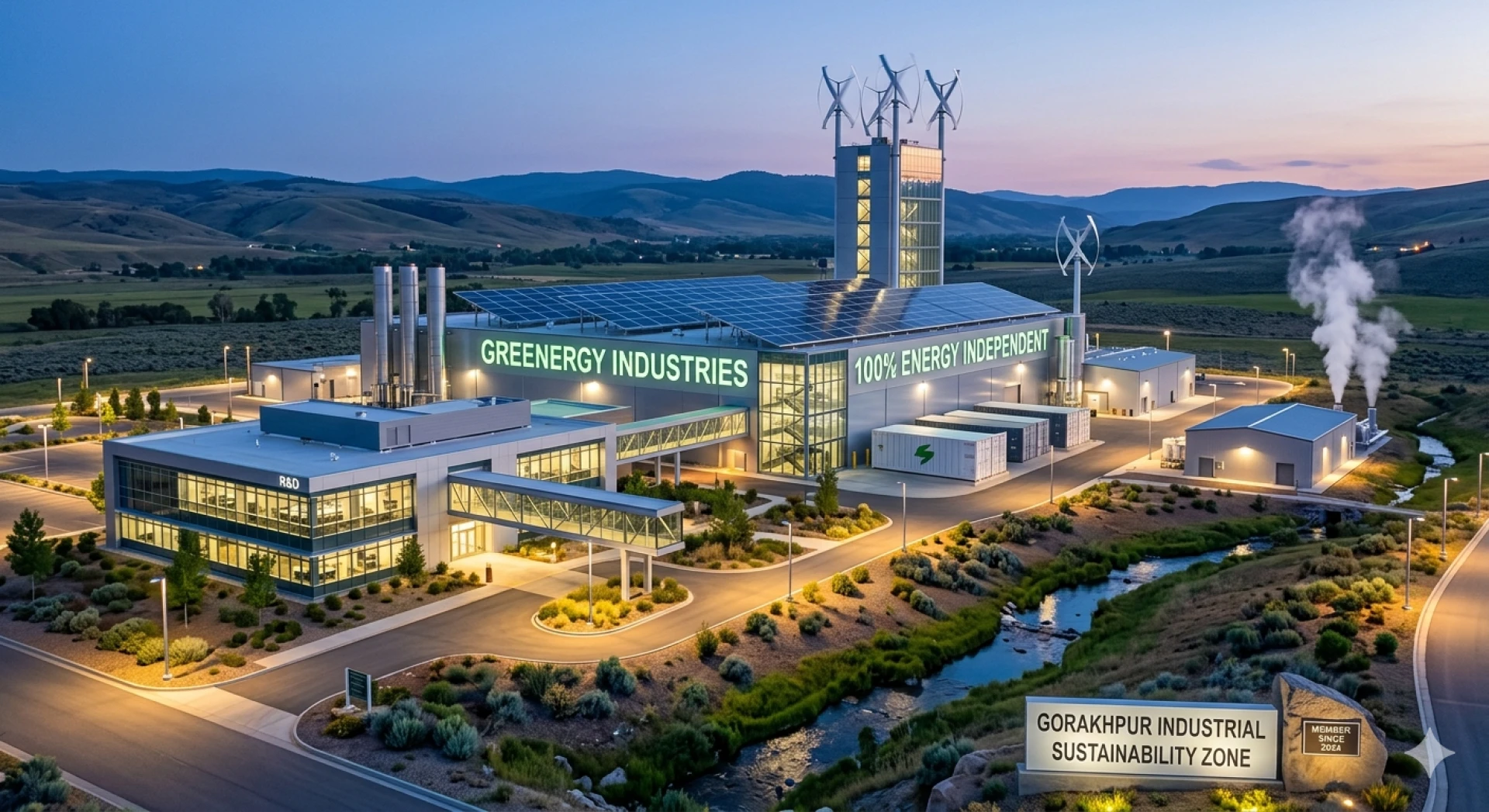
Hybrid systems solar, batteries, limited grid, and backup diesel work when they are designed for real load profiles. Companies like KP Green Engineering focus on this ground-level reality instead of one-size-fits-all setups that look good in reports but fail in the field.
Small Energy Fixes That Deliver Real Savings
Not every win needs new hardware. On an urban rooftop telecom tower, grid power was stable, yet monthly bills kept climbing. The issue was constant full-load operation, even during low-traffic hours. After adding remote monitoring and basic load scheduling, power use dropped by nearly 15%.
I’ve seen this pattern again and again. When you can see what’s happening at the site, you stop guessing. And guessing is expensive.
Meeting ESG Goals Without Inflating Costs
Lower diesel use means fewer emissions, but it also means fewer refueling trips and less generator wear. That’s where ESG and OPEX finally align. One multi-site rollout I observed paid back its energy upgrade costs in under three years. After that, the savings were pure margin.
From an ESG reporting angle, efficient telecom towers are easier to defend. Reduced CO₂ per site, longer battery life, and fewer generator hours speak louder than polished sustainability statements.
What This Means for You
If you manage telecom tower infrastructure, start simple. Audit real energy use. Fix battery sizing. Track diesel hours. Most savings hide in plain sight.
Once you experience a tower running through the night without generator noise, the business case becomes obvious. Lower costs. Lower emissions. Fewer headaches. That’s energy efficiency done right.



























Sign in to leave a comment.