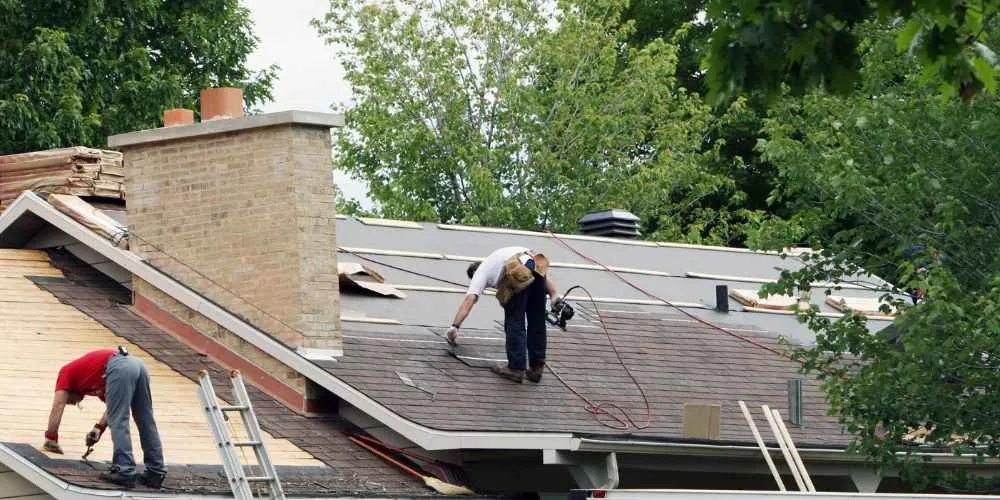

A damaged roof can quickly become one of the most expensive problems a homeowner faces. Whether caused by severe storms, strong winds, hail, falling tree limbs, or sudden leaks, roofing emergencies require immediate attention to prevent further damage to the home's structure and interior.
Many homeowners underestimate the impact of a small roof leak. However, water can travel beneath roofing materials, soak insulation, damage wooden decking, and create ideal conditions for mold growth long before visible signs appear inside the home. Acting quickly when roof damage occurs can help minimize repair costs and protect your property.
Common Roofing Emergencies
Not every roofing emergency involves major structural failure. Some of the most serious situations begin with relatively small issues that worsen over time. Homeowners should pay close attention to signs such as active water intrusion, missing shingles after a storm, damaged flashing, sagging roof sections, or visible holes caused by debris impact.
Storm-related roof damage is particularly common. High winds can loosen or remove shingles, while hail can weaken roofing materials and shorten the roof's lifespan. Even minor damage can leave vulnerable areas exposed to future water intrusion.
Warning Signs That Require Immediate Attention
Several warning signs indicate that emergency roof repair may be necessary:
- Water stains spreading across ceilings or walls
- Active dripping during rainfall
- Missing, cracked, or lifted shingles
- Soft or sagging sections of the roof
- Damaged flashing around vents and chimneys
- Musty odors in the attic
- Moisture near electrical fixtures
Ignoring these warning signs can allow damage to spread beyond the roof and affect insulation, drywall, flooring, and structural framing.
What To Do After Discovering Roof Damage
Safety should always come first. Homeowners should avoid climbing onto a damaged roof, especially after storms or during wet conditions. Instead, focus on reducing interior damage by placing containers under leaks and moving valuables away from affected areas.
Documenting the damage with photos and videos can also be beneficial for insurance claims. Capturing both interior and exterior damage provides valuable evidence when filing a claim for storm-related roof repairs.
The Importance of Professional Emergency Roof Repair
Professional roofing contractors do more than simply patch visible damage. A thorough inspection helps identify the true source of leaks, assess hidden moisture damage, and determine whether repairs or replacement will provide the best long-term solution.
Emergency roofing services often include temporary leak control, roof tarping, damaged shingle replacement, flashing repairs, and inspections of the underlying roof structure. Addressing these issues quickly can help prevent more extensive and costly repairs later.
When Roof Replacement Becomes the Better Option
In some situations, repairs may no longer be the most practical solution. Extensive storm damage, widespread deterioration, multiple recurring leaks, or significant structural issues can indicate that a roof replacement is the better investment.
A professional inspection can help homeowners understand the overall condition of their roof and determine the most cost-effective course of action.
Final Thoughts
Roofing emergencies rarely improve on their own. The longer damage remains untreated, the greater the risk of structural problems, interior water damage, and higher repair costs. Responding quickly to roof leaks, storm damage, and other urgent roofing issues can help protect your home and extend the life of your roofing system.
Originally Published: Emergency Roof Repair: The Ultimate Guide to Protecting Your Home

























Sign in to leave a comment.