

In modern real estate marketing, empty rooms often create a major challenge for buyers who struggle to imagine how a space will look when furnished and lived in. This is where AI Virtual Staging has become a transformative solution. By digitally furnishing vacant properties, it helps bridge the imagination gap and allows buyers to emotionally and visually connect with a space before making decisions. This technology has become a powerful tool for improving listing engagement and increasing the overall appeal of empty properties.
The Challenge of Empty Properties in Real Estate
Lack of Emotional Connection
Empty rooms can feel cold, uninviting, and difficult to relate to. Without furniture or decor, buyers may struggle to understand how a space can be used in daily life. This lack of emotional connection often reduces interest, even if the property has strong structural potential.
Difficulty in Understanding Scale
Without furniture, it can be hard for buyers to judge room size and proportions accurately. Spaces may appear smaller or larger than they actually are, leading to confusion. This uncertainty can discourage buyers from taking the next step in the decision making process.
How AI Virtual Staging Works
Digital Furniture Placement
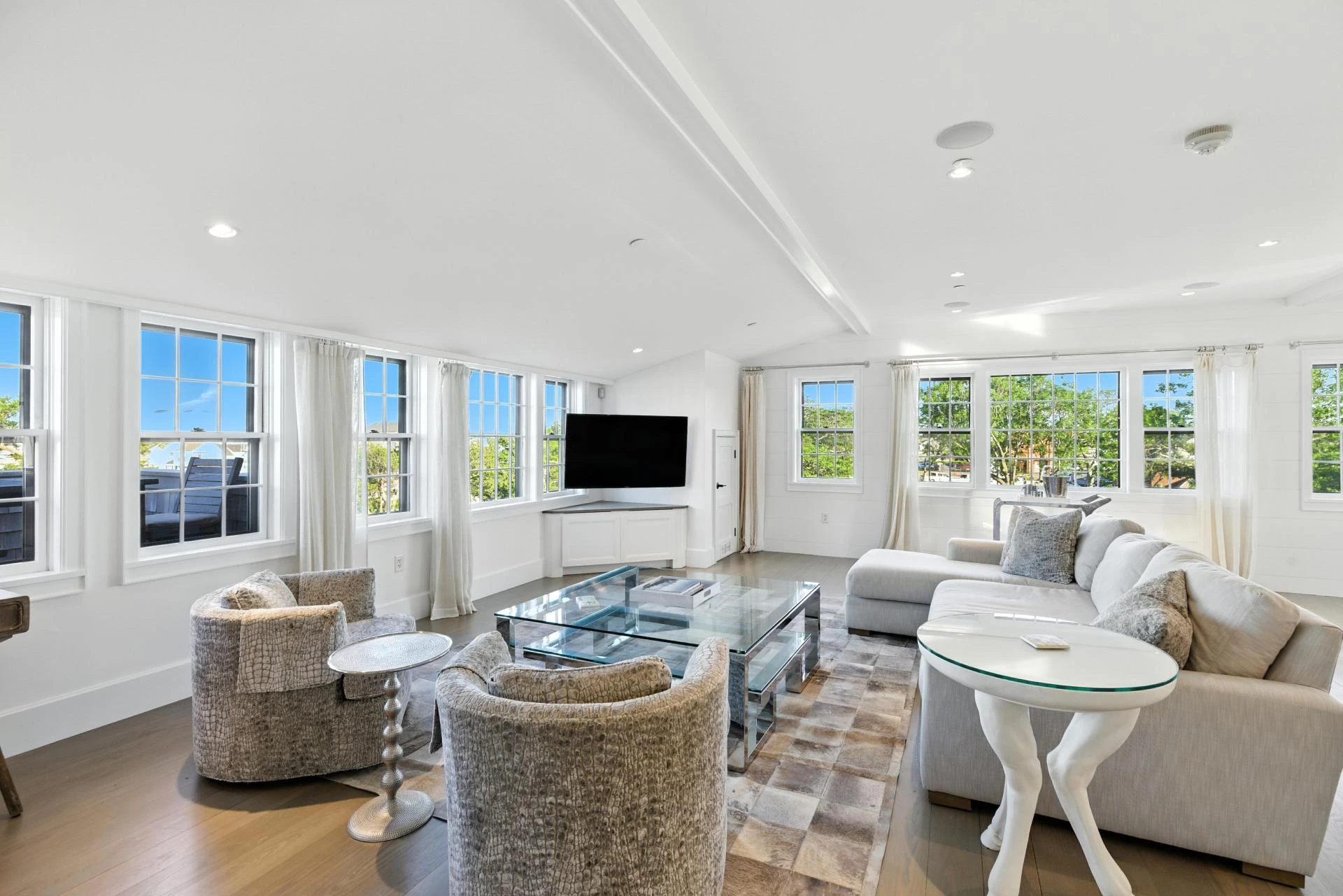
AI virtual staging uses advanced algorithms to insert realistic furniture into empty rooms. The system analyzes the room layout, lighting, and perspective before placing digitally rendered items such as sofas, beds, tables, and decor elements. This creates a fully furnished version of the space without physical staging.
Style Adaptation and Design Matching
Modern AI staging tools can apply different interior design styles, such as contemporary, minimalist, or luxury aesthetics. This allows real estate professionals to tailor the presentation based on target buyer preferences and market trends, making the listing more appealing to specific audiences.
Lighting and Shadow Integration
To ensure realism, AI systems adjust lighting and shadows so that virtual furniture blends naturally with the existing environment. This helps maintain visual consistency and prevents the staged elements from appearing artificial or disconnected.
Benefits of AI Virtual Staging for Real Estate
Improved Buyer Visualization
One of the biggest advantages of virtual staging is that it helps buyers clearly visualize how a space can be used. Furnished images make it easier to imagine daily living scenarios, improving emotional engagement and interest in the property.
Faster Decision Making
When buyers can clearly see a furnished version of a property, they are more likely to make quicker decisions. Virtual staging reduces uncertainty and helps streamline the decision making process, leading to faster inquiries and viewings.
Increased Online Engagement
Listings with staged images tend to attract more clicks and longer viewing times. Visually appealing interiors stand out on property platforms, helping listings gain better visibility and engagement.
Cost Effective Alternative to Physical Staging
Traditional home staging can be expensive and time consuming. AI virtual staging eliminates the need for physical furniture setup while still delivering visually compelling results, making it a cost efficient marketing solution.
Applications of AI Virtual Staging
Residential Property Listings
For residential homes, virtual staging helps buyers understand how bedrooms, living rooms, and dining areas can be arranged. This is especially useful for vacant properties that otherwise appear uninspiring.
Rental Properties
In rental listings, staged visuals help tenants visualize livability and functionality. This improves interest and helps properties rent faster.
Real Estate Development Projects
For new developments or under construction properties, virtual staging provides a preview of finished interiors, helping developers attract early buyers and investors.
Techniques Used in AI Virtual Staging
Space Recognition and Mapping
AI systems first analyze room dimensions, walls, and structural features. This ensures that furniture placement aligns accurately with the physical layout of the space.
Object Scaling and Proportion Adjustment
Furniture is scaled according to room size to maintain realism. This prevents overcrowding or unrealistic spacing that could mislead buyers.
Style Consistency Algorithms
AI ensures that all furniture and decor elements follow a consistent design theme. This creates visually harmonious interiors that look professionally staged.
Impact on Buyer Psychology
Enhancing Imagination and Lifestyle Appeal
Virtual staging helps buyers imagine how they would live in the property. This lifestyle visualization strengthens emotional attachment and increases interest.
Reducing Uncertainty
Empty rooms often create doubt about usability and layout. Staged visuals remove this uncertainty by clearly showing how spaces can function.
Building Emotional Confidence
When buyers see a well designed interior, they feel more confident about the property’s potential, which increases the likelihood of inquiry or purchase.
Limitations of AI Virtual Staging
Risk of Over Idealization
If staging is too polished or unrealistic, it may create false expectations. Maintaining a balance between enhancement and realism is essential.
Dependence on Room Accuracy
AI staging works best when input images are clear and properly aligned. Poor quality photos may reduce staging accuracy.
Lack of Physical Experience
While virtual staging is highly effective visually, it cannot replace the tactile experience of visiting a property in person.
Future of AI Virtual Staging
Real Time Interactive Staging
Future systems may allow users to change furniture styles in real time during virtual tours, offering a highly interactive experience.
Integration with Augmented Reality
AI staging may combine with augmented reality tools, allowing buyers to view furnished spaces through mobile devices or AR glasses.
Personalized Buyer Experiences
Advanced systems may analyze buyer preferences and generate customized staging styles tailored to individual tastes.
Final Thought
In an increasingly digital property market, helping buyers visualize space is essential for engagement and conversion. The use of AI Virtual Staging transforms empty rooms into appealing, livable environments that improve understanding and emotional connection. This technology plays a key role in modern real estate marketing, and businesses such as AutoHDR support this evolution by providing advanced visual enhancement solutions that help professionals present properties in a more compelling and buyer friendly way.





























Sign in to leave a comment.