
Pre-sale property campaigns require careful planning. Whether it is a new residential tower, a gated community, or a small housing project, developers must generate interest before construction is complete or before units are officially available.
At this stage, visuals carry much of the marketing weight. Buyers often rely on renderings, model units, and early-stage site photos. This is where real estate AI photo editing becomes a practical tool. It helps marketing teams prepare clear, consistent, and accurate visuals that support early buyer engagement.
Pre-sale marketing is about building trust before the final product is fully delivered.
Why Visual Quality Matters in Pre-Sale Campaigns
In pre-sale campaigns, buyers may not have access to finished interiors. They evaluate:
- Architectural renderings
- Sample unit photography
- Construction progress updates
- Community amenities plans
If visuals appear dark, uneven, or inconsistent, buyer confidence may weaken.
Using real estate AI photo editing, marketing teams can optimize brightness, balance color tones, and correct perspective issues while maintaining accurate representation.
Clear presentation supports informed decision-making.
Enhancing Architectural Renderings
Renderings are central to most pre-sale campaigns. They show what the final property will look like once completed. However, raw rendering files sometimes lack depth or natural lighting balance.
Through real estate AI photo editing, teams can:
- Improve lighting realism
- Enhance depth perception
- Adjust contrast levels
- Refine exterior sky balance
These adjustments make renderings easier to interpret without changing structural design elements.
Consistency across all renderings strengthens brand messaging.
Improving Model Unit Photography
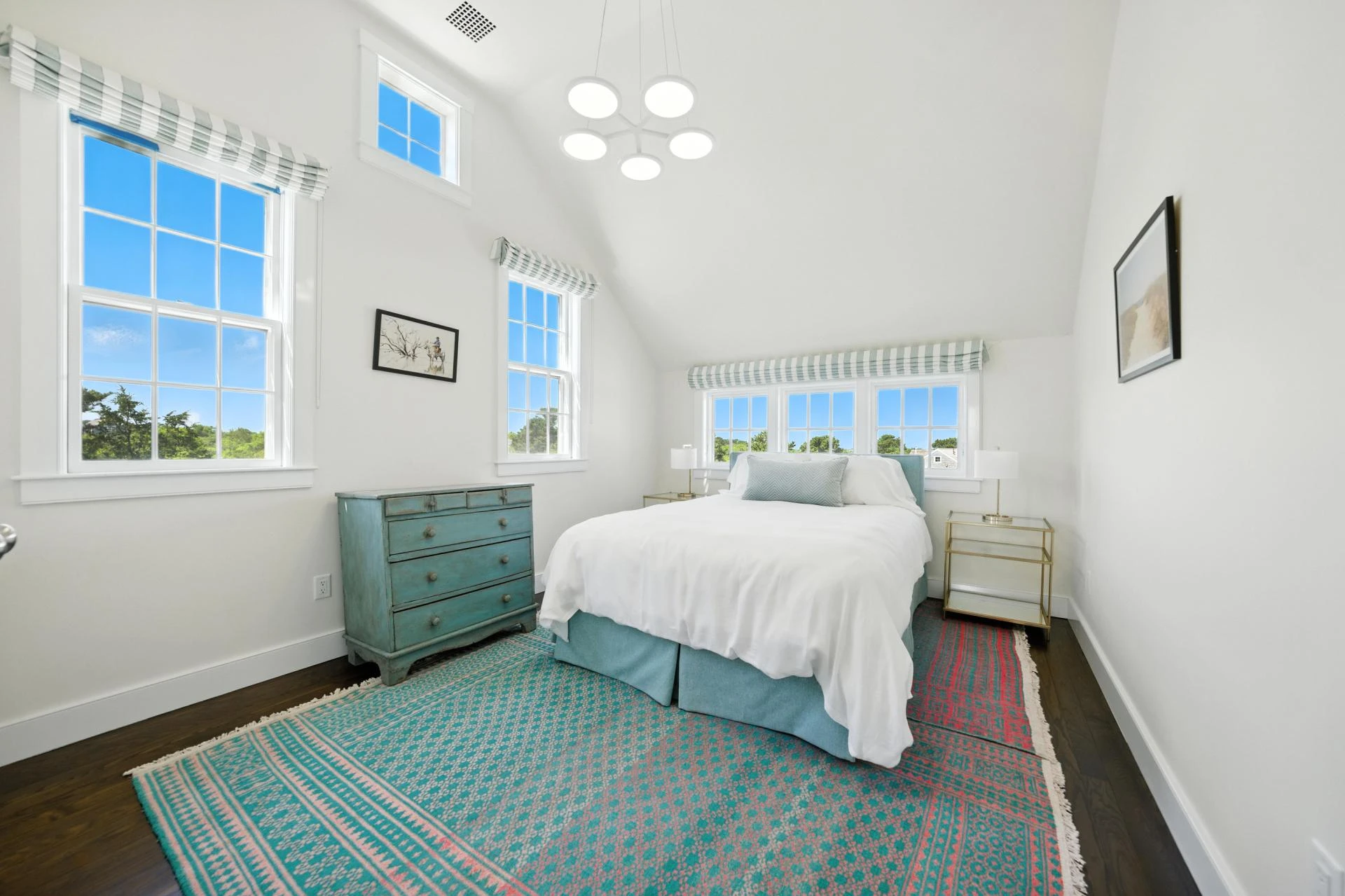
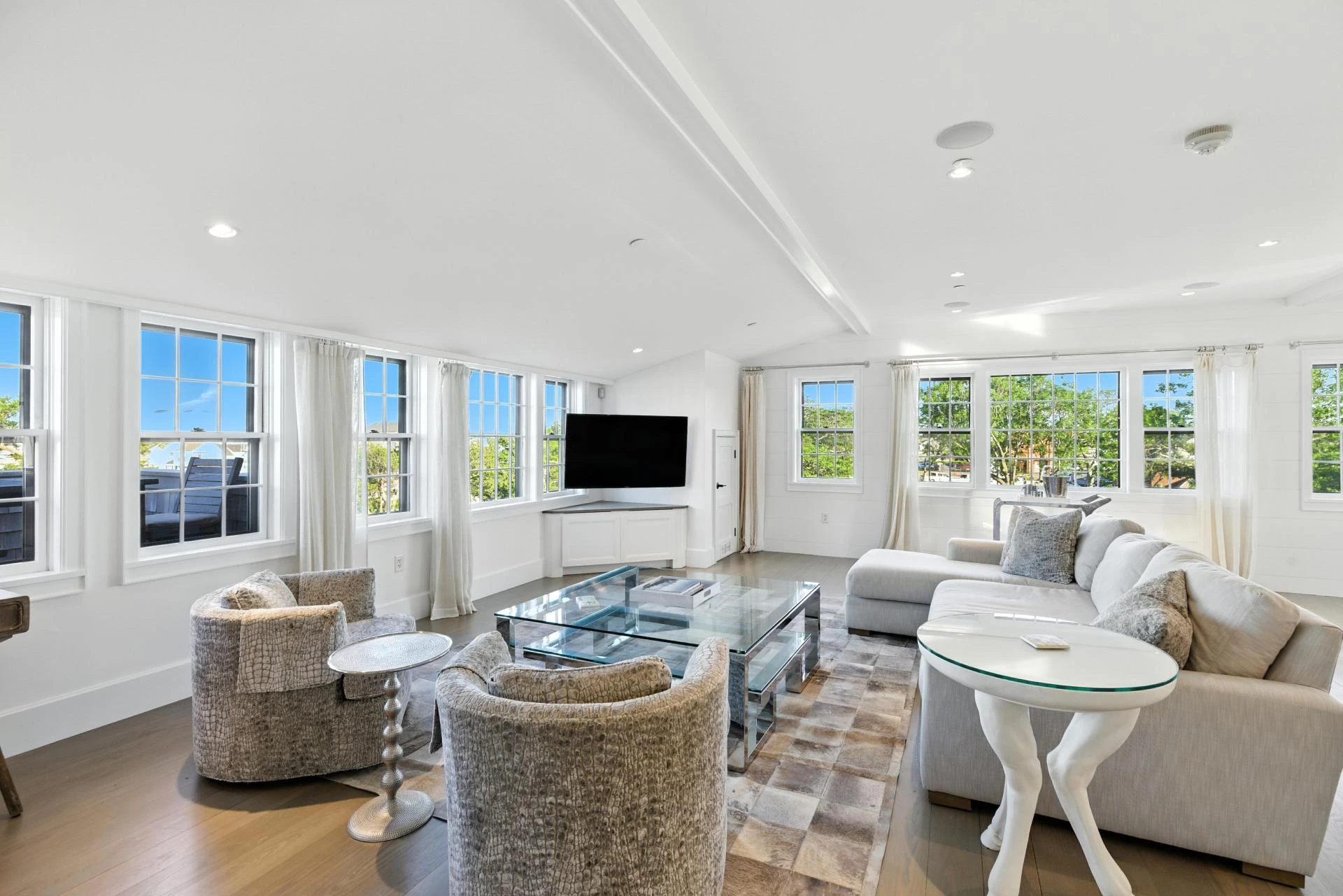
When developers prepare a model unit, the goal is to demonstrate layout and design quality. However, photography conditions may vary depending on the lighting and the space size.
Real estate AI photo editing helps correct:
- Mixed indoor lighting
- Window glare
- Shadow-heavy corners
- Slight camera distortion
These refinements improve clarity and help potential buyers understand room proportions more easily.
Accurate presentation builds credibility.
Supporting Multi-Channel Campaign Launches
Pre-sale campaigns often include:
- Dedicated landing pages
- Social media advertisements
- Email marketing sequences
- Digital brochures
- Investor presentations
To maintain visual consistency across channels, marketing teams rely on standardized editing workflows.
A structured real estate AI photo editing system ensures that images remain aligned in brightness, color balance, and framing across every platform.
Unified visuals strengthen campaign impact.
Accelerating Campaign Timelines
Pre-sale campaigns operate under tight timelines. Launch dates are often scheduled months in advance. Delays in preparing visuals can disrupt advertising plans.
By automating repetitive corrections, real estate AI photo editing reduces turnaround time. Marketing teams can prepare assets faster and move from design to launch more efficiently.
Speed supports coordinated marketing execution.
Faster preparation reduces campaign stress.
Maintaining Compliance and Transparency
Pre-sale marketing must remain accurate. Over-editing or exaggerating features can lead to buyer dissatisfaction later.
Responsible real estate AI photo editing focuses on:
- Lighting improvement
- Color correction
- Perspective alignment
It should avoid:
- Altering floor plans
- Changing structural elements
- Concealing incomplete construction details
Clear disclaimers for renderings and staged images protect long-term trust.
Transparency is essential in early-stage marketing.
Supporting Investor Confidence
Pre-sale campaigns often involve investor participation. Investors analyze both financial projections and visual presentations.
Images processed through real estate AI photo editing appear more organized and professional in pitch decks and offering materials.
Clear visuals improve presentation quality during capital raising discussions.
Professional documentation reflects disciplined project management.
Managing Large-Scale Developments
Large residential projects may include dozens or hundreds of unit types. Each unit variation requires updated visuals.
Batch processing through real estate AI photo editing allows teams to:
- Apply consistent presets
- Maintain uniform brightness
- Standardize exterior sky tones
Scalable editing supports multi-phase development and marketing.
Efficiency becomes more important as project size increases.
Optimizing for Mobile Buyers
Many pre-sale buyers discover projects through mobile devices. Small screens can make dark or unbalanced images appear worse.
AI-driven real estate AI photo editing ensures that visuals remain clear on smartphones and tablets.
Mobile-friendly presentation increases engagement and lead generation.
Digital optimization supports modern buyer behavior.
Measuring Campaign Performance
Developers can track the impact of improved visuals by analyzing:
- Landing page engagement
- Lead form submissions
- Social media click-through rates
- Inquiry volume
If campaigns using structured real estate AI photo editing workflows show stronger engagement, the value becomes measurable.
Data-backed decisions support future project launches.
Final Thoughts
Pre-sale property campaigns depend heavily on visual communication. Buyers and investors evaluate projects long before completion, making clear and accurate imagery essential.
By integrating real estate AI photo editing into marketing workflows, developers can enhance lighting, maintain consistency, and accelerate campaign preparation. When used responsibly and transparently, AI-powered editing strengthens buyer confidence and supports successful early-stage property sales.




























Sign in to leave a comment.