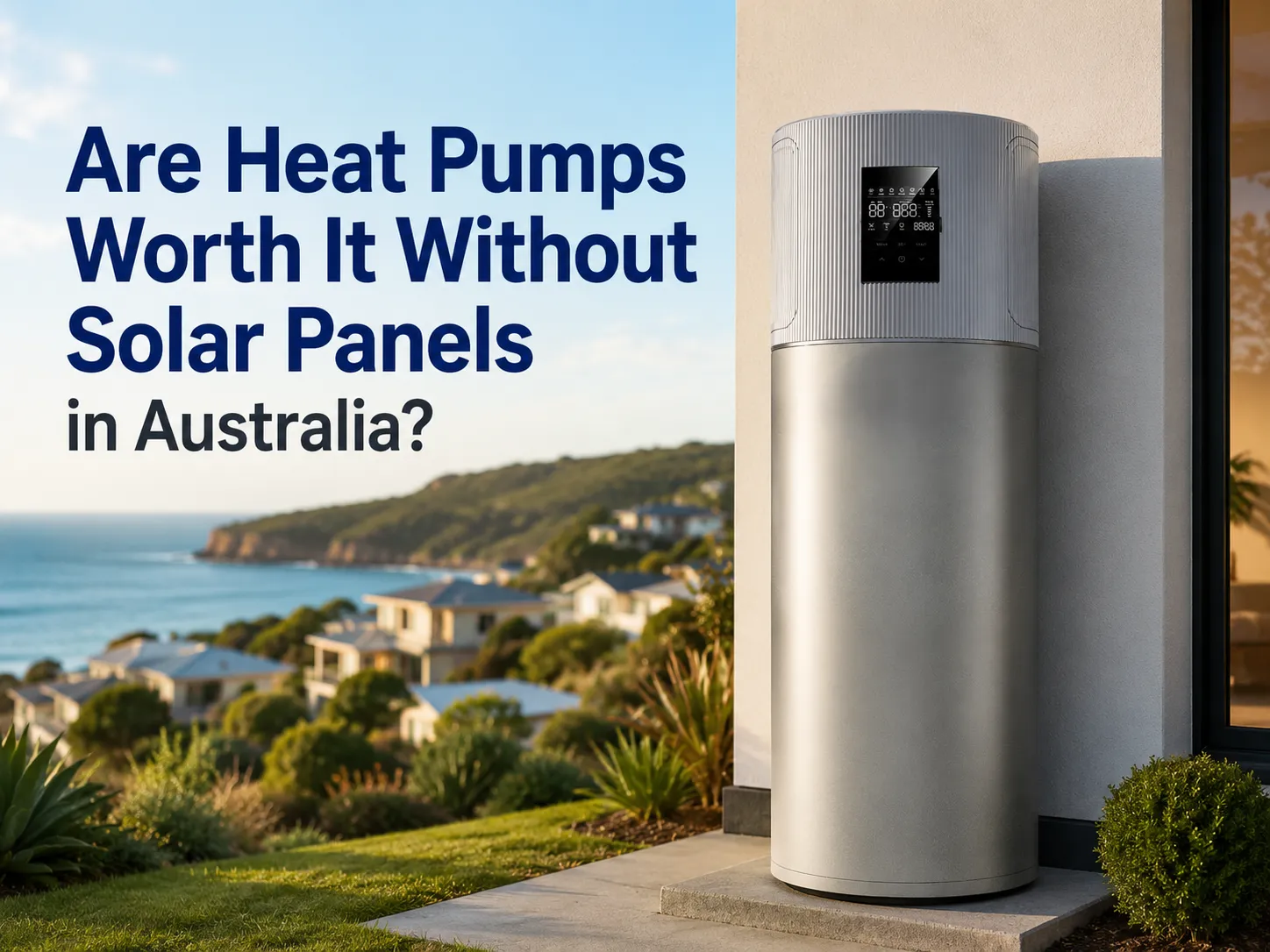

Many Australian homeowners assume that heat pumps only make sense if the house already has solar panels installed. While solar can certainly improve overall energy savings, a modern heat pump system can still reduce electricity usage significantly even without rooftop solar.
In fact, many households are now upgrading to a Hot Water Heat Pump purely to lower running costs, improving efficiency, and replacing ageing electric systems that consume too much power every day.
Why More Australians Are Looking Beyond Solar
Solar panels remain a popular option across Australia, but not every home is ready for a full solar setup. Some homeowners deal with shaded roofs, older properties, apartment living, or budget limitations that make immediate solar installation difficult.
Others simply want to lower electricity bills first before investing in larger energy upgrades.
That’s one reason heat pumps have become increasingly popular. They offer a practical way to improve household energy efficiency without needing major changes to the property.
How Heat Pumps Save Energy Without Solar
Traditional electric hot water systems create heat directly through electricity, which uses a large amount of power throughout the day. Heat pumps work differently.
Instead of generating heat entirely on their own, they pull warmth from the surrounding air and transfer it into the water tank. This process uses far less electricity while still delivering reliable hot water for everyday household use.
Even without solar panels, many households notice:
- Lower electricity consumption
- More stable hot water performance
- Reduced strain on household energy usage
- Better long-term efficiency compared to older systems
For homes currently relying on ageing electric storage tanks, the improvement can be substantial.
Lower Running Costs Still Make a Big Difference
One of the biggest misconceptions is that heat pumps only become cost-effective when paired with solar power. In reality, their efficiency alone is often enough to create noticeable savings over time.
Since hot water heating is one of the largest contributors to household electricity usage in Australia, reducing the energy required to heat water can make a meaningful difference to monthly bills.
This is especially true for families with higher daily hot water demand.
Heat Pumps and Solar Work Well Together — But They Don’t Depend on Each Other
While heat pumps operate efficiently on their own, they also integrate well with future energy upgrades. Many homeowners choose to install a heat pump first, then later explore solar improvements once their energy usage becomes easier to manage.
Some households also begin researching options like adding battery to existing solar system setups after improving overall household efficiency through better hot water technology.
This step-by-step approach often makes energy upgrades more manageable financially while still reducing electricity consumption along the way.
Australia’s Climate Supports Heat Pump Efficiency
One reason heat pumps perform well across Australia is the country’s generally favourable climate conditions. Most regions provide enough ambient warmth for efficient operation throughout the year.
Unlike older systems that rely heavily on direct electrical heating, heat pumps maintain efficiency by transferring available heat from the surrounding air. This makes them suitable for a wide range of Australian homes, even without rooftop solar support.
A Smarter Upgrade for Older Homes
Many homeowners start considering heat pumps after noticing signs that their current hot water system is no longer performing efficiently. Rising energy bills, inconsistent water temperatures, strange noises, or slow recovery times are often early indicators that an older system is working harder than it should.
Upgrading to a modern heat pump provides a long-term solution focused on efficiency rather than simply replacing outdated technology with another high-consumption system.
At HiTech Hot Water, many customers choose heat pumps because they want a practical way to reduce household energy usage without immediately committing to a full solar installation.
Are Heat Pumps Worth It Without Solar?
For many Australian households, the answer is absolutely yes.
A properly installed heat pump can still deliver:
- Significant energy savings
- Reliable year-round hot water
- Lower running costs
- Improved household efficiency
- Reduced electricity consumption compared to traditional systems
Solar panels can further improve those savings later, but they are not essential for a heat pump to perform effectively.
Conclusion
Heat pumps are proving to be one of the most practical energy-efficient upgrades for Australian homes, even without solar panels. By using far less electricity than traditional hot water systems, they help households reduce running costs while maintaining reliable everyday comfort.
For homeowners looking to improve efficiency without taking on a full solar project immediately, upgrading to a heat pump can be a smart and realistic first step toward lower energy usage and better long-term savings.
























Sign in to leave a comment.