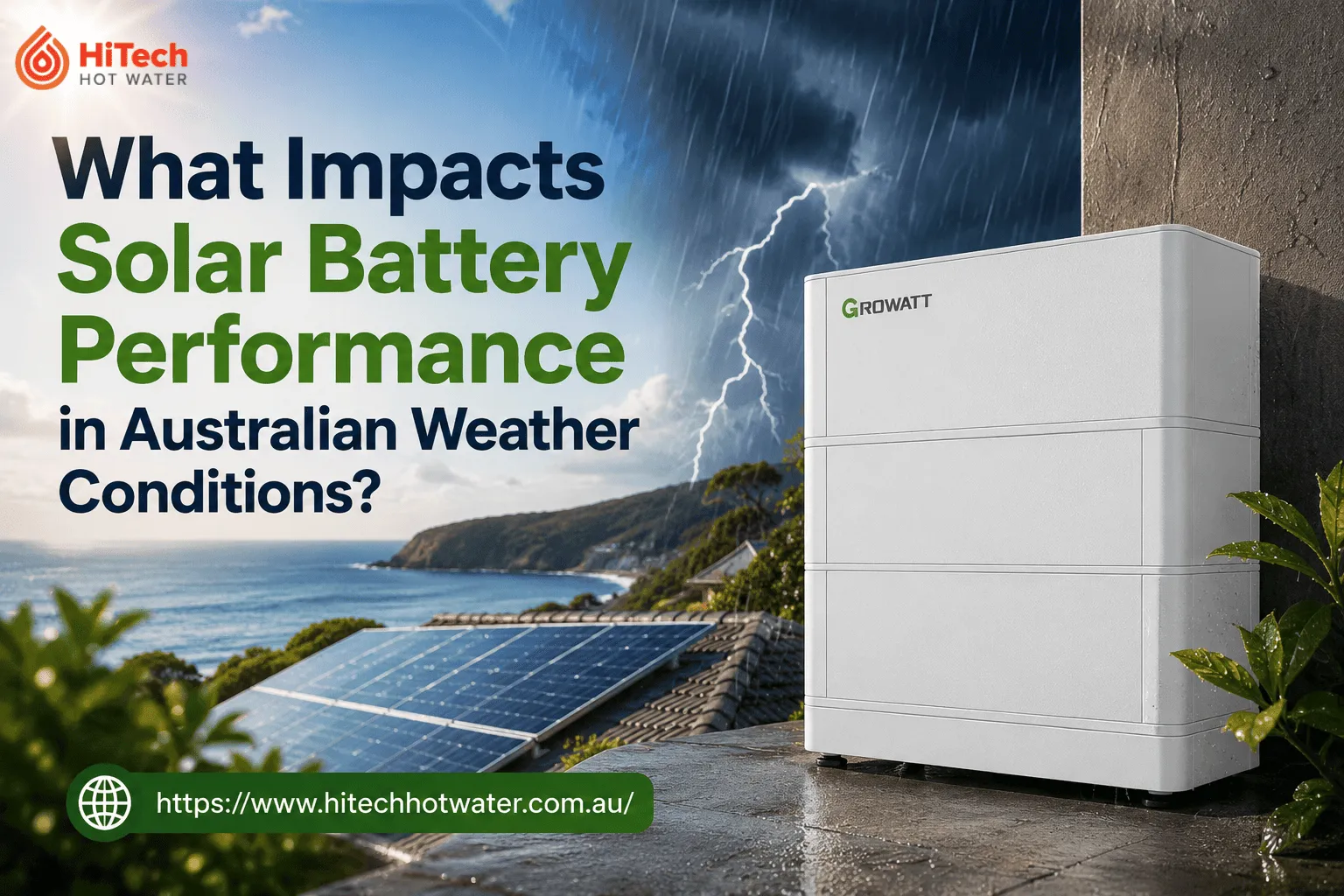

As more Australian households invest in solar energy, batteries are becoming an important part of the conversation. A solar battery allows homeowners to store excess solar energy generated during the day and use it when the sun is no longer shining. However, many people are surprised to learn that weather conditions can have a direct impact on battery performance, efficiency, and long-term lifespan.
Australia experiences a wide range of climates, from the tropical humidity of Queensland to the cooler regions of Tasmania and the coastal conditions found across much of the country. Understanding how weather affects battery performance can help homeowners get the most from their investment and make better energy decisions.
Temperature Plays a Bigger Role Than Most People Realise
One of the biggest factors affecting battery performance is the temperature. While solar panels often thrive under strong sunlight, batteries perform best within specific operating temperature ranges.
During extreme Australian summers, prolonged exposure to high temperatures can reduce battery efficiency and gradually accelerate wear on internal components. Excessive heat may also cause batteries to charge and discharge less effectively, impacting overall energy storage capacity over time.
On the other hand, very cold conditions can temporarily reduce battery performance by slowing down chemical reactions inside the battery cells. While this is generally less of a concern in most parts of Australia, it can still affect households located in cooler regions.
Proper installation location and ventilation are essential to maintaining stable operating conditions throughout the year.
Humidity and Coastal Conditions Matter Too
Many Australian homes are located near the coast, where salt air and humidity are common environmental factors. While modern battery systems are designed with weather protection in mind, constant exposure to moisture and corrosive conditions can impact external components if systems are not installed correctly.
This is one reason homeowners often seek guidance from experienced providers such as HiTech Hot Water when planning energy-efficient home upgrades. Selecting suitable installation locations helps protect equipment and maximize long-term reliability.
For households already focused on reducing electricity consumption, combining battery storage with other efficient technologies such as a Hot Water Heat Pump can further improve overall energy performance throughout the home.
Sunlight Availability Influences Battery Charging
Although batteries store energy, they still depend on solar panels to generate that energy in the first place. Weather conditions that reduce solar production will naturally affect how much energy can be stored.
Factors that may reduce solar generation include:
- Extended cloudy periods
- Heavy rainfall
- Storm activity
- Seasonal daylight changes
- Dust and debris accumulation on panels
When solar production decreases, batteries may not reach full charge capacity as frequently. This doesn’t mean the battery is malfunctioning; it simply reflects the available solar energy being produced at that time.
A well-designed solar battery system should be sized appropriately for local weather conditions, household energy usage, and seasonal variations to ensure consistent performance throughout the year.
Installation Location Can Affect Long-Term Results
Battery performance is influenced not only by weather but also by where the battery is installed. Batteries exposed directly to sunlight, enclosed in poorly ventilated areas, or placed in locations prone to flooding may experience unnecessary stress.
Australian installers commonly recommend shaded, well-ventilated areas that protect the battery from direct environmental exposure while maintaining accessibility for maintenance and inspections.
Proper installation can contribute significantly to preserving battery efficiency and extending operational life.
Seasonal Energy Usage Patterns Also Impact Performance
Weather conditions influence household energy consumption as much as they influence energy production.
During summer, air conditioning demand increases substantially. In winter, households may use more heating and hot water. These shifts can affect how quickly stored battery energy is used each day.
Many homeowners improve energy management by combining battery storage with efficient appliances and technologies. For example, pairing battery storage with a Hot Water Heat Pump allows households to reduce overall electricity demand while making better use of stored solar energy.
This integrated approach often delivers greater long-term value than relying on a single energy-saving solution alone.
Battery Technology Continues to Improve
Modern battery systems are far more advanced than earlier generations. Manufacturers continue to develop technologies that improve temperature management, charging efficiency, and durability under Australian conditions.
Many newer batteries include:
- Advanced thermal management systems
- Smart energy monitoring
- Automatic performance optimisation
- Weather-resistant enclosures
- Enhanced battery chemistry for longer lifespan
These improvements help minimise the impact of weather-related challenges while providing more reliable energy storage for homeowners.
Getting the Best Performance from Your Solar Battery
While weather conditions cannot be controlled, homeowners can take several practical steps to optimise battery performance:
- Keep solar panels clean and unobstructed
- Schedule periodic system inspections
- Ensure adequate ventilation around battery units
- Monitor energy production and usage patterns
- Work with qualified installers when upgrading or expanding systems
A properly designed and maintained battery system is better equipped to handle Australia’s diverse climate conditions while continuing to deliver reliable energy storage year after year.
Conclusion
Australian weather conditions can influence solar battery performance in several ways, including temperature fluctuations, humidity, seasonal sunlight changes, and household energy demand. Understanding these factors helps homeowners set realistic expectations and make informed decisions when investing in renewable energy solutions.
With proper installation, quality equipment, and ongoing maintenance, a modern solar battery system can provide dependable energy storage across a wide range of Australian climates. Combined with efficient technologies such as a Hot Water Heat Pump, homeowners can build a more resilient and energy-efficient home while reducing reliance on traditional electricity sources.



























Sign in to leave a comment.