

With electricity prices remaining a major concern for Australian households, more homeowners are looking beyond solar panels and considering battery storage. One of the biggest questions people ask before investing is simple: how long does it take for a solar battery to pay for itself?
The answer depends on several factors, including your electricity usage, battery size, location, and energy rates. However, with rising power costs and improving battery technology, payback periods are becoming more attractive than they were just a few years ago.
Let’s look at what influences solar battery payback in Australia and what homeowners can realistically expect today.
Understanding Solar Battery Payback
Solar battery payback refers to the amount of time it takes for the savings generated by your battery system to equal the initial investment cost.
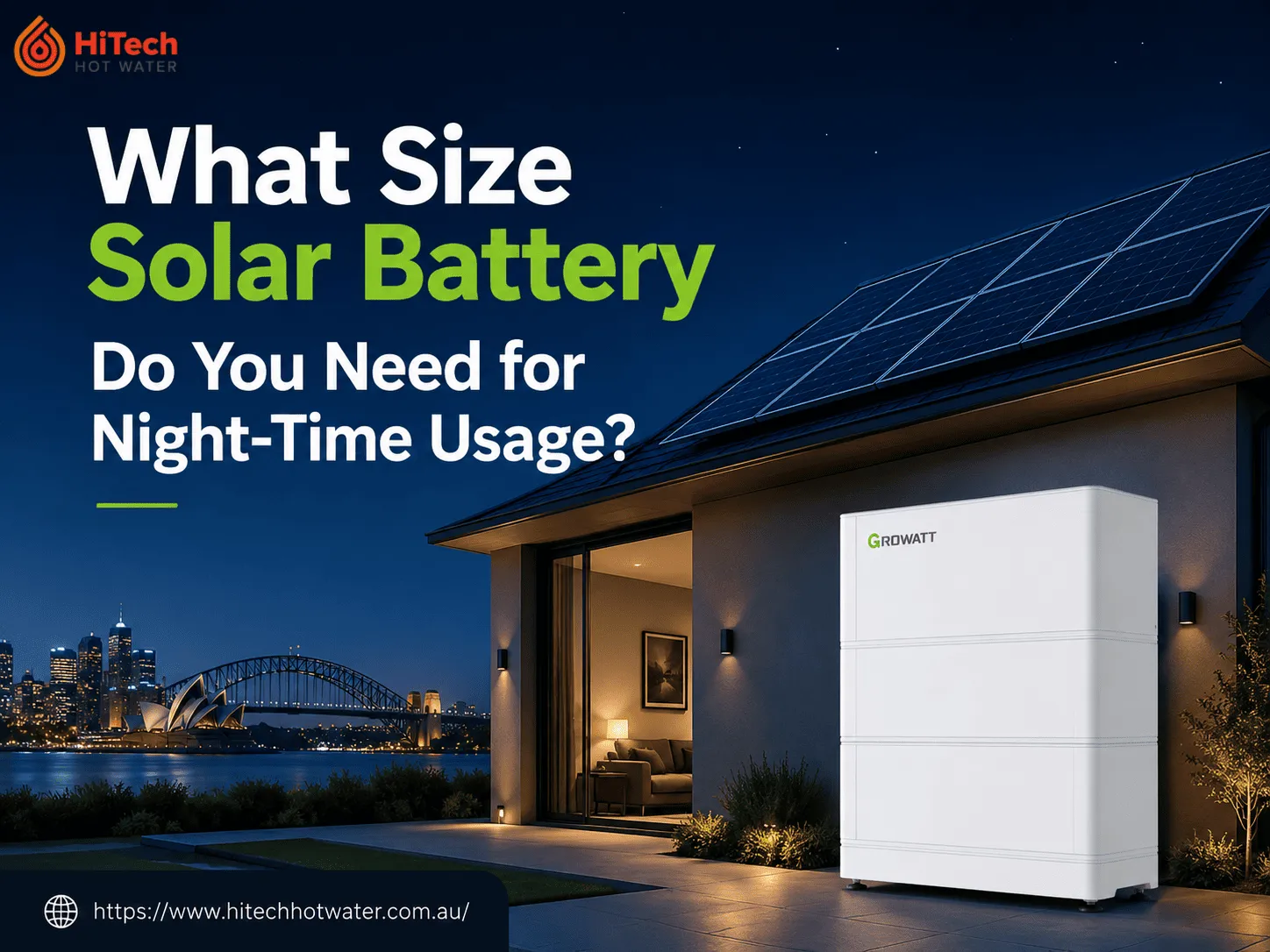
A battery helps you store excess solar energy produced during the day and use it later when the sun goes down. Instead of buying electricity from the grid during peak evening hours, you’re using the energy you’ve already generated yourself.
The more grid electricity you can avoid purchasing, the faster your battery can pay for itself.
What Is the Average Payback Period in Australia?
For most Australian households, solar battery payback currently falls between 7 and 12 years.
Several years ago, battery payback periods were often much longer due to higher equipment costs and lower electricity prices. Today, the situation has changed significantly.
Many homeowners are seeing improved returns because:
- Electricity prices have increased across many states
- Battery technology has become more efficient
- Government incentives are helping reduce upfront costs
- Smart energy management systems improve battery performance
The exact payback period will vary from one household to another, but the financial case for battery storage is stronger than ever.
Factors That Affect Your Payback Time
Your Electricity Usage Patterns
Homes that consume a large portion of their electricity during the evening generally see faster returns.
For example, families who run air conditioning, cooking appliances, entertainment systems, and household electronics after sunset can benefit greatly from stored solar energy.
The more power you use at night, the more value your battery can deliver.
Electricity Prices in Your Area
The higher your electricity rates, the greater your potential savings.
Households in areas with expensive peak-time electricity tariffs often achieve faster battery payback because every kilowatt-hour drawn from the battery replaces costly grid power.
Battery Size Matters
Bigger isn’t always better. A battery should be sized according to your actual energy needs. An oversized system may cost significantly more while providing limited additional savings.
Choosing the right solar battery system for your household can make a noticeable difference to overall return on investment and long-term performance.
Solar System Performance
A battery can only store excess energy if your solar panels produce enough electricity during the day.
Homes with well-designed solar systems and strong daytime generation tend to achieve better battery utilisation and faster payback periods.
Is It Worth Adding a Battery to an Existing Solar System?
Many Australian homeowners installed solar panels years ago before batteries became widely adopted.
Today, one of the most popular upgrades is adding battery to existing solar system setups. This allows homeowners to increase their self-consumption of solar energy without replacing their current panels.
In many cases, households already generating excess daytime power can see meaningful savings by storing that energy instead of exporting it to the grid for relatively low feed-in tariffs.
The suitability of this upgrade depends on your current solar production, household energy habits, and battery capacity requirements.
Beyond Financial Savings
While payback period is important, it’s not the only reason Australians are investing in battery storage.
Many homeowners value:
- Greater energy independence
- Reduced reliance on electricity retailers
- Protection from rising energy prices
- Backup power during outages (depending on system configuration)
- Better use of their solar energy production
For some households, these benefits are just as important as the direct financial return.
How to Improve Your Battery Payback
If you’re considering battery storage, there are several ways to maximise your return:
- Choose a battery size that matches your actual usage
- Run high-energy appliances during solar production hours when possible
- Monitor household energy consumption regularly
- Ensure your solar system is producing efficiently
- Take advantage of available rebates and incentives
A properly designed system often delivers better results than simply choosing the largest battery available.
Finding the Right Solution for Your Home
Every household has different energy habits, which means battery performance and payback will vary.
At HiTech Hot Water, we help Australian homeowners understand their energy usage and choose solutions that align with their long-term goals. Whether you’re installing a new battery or evaluating options for a solar battery system, taking the time to assess your needs can lead to stronger savings and better overall performance.
Final Thoughts
So, how fast is solar battery payback in Australia right now?
For many households, the answer is between 7 and 12 years, with some achieving faster returns depending on electricity rates, energy consumption, and system design.
As power prices continue to rise and battery technology continues to improve, battery storage is becoming an increasingly practical option for homeowners looking to reduce energy costs and gain greater control over their electricity usage.
The key is choosing a system that fits your home, your energy habits, and your long-term expectations, not simply the biggest battery on the market.




























Sign in to leave a comment.