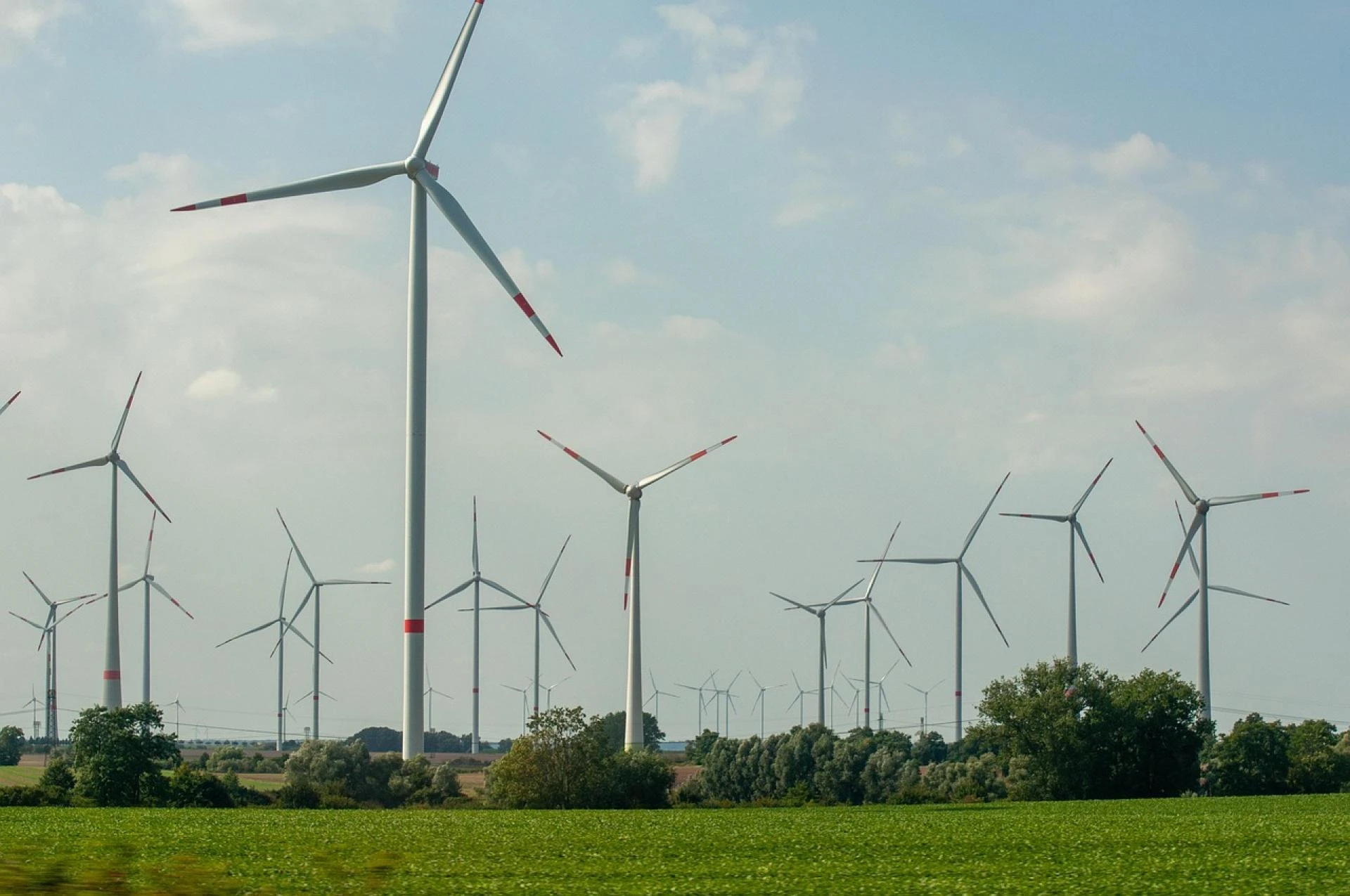

Ten years ago, I stood at the base of a wind turbine during a routine inspection and watched two technicians wait nearly an hour for wind speeds to drop enough to climb. Nothing was broken. Time was the enemy. That moment stuck with me because it showed how reactive wind power maintenance used to be. The next decade will look very different for any wind power maintenance company still working this way.
Aging Turbines Will Drive Smarter Maintenance
Across many wind farms today, turbines are crossing the 8–12 year mark. I’ve personally reviewed machines where gearboxes were running fine on paper but showed early bearing wear once vibration data was checked closely. Those turbines didn’t fail. They warned us.
In the coming decade, maintenance companies will focus less on fixed schedules and more on condition-based work. Sensors, oil analysis, and SCADA data already exist. The difference is how often teams actually trust and act on that data. Companies like KP Energy, which manage both development and operations, are already closer to this mindset because they see asset performance over long periods, not just service windows.
Fewer Emergency Calls, More Planned Work
I remember a midnight call-out at a remote site where a yaw system fault had shut down three turbines during peak wind season. Travel alone cost more than the repair. That kind of reactive maintenance will slowly decline.
Why? Because predictive alerts are getting better. Over the next ten years, a wind power maintenance company that still depends mainly on breakdown calls will struggle. Asset owners want fewer surprises. They want downtime predicted weeks ahead, not hours after failure.
Maintenance Crews Will Look Different
Earlier, maintenance teams were mostly mechanical specialists. Now, I see laptops open more often than toolkits. On a recent site visit, a junior engineer flagged an anomaly using trend graphs before any alarm was triggered. That would’ve been rare a decade ago.
The next generation of technicians will blend mechanical skill with data interpretation. Rope access and blade repair will still matter, but understanding software alerts and false positives will matter just as much.
Blades Will Become the Biggest Focus
Gearboxes used to dominate maintenance budgets. Blades are catching up fast. I’ve seen leading-edge erosion reduce output without triggering any system fault. The turbine runs, but revenue quietly leaks away.
Over the next decade, expect wind power maintenance companies to invest more in blade inspection, drones, and on-site repair capability. Preventing small surface damage will be cheaper than replacing entire sections later.
Owners Will Demand Accountability, Not Just Service
One thing I hear more often now from asset owners is simple: “Show me how maintenance improved generation.” That wasn’t common earlier.
Companies like KP Energy, which operate close to the asset lifecycle, are better positioned here. The future favors maintenance partners who can link their work directly to availability, performance ratio, and long-term turbine health.
What This Means for You
If you’re choosing a wind power maintenance company for the next decade, look beyond response time. Ask how they predict failures. Ask how they train teams. Ask how they measure success beyond closing tickets.


























Sign in to leave a comment.