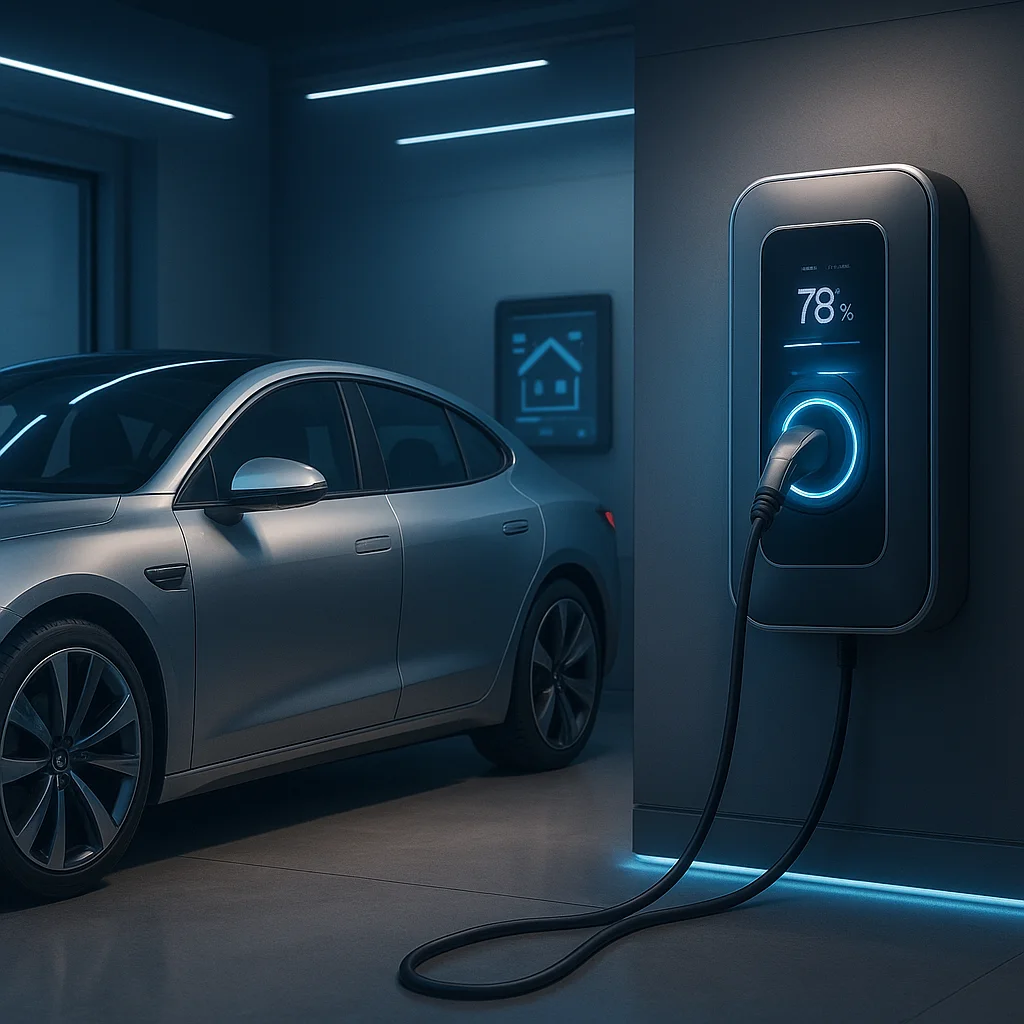

Hook: The Home Charging Revolution Is Already Messy
Imagine this: You’ve just bought the sleekest electric vehicle (EV) on the market, ready to toss out your gas card for good. You book an installation for a home EV charging station, expecting a seamless set-up. Weeks later, you’re stuck with a half-installed charger, a spiraling electrician bill, and a utility company that insists your home’s wiring can’t handle the upgrade. Welcome to the chaotic reality of home EV charging station installation in 2026. It’s far from the plug-and-play convenience promised by automakers and clean energy advocates.
According to a recent AOL investigation, over 40% of EV owners who installed home chargers express regrets tied to poor planning, underestimated costs, or unexpected utility hurdles. The rapid EV adoption rate has outpaced the infrastructure readiness, especially on the residential front. This bottleneck signals a crucial need for a comprehensive, forward-looking guide on home EV charging station installation—one that navigates the technical, regulatory, and financial landmines.
"The biggest mistake homeowners make is underestimating the electrical work required, leading to costly delays and retrofits," warns Marcus Li, an EV infrastructure consultant.
Background and Context: How Did We End Up Here?
Electric vehicles have surged from niche to mainstream in just a decade. Global EV sales now account for over 35% of new car purchases, with countries like Norway and China leading the charge. But while EV technology has evolved rapidly, residential charging infrastructure has struggled to keep pace. The early 2020s saw a boom in public charging networks, but the majority of EV owners still prefer charging at home for convenience and cost efficiency.
The complexity starts with the electrical grid. Most homes were built decades ago with 100- or 200-amp service panels designed for basic appliances, not high-capacity charging units that require 240 volts and 30 to 50 amps of continuous current. Upgrading electrical panels, rewiring, or installing dedicated circuits is often necessary. Additionally, local government regulations and utility company policies vary widely, creating a patchwork of rules that confuse homeowners.
Meanwhile, technological advances in charging station design have introduced smart features, load management, and even integration with home solar systems, but these features demand more sophisticated installation and setup.
Looking back at the Home EV Charging Station Installation Guide 2026, we see the landscape shifting from simple plug-ins to complex energy ecosystems. It’s a transition that many homeowners are ill-prepared for, exacerbated by a shortage of certified electricians familiar with EV-specific requirements.
Core Analysis: Technical and Financial Hurdles in Installation
Understanding the nuts and bolts of EV charger installation is essential. The primary technical challenges fall into three categories: electrical capacity, wiring and hardware compatibility, and integration with home energy management.
- Electrical Capacity Constraints: Most home chargers require a dedicated 240V circuit at 30 to 50 amps. Older homes with 100-amp service panels may need a costly panel upgrade to handle the additional load. This upgrade alone can range from $1,500 to $4,000 depending on location and complexity.
- Wiring and Hardware Compatibility: The physical installation involves running wiring from the electrical panel to the charger location, often outside the garage or driveway. This can involve trenching, conduit installation, and weatherproofing. Some homes require additional grounding or surge protection to comply with electrical codes.
- Smart Integration and Load Management: Modern chargers come with Wi-Fi connectivity, app control, and load balancing features that optimize energy use and costs. Proper installation must ensure network connectivity and compatibility with home energy systems, including solar panels or battery storage. This adds layers of configuration and potential troubleshooting.
Financially, the costs vary widely but can easily exceed $3,000 to $7,000 for a typical Level 2 charger installation in the US, according to industry estimates and several utility rebates’ fine print. Homeowners often overlook hidden costs such as permit fees, utility company interconnection charges, or mandatory inspections.
Utility companies have introduced demand charges and time-of-use (TOU) tariffs to incentivize off-peak charging, complicating the financial calculus further. Without smart chargers capable of scheduling and load management, homeowners may face inflated energy bills.
"Ignoring the utility’s role in your installation plan is like buying a car without checking if there’s a gas station nearby," says energy analyst Clara Moreno.
Given these complexities, a checklist for prospective installers becomes indispensable:
- Assess your home’s electrical panel capacity and upgrade needs.
- Research local permitting and utility interconnection requirements.
- Select a charger compatible with your vehicle and home energy setup.
- Choose a certified electrician with EV installation experience.
- Plan for smart features that optimize charging costs and energy use.
Current Developments in 2026: Innovations and Policy Shifts
By 2026, the EV charging ecosystem at home has witnessed several transformative trends. One of the most significant is the rise of Vehicle-to-Home (V2H) technology, enabling EVs to act as backup power sources during outages. This innovation turns the EV battery into a home UPS, providing resilience against grid failures.
According to a TechTimes report, V2H systems have gained traction particularly in regions prone to natural disasters, offering a dual-purpose investment for homeowners.
At the same time, governments worldwide have introduced new incentives and streamlined permitting processes to encourage home charger installations. For example, California’s recent legislation mandates utilities to provide free or low-cost panel upgrades for qualifying low-income households with EVs.
Technological innovation has also pushed the boundaries of charger design. Wireless and modular charging units are entering the market, promising easier installation and scalability. Some companies are experimenting with integrating EV chargers into street furniture, like streetlights, as explored by the GIGAZINE experiment, though widespread adoption is still years away.
Furthermore, data from the Yahoo Finance EV Charging Station Industry Report 2025-2032 underscores a pivot towards fixed home chargers with integrated cybersecurity features, as concerns about hacking and tampering have risen. The industry now prioritizes chargers that can update firmware remotely and interact securely with utility grids.
Expert Perspectives and Industry Impact
Industry veterans are sounding alarms and issuing guidance in equal measure. Javier Santos, CTO of a leading EV charger manufacturer, points out that "the real bottleneck is not the hardware but the installation ecosystem—skilled labor, regulatory clarity, and consumer education. Without these, the infrastructure will always lag behind demand." His view echoes findings from recent WriteUpCafe analyses that emphasize the need for standardized installation protocols and certification programs.
"We need a paradigm shift from treating EV chargers as simple appliances to viewing them as critical energy infrastructure," Santos argues.
From the utility perspective, companies are cautiously optimistic but remain wary of grid overload risks. Utilities are investing in smart grid technologies and demand response programs to manage residential charging peaks. They also push for charger installations that support bi-directional flow, enabling grid stabilization through vehicle-to-grid (V2G) services.
Conversely, consumer advocacy groups highlight that the uneven rollout of incentives and the high upfront costs remain prohibitive for many. The lack of transparency about total installation costs and future-proofing options leads to buyer’s remorse in some cases, as reported by AOL.
Ultimately, the industry is at a crossroad between rapid growth and systemic growing pains, with long-term success hinging on collaboration across manufacturers, utilities, regulators, and consumers.
What to Watch: Future Outlook and Practical Takeaways
Looking ahead, several trends will shape the future of home EV charging station installation:
- Increased Automation and AI Integration: Installation diagnostics and load management will become more automated, reducing human error and optimizing energy use.
- Standardization of Installation Practices: Expect emerging industry standards that simplify permitting, electrical requirements, and installer certification globally.
- Expansion of V2H and V2G Technologies: These features will become standard in new EVs and chargers, offering homeowners energy independence and potential income streams.
- Enhanced Cybersecurity Measures: As chargers become interconnected, cybersecurity will be paramount to protect home and grid infrastructure.
- Increased Focus on Equity and Accessibility: Policy frameworks will expand support for underserved communities to prevent a two-tier EV charging landscape.
For homeowners considering installation today, the following practical advice is critical:
- Consult with your utility early to understand grid capacity and incentives.
- Choose chargers that support smart features and future upgrades.
- Work with certified installers who have a track record in EV charger installations.
- Plan for potential panel upgrades or electrical work before scheduling installation.
- Stay informed on local regulations and available rebates.
These steps can save thousands in unexpected expenses and prevent common pitfalls. For a detailed step-by-step approach, the WriteUpCafe installation guide remains an excellent resource, along with regional guides like How to Install a Home EV Charging Station in UAE for location-specific nuances.
"Home EV charging is not just an upgrade to your garage—it’s a strategic investment in your home's energy future," says energy policy expert Dr. Lina Veras.
In conclusion, the future of home EV charging installation is promising but demands a more informed, holistic approach than ever before. It’s not enough to buy a charger and hope for the best. The next wave of innovation will be as much about infrastructure and policy as it is about technology. For the early adopters willing to navigate this complex terrain, the reward is a cleaner, smarter, and more resilient home energy system.

























Sign in to leave a comment.