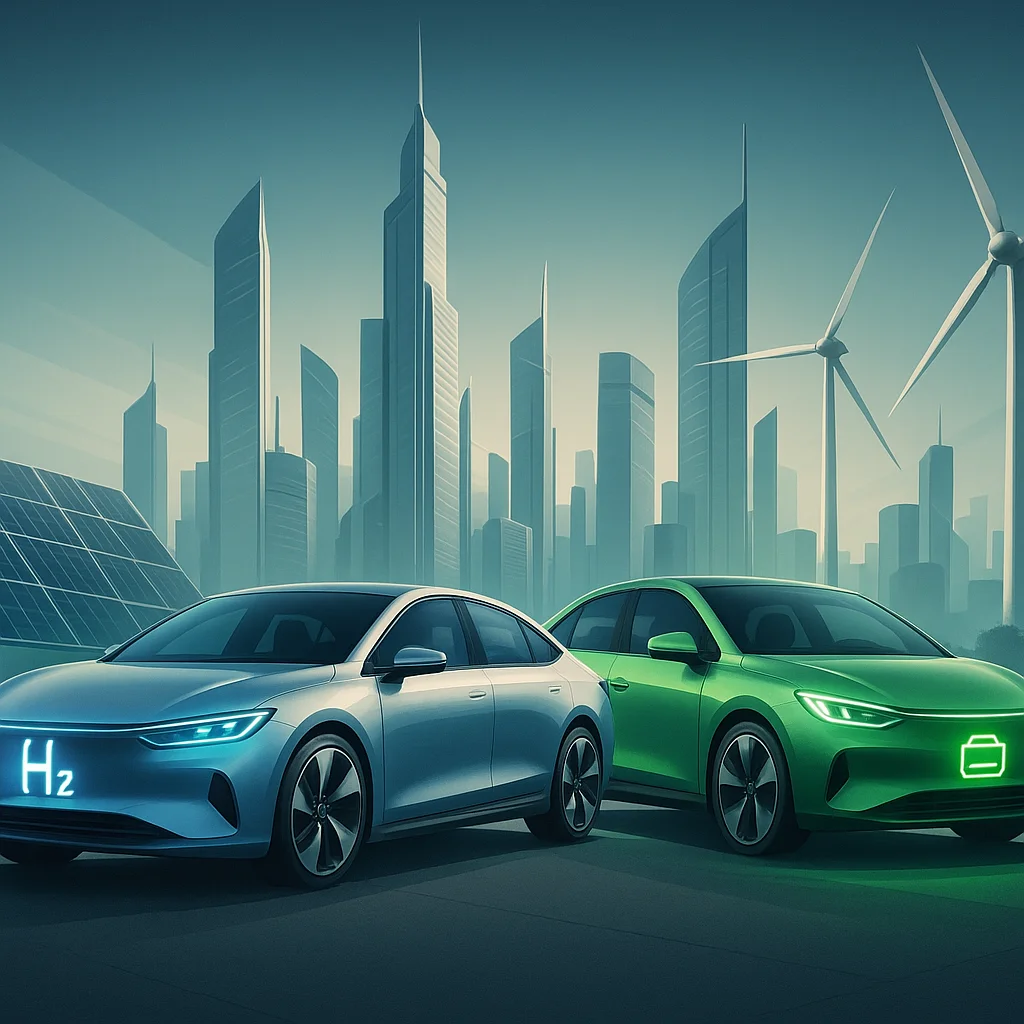

Charging Ahead: The 2026 Landscape of Hydrogen and Battery Electric Vehicles
On a bright spring morning along Barcelona’s bustling Diagonal Avenue, an array of electric vehicles hum quietly past Gaudí’s Sagrada Família, embodying the city’s commitment to sustainable mobility. Yet, beyond the soft whirring of battery electric vehicles (BEVs), a different kind of engine hums with promise — hydrogen fuel cell vehicles (FCEVs). As 2026 unfolds, the automotive world faces a pivotal moment in the trajectory of clean transport technology: the ongoing competition and complementarity between hydrogen fuel cell vehicles and battery electric vehicles. Both technologies offer paths beyond fossil fuels, but their trajectories, strengths, and challenges have evolved markedly over the last few years.
In this comprehensive analysis, we explore the current state of hydrogen fuel cell vehicles versus battery electric vehicles, supported by recent data and reports, including insights from Toyota’s strategic shift and the expanding hydrogen infrastructure market. This article also examines how Europe’s policy environment and urban mobility trends, particularly in cities like Barcelona, shape this dynamic, providing a nuanced understanding of what 2026 holds for clean vehicle propulsion.
“Battery electric vehicles have surged in popularity due to cost reductions, but hydrogen fuel cell vehicles remain vital for commercial and heavy-duty transport sectors.” — Elena Vasquez, Clean Energy Analyst
From Past to Present: Tracing the Evolution of Clean Vehicle Technologies
The seeds of today’s clean vehicle revolution were sown decades ago, with early experiments in electric drivetrains and fuel cells dating back to the late 20th century. Battery electric vehicles, once dismissed as impractical due to limited range and high costs, gained momentum with breakthroughs in lithium-ion battery technology and economies of scale. The early 2020s saw BEV adoption explode, driven by policy incentives in the European Union, China, and North America, alongside advancements in fast-charging networks.
Conversely, hydrogen fuel cell vehicles, heralded as a promising alternative with quick refueling times and long ranges, struggled with infrastructure scarcity and high production costs. Nevertheless, fuel cells found niches in commercial vehicles, heavy-duty transport, and some passenger models, particularly in Japan and parts of Europe. Over time, industry leaders like Toyota and Hyundai refined fuel cell stacks, while renewable hydrogen production began to scale.
As we entered the mid-2020s, the narrative expanded beyond passenger cars, highlighting the complementary roles of BEVs and FCEVs across transport segments. This transition is well documented in detailed analyses like the WriteUpCafe piece on Hydrogen Fuel Cell Vehicles vs Battery Electric: A 2026 Comparative Analysis, which contextualizes how historical investments and technological advances set the stage for today’s market dynamics.
Comparative Analysis: Performance, Cost, and Infrastructure in 2026
The core of the BEV versus FCEV debate rests on several measurable factors: vehicle performance, total cost of ownership, and the supporting infrastructure. As of 2026, battery electric vehicles dominate passenger car sales globally, backed by rapidly declining battery prices. According to Earth.com, battery pack costs have fallen below $75 per kWh, making EVs economically competitive with internal combustion engines, accelerating adoption in Europe and beyond.
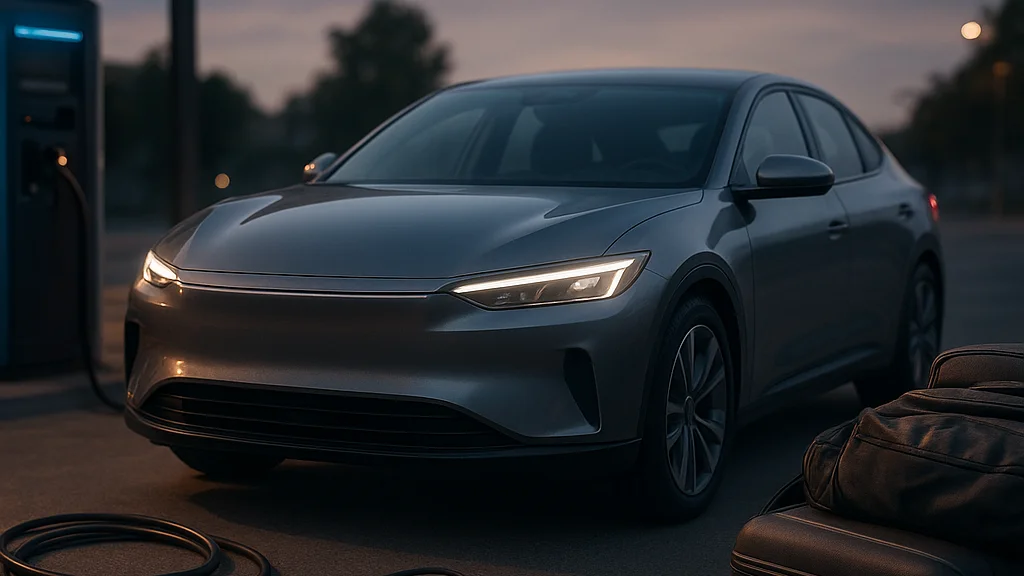
Hydrogen fuel cell vehicles, meanwhile, offer superior range and faster refueling times — typically under five minutes for a full tank compared to 20 to 40 minutes for fast-charging BEVs at high-capacity stations. This advantage is critical for long-haul and commercial applications. However, hydrogen production and distribution remain expensive and energy-intensive, despite advances in green hydrogen generated from renewable sources like Spain’s expanding solar farms.
Key comparative metrics in 2026 include:
- Range: BEVs average 350–450 km per charge; FCEVs range from 500–700 km per tank.
- Refueling time: BEVs require 20–40 minutes (fast charge); FCEVs refuel in less than 5 minutes.
- Vehicle cost: Average BEV price hovers around €35,000; FCEVs remain higher at approximately €55,000.
- Infrastructure: Over 40,000 public fast-charging stations in Europe; under 1,000 hydrogen refueling stations, concentrated in Germany, France, Spain, and the Nordics.
- Energy efficiency: BEVs convert roughly 80% of grid electricity to wheel motion; FCEVs operate at about 60% efficiency due to hydrogen production and compression losses.
These figures illustrate while BEVs lead in urban and light passenger transport, hydrogen fuel cells excel where range and rapid refueling are paramount. The evolving industrial focus reflects this. For instance, Toyota has recently shifted its hydrogen fuel cell emphasis toward commercial vehicles, as reported by Just Auto, acknowledging the technology’s best fit amid the scaling challenges for passenger cars.
“Hydrogen’s role is not to replace batteries but to complement them, especially in sectors where batteries remain impractical.” — Industry expert cited in Just Auto
2026 Developments: Policies, Industry Moves, and Market Shifts
The calendar year 2026 marks a turning point with several notable developments shaping the hydrogen and battery electric vehicle sectors. European Union policies under the Green Deal and Fit for 55 package have accelerated funding for hydrogen infrastructure, aiming to triple refueling stations by 2030, with Iberdrola and TotalEnergies leading deployments, as highlighted in the Yahoo Finance hydrogen infrastructure report.
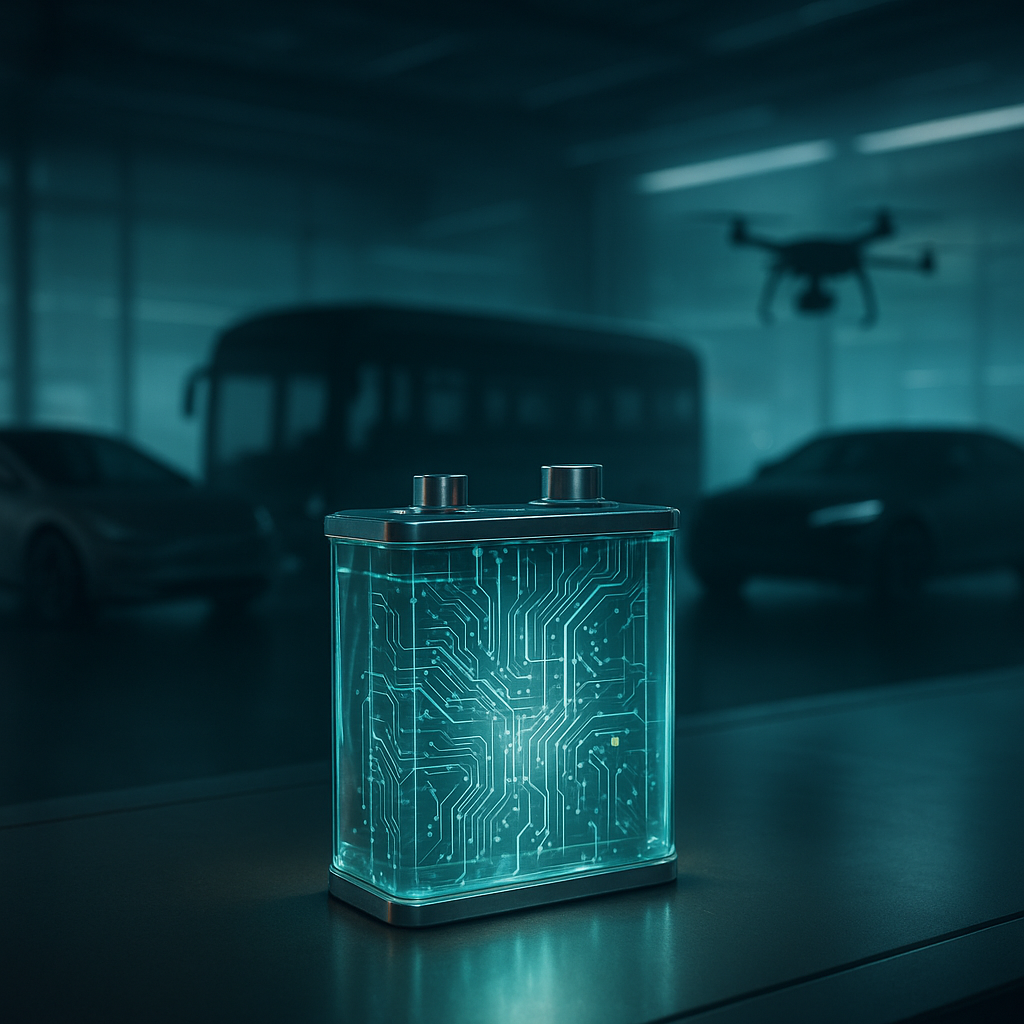
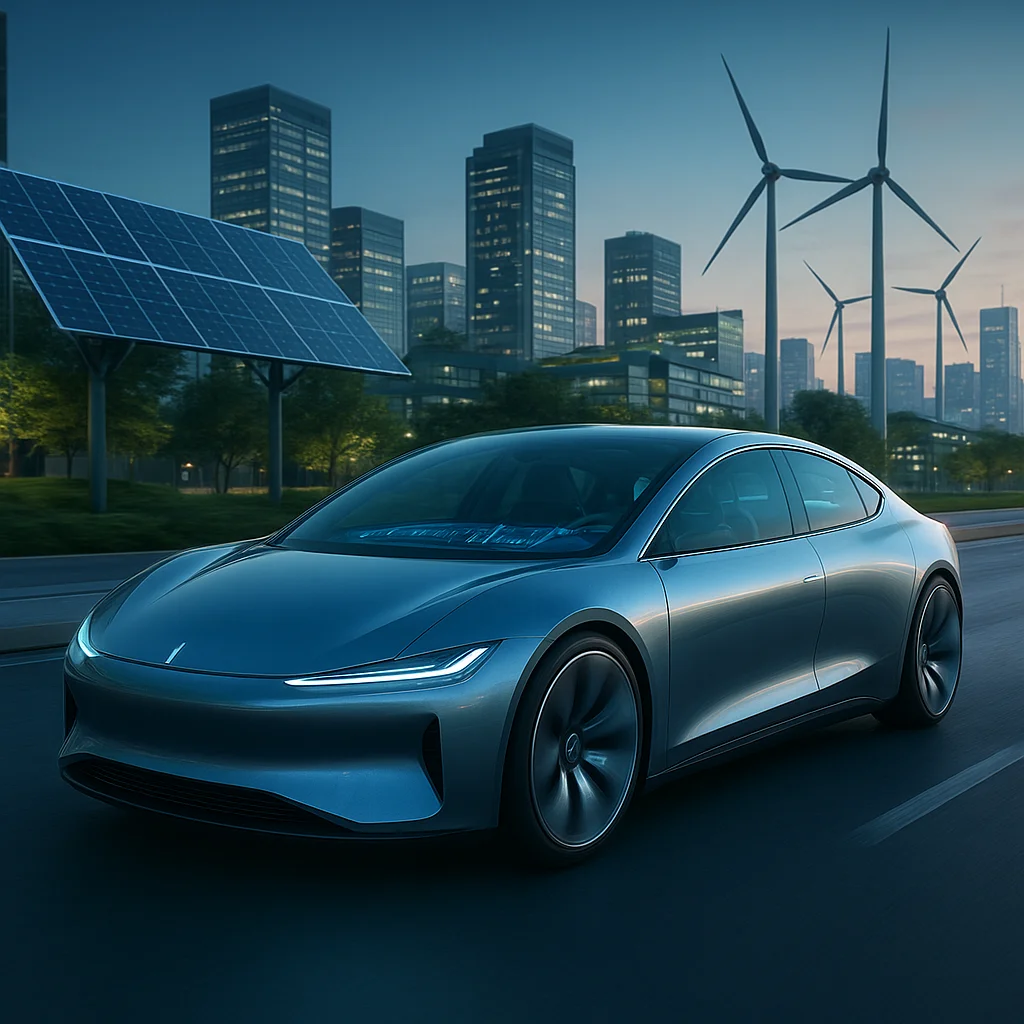
Meanwhile, battery manufacturers have announced new solid-state battery production lines in Spain and Germany, promising improved energy density and safety, which could extend BEV range and decrease charging times further. The Spanish government’s solar energy initiatives, particularly in Catalonia, have increased renewable electricity availability, lowering BEV lifecycle emissions and operating costs.
On the commercial front, hydrogen vehicles have made inroads into logistics and public transportation. Hydrogen buses now operate on several European routes, including Barcelona’s expanding fleet, leveraging the city’s commitment to zero emissions zones. Additionally, companies like Nikola and Hyundai have launched fuel cell heavy trucks, capitalizing on hydrogen’s weight advantage over batteries in long-haul freight.
The automotive industry is also witnessing strategic partnerships and realignment. Toyota’s pivot to commercial fuel cell vehicles and collaborations with energy companies underscore the growing segmentation of use cases. Conversely, BEV startups continue to innovate in passenger and urban mobility, supported by robust charging networks and consumer acceptance.
Expert Insights: Industry Voices and Analytical Perspectives
Experts from the clean mobility sector stress that hydrogen fuel cell vehicles and battery electric vehicles are not mutually exclusive but rather complementary. Dr. Marta López, a hydrogen energy researcher at the Polytechnic University of Catalonia, observes:
“Hydrogen fuel cells will be indispensable for decarbonizing sectors that demand high energy density and rapid refueling, such as heavy-duty transport and maritime applications. Batteries dominate in passenger mobility, where grid electrification is feasible.”
Automotive analysts point to the importance of infrastructure investment and technological innovation in determining each technology’s future. As Elena Vasquez, writing for WriteUpCafe, emphasizes in her analysis Hydrogen in Transportation: The Future of Fuel Cell Vehicles and Hydrogen-Powered Mobility, the trajectory of hydrogen hinges on scaling green hydrogen production and reducing costs through technological breakthroughs.
The European Clean Hydrogen Alliance’s 2026 report highlights the need for coordinated policy and private sector engagement to accelerate deployment, noting that hydrogen’s potential to integrate with renewable energy systems offers strategic benefits beyond mobility.
Looking Forward: What to Watch in Hydrogen and Battery Electric Vehicles
As 2026 progresses, several key trends will shape the clean vehicle market’s future. First, the expansion of hydrogen refueling infrastructure remains critical. While infrastructure costs are high, public-private partnerships and EU funding are expected to broaden access beyond current hotspots.
Second, the continued decline in battery costs and advancements in solid-state technology may extend BEVs’ lead in passenger vehicle markets but also open new niches for electric aviation and marine transport.
Third, hybrid approaches integrating battery and fuel cell technologies in commercial vehicles could emerge as efficient solutions, balancing energy density and charging speed. Industry analysts foresee this as a strategic direction for fleet operators seeking flexibility.
Finally, consumer acceptance and policy frameworks will continue to influence adoption rates. Urban centers like Barcelona, with ambitious zero-emission zones and robust renewable energy grids, will serve as testbeds for integrating both BEVs and FCEVs into sustainable transport ecosystems.
- Watch government incentives and subsidies targeting green hydrogen production.
- Monitor the rollout of solid-state batteries and their impact on BEV range and safety.
- Track commercial fleet adoption of hydrogen vehicles, especially heavy-duty trucks and buses.
- Follow collaborations between automakers and energy companies to expand hydrogen refueling networks.
- Observe consumer trends and urban policies promoting zero-emission transportation.
In sum, 2026 is not a year for choosing sides but for leveraging the strengths of both hydrogen fuel cells and battery electric vehicles within a diversified strategy for decarbonizing transport.
“The future of clean mobility lies in a mosaic of technologies, each optimized for specific needs and contexts. Hydrogen and batteries will coexist and cooperate to achieve a sustainable transport system.” — Elena Vasquez



























Sign in to leave a comment.