

Awakening to a New Energy Era: The Investment Imperative
In the heart of Barcelona, as the sun sets behind Gaudí's iconic Sagrada Família, solar panels shimmer atop modern buildings, quietly powering a city reshaping its future. This scene is emblematic of a worldwide shift: renewable energy is no longer a fringe sector but a cornerstone of global economic transformation. Investors today face unprecedented opportunities as the clean energy transition accelerates. According to Forbes, the global electric power market is heating up with a surge in investments, especially in renewables that promise both environmental impact and financial returns.
The urgency is palpable. With climate targets tightening and energy security concerns escalating amid geopolitical tensions, capital is flowing into sustainable technologies at a record pace. This momentum is propelled by advances in technology, declining costs, and supportive policies, particularly within the European Union’s Green Deal framework. Yet, the landscape is complex, requiring nuanced understanding to identify the most promising avenues.
“Renewable energy is not just an environmental necessity; it’s becoming a fundamental pillar of economic growth and innovation,” notes Dr. Marta Soler, a leading energy economist based in Barcelona.
This article explores the multifaceted investment opportunities in renewable energy, analyzing current market dynamics, emerging trends in 2026, and the strategic considerations investors should weigh to capitalize on this historic transition.
Tracing the Trajectory: How Renewable Energy Investments Evolved
The journey towards today’s renewable energy investment landscape is rooted in decades of technological innovation and policy evolution. In the early 2000s, solar and wind projects were niche ventures, heavily reliant on subsidies and vulnerable to market fluctuations. However, ambitious climate commitments, such as the 2015 Paris Agreement, catalyzed a paradigm shift, compelling governments and corporations to pivot towards sustainability.
Europe, and Spain in particular, emerged as pioneers. Spain’s push for solar photovoltaic (PV) installations in the late 2000s laid critical groundwork, despite intermittent policy setbacks. The maturation of battery storage technologies and the integration of smart grids further enhanced the reliability and scalability of renewables, making them competitive with fossil fuels.
Capital markets responded accordingly. Green bonds and ESG (Environmental, Social, Governance) funds proliferated, creating new channels for financing clean energy infrastructure. Institutional investors, once cautious, now view renewables as stable, long-term assets. This trend aligns with a broader societal shift prioritizing sustainability, driven by both regulatory mandates and consumer demand.
- 2000s: Early-stage subsidies and pilot projects in solar and wind
- 2010s: Cost declines, policy frameworks, rise of green bonds
- 2020s: Integration of storage, corporate net-zero pledges, financial market acceptance
Understanding this evolution provides context for the current investment environment, where innovation and policy intersect in unprecedented ways.
Current Market Dynamics and Investment Hotspots in 2026
As of 2026, renewable energy investment is characterized by diversification across technologies and geographies. According to Forbes, the electric power sector is experiencing a surge in capital inflows, driven by emerging markets and technological breakthroughs.
Solar and wind remain dominant, but emerging sectors such as green hydrogen, offshore wind, and next-generation battery storage are rapidly attracting investor attention. The US market is witnessing a 'clear cooling' of equity investments in renewables, as reported by PV Tech, which paradoxically opens opportunities for European investors to fill this gap, particularly in large-scale solar and wind projects.
Geographically, Europe’s rigorous climate policies and mature markets offer stable, albeit competitive, investment environments. Meanwhile, Africa’s renewable energy potential is gaining recognition, with solar and wind projects poised to address chronic energy deficits. However, as The Independent highlights, weak climate targets in some regions risk underutilizing this enormous opportunity.
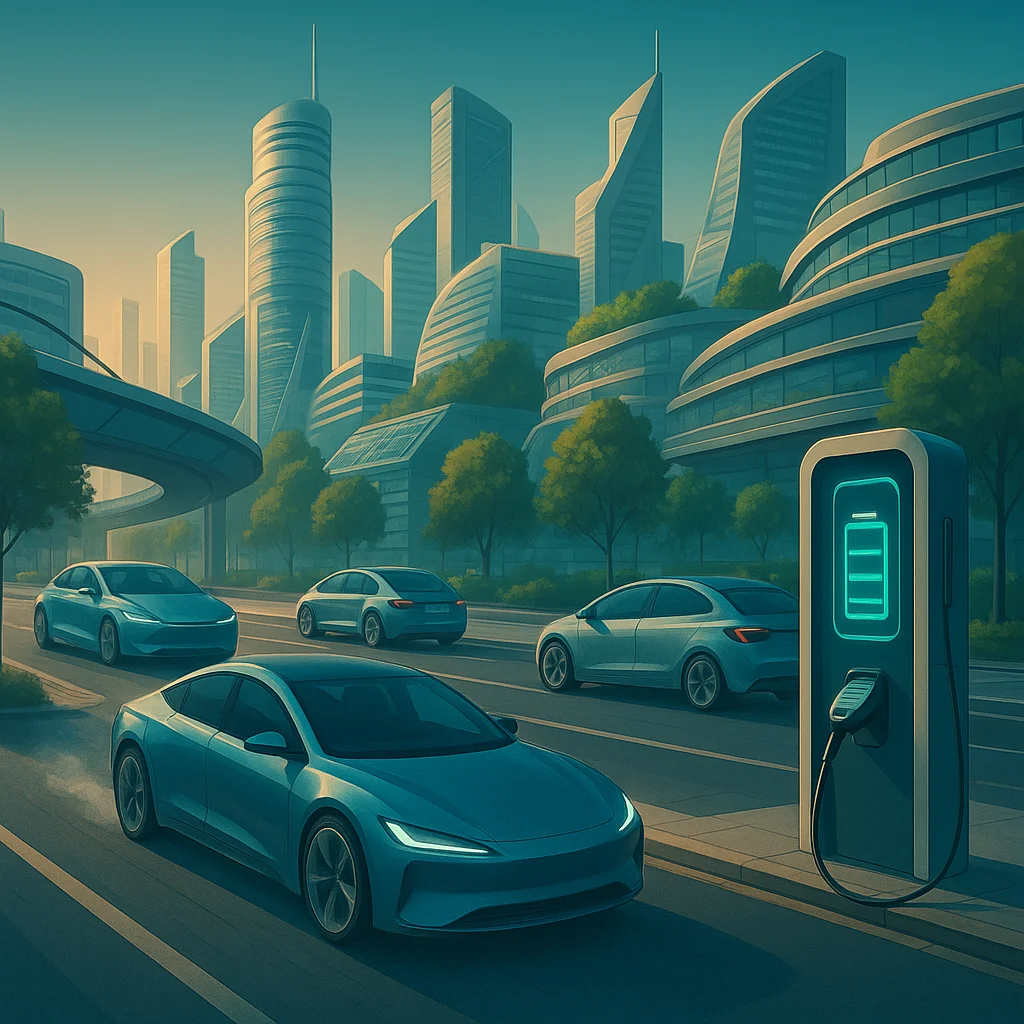
Within Europe, Spain’s solar capacity has nearly doubled since 2023, bolstered by innovative financing models and grid modernization. Barcelona’s urban climate policies, emphasizing decentralized energy generation and electric vehicle (EV) integration, exemplify practical investment synergies between clean energy and mobility sectors.
“Investors who understand regional policy nuances and technology trajectories will unlock superior returns,” emphasizes energy strategist Luis Herrera.
- Solar PV: Rapid cost declines and technological efficiency improvements
- Offshore Wind: Expansion in North Sea and Mediterranean projects
- Green Hydrogen: Emerging as a key decarbonization vector for heavy industries
- Battery Storage: Critical for grid stability and EV infrastructure
This mix of mature and nascent technologies creates a diversified portfolio potential, but also demands sophisticated risk assessment and market knowledge.
Case Studies: Real-World Investment Success Stories
Examining concrete examples elucidates how renewable energy investments translate into tangible impact and returns. One standout case is Iberdrola’s expansion in offshore wind farms along the northern Spanish coast. By leveraging EU funding and strategic partnerships, Iberdrola has doubled its offshore capacity since 2024, delivering robust dividends and contributing significantly to Spain’s energy transition.
Another compelling example comes from Canada, where renewable energy stocks have attracted global attention. As analyzed by MSN and The Motley Fool Canada, investors are evaluating whether Canadian renewables represent a historic opportunity or inflated hype. The consensus leans towards historic opportunity, driven by abundant natural resources and government incentives.
Closer to home, Barcelona’s integration of solar rooftops with EV charging infrastructure offers a microcosm of effective investment strategies. Companies like Holaluz are pioneering peer-to-peer energy trading platforms, blending technology with consumer empowerment. These models not only generate returns but also enhance grid resilience and user engagement.
- Iberdrola Offshore Wind: Leveraging policy incentives for capacity doubling
- Canadian Renewables: Resource-driven growth with stock market momentum
- Barcelona Solar-EV Integration: Innovative urban energy ecosystems
“The synthesis of technology, policy, and community engagement defines the future of renewable investments,” remarks energy analyst Ana Ruiz.
These case studies underscore the varied pathways investors can pursue, from large infrastructure projects to innovative urban platforms.
Expert Perspectives: Industry Insights and Analytical Depth
Engaging with experts reveals deeper layers of complexity and opportunity. Dr. Soler highlights the role of policy certainty in reducing investment risk, noting that “stable regulatory frameworks are the backbone of sustained investor confidence.” Similarly, Luis Herrera points out the increasing importance of integrating digital technologies such as AI and blockchain in managing renewable assets.
Financial institutions are recalibrating their strategies. European banks, traditionally cautious, are ramping up green financing, influenced by the EU Taxonomy for sustainable activities. The evolving regulatory environment means compliance and transparency are critical for attracting capital.
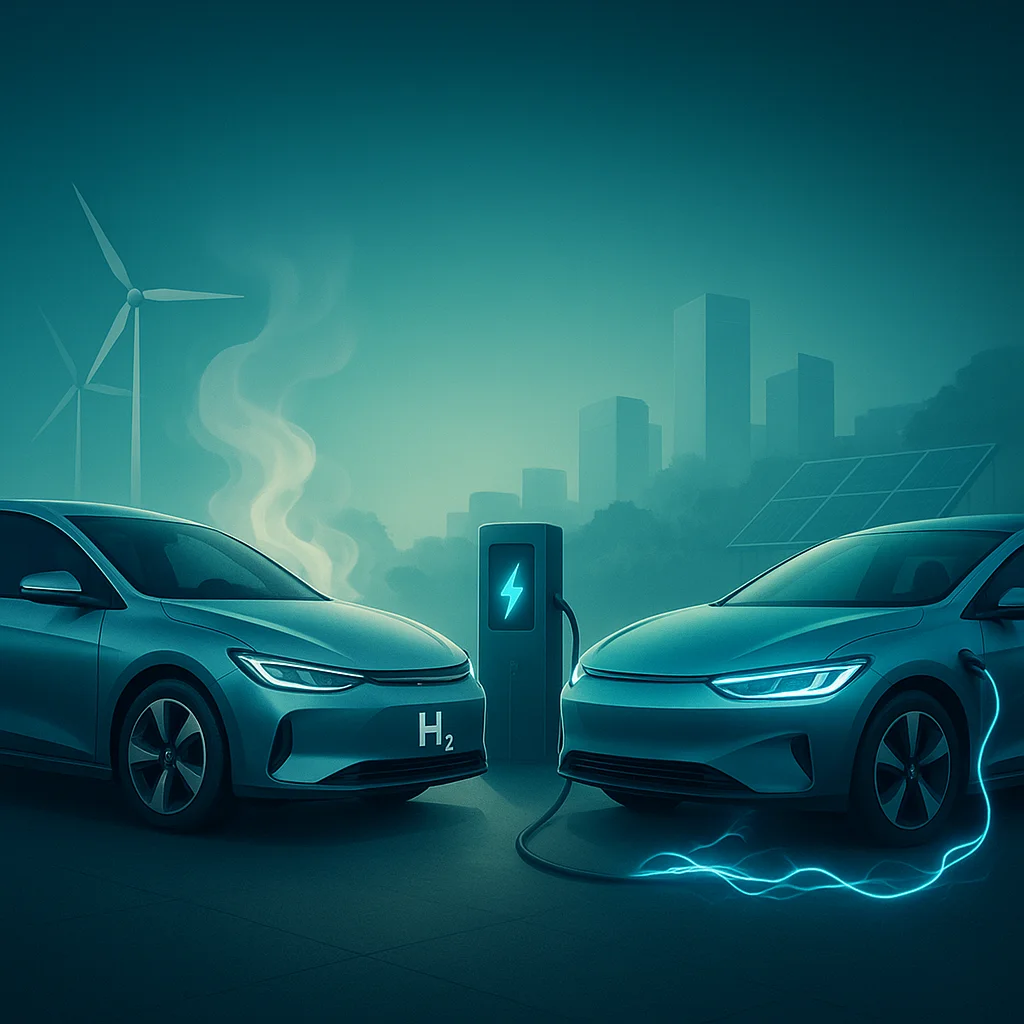
Moreover, the convergence of the electric vehicle revolution with renewable energy investment creates powerful synergies. The demand for clean electricity to power EVs drives investments in grid modernization and storage. As seen in Barcelona’s urban mobility initiatives, these sectors reinforce each other, amplifying returns and environmental benefits.
- Policy Stability: Key to long-term investment viability
- Technological Integration: Digital tools enhancing asset management
- Financial Innovation: Green bonds, ESG funds, and blended finance mechanisms
- Sector Synergies: Clean energy powering electric mobility
Collectively, these insights inform a sophisticated investment approach, balancing risk and opportunity in a dynamic market.
Looking Ahead: Future Trends and Strategic Takeaways
Anticipating the next decade, renewable energy investments will increasingly focus on innovation, scale, and integration. Green hydrogen, often dubbed the “fuel of the future,” is poised to disrupt heavy industry and transport sectors. Technologies improving energy storage density and cost-efficiency will unlock more intermittent resources like solar and wind.
Geographically, emerging markets in Africa, Southeast Asia, and Latin America represent untapped potential. However, realizing this requires coordinated policy support and investment frameworks. The UK’s cautious stance on African renewable investments, as reported by The Independent, exemplifies missed opportunities that other investors might exploit.
For investors, a few strategic actions stand out:
- Diversify across technologies and regions: Balancing mature assets with emerging technologies to optimize risk and reward.
- Engage with policy environments: Monitor regulatory shifts closely to anticipate market changes.
- Leverage technology integration: Invest in platforms combining renewables with digital tools and electric mobility.
- Prioritize ESG and impact metrics: Align investments with sustainability goals to attract institutional capital.
These principles align with broader market trajectories documented in our article 2026 Renewable Energy Investment Opportunities: Trends and Insights and offer a roadmap for investors seeking to participate meaningfully in the clean energy revolution.
In conclusion, renewable energy investment opportunities in 2026 are abundant and multifaceted. Success demands an analytical approach grounded in data, policy awareness, and technological understanding. As Barcelona’s fusion of solar innovation and urban mobility demonstrates, the future is renewable—and ripe for those prepared to seize it.






























Sign in to leave a comment.