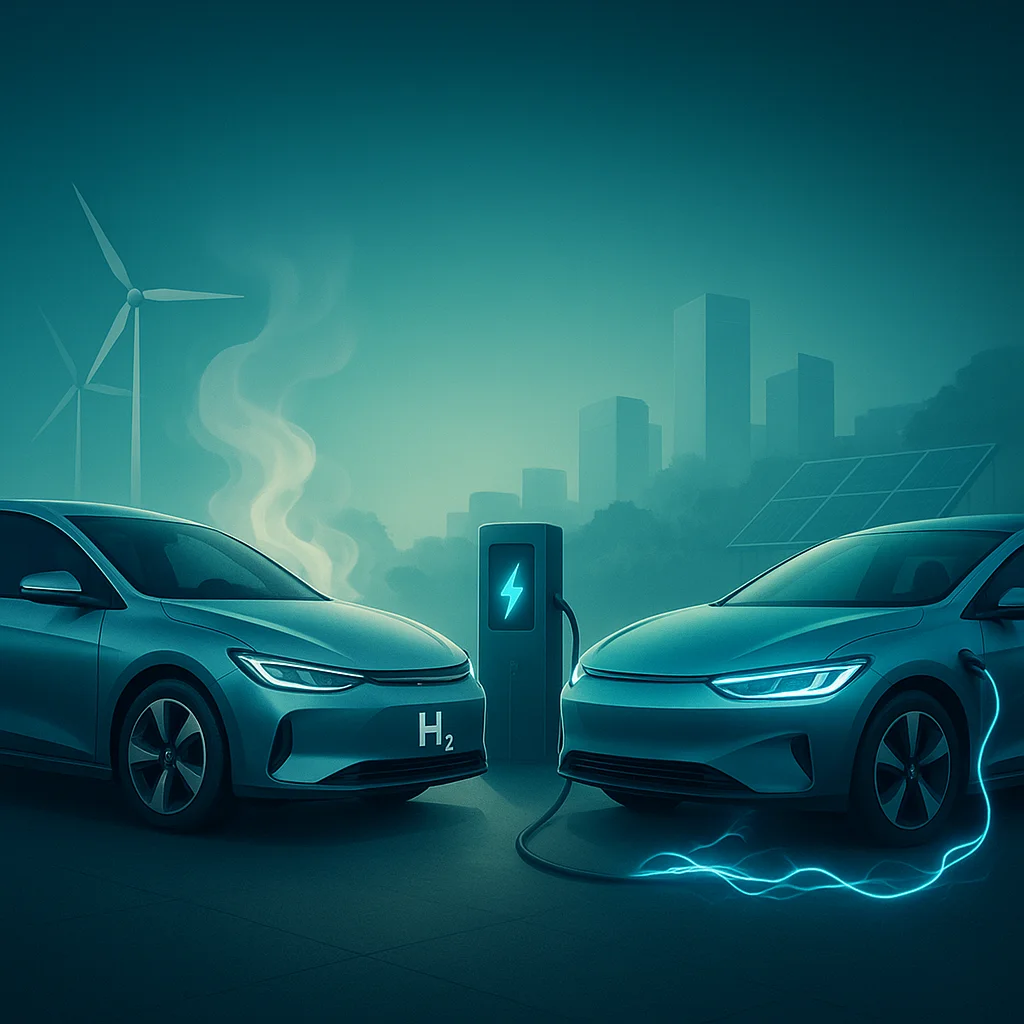

A Tale of Two Technologies: Setting the Stage
On a brisk morning in Barcelona, the hum of an electric vehicle (EV) weaving through the city's iconic Gaudí-inspired streets is now a common symphony blending tradition with innovation. Yet, not far from this quiet revolution, hydrogen fuel cell vehicles (FCVs) quietly promise an alternative path to decarbonized transport. Despite sharing the goal of a cleaner future, these two technologies often suffer from misconceptions that cloud their potential and misguide consumers, policymakers, and industry alike.
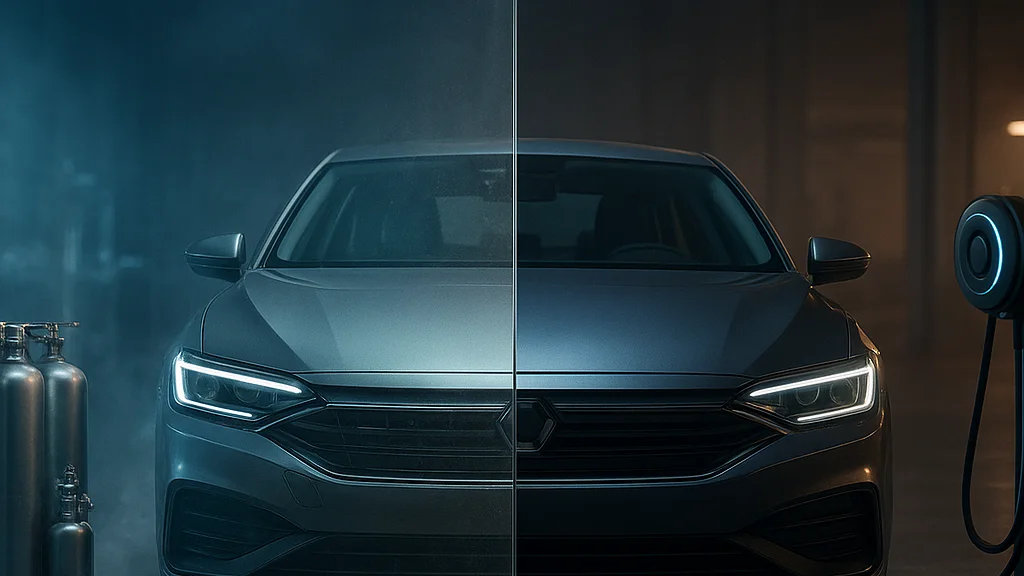
To understand the common mistakes made when comparing hydrogen fuel cell vehicles and battery electric vehicles (BEVs), it is vital first to appreciate their distinct mechanisms. BEVs rely on large battery packs charged by electricity, while FCVs generate electricity onboard through a chemical reaction between hydrogen and oxygen, emitting only water vapor. Both approaches offer zero tailpipe emissions but diverge significantly in infrastructure, energy efficiency, and real-world applicability.
As of 2026, with Europe doubling down on green mobility targets and Spain leading in solar energy expansion, this debate has intensified. According to the International Energy Agency (IEA), BEVs dominate global EV sales, yet hydrogen remains a strategic player, especially in sectors where battery weight or charging time pose challenges. However, widespread adoption is hampered by persistent misunderstandings.
"Hydrogen is not a silver bullet, but nor is electricity from the grid. Each technology has its place in a diverse energy ecosystem," says Dr. Marta González, a renewable energy specialist at the Polytechnic University of Catalonia.
This article dissects the frequent errors in perceiving these vehicles, grounding the discussion in 2026's latest data and developments, and offers a nuanced perspective to guide future engagement with clean mobility.
Historical Context: How Did We Arrive at This Crossroads?
The roots of electric vehicles trace back to the 19th century, but their resurgence is a product of late 20th-century environmental awareness and advances in lithium-ion batteries. By the early 2010s, companies like Tesla revolutionized the BEV market with longer ranges and faster charging, making electric cars viable for mainstream consumers. Europe’s regulatory push, including the European Union’s stringent CO2 emission standards, accelerated adoption across urban centers such as Barcelona, where municipal policies incentivize electric mobility.
Hydrogen fuel cell vehicles, meanwhile, emerged as a promising alternative in the 1990s, spurred by the desire to overcome BEVs’ limitations in range and refueling times. Early adopters like Toyota and Hyundai invested heavily, with Toyota recently shifting its hydrogen focus towards commercial vehicles, as reported by Just Auto. Despite technical breakthroughs, hydrogen’s widespread use has been constrained by high production costs, sparse refueling infrastructure, and complex storage challenges.
Understanding the evolution of these technologies reveals why many misconceptions prevail today. For instance, the assumption that hydrogen is an abundant, clean energy source overlooks the current predominance of grey hydrogen produced from fossil fuels. Similarly, the perception that battery electric vehicles are universally the best solution ignores specific use cases where hydrogen’s energy density and quick refueling offer advantages.
Industry analysts often recall the 2020s as a pivotal decade, where policy, technology, and consumer perception intersected to shape the future of sustainable transport. In Spain, government incentives for BEVs combined with ambitious solar projects have fostered a robust ecosystem for battery technology, yet hydrogen initiatives continue to receive funding for heavy-duty and long-distance transit applications.
Core Analysis: Dissecting the Common Mistakes
When comparing hydrogen fuel cell vehicles and battery electric vehicles, several recurring errors distort public understanding and strategic planning. These mistakes often stem from oversimplified narratives, a lack of holistic lifecycle consideration, and inconsistent performance benchmarks.
Mistake 1: Equating Energy Efficiency Without Context
Efficiency is a critical metric, yet it is frequently misunderstood in the hydrogen vs battery debate. BEVs demonstrate superior "well-to-wheel" efficiency, often exceeding 75%, meaning most of the input electricity powers the wheels. Conversely, hydrogen FCVs show lower efficiency, around 30-40%, due to energy losses in hydrogen production, compression, transport, and fuel cell conversion.
This discrepancy leads some to prematurely dismiss hydrogen as wasteful. However, experts emphasize that efficiency must be contextualized. For example, for heavy-duty vehicles or long-haul transport, where battery weight becomes prohibitive, hydrogen’s higher energy density offers operational benefits despite lower efficiency.
Mistake 2: Ignoring Infrastructure Realities
Public discourse often underestimates the impact of infrastructure availability and deployment speed. BEVs benefit from rapidly expanding charging networks, supported by Spain’s urban mobility initiatives and the EU’s Alternative Fuels Infrastructure Directive. Hydrogen refueling stations, however, remain sparse and concentrated, limiting consumer confidence and adoption.
This gap creates a chicken-and-egg problem, where manufacturers hesitate to produce FCVs due to limited refueling options, and investors are reluctant to build stations without guaranteed demand. According to MSNs technology analysis, this infrastructure challenge is the foremost barrier for hydrogen vehicles in passenger transport.
Mistake 3: Overgeneralizing Environmental Impact
Another widespread error is to assume all hydrogen is green. Currently, approximately 95% of hydrogen is grey, derived from natural gas with significant CO2 emissions. Green hydrogen, produced via electrolysis powered by renewable energy, remains costly and limited in scale. This nuance is often lost in popular narratives, skewing perceptions of FCV sustainability.
Meanwhile, BEV environmental footprints depend heavily on battery raw material sourcing and electricity grid cleanliness. Spanish solar growth has improved the carbon profile of BEVs locally, but regions relying on coal-heavy grids face different realities. Thus, life cycle analyses must consider regional energy contexts and supply chains.
Mistake 4: Neglecting Use-Case Specificity
Assuming one technology fits all transport needs is a critical oversight. BEVs excel in urban commuting and light-duty applications, benefiting from regenerative braking and widespread charging. FCVs offer advantages in sectors requiring fast refueling and extended range, such as buses, trucks, and industrial machinery.
For instance, Toyota’s recent pivot to commercial hydrogen vehicles indicates industry recognition of this niche, as highlighted in Just Auto’s 2026 report. Overlooking such segmentation leads to suboptimal policy and investment decisions, undermining clean mobility goals.
Mistake 5: Underestimating Technological Advances and Cost Trajectories
Finally, many comparisons stagnate in outdated data, ignoring rapid innovation. Battery costs have plummeted over the past decade, but challenges remain in energy density and recycling. Hydrogen production technologies, such as proton-exchange membrane (PEM) electrolyzers, have improved efficiency and cost-effectiveness, while novel storage solutions reduce weight and improve safety.
Failing to incorporate projected advancements leads to misguided conclusions about long-term viability. As the 2026 Trends report by WriteUpCafe illustrates, both technologies are evolving dynamically, and future competitiveness will depend on continued R&D and supportive policies.
"The future of clean transport is not a binary choice but an integrated ecosystem where hydrogen and batteries complement each other," remarks Luis Romero, CEO of a Spanish hydrogen startup.
Current Developments in 2026: Shifting Paradigms and Emerging Realities
In 2026, the hydrogen and battery electric vehicle sectors have entered distinct phases of maturation and strategic focus. European Union funding has accelerated both battery gigafactories and hydrogen infrastructure projects, but the market signals differ.
Battery electric vehicles have achieved remarkable market penetration, with over 40% of new car sales across the EU being BEVs in 2025, according to European Automobile Manufacturers Association (ACEA). Improvements in charging speed—some stations now offer 300 kW ultra-fast charging—and battery longevity have further solidified consumer trust. In Barcelona, municipal efforts to integrate solar power into charging hubs demonstrate a localized synergy between renewable energy and BEVs.
Conversely, hydrogen FCVs are gaining traction primarily in commercial transport and heavy-duty sectors. Toyota’s strategic shift to focus on hydrogen trucks and buses, as reported by Just Auto, reflects this trend. Meanwhile, Spain’s National Hydrogen Strategy, now in its third phase, emphasizes green hydrogen production via solar electrolysis, aiming to decarbonize industrial clusters and transport corridors.
Additionally, recent breakthroughs in hydrogen storage materials and fuel cell catalysts promise cost reductions and enhanced durability. These advances are critical to overcoming previous technical hurdles and improving overall system economics.
However, challenges persist. The limited number of public hydrogen refueling stations—fewer than 100 across Europe—contrasts sharply with thousands of charging points for BEVs. Consumer awareness and acceptance of hydrogen technology remain low, often fueled by safety concerns and misinformation.
The interplay between policy, technology, and consumer behavior in 2026 underscores the need for informed, context-sensitive approaches when promoting either technology.
Expert Perspectives and Industry Impact
Insights from leading experts reveal a consensus on the complementary roles of hydrogen and battery electric technologies rather than direct competition. Dr. Ana Martínez, an energy systems analyst based in Barcelona, highlights the importance of matching technology to application:
"Urban mobility benefits immensely from BEVs due to high efficiency and charging infrastructure growth, but for heavy transport, hydrogen provides unmatched refueling speed and range."
Industry leaders echo this view. The European Clean Hydrogen Alliance advocates for a diversified approach to decarbonization, combining BEVs for passenger cars and hydrogen in freight and industrial sectors.
From a market perspective, major automotive players are adjusting strategies accordingly. Hyundai continues to invest in both battery electric and hydrogen fuel cell models, while startups focus on niche hydrogen applications such as forklifts and marine vessels. This diversification reflects an understanding that future transport ecosystems will require multiple solutions.
Moreover, experts warn against oversimplified policy incentives that favor one technology exclusively, which could stall innovation and delay the broader transition to net-zero emissions. Instead, flexible frameworks that support infrastructure expansion, R&D, and consumer education are essential.
The impact of these technologies extends beyond the automotive industry, influencing energy grids, raw material markets, and urban planning. For example, Barcelona’s integration of solar energy for BEV charging illustrates how localized renewable generation can enhance system sustainability and resilience.
What to Watch: Future Outlook and Strategic Takeaways
Looking ahead, several trends will shape the trajectory of hydrogen fuel cell vehicles and battery electric vehicles. Stakeholders must navigate these dynamics with clarity and foresight.
- Infrastructure Expansion and Integration: The pace and scale of charging and refueling network deployment will be decisive. Public-private partnerships and EU funding will likely accelerate hydrogen station growth, especially targeting commercial corridors.
- Technological Innovation: Continued improvements in battery chemistry, recycling, and fuel cell durability will reduce costs and environmental impacts. Breakthroughs in green hydrogen production and storage are equally critical.
- Policy Harmonization: Coordinated regulations that recognize the distinct advantages and limitations of each technology will optimize resource allocation and market development.
- Consumer Awareness and Acceptance: Education campaigns addressing safety, environmental impact, and operational realities can correct misconceptions and build trust.
- Cross-Sector Synergies: Integration with renewable energy, smart grids, and urban mobility plans will maximize the benefits of both vehicle types.
For consumers and policymakers seeking guidance, the comprehensive coverage in WriteUpCafe’s Expert Tips for Choosing Between Hydrogen Fuel Cell and Battery Electric Vehicles and the Complete Guide to Hydrogen Fuel Cell Vehicles vs Battery Electric in 2026 offer invaluable insights grounded in the latest research and market data.
"The transition to clean mobility demands embracing complexity and rejecting one-size-fits-all solutions," advises Dr. González.
Ultimately, the common mistakes surrounding hydrogen FCVs and BEVs stem from a failure to appreciate their complementary strengths and evolving contexts. Recognizing their distinct roles will enable smarter investments, better policies, and more effective climate action.
As Barcelona’s streets fill with silent electric motors and the occasional hydrogen-powered bus glides by, the future of transport unfolds as a mosaic rather than a monolith—complex, dynamic, and full of promise.
- Key takeaway: Avoid simplistic efficiency comparisons without context.
- Key takeaway: Infrastructure readiness critically shapes adoption.
- Key takeaway: Life cycle environmental impacts vary by region and production method.
- Key takeaway: Tailor technology choice to specific use cases and needs.
- Key takeaway: Monitor ongoing technological and policy developments closely.































Sign in to leave a comment.