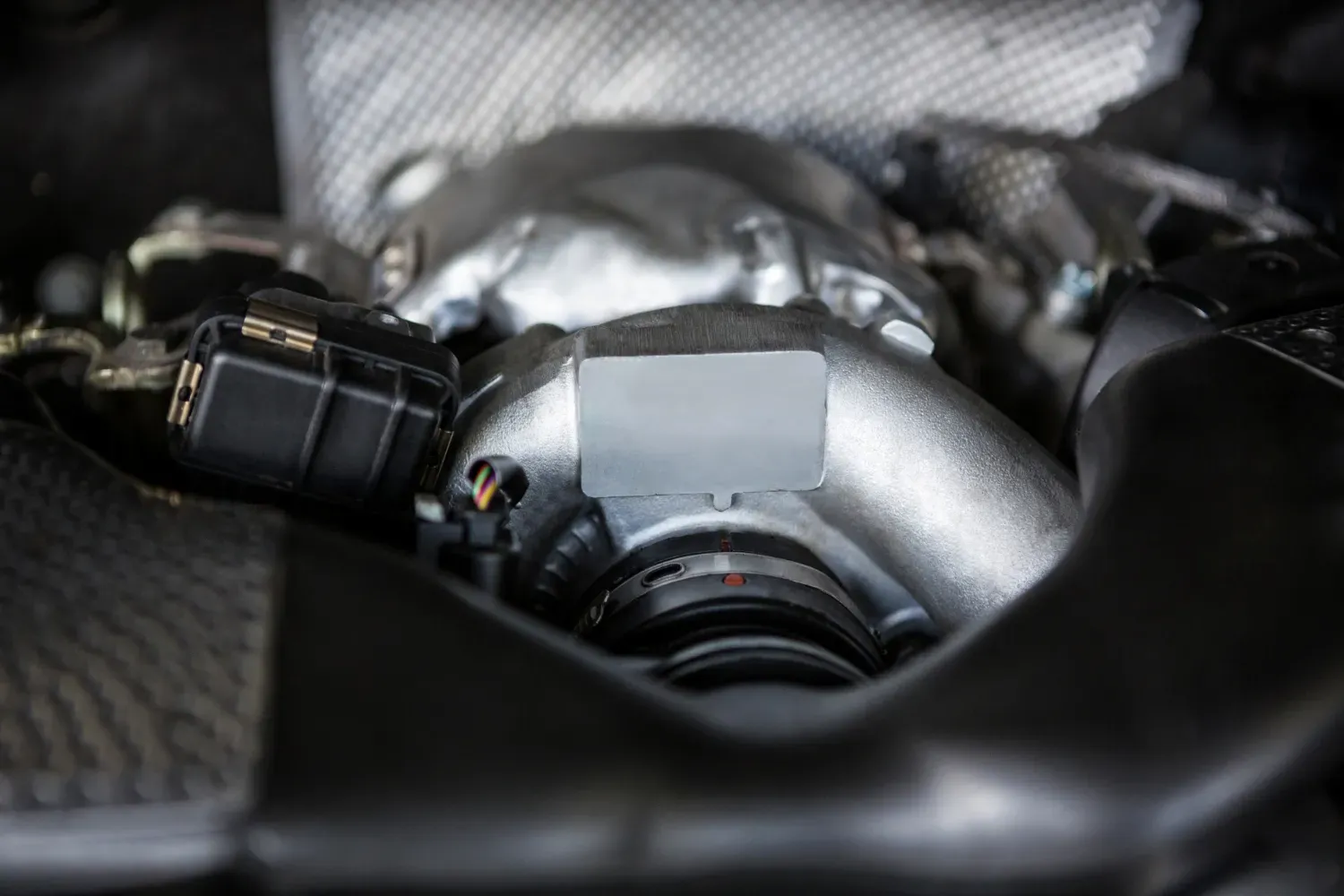

An overheating engine is one of the most common and potentially damaging problems a vehicle owner can face. If ignored, excessive heat can cause severe engine damage, expensive repairs, or even complete engine failure. Fortunately, many overheating issues can be prevented with regular maintenance and early detection.
Understanding what causes engine overheating and knowing how to prevent it can help you keep your vehicle running safely and efficiently.
Why Do Engines Overheat?
Your engine generates a tremendous amount of heat while running. The cooling system is designed to regulate this temperature using coolant, the radiator, water pump, thermostat, and cooling fans.
When any part of this system fails, the engine temperature can rise beyond safe operating levels.
Low Coolant Levels
One of the most common causes of overheating is insufficient coolant.
Coolant absorbs heat from the engine and transfers it to the radiator, where it is released into the air. If coolant levels are too low due to leaks or poor maintenance, the engine cannot cool itself effectively.
Check your coolant level regularly and top it up according to your vehicle manufacturer's recommendations.
Coolant Leaks
Leaks in the cooling system can quickly lead to overheating.
Common leak locations include:
- Radiator
- Radiator hoses
- Water pump
- Heater core
- Coolant reservoir
- Hose connections
If you notice puddles of brightly colored fluid beneath your vehicle, have the cooling system inspected promptly.
Faulty Thermostat
The thermostat controls coolant flow between the engine and radiator.
If it becomes stuck in the closed position, coolant cannot circulate properly, causing engine temperatures to rise rapidly.
Replacing a faulty thermostat is often a relatively inexpensive repair that can prevent major engine damage.
Radiator Problems
The radiator plays a vital role in removing heat from the coolant.
Over time, it may become clogged with dirt, debris, or internal deposits that reduce its efficiency.
A damaged or leaking radiator can also prevent proper cooling, increasing the risk of overheating.
Water Pump Failure
The water pump circulates coolant throughout the engine.
A worn or damaged pump may fail to move enough coolant, causing temperatures to climb quickly.
Signs of a failing water pump may include coolant leaks, unusual noises, or engine overheating.
Cooling Fan Malfunction
Cooling fans help pull air through the radiator, especially when driving slowly or sitting in traffic.
If the fan motor, relay, or temperature sensor fails, airflow decreases and the engine may overheat during low-speed driving.
Broken or Worn Belts
Many vehicles rely on drive belts to operate components such as the water pump.
If a belt becomes loose, damaged, or breaks completely, coolant circulation may stop, causing rapid overheating.
Regular inspections help identify worn belts before they fail.
Driving in Extreme Conditions
Certain driving conditions place additional stress on your cooling system, including:
- Heavy traffic
- Long uphill climbs
- Hot summer temperatures
- Towing heavy loads
- Carrying excessive weight
During these situations, your engine works harder and generates more heat.
Warning Signs of an Overheating Engine
Watch for these common symptoms:
- Temperature gauge reading higher than normal
- Steam coming from under the hood
- Coolant warning light
- Sweet smell from leaking coolant
- Reduced engine performance
- Knocking or unusual engine noises
If you notice any of these warning signs, stop driving as soon as it is safe to do so.
How to Prevent Engine Overheating
Preventive maintenance goes a long way toward avoiding overheating problems.
Here are a few simple tips:
- Check coolant levels regularly.
- Replace coolant according to the manufacturer's schedule.
- Inspect hoses for cracks or leaks.
- Ensure the radiator stays clean.
- Replace worn belts before they fail.
- Have the thermostat and water pump inspected during routine servicing.
- Watch your temperature gauge while driving.
These maintenance habits can significantly extend the life of your engine.
What to Do If Your Engine Overheats
If your engine begins overheating:
- Turn off the air conditioning.
- Turn on the heater to help remove heat from the engine.
- Pull over safely as soon as possible.
- Switch off the engine.
- Allow it to cool completely before opening the hood.
- Never remove the radiator cap while the engine is hot.
If the problem persists, have your vehicle towed to a qualified repair shop.
When Repairs May Not Be Worth the Cost
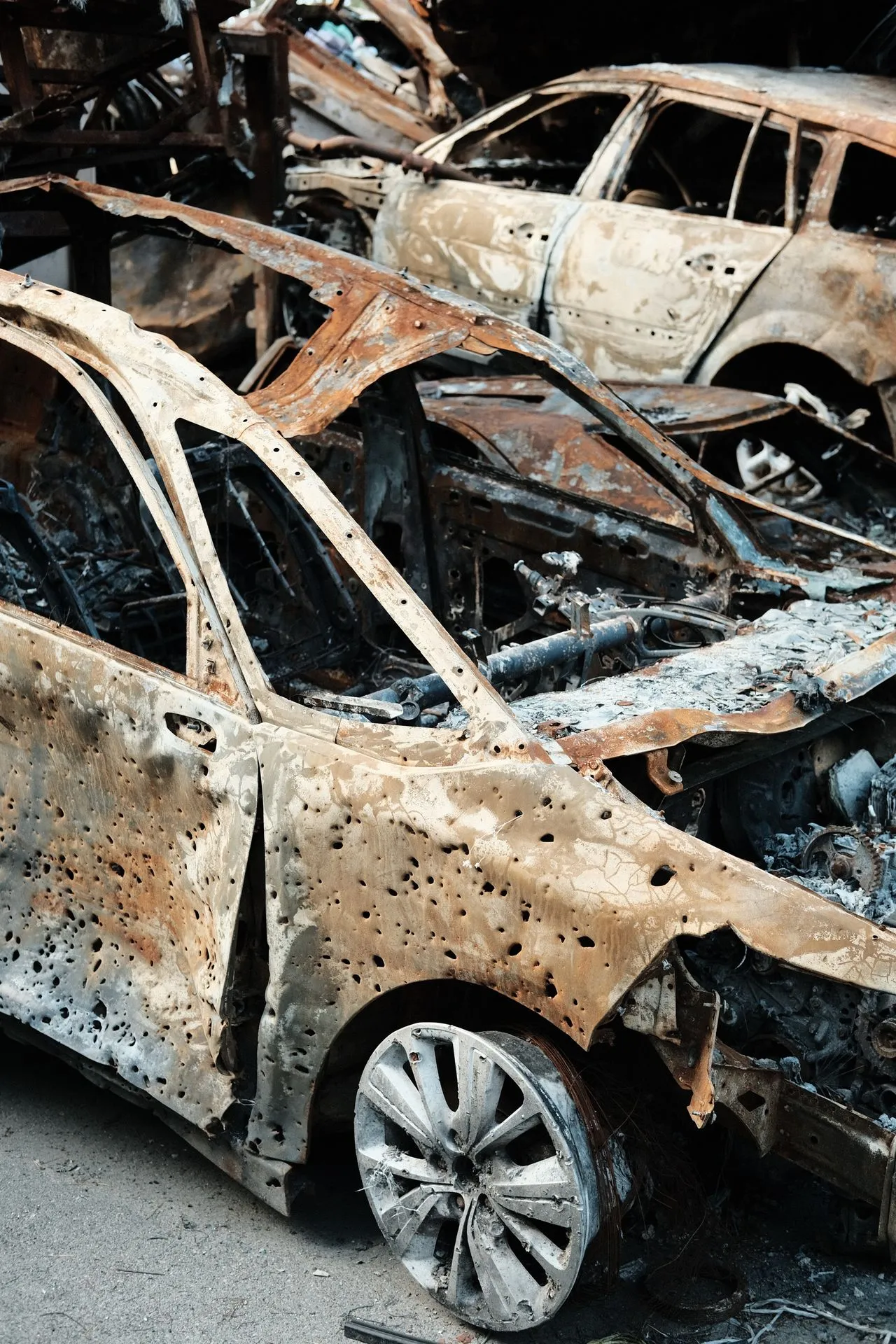
Engine overheating can sometimes cause severe damage, including warped cylinder heads, blown head gaskets, or complete engine failure. For older vehicles with multiple mechanical issues, repair costs can quickly exceed the vehicle's value. In these situations, consulting a trusted scrap car buyer may be the most practical option, allowing you to recover value from your vehicle rather than investing in costly repairs.
Final Thoughts
Engine overheating is a problem that should never be ignored. Most cases are caused by cooling system issues that can be detected early through regular inspections and routine maintenance.
By checking coolant levels, monitoring your temperature gauge, and addressing warning signs promptly, you can avoid expensive repairs and keep your vehicle running reliably for years to come. A little preventive care today can save you significant time, money, and stress in the future.



























Sign in to leave a comment.