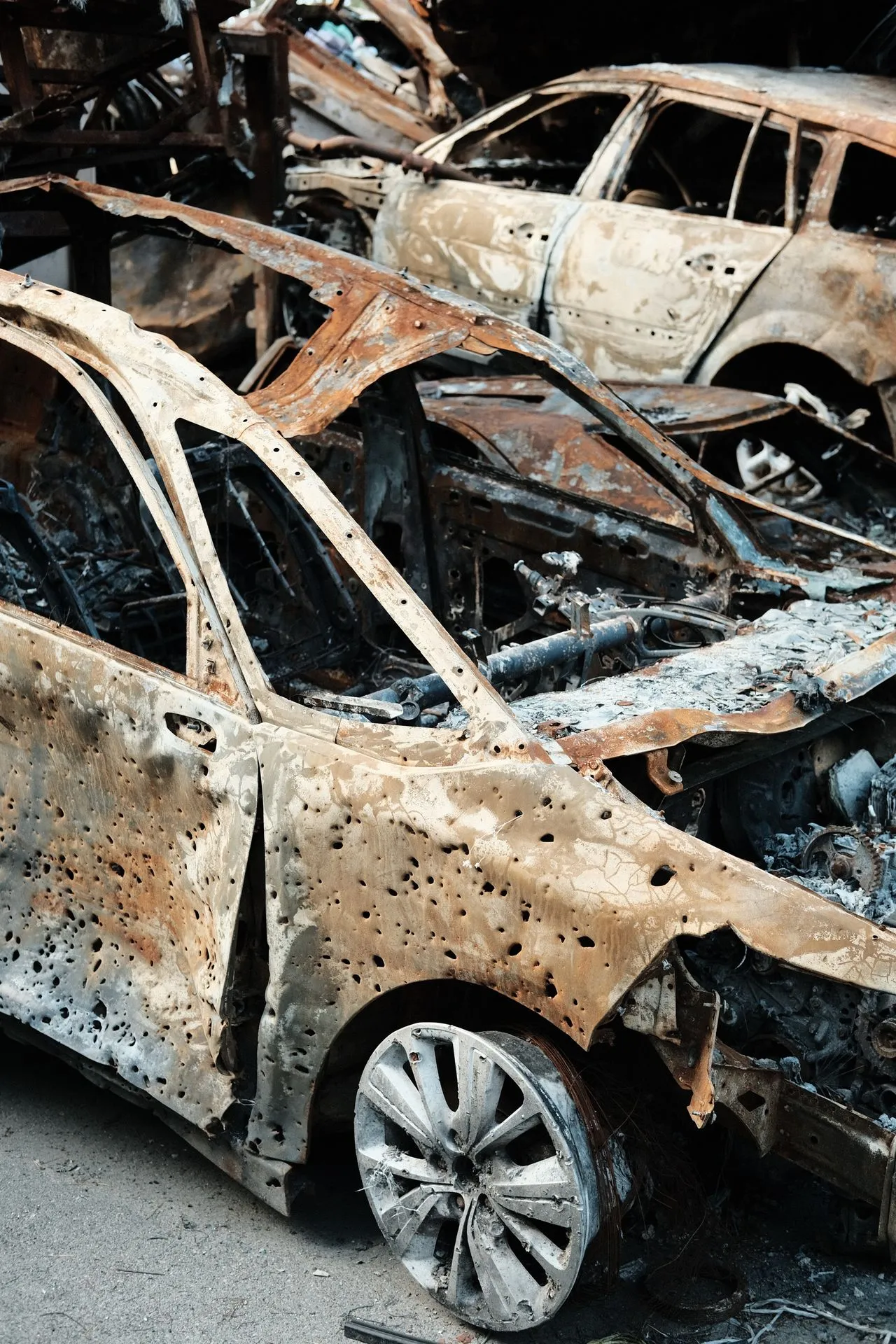

A shiny hood can be surprisingly convincing.
Your car might still have decent paint, clean seats, straight body panels, and four reasonably round-looking tires. From the outside, it can look perfectly capable of handling another few years on the road.
Then the mechanic lifts the hood.
Suddenly, you are hearing words like “worn,” “leaking,” “corroded,” “failed,” and possibly the most financially uncomfortable phrase of all: “This is going to be expensive.”
It can be difficult to understand how a car that looks fine can be mechanically finished. But appearance and mechanical condition are two very different things.
A vehicle can look respectable while its most important components are approaching the end of their useful lives.
The Body Does Not Tell the Whole Story
When people evaluate an older car, they often notice what is easiest to see.
Does the paint still look good?
Are the doors straight?
Is the interior clean?
Does it have decent tires?
Those things matter, but they only tell part of the story.
A vehicle's mechanical condition depends on components that are often hidden from view, including:
- Engine
- Transmission
- Cooling system
- Suspension
- Steering
- Brakes
- Fuel system
- Exhaust
- Electrical components
- Bearings
- Seals
- Structural components
Many of these parts can deteriorate without creating an obvious visual clue.
That is why a car can look like it has plenty of life left while quietly approaching the end of its practical lifespan.
1. The Engine Can Be Worn Without Looking Broken
An engine does not need to be covered in smoke or leaking oil to be badly worn.
Internal engine components experience enormous amounts of heat, pressure, friction, and vibration throughout their lives.
Over time, components can wear even when the engine still starts every morning.
Possible signs of serious engine wear include:
- Excessive oil consumption
- Low compression
- Blue exhaust smoke
- Loss of power
- Rough running
- Knocking noises
- Persistent overheating
- Oil or coolant contamination
- Poor fuel economy
Some problems develop gradually.
The car may still drive, but acceleration becomes weaker. You start adding oil more frequently. The engine sounds slightly different. Eventually, what once seemed like minor quirks become expensive symptoms.
From the outside, however?
The car may still look perfectly normal.
2. The Transmission Can Be Living on Borrowed Time
Transmission problems are another example of mechanical deterioration hiding behind an acceptable exterior.
A vehicle can have flawless paint while the transmission struggles to shift properly.
Watch for:
- Delayed gear engagement
- Slipping gears
- Hard shifting
- Shuddering
- Grinding
- Unusual whining
- Fluid leaks
- Difficulty selecting gears
Some transmission problems begin as occasional symptoms.
The car might hesitate once in a while when changing gears. A month later, it starts happening more frequently.
By the time the problem becomes obvious, the repair bill may be significant.
3. Rust Can Be Hiding Underneath
A clean-looking exterior does not guarantee a healthy structure.
This is especially important for older vehicles exposed to winter road salt.
Rust can develop underneath:
- Subframes
- Brake lines
- Suspension mounting points
- Floor panels
- Rocker panels
- Exhaust components
- Wheel wells
- Fasteners
Some surface rust is cosmetic.
Structural corrosion is a completely different matter.
A car can have a polished exterior while important components underneath are heavily corroded.
That is why an underbody inspection matters, particularly with older vehicles.
4. Suspension Parts Wear Out Quietly
Your suspension works every time you drive.
It absorbs bumps, controls body movement, helps keep the tires in contact with the road, and contributes to steering stability.
Components such as shocks, struts, bushings, ball joints, control arms, and tie rods can wear gradually.
You might notice:
- Excessive bouncing
- Clunking over bumps
- Uneven tire wear
- Steering vibration
- Pulling
- Poor handling
- A vehicle that feels unstable
Sometimes the change happens so slowly that you stop noticing it.
You simply get used to how the car feels.
Then you drive a newer vehicle and suddenly realize your old suspension has been doing its best impression of a trampoline.
5. Brake Components Can Deteriorate Without Looking Bad
You cannot reliably judge brake condition from the driver's seat.
Brake pads, rotors, calipers, lines, and other components can wear or corrode over time.
A vehicle may still stop, but that does not necessarily mean the braking system is in good condition.
Potential warning signs include:
- Grinding
- Squealing
- Brake pedal vibration
- Pulling while braking
- A soft pedal
- Longer stopping distances
- Brake fluid leaks
Brake problems deserve particular attention because they affect safety rather than simply comfort.
6. Cooling-System Problems Can Hide Until They Become Serious
The cooling system is another area where problems can develop behind the scenes.
Radiators can corrode.
Hoses become brittle.
Water pumps wear out.
Thermostats can fail.
Coolant can leak.
A vehicle may continue operating normally until one small problem suddenly becomes a major overheating event.
Watch for:
- Falling coolant levels
- Temperature fluctuations
- Overheating
- Sweet smells
- Coolant under the vehicle
- Steam
- Poor cabin heating
A clean exterior does not tell you whether the engine is receiving the cooling it needs.
7. Electrical Problems Can Be Difficult to See
Modern vehicles rely heavily on electronics.
Sensors, wiring, control modules, alternators, batteries, connectors, and other electrical components can develop faults as the vehicle ages.
Sometimes the symptoms are obvious.
Other times they are frustratingly inconsistent.
You might experience:
- Random warning lights
- Slow starting
- Flickering lights
- Electrical accessories cutting out
- Battery repeatedly going dead
- Intermittent sensor problems
A car can look brand new while having an electrical problem that takes hours to diagnose.
8. The Exhaust System May Be Rusting Away
The exhaust system lives underneath the vehicle, where it gets exposed to water, salt, heat, and road debris.
Over time, components can rust or develop holes.
You might notice:
- Louder exhaust noise
- Rattling
- Hissing
- Exhaust fumes
- Reduced performance
The exhaust system may look perfectly fine from the side of the road because much of it is hidden underneath the vehicle.
Again, the outside appearance tells only part of the story.
9. The Car's Mileage Matters
Two cars can look identical but have completely different mechanical histories.
A vehicle with 80,000 kilometres and regular maintenance has generally experienced less mechanical wear than a similar vehicle with 280,000 kilometres.
That does not mean high mileage automatically makes a car bad.
Some well-maintained high-mileage vehicles remain remarkably reliable.
But mileage provides context.
The higher the mileage, the more important it becomes to consider which major components have already been replaced and which ones are approaching the end of their service life.
Maintenance History Can Matter More Than Appearance
A clean car with no maintenance history can be a bigger gamble than an older car with detailed service records.
Regular maintenance can extend the life of major components.
Look for evidence of:
- Oil changes
- Transmission service
- Cooling-system maintenance
- Brake work
- Suspension repairs
- Timing-belt replacement where applicable
- Battery replacement
- Tire replacement
- Other major repairs
A vehicle that has been maintained properly may have much more useful life remaining than an equally attractive car that has been neglected.
Why Problems Can Appear All at Once
One of the most frustrating experiences with an older vehicle is reaching the point where repairs start piling up.
First, you replace the brakes.
Then a suspension component fails.
A few months later, the cooling system develops a leak.
Then the transmission starts acting strangely.
It can feel like the vehicle suddenly decided to fall apart.
Usually, that is not exactly what happened.
The vehicle's components have been aging at the same time. Eventually, several reach the point where their wear becomes noticeable.
This is sometimes called the repair curve of an aging vehicle.
The older the car gets, the more likely it becomes that multiple components will require attention within a relatively short period.
The Cost of Keeping a Car Can Become Misleading
A common mistake is looking at repairs individually.
A $500 repair might seem reasonable.
Then another $700 repair appears.
Then $900.
Individually, none seems outrageous.
Together, you may have spent thousands of dollars keeping an increasingly unreliable vehicle on the road.
This is why it helps to look at the bigger picture.
Ask yourself:
How much have I spent on this car over the last year?
Then ask:
What repairs are likely to come next?
That second question is often more important than the first.
When Does a Car Become Mechanically Finished?
There is no specific mileage or age at which every car suddenly becomes “finished.”
One vehicle might become impractical at 180,000 kilometres.
Another might comfortably reach 300,000 kilometres.
The better question is whether the vehicle remains financially and mechanically sensible to own.
Warning signs include:
- Frequent breakdowns
- Several major systems failing
- Serious structural rust
- Engine problems
- Transmission problems
- Repeated overheating
- Expensive electrical faults
- Safety-related corrosion
- Repair costs approaching the vehicle's value
- Increasingly frequent trips to the mechanic
When several of these occur together, the car may be mechanically finished even if it still looks good.
Cosmetic Condition Can Actually Be Misleading
This is particularly important when buying or selling an older vehicle.
A freshly detailed car can look dramatically better than it actually is.
New floor mats, polished paint, cleaned seats, and shiny tires can improve appearance without changing mechanical condition.
This does not mean every clean used car is hiding problems.
It simply means cosmetic condition should never replace a proper mechanical inspection.
If you are buying an older car, consider having an independent mechanic inspect it before committing.
A few hundred dollars spent on an inspection can potentially save thousands in unexpected repairs.
What If the Car Still Runs Well?
Running does not necessarily mean healthy.
A vehicle can start, move, and even pass a basic test drive while having significant underlying wear.
Think about what “running” actually tells you.
It confirms that the vehicle currently operates.
It does not necessarily tell you:
- How long the engine will last
- Whether the transmission is healthy
- Whether the frame is structurally sound
- Whether the suspension is worn
- Whether the cooling system is reliable
- Whether expensive repairs are approaching
A running car can still be near the end of its practical life.
When Repairing the Car Stops Making Financial Sense
This is where owners need to separate emotional attachment from financial reality.
Maybe you have owned the car for years.
Maybe it has taken you on road trips, survived several winters, and has become part of the family.
That does not make every repair financially sensible.
If the vehicle needs a major engine repair while also having serious rust, worn suspension, a failing transmission, and multiple electrical problems, continuing to invest in it may not be the best decision.
Compare the repair costs with the vehicle's current value and expected future reliability.
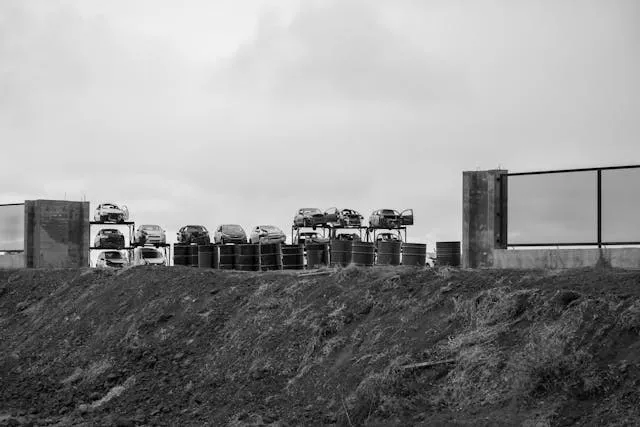
If the numbers do not make sense, you can explore alternatives such as selling the vehicle to a scrap car buyer.
The car does not need to look terrible to have reached the end of its practical life. Its recyclable metal and usable components may still have value even when keeping it roadworthy no longer makes financial sense.
How to Tell Whether Your Car Is Near the End
Before making a decision, ask yourself five questions:
1. How reliable is it?
Are breakdowns becoming more frequent?
2. What major repairs are coming?
Ask your mechanic about components that are worn but not yet failed.
3. How much have you spent recently?
Look at the total rather than individual invoices.
4. Is the vehicle structurally sound?
Severe corrosion can change the entire equation.
5. Would you buy this car again today?
This is a surprisingly useful question.
If you would not buy the same vehicle today because of its condition and repair outlook, it may be time to consider why you are continuing to own it.
The Bottom Line
A car does not need a dented hood, peeling paint, or a missing bumper to be finished.
Mechanical wear happens underneath the surface. Engines lose compression, transmissions wear, suspension components deteriorate, cooling systems develop leaks, electrical faults appear, and corrosion can quietly attack important structural areas.
That is why a car can look perfectly respectable while being mechanically near the end of its useful life.
If your vehicle is otherwise healthy, repair the problems and keep driving it.
But if the repair list keeps growing and the major systems are beginning to fail, do not let a shiny exterior convince you that the car is still a sensible investment.
Sometimes the most expensive part of an old car is not buying it.
It is repeatedly trying to keep it alive.



























Sign in to leave a comment.