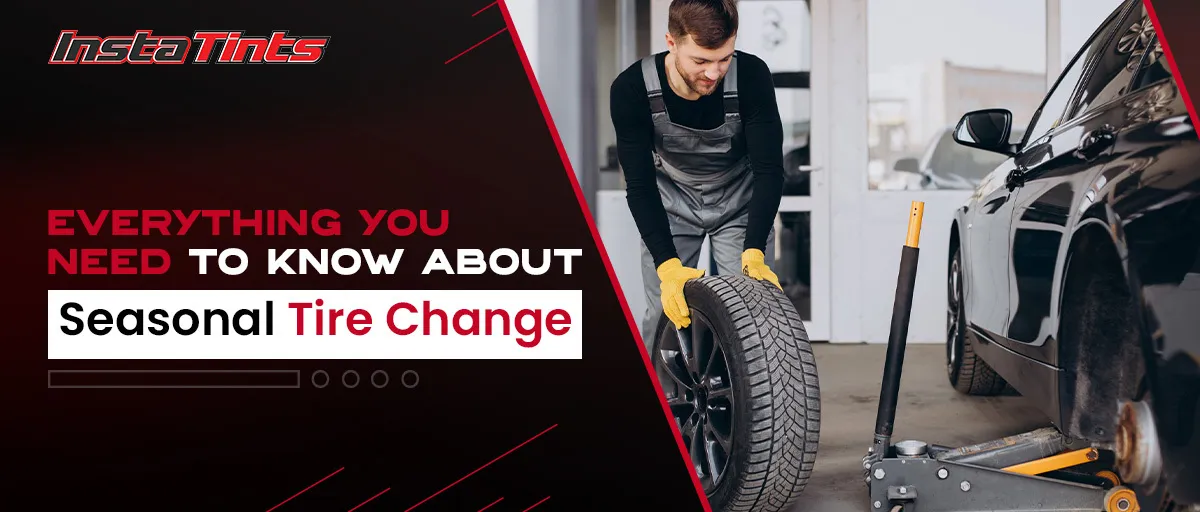

What is the article about? Seasonal tire replacements are more than simply advice in Canada; they are a safety choice. Here's what drivers in Toronto, Mississauga, Brampton, Hamilton, and Scarborough should know before the season begins.
Most Canadian drivers understand the need to change their tires on a periodic basis. Not everyone completes it on time. And a startling percentage of people don't understand why timing is so important, or what they are risking by delaying it a few weeks.
Why Do Seasonal Tire Changes Matter?
Summer and winter tires are not interchangeable. They are made of fundamentally different rubber compounds that are designed to perform under opposing conditions.
Summer tires harden in colder conditions. Below seven degrees Celsius, the compound loses flexibility and grip, even on dry roads. Winter tires use a softer compound that remains pliable in cold weather and bite into snow and ice with a tread pattern designed specifically for those conditions.
All-season tires are in the middle, doing neither job as well as a dedicated tire in its designated season. For Canadian winters, dedicated winter tires with a regular change schedule are the best option.
When to Switch
| Season | Switch Timing | Temperature Trigger |
| To Winter Tires | Late October to early November | Consistently below 7°C |
| To Summer Tires | Late March to mid-April | Consistently above 7°C |
The seven-degree threshold should be tracked rather than the calendar date. Ontario weather varies from year to year, so booking based on temperature rather than a specific date keeps the switch in sync with actual road conditions.
What Happens During A Seasonal Tire Change?
If done correctly, the procedure is more complicated than most drivers anticipate.
Tires are removed from the present rims or switched between two sets of rims, depending on the arrangement. Before reinstalling a tire, it is examined for wear, cracking, and damage. Tires are balanced on the new rim configuration; balance fluctuates between seasons, and skipping this generates vibration and uneven wear. Torque parameters are reviewed and confirmed after the adjustment. Tire pressure is adjusted to the right standard for the approaching season.
A good seasonal tire replacement isn't simply a switch - it's a service that maintains the tires and the car running appropriately for the whole season.
Storing Tires Correctly Between Seasons
Tire storage is often ignored and causes premature deterioration.
Store tires away from direct sunlight and heat sources; UV and heat promote rubber deterioration. Keep them in a cold and dry atmosphere. Stack them horizontally if unmounted or hang them vertically if mounted on rims. Avoid storing near motors or electrical devices that create ozone, as ozone damages rubber quicker than most people think.
Proper storing enhances tire lifetime substantially. A pair of winter tires kept appropriately between seasons lasts substantially longer than one left in a heated garage or exposed to sunshine.
Where to Get It Done in Ontario
Timing matters nearly as much as the service itself. Shops throughout Toronto, Mississauga, Brampton, Hamilton, and Scarborough become much busier in the weeks before and following the first severe cold wave. Booking a tire change in Toronto or a tire change in Mississauga a week or two before the weather turns offers lower wait times and greater flexibility with appointment scheduling.
The most frequent error that Ontario drivers make with seasonal tire replacements is waiting until the first snowfall, when every shop in the city is completely booked.
One Rim Set vs Two Rim Sets
| Setup | Pros | Cons |
| One rim set, tires swapped each season | Lower upfront cost | Tire mounting and dismounting cost each season, more wear on tire beads |
| Two rim sets, tires already mounted | Faster seasonal swap, no mounting cost each time, less wear on tires | Higher upfront cost for second set of rims |
Over the course of many years, two rim sets will be less expensive. The mounting and dismounting each season add up, and frequent operation wears on the tire bead, which specialized rims completely prevent. For anybody who intends to maintain the car for four or more years, a second set of rims pays for itself.
Signs Your Tires Need Replacing Before the Seasonal Swap
A seasonal change is an ideal opportunity to examine tire condition. Things to check for before reinstalling any set on your vehicle:
- Tread depth below 4mm on winter tires – the legal minimum is 1.6 mm; however, winter tires lose significant traction below 4mm.
- Cracking or sidewall damage caused by UV exposure or aging.
- Uneven wear patterns indicate alignment or balance concerns.
- Any bulging or distortion along the sidewalls.
A worn or damaged tire heading into winter is a concern that the seasonal switch does not address. Addressing it at the time of transition rather than in the middle of the season is the correct decision.
Is Tire Change in Scarborough or Hamilton Worth Booking Early?
Every year! A tire change in Hamilton or Brampton scheduled in advance is regularly completed quicker, at a better time window, and with more attention than a walk-in during peak rush week.
Seasonal tire changes are done at Insta Tints Canada's five Ontario locations: Brampton, Mississauga, Scarborough, Hamilton, and Toronto. Come in before the crowds and depart with the assurance that your car is ready for whatever the season brings.
FAQs
1. Do I have to balance my tires every time I make a seasonal change?
Yes. Balance varies with tire sets and seasons. Skipping it causes vibration and uneven wear, which shortens tire life.
2. What is the required minimum tread depth for winter tires in Ontario?
The legal minimum is 1.6 mm. However, winter tires lose significant traction below 4mm; changing before that point is the safest and most practical option.
3. Can I drive all-season tires year-round in Ontario?
Technically, sure. However, in cold and snowy conditions, all-season tires perform worse than specialist winter tires. For Ontario winters, a yearly switch to specialist winter tires is a safer option.
4. How long does a seasonal tire replacement take?
Most appointments for a regular four-wheel switch with balancing take between thirty and sixty minutes.
5. How do I keep my off-season tires?
Stay cool, dry, and away from direct sunshine and heat sources. If not mounted, stack horizontally; if on rims, hang vertically. Stay away from engines and electrical devices that emit ozone.
Source Link

































Sign in to leave a comment.