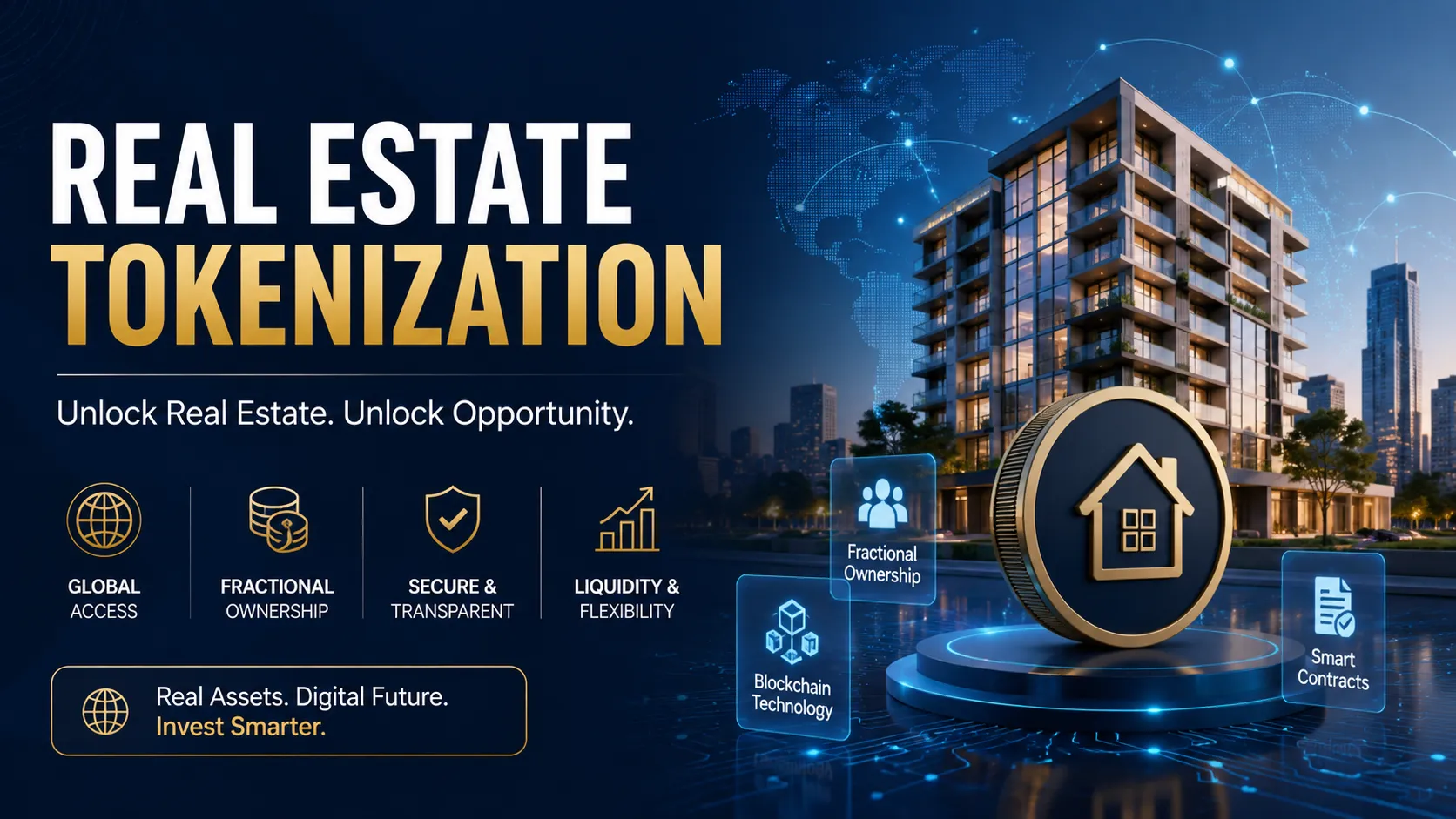

Unsold commercial inventory can create a significant financial burden for real estate developers. Office spaces, retail units, warehouses, and other commercial properties may remain vacant after construction because of slow market demand, high purchase prices, changing tenant requirements, or challenging economic conditions. Meanwhile, developers continue to carry construction costs, financing expenses, maintenance obligations, and opportunity costs.
Real estate tokenization offers an alternative strategy for unlocking value from this inventory. Instead of waiting for a single buyer to purchase an entire commercial unit, developers can potentially convert defined ownership or economic interests into blockchain-based digital tokens and offer those interests to multiple eligible investors.
What Are Unsold Commercial Units?
Unsold commercial units are completed or partially completed real estate spaces that remain on a developer's balance sheet because they have not yet been sold or fully allocated.
Examples include:
- Office suites
- Retail stores
- Shopping-center units
- Warehouses
- Industrial spaces
- Co-working properties
- Business parks
- Mixed-use commercial units
- Hospitality-related commercial spaces
Holding unsold inventory can tie up significant capital. Developers may have invested heavily in construction but remain unable to recover the capital until the property is sold.
Tokenization provides a potential mechanism for converting portions of this inventory into investment interests.
What Is Commercial Real Estate Tokenization?
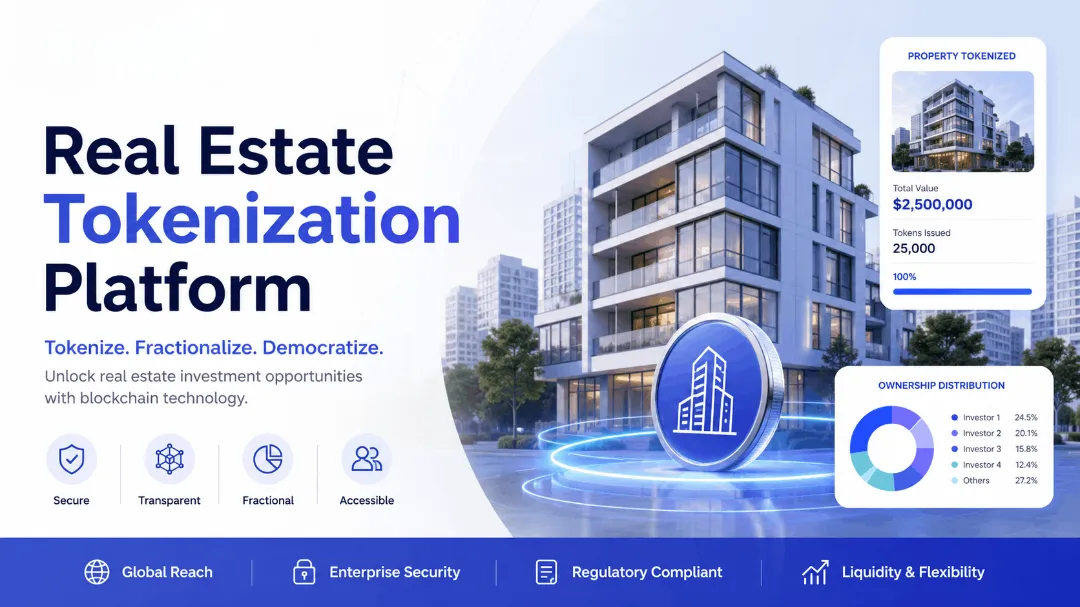
Commercial real estate tokenization involves representing legally defined ownership interests, beneficial interests, revenue rights, or other economic claims associated with a property through digital tokens on a blockchain. For example, rather than selling a $5 million commercial unit to one buyer, a developer could establish an appropriate legal structure and issue a defined number of tokens representing interests in that structure.
The tokens could potentially provide investors with rights linked to:
- Property appreciation
- Rental income
- Sale proceeds
- Profit participation
- Other contractual cash flows
The precise rights depend on the legal and financial structure.
The blockchain provides the digital infrastructure, while legal agreements establish the actual relationship between investors and the underlying property.
How Developers Can Tokenize Unsold Commercial Units
1. Identify Suitable Commercial Inventory
The first step is determining which unsold units are appropriate for tokenization.
Developers should evaluate factors such as:
- Property valuation
- Location
- Market demand
- Existing financing
- Ownership status
- Rental potential
- Development stage
- Expected cash flows
Properties with clear ownership structures and measurable economic potential are generally easier to structure.
2. Conduct Property Due Diligence
Before creating tokens, developers need to verify the underlying asset. Due diligence can include title verification, valuation, construction status, tax obligations, insurance, debt, leases, zoning requirements, and other legal considerations. This process helps establish that the property being represented by the digital asset actually exists and has clearly defined ownership.
3. Establish a Legal Ownership Structure
A developer may use an SPV or another appropriate legal entity to hold the commercial property. The token can then represent defined interests in that entity or specific economic rights connected to the asset. This structure creates a legal bridge between the physical commercial unit and the digital token.
4. Determine the Tokenization Model
Developers need to decide what investors are actually receiving.
Possible structures include:
- Fractional equity
- Rental-income participation
- Profit-sharing interests
- Debt-backed interests
- Revenue participation
- Preferred investment rights
The selected structure should align with the developer's capital requirements and applicable regulations.
5. Divide the Investment Into Digital Units
The economic interest can then be divided into a predetermined number of tokens. For example, a commercial property valued at $5 million could potentially be represented by 50,000 tokens, with each token corresponding to a defined economic interest. The token price and minimum investment would depend on the offering structure and applicable regulations.
6. Build the Tokenization Infrastructure
The developer or platform provider can deploy smart contracts that manage the digital investment.
The infrastructure may include:
- Token issuance
- Investor onboarding
- KYC and AML verification
- Wallet management
- Transfer restrictions
- Ownership records
- Distribution management
- Investor reporting
Security and compliance should be built into the system from the beginning.
7. Offer Tokens to Eligible Investors
Once the legal and technical framework is ready, the developer can market the tokenized investment to eligible investors. Depending on the structure, investors may receive exposure to property appreciation, rental income, or other defined economic benefits.
8. Manage the Underlying Property
Tokenization does not replace property management.
Developers or appointed asset managers remain responsible for:
- Leasing
- Maintenance
- Tenant management
- Insurance
- Property taxes
- Renovation
- Compliance
- Financial reporting
The physical performance of the property ultimately influences the performance of the tokenized investment.
How Tokenization Can Improve Liquidity
1. Turning Large Units Into Smaller Investment Opportunities
A commercial property may be difficult to sell because its full purchase price is too high for many investors. Tokenization can divide the economic interest into smaller units.
Instead of finding one buyer for the entire property, developers can potentially attract multiple investors. This expands the pool of potential capital.
2. Creating Alternative Exit Channels
Developers traditionally depend on direct property sales to recover capital from unsold inventory. Tokenization creates another potential exit or financing route. A developer may retain the underlying asset while selling defined investment interests to investors, depending on the legal structure. This can unlock capital without requiring an immediate conventional property sale.
3. Unlocking Rental Income From Vacant Units
Unsold commercial units can potentially be rented rather than sold immediately. The developer could structure a tokenized investment around rental income generated from the units. This creates an income-producing asset rather than leaving the property as inactive inventory.
4. Expanding Investor Access
Traditional commercial real estate often requires significant capital and specialized knowledge. Fractional tokenization can potentially reduce minimum investment amounts and allow a broader group of eligible investors to participate. A wider investor pool can improve the probability of successful capital formation.
5. Improving Transferability
If a compliant secondary market exists, investors may be able to transfer tokenized interests without requiring the sale of the underlying property itself. This creates a potential liquidity layer around the investment. However, tokenization does not guarantee that a buyer will always be available.
Benefits for Real Estate Developers
Improved Working Capital
Tokenization can help developers unlock capital from inventory that would otherwise remain tied up.
Reduced Inventory Pressure
Rather than waiting indefinitely for traditional buyers, developers can explore alternative capital structures for unsold units.
Alternative Fundraising
Tokenized commercial property can complement bank financing, private equity, and conventional sales.
Wider Investor Reach
Digital investment platforms can potentially connect developers with a larger pool of eligible investors.
Flexible Capital Structures
Developers can design different investment models based on rental income, property appreciation, or other economic rights.
Benefits for Investors
Tokenized unsold commercial units can provide investors with access to property opportunities that might otherwise require substantial capital.
Potential advantages include:
- Fractional investment
- Exposure to commercial real estate
- Potential rental income
- Portfolio diversification
- Digital ownership tracking
- Potential secondary-market transferability
However, investors should evaluate the underlying property rather than focusing solely on the tokenization technology.
A Practical Example
Consider a developer that has completed a commercial building containing 20 office units.
Suppose several units remain unsold, with a combined market value of $10 million. Rather than waiting for individual buyers, the developer could establish a legally appropriate investment structure around selected units.
The structure might issue 100,000 tokens representing defined economic interests.
Investors could purchase smaller quantities of these tokens, subject to eligibility and regulatory requirements. If the units are leased, rental income could be allocated according to the investment terms. If the properties are eventually sold, investors could receive their contractual share of proceeds.
The developer, meanwhile, gains access to capital without necessarily selling the entire portfolio to a single buyer. This illustrates how tokenization can transform unsold inventory into a more flexible capital formation opportunity.
Challenges Developers Must Address
Regulatory Compliance
Tokenized property interests may qualify as securities or other regulated financial products. Developers must understand applicable securities, property, tax, and financial regulations.
Legal Enforceability
Token holders need clearly documented rights. The legal structure must establish how tokens relate to the underlying property.
Accurate Valuation
Unsold inventory must be valued realistically. Inflated valuations can damage investor confidence and create regulatory concerns.
Liquidity Expectations
A tokenized asset is not automatically liquid. Secondary-market liquidity depends on investor demand, market infrastructure, and transfer restrictions.
Technology Security
Smart contracts, wallets, custody systems, and investor platforms require robust cybersecurity controls.
Investor Communication
Developers must clearly communicate property risks, expected returns, fees, expenses, distribution policies, and exit conditions.
How Developers Can Build a Strong Tokenization Strategy
Developers should begin with the asset and financing objective rather than the blockchain.
First, identify why the commercial units remain unsold. If the problem is pricing, location, demand, or property quality, tokenization alone will not solve the underlying issue.
Next, determine whether the units can generate rental income or support another viable investment thesis.
The legal structure should then be designed to provide investors with clearly defined rights. Independent valuation and comprehensive due diligence can further strengthen investor confidence.
Technology should be selected based on regulatory requirements, scalability, security, investor experience, and interoperability rather than simply choosing the most popular blockchain.
Finally, developers should have a clear liquidity strategy. This may involve an approved secondary marketplace, structured redemption mechanism, property sale strategy, or long-term income model.
Future of Tokenized Commercial Property Inventory
As real estate markets become increasingly digital, tokenization could become an important tool for developers managing unsold inventory.
Future platforms may combine blockchain with AI-powered property valuation, digital identity, automated compliance, real-time rental data, and investor analytics.
Developers could potentially create diversified tokenized portfolios from multiple commercial properties instead of marketing individual units separately.
This could transform real estate inventory management from a conventional sales process into a more flexible digital capital strategy.
Conclusion
Developers can potentially tokenize unsold commercial units by converting defined ownership or economic interests into blockchain-based digital tokens. This approach can transform inactive property inventory into fractional investment opportunities and create alternative channels for capital formation.
The potential benefits include improved working capital, broader investor access, fractional participation, rental-income opportunities, and potentially greater transferability.






















Sign in to leave a comment.