
Property funds often face a significant challenge when investors want to withdraw their capital before the end of the investment period. Unlike stocks and bo...

The rapid growth of artificial intelligence, cloud computing, big data analytics, and digital applications has increased the demand for reliable data storage...
The automotive industry is no longer limited to manufacturing and selling vehicles. Modern automotive businesses generate value through vehicle ownership, le...

Renewable energy assets such as solar farms, wind projects, battery storage facilities, and small-scale energy infrastructure require substantial upfront inv...
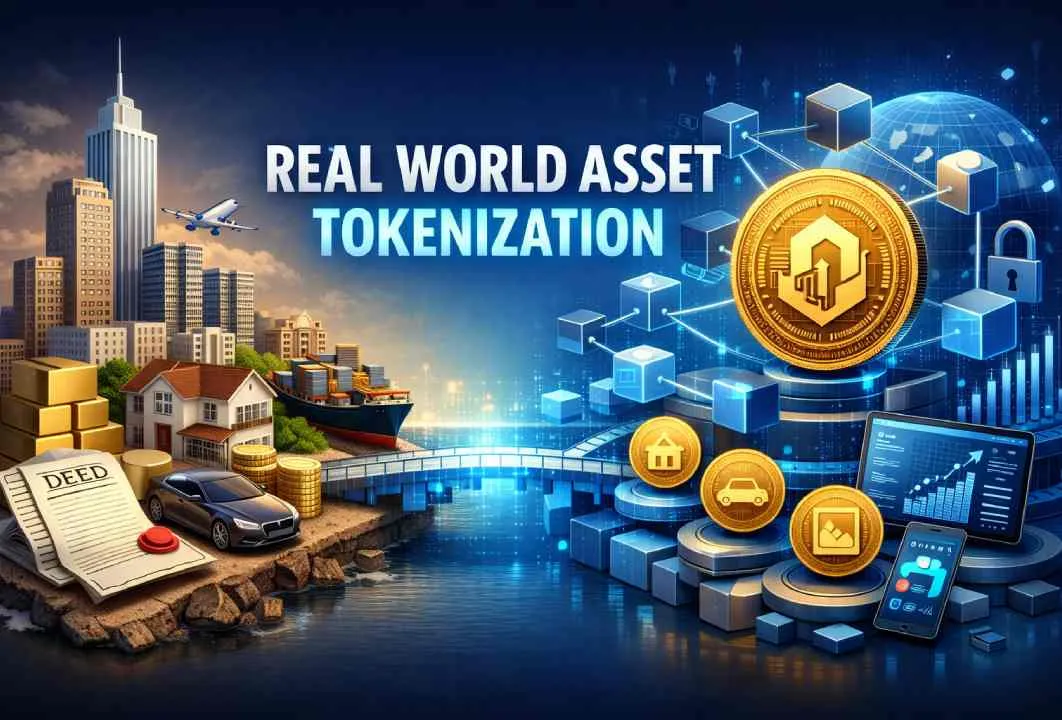
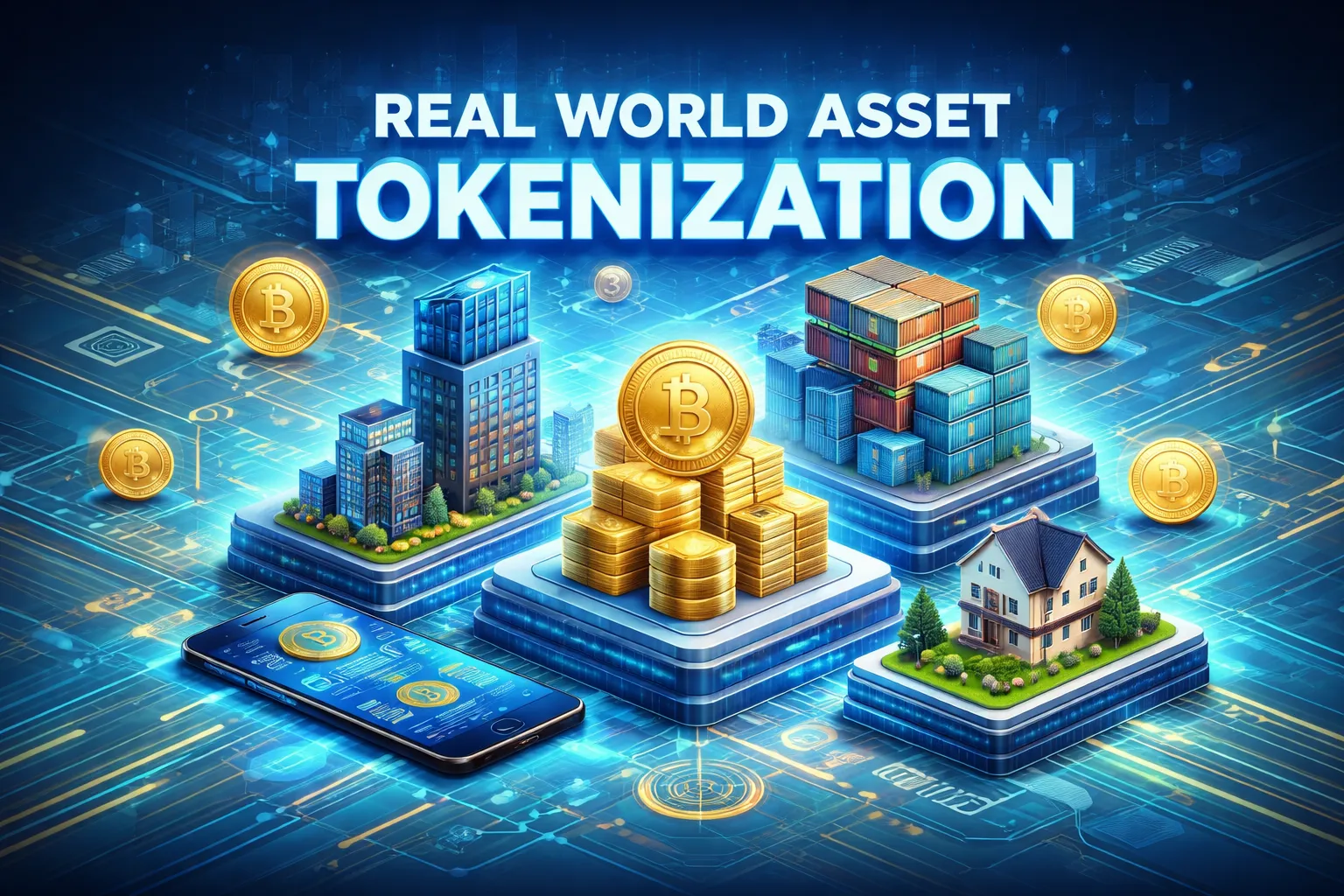
Real-world asset tokenization is often described as the process of putting physical or traditional financial assets on blockchain networks.
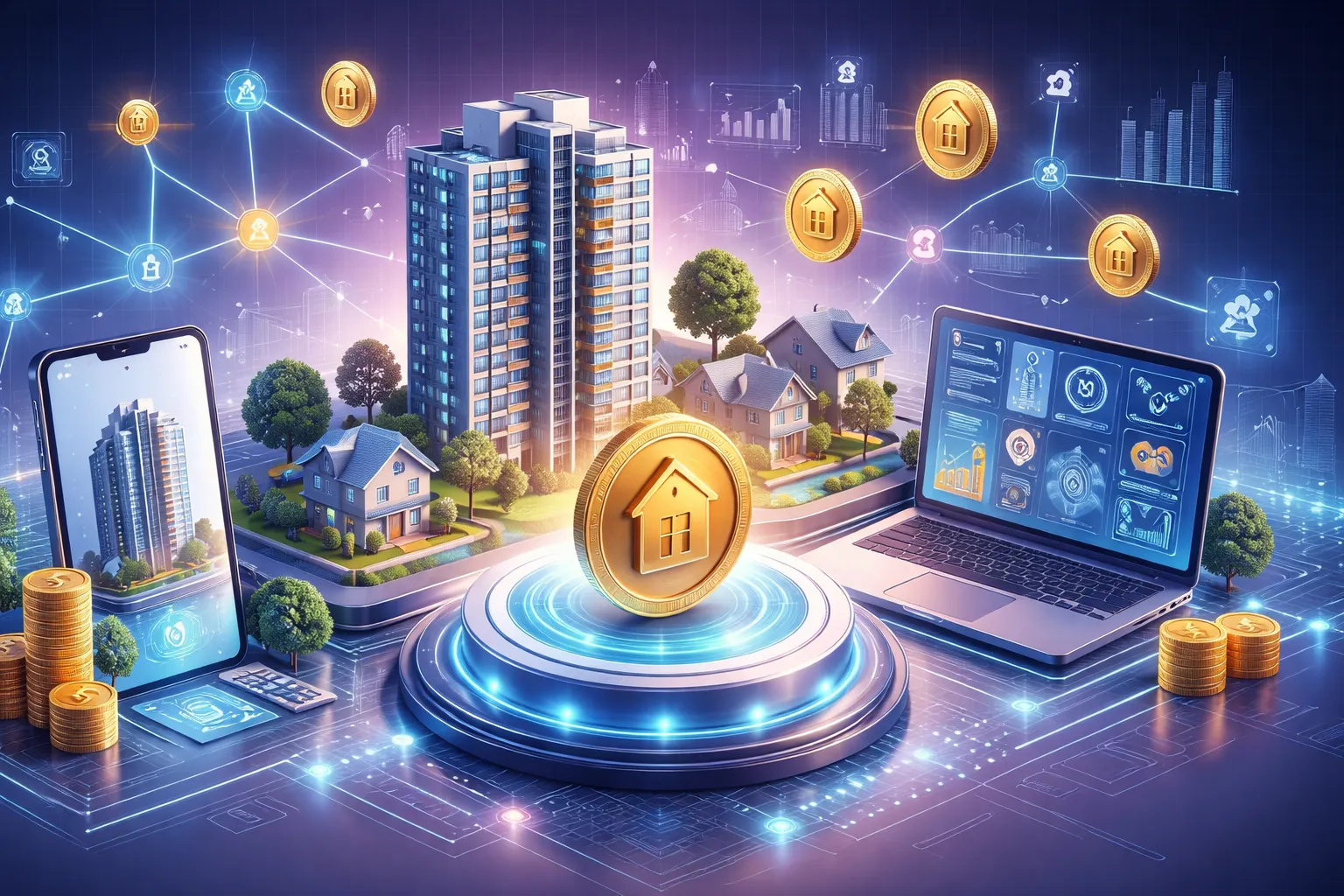
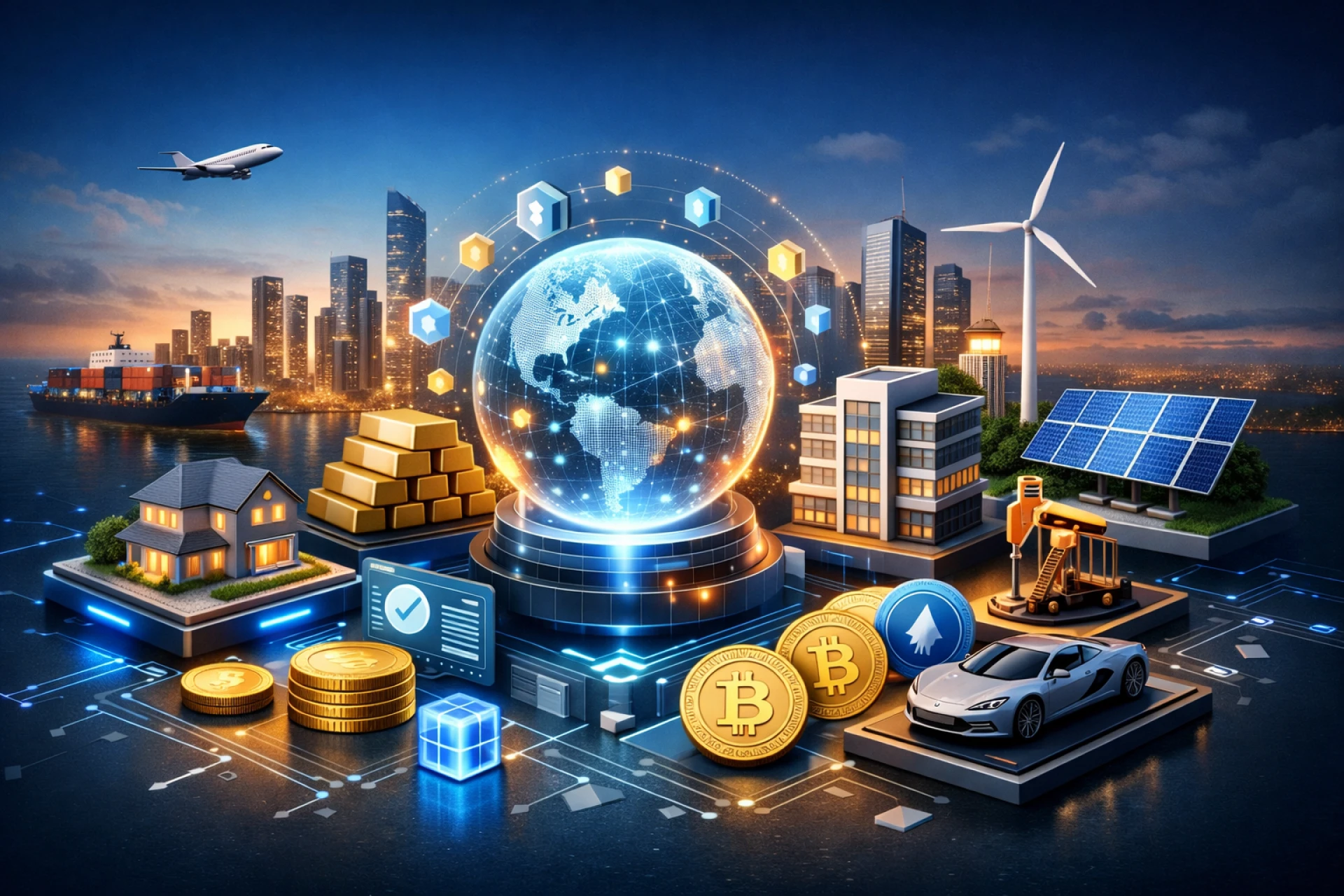
Real-world asset tokenization is moving beyond the simple idea of putting traditional assets on a blockchain. As more financial instruments, commodities, fun...
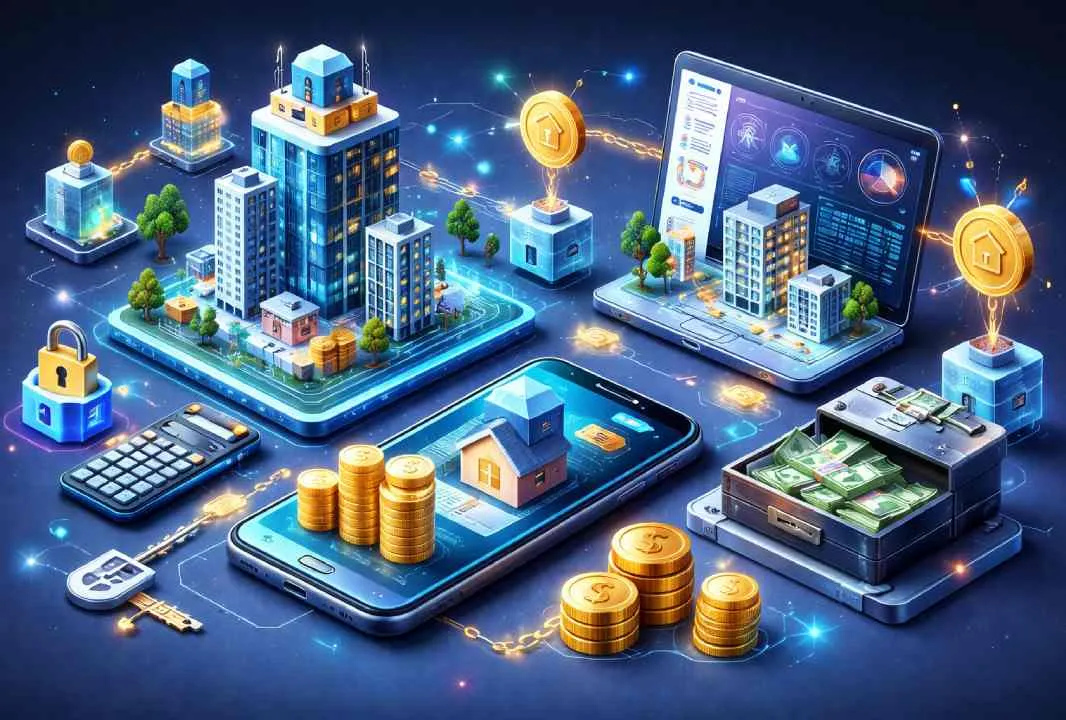
Financial markets are entering a period where ownership, settlement, and asset management are becoming increasingly digital. While blockchain initially gaine...
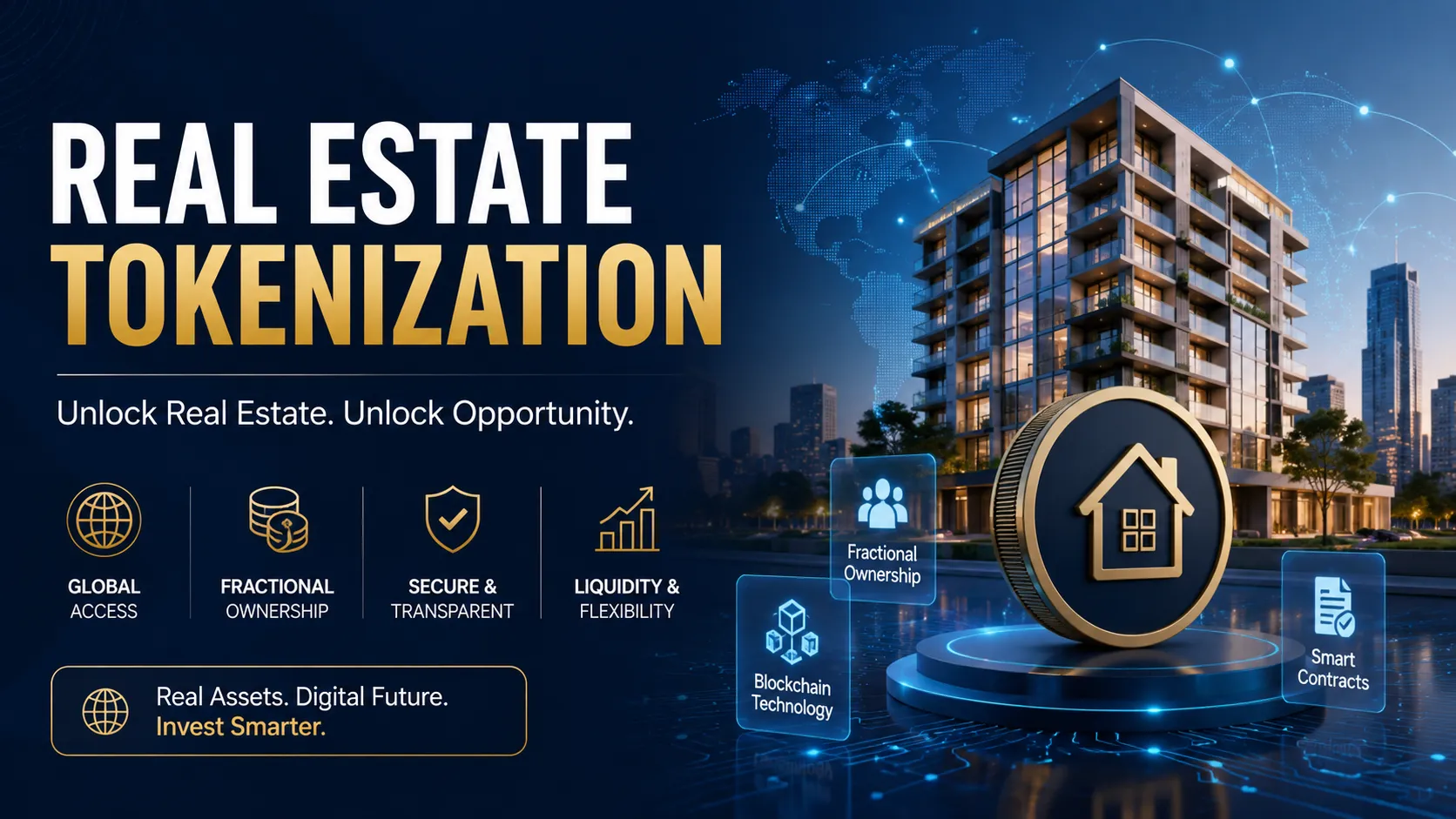
Once the legal and technical framework is ready, the developer can market the tokenized investment to eligible investors.
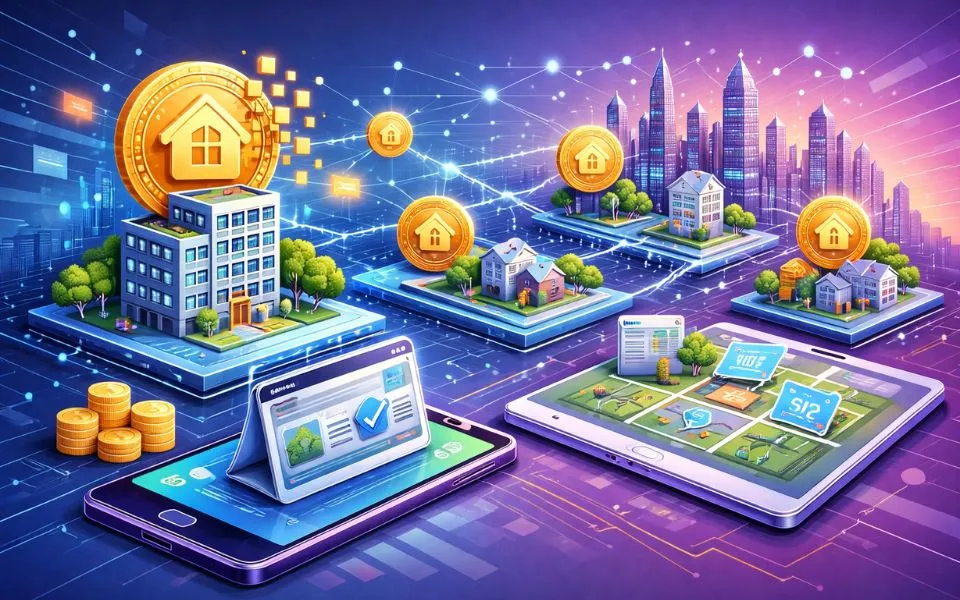
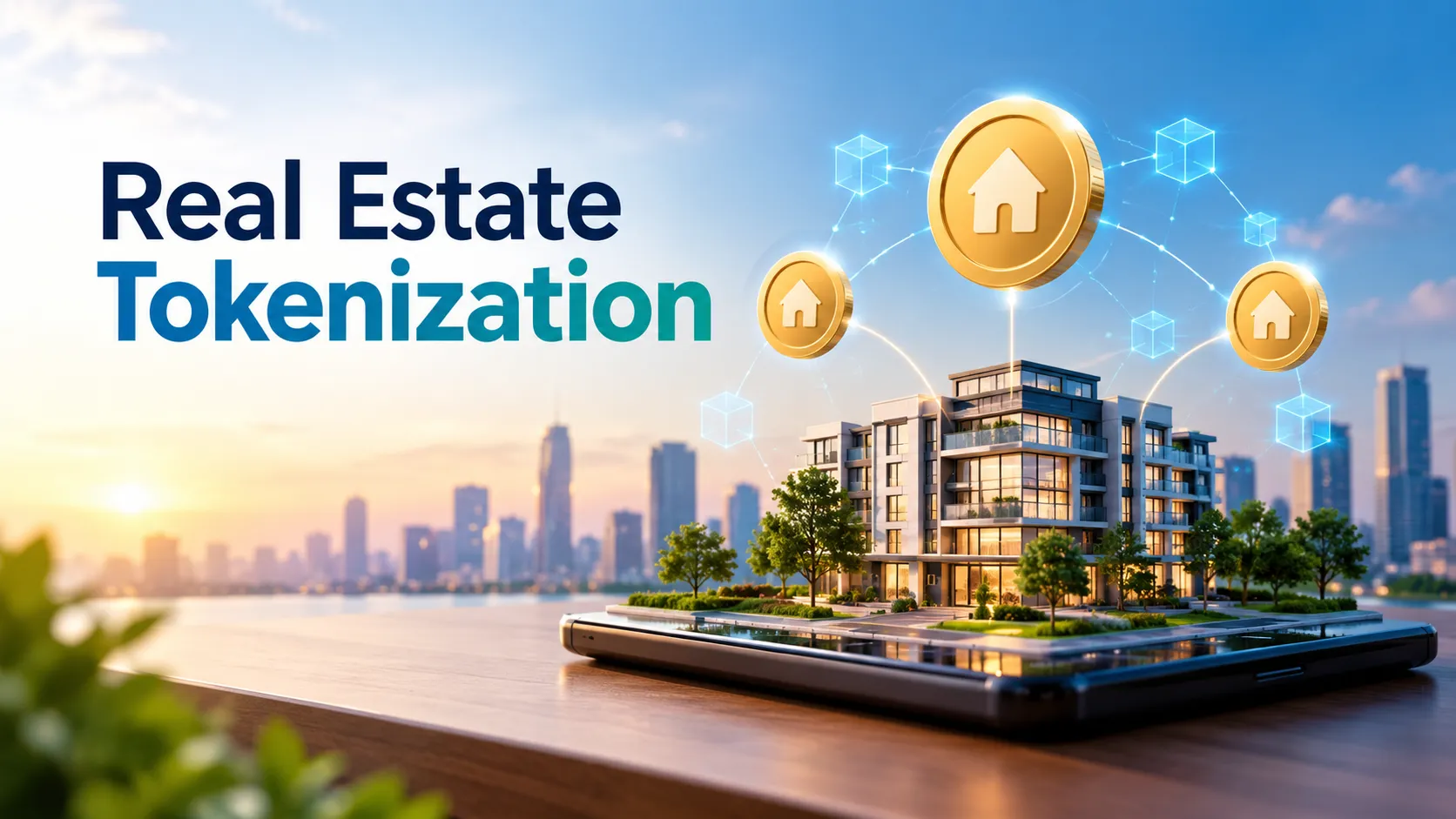
Real estate is one of the world's largest asset classes, yet property transactions remain relatively complex, capital-intensive, and time consuming.
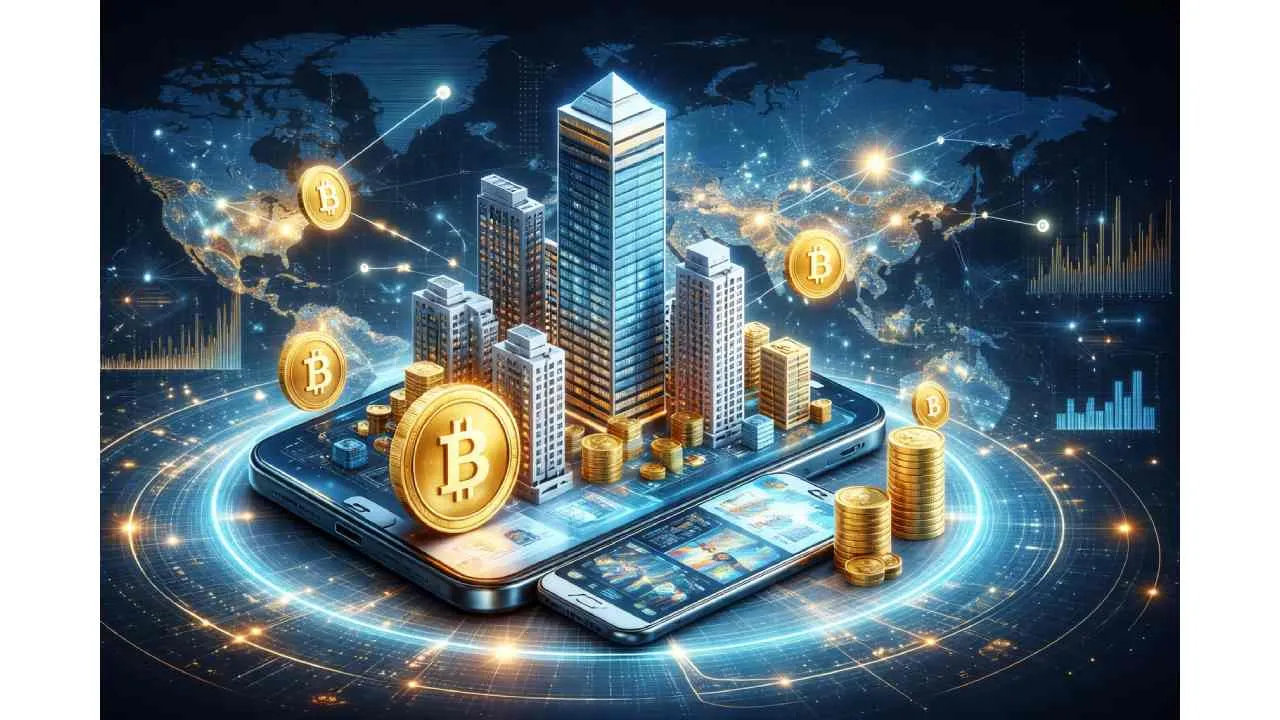
Real world asset tokenization is the process of digitally representing ownership or financial rights of tangible assets on a blockchain.
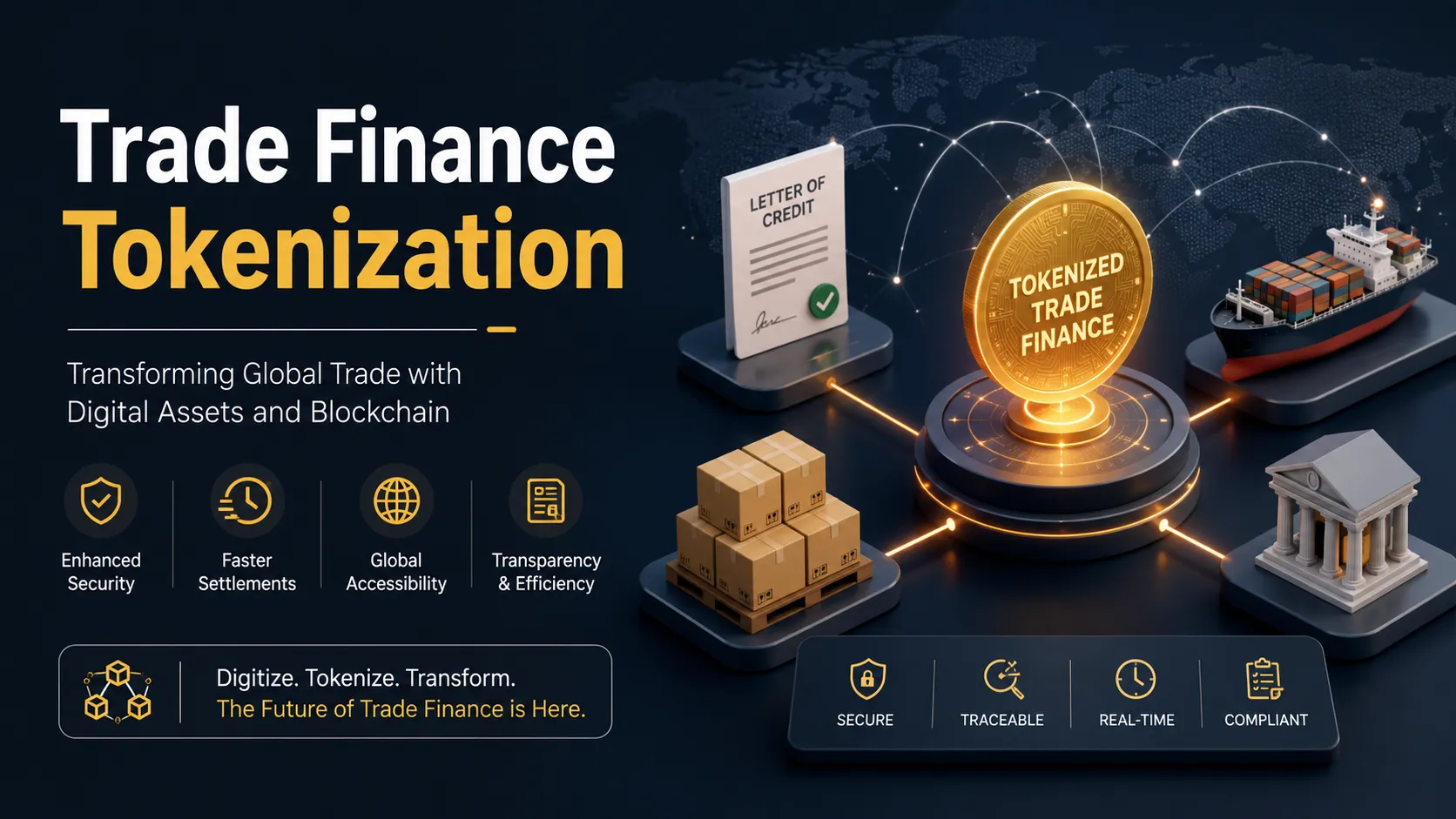
Global trade is the backbone of the world economy, yet traditional trade finance continues to rely on paper-based documentation, multiple intermediaries, len...
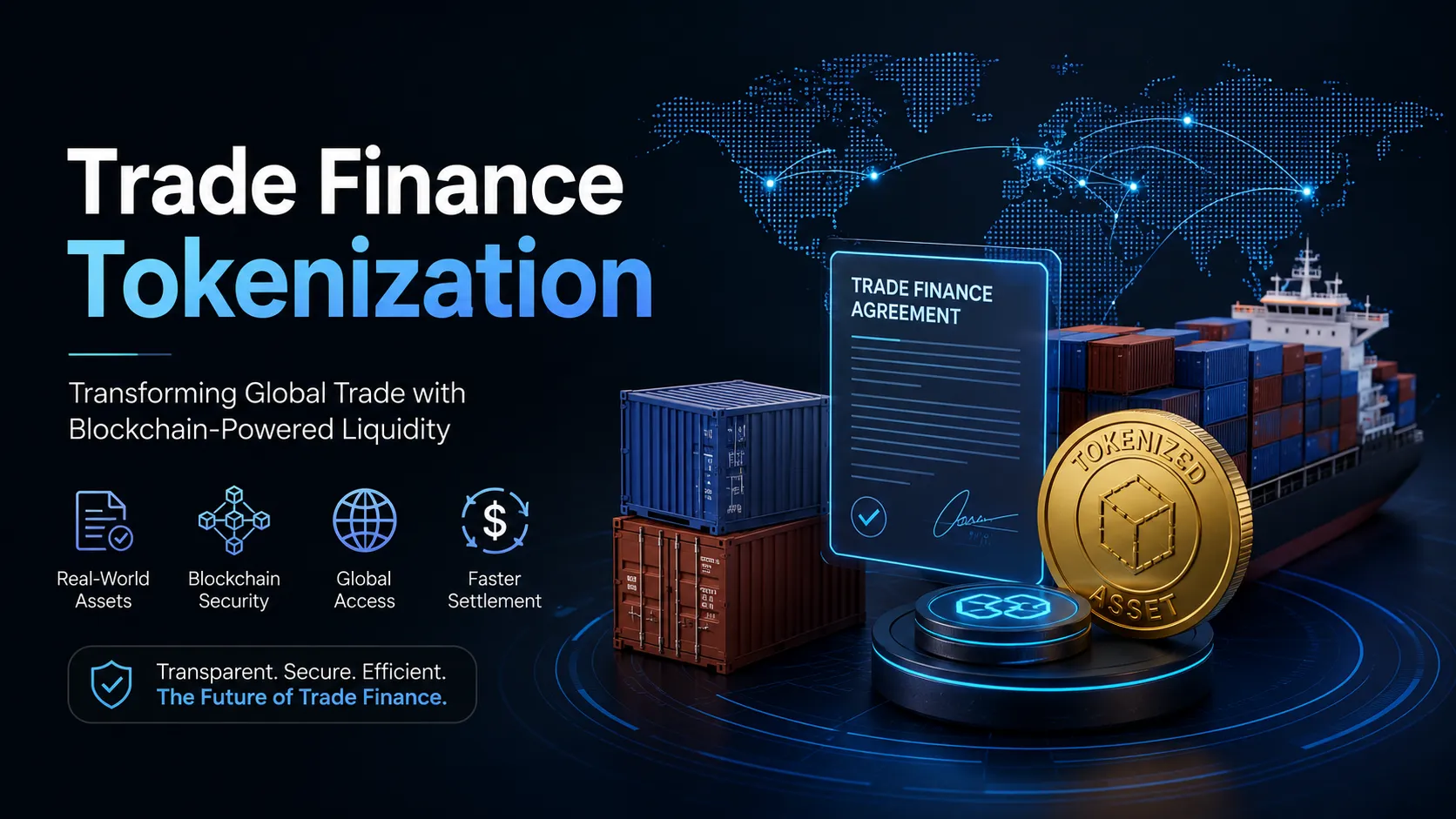
Efficient trade capital management is essential for enterprises engaged in domestic and international commerce. Every stage of the trade lifecycle from procu...

Businesses worldwide are continuously searching for innovative ways to unlock new income opportunities, improve asset utilization, and create sustainable gro...
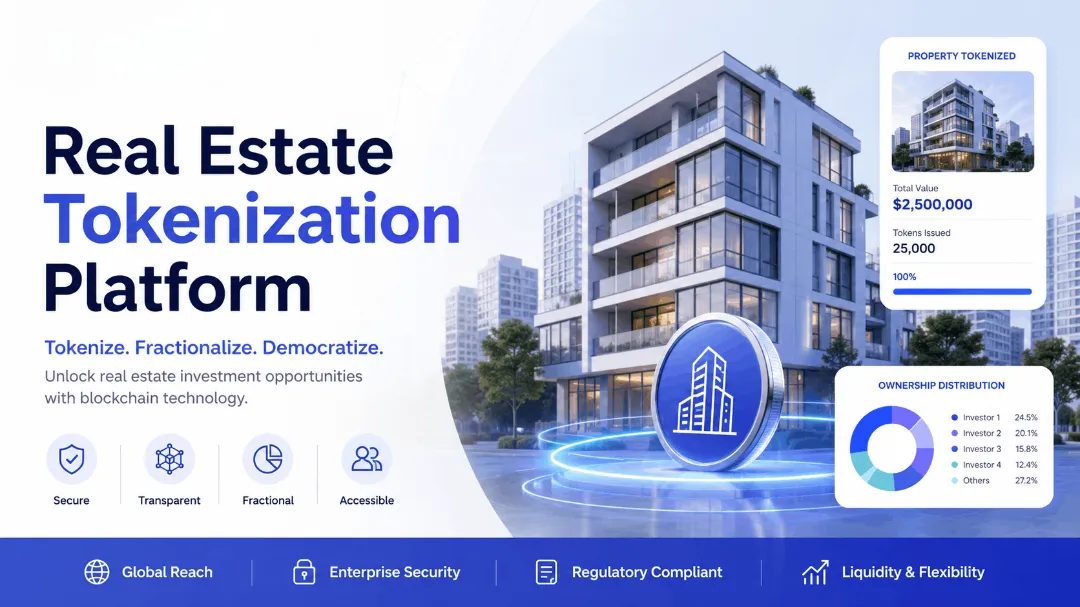
The real estate sector has traditionally been characterized by high capital requirements, complex legal frameworks, and illiquid markets. While property inve...
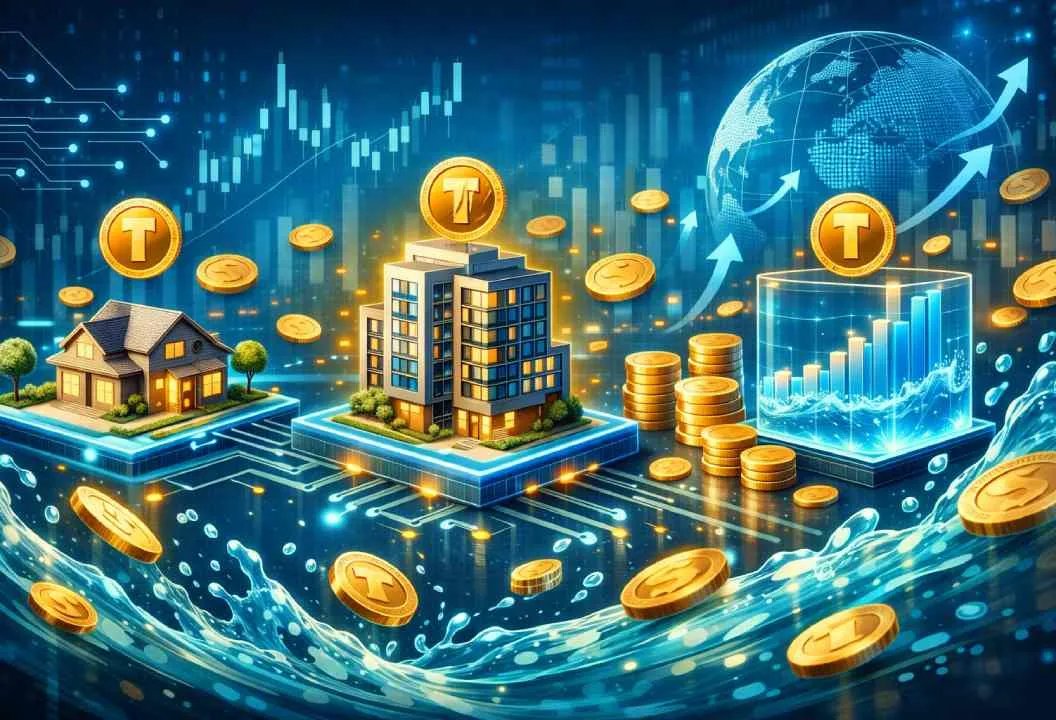
This separation of cash flow rights from physical asset ownership is what enables liquidity transformation.
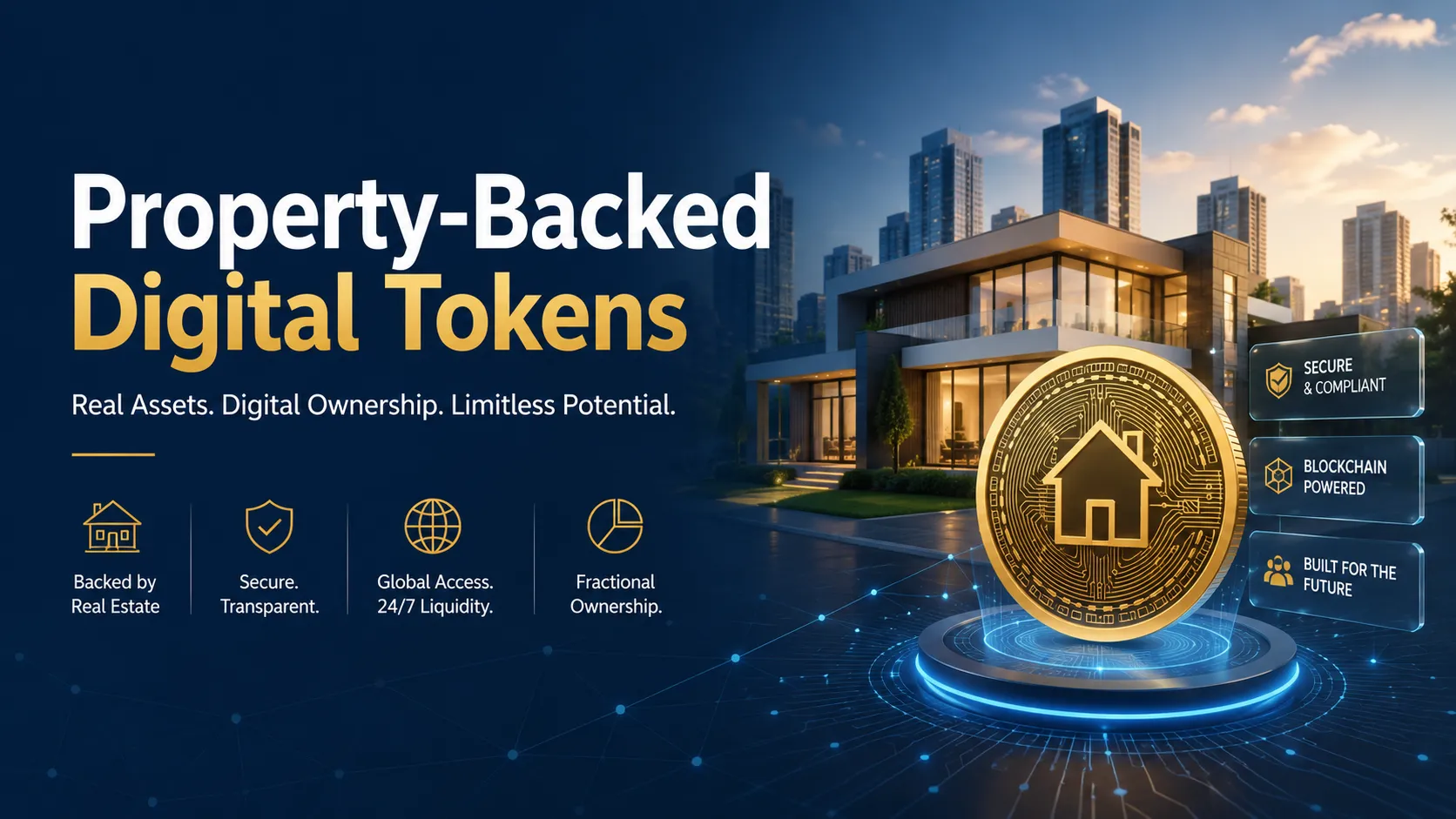
Property backed digital tokens are reshaping how real estate ownership and investment work in digital ecosystems.
The result is a hybrid ecosystem where physical asset data and blockchain records operate in sync.
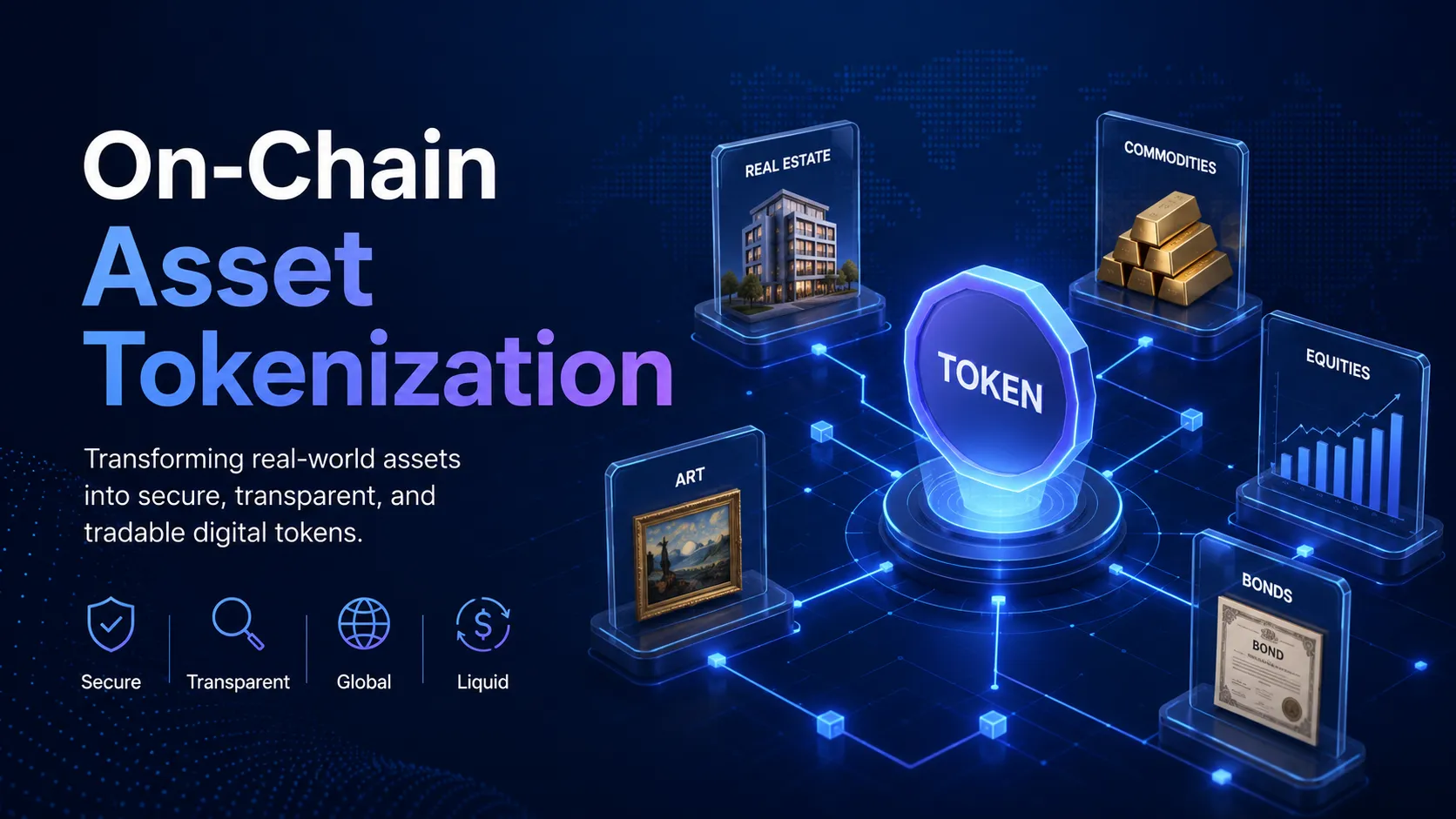
This shift is not just a technological upgrade; it is a structural transformation of how value is issued, managed, and exchanged.
El Salvador has emerged as a unique and increasingly prominent destination for both tourism and digital innovation
This shift is not simply about digitization; it is about removing friction from cross-border capital flows in real estate.