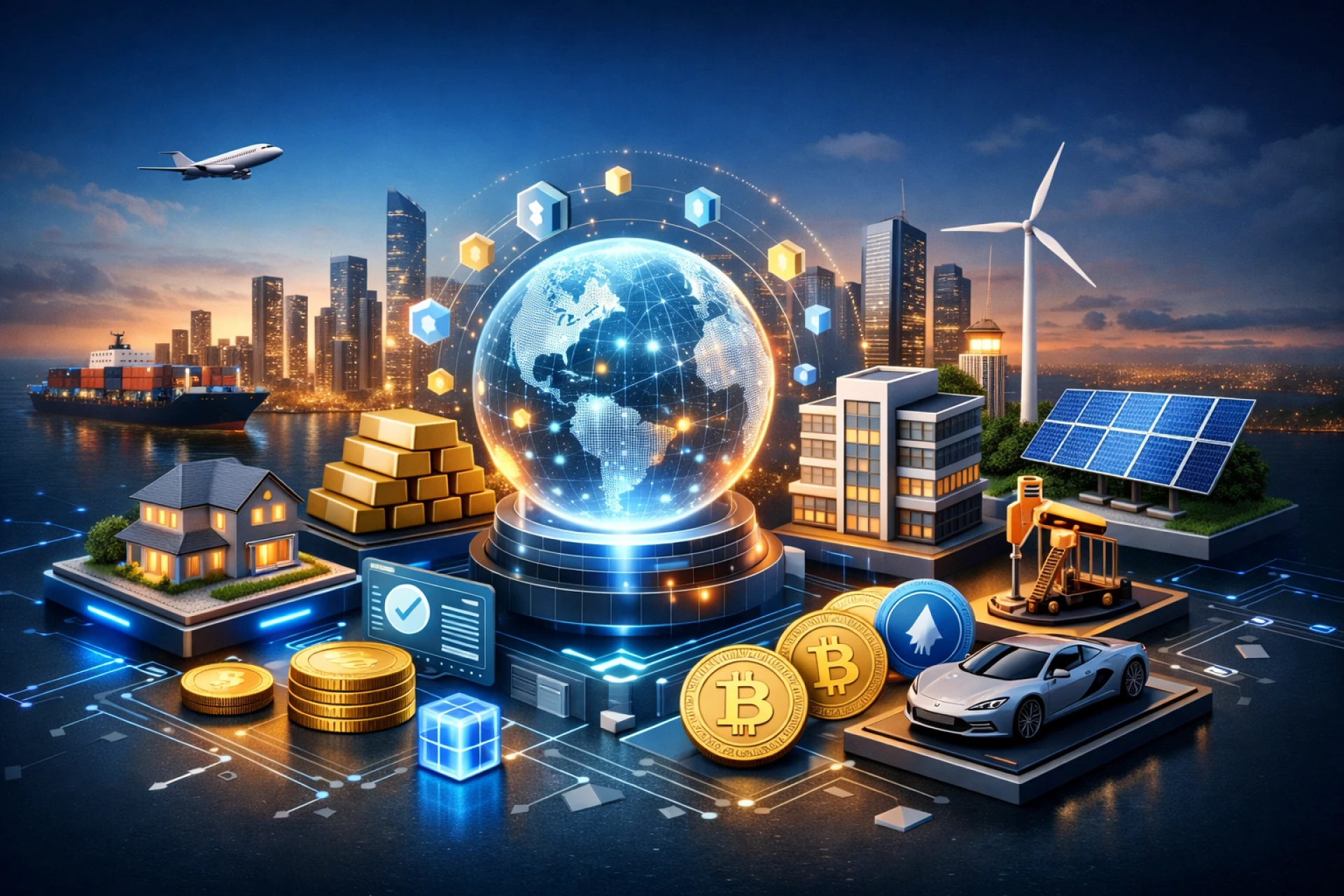

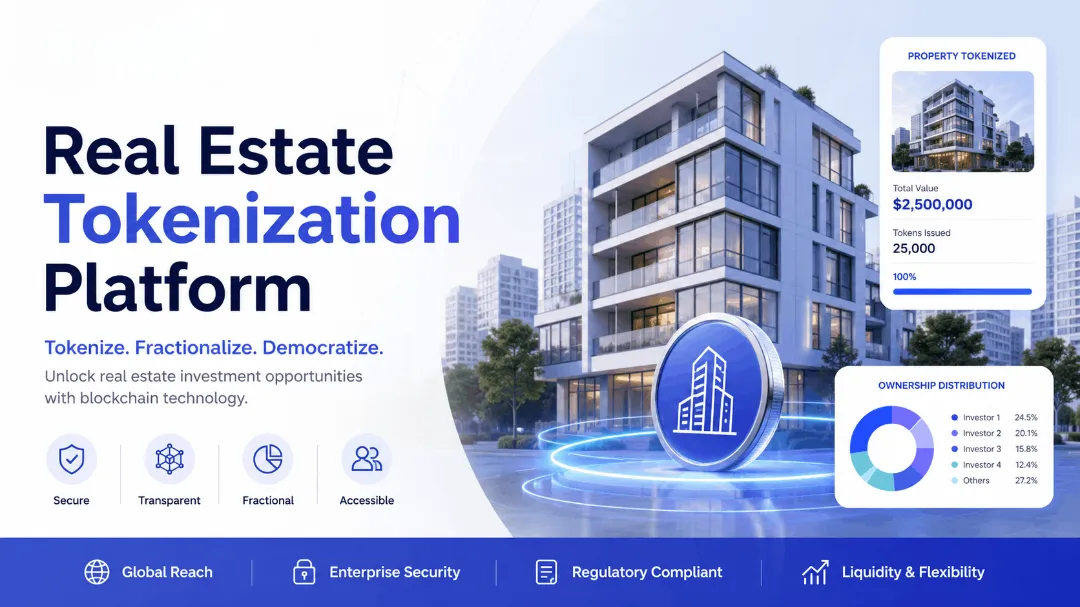
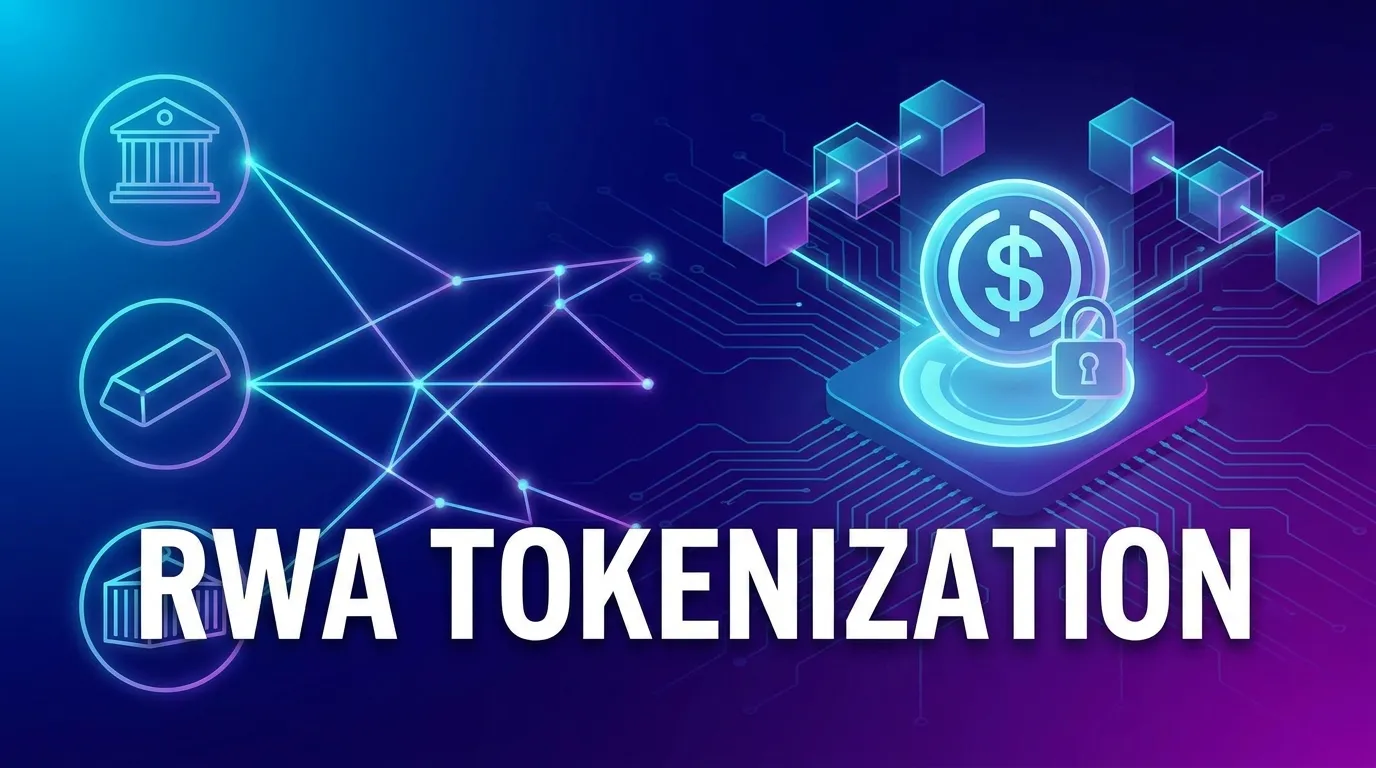
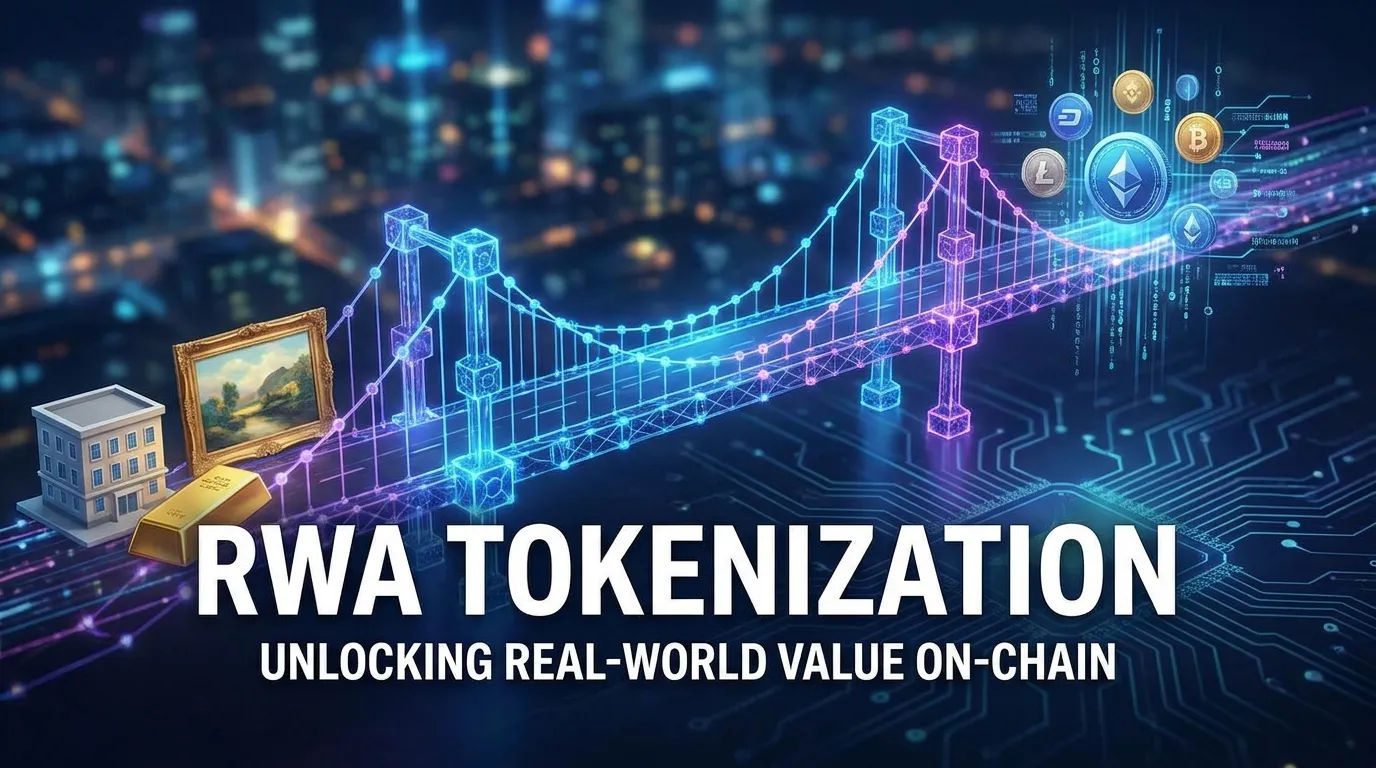
The concept of Real‑World Asset (RWA) tokenization has advanced significantly over the past few years, evolving from experimental pilot projects to robust platforms powering institutional and retail investment flows. Tokenization refers to representing tangible and financial assets — like real estate, bonds, commodities, invoices, and even carbon credits — as blockchain-native tokens that can be traded, fractionalized, and programmed via smart contracts. In 2026, this trend is becoming mainstream, driven by demand for liquidity, transparency, cross-border access, lower transaction costs, and broader investor participation.
In this blog, we will explore the top platforms and ecosystems enabling RWA tokenization in 2026, discuss their core strengths, typical use cases, technological advantages, and why they are considered leaders in the field. We will also look at supporting blockchain networks that power these platforms and trends shaping the future of tokenized assets.
Understanding Real‑World Asset Tokenization
Before diving into the platforms themselves, it’s crucial to understand what makes RWA tokenization unique and transformative.
Traditionally, real assets like real estate or corporate bonds are traded via intermediaries — banks, brokers, exchanges — with settlement cycles that can take days and high friction in onboarding. Tokenization migrates asset ownership onto a distributed ledger, enabling:
- Fractional ownership: Investors can own portions of a high-value asset (like a building or bond tranche) without needing to buy the whole.
- Programmability: Tokens can automatically pay yield (like rent or coupons) via smart contracts.
- 24/7 markets: Unlike traditional markets with set opening hours, tokenized assets can trade globally and continuously.
- Lower costs and higher transparency: Smart contracts reduce middlemen and provide auditable ownership history.
These benefits have attracted institutional interest and regulatory attention as traditional finance seeks innovation while ensuring investor protections. With increasing regulatory clarity in markets like the European Union and strategic blockchain frameworks emerging globally, the sector is positioned for substantial growth.
Top Platforms for RWA Tokenization in 2026
Here are the most impactful and widely recognized platforms as of 2026. They vary in scope — some focus on specific asset types like real estate, while others provide complete tokenization infrastructure or decentralized DeFi-style exposure.
1. Securitize — Regulation‑First Tokenization Lifecycle
Securitize stands out as a foremost compliance-centric tokenization platform, widely adopted by both institutional issuers and sophisticated retail investors. It bridges traditional financial markets with blockchain by offering a full lifecycle solution including investor onboarding (KYC/AML), issuance, compliance, cap table management, and access to secondary trading via regulated alternative trading systems.
What sets Securitize apart is its integration with real regulatory frameworks, making it a preferred choice for tokenizing securities, private equity, debt, and funds with legal recognition. The firm has tokenized significant volumes of assets and serves thousands of clients and investors — signaling substantial traction and trust in regulated markets.
2. Tokeny Solutions — Enterprise‑Grade Tokenization Services
Tokeny Solutions provides enterprise-ready tokenization technology focused on compliant, modular solutions that support a range of asset types — including equity, debt, real estate, and commodities. Tokeny uses standards like ERC-3643, a security token standard optimized for permissioned tokens with built-in compliance controls.
Tokeny’s ecosystem is designed for global issuers seeking broad geographic reach while meeting investor verification and regulatory requirements. Its modular approach — covering issuance, investor management, and lifecycle governance — makes it attractive for companies seeking efficient and compliant tokenization infrastructure.
3. Centrifuge — DeFi‑First Asset Tokenization
Centrifuge takes a distinct approach by connecting real-world asset tokenization directly with decentralized finance (DeFi). The protocol enables asset originators to bring assets such as invoices, receivables, and small-business loans on-chain and then finance them via decentralized liquidity pools.
Using Centrifuge’s Tinlake framework, asset pools issue two token types (DROP and TIN) that investors can purchase to finance the underlying cash flows, effectively turning previously illiquid assets into tradable, yield-bearing tokens. Centrifuge pioneers the notion of unlocking traditional financial assets for DeFi liquidity — expanding the DeFi universe’s real-world exposure.
4. Ondo Finance — Fixed‑Income and TradFi Tokenization
Ondo Finance specializes in tokenizing traditional fixed-income instruments, such as government bonds, corporate bonds, and structured products. Its platform blends DeFi innovation with traditional financial instruments, allowing investors to hold tokenized versions of these assets that generate yield while benefitting from blockchain’s speed and transparency.
Ondo has expanded into tokenized equities and ETFs, making it increasingly comprehensive for investors seeking secure, yield-bearing tokens backed by real-world securities. The platform aims to strike a balance between regulatory compliance and decentralized access, appealing to both institutional and retail investors.
5. RealT — Fractionalized Real Estate Ownership
RealT focuses on real estate tokenization, enabling fractional ownership of residential and commercial properties. Investors buy tokens representing shares in a property, and rental income is distributed automatically via smart contracts.
What makes RealT compelling is its user accessibility and real yield distribution — rental income accrues in stablecoins and is distributed on-chain. This model democratizes real estate investment and provides smaller investors exposure to property markets that were traditionally out of reach.
6. Swarm Markets — Regulated Tokenization and Trading
Swarm Markets delivers a compliance-first platform that supports the tokenization and trading of securities, debt instruments, and real-world assets. Its regulated framework ensures that tokenized assets meet legal requirements, which is critical for institutional investors and issuers.
By providing regulated issuance with transparent governance, Swarm reduces legal uncertainty around tokenized securities — a major adoption barrier for many global financial players.
7. Maple Finance — Institutional Lending and Asset Tokenization
Maple Finance is a decentralized lending platform that tokenizes credit markets backed by real-world assets. It connects institutional lenders with credit opportunities, offering flexible and transparent credit exposure on-chain.
Maple’s infrastructure enables institutional capital to participate in blockchain-based credit markets while maintaining exposure to real-world collateral, making it a key player in bringing larger capital flows into decentralized finance.
8. Plume Network — Purpose‑Built RWA Blockchain
Plume Network is emerging as a purpose-built blockchain for real-world assets, designed to integrate compliant token issuance, cross-chain capabilities, and smart contract flexibility. With native support for regulatory features like KYC/AML and permissioned tokens, Plume aims to be a comprehensive ecosystem where asset originators and investors can issue and trade RWAs seamlessly.
The network’s growth — marked by increasing total value locked and active token holders — suggests strong momentum, particularly for institutions seeking blockchain infrastructure that aligns with regulatory expectations.
9. Redbelly Network — High‑Performance Compliant Tokenization
Redbelly Network focuses on high security, regulatory compliance, and performance for RWA tokenization. Its unique consensus avoids forks and ensures fast settlement, while integrated identity verification supports institutional compliance standards.
Redbelly’s projects include tokenizing private equity, rent rolls, and carbon credits — demonstrating applicability across diverse real-world asset categories. The emphasis on compliance and performance makes it attractive for enterprises and institutional issuers.
10. Other Notable Platforms and Protocols
While the platforms above represent leading solutions, the RWA ecosystem in 2026 includes a variety of other noteworthy entrants and specialized projects:
- Untangled Finance: Designed to bring private credit assets on-chain with decentralized access and liquidity.
- Gold-Backed Tokens: Tokens offering direct ownership of physical commodities, such as gold or silver, while leveraging blockchain liquidity.
- Maple & TrueFi: Other decentralized credit models that tie real-world collateral to lending and yield markets.
Supporting Blockchain Networks for RWA Tokenization
Alongside specific platforms, the underlying blockchains that host RWA tokenization play a critical role. These chains determine scalability, transaction costs, compliance integrations, and ecosystem maturity.
Ethereum — The Institutional Standard
Ethereum remains the dominant blockchain for RWA issuance due to its security, developer tooling, and broad institutional support. Standards such as ERC-1400 and ERC-3643 facilitate compliant security tokens, and many platforms anchor their issuance on Ethereum’s mainnet or layer-2 networks to benefit from liquidity and ecosystem depth.
Layer‑2 Networks (like Arbitrum and Polygon)
Layer‑2 solutions offer lower fees and faster transactions while retaining connection to Ethereum’s security. These networks are attractive for issuers needing efficient settlement and broader market access. Arbitrum, for example, hosts numerous tokenized assets with significant total value committed.
XDC Network — Enterprise‑Ready Tokenization
XDC is gaining traction for real-world asset tokenization with support for high throughput and near-zero fees, making it suitable for trade finance, receivables, and commodities tokenization. Its ISO-20022 rails and interoperability bridges bolster institutional adoption.
Stellar and Avalanche
Stellar excels in asset issuance and fast settlement with native decentralized exchange capabilities, while Avalanche’s subnet architecture allows custom validation rules — both features that benefit tokenization use cases requiring compliance and performance.
Other Emerging Chains
Networks like Tezos, Corda, Binance Smart Chain, Hedera Hashgraph, and others also play roles, especially for specialized or enterprise tokenization projects, each offering unique tradeoffs in security, throughput, and compliance integration.
Key Trends Shaping RWA Tokenization in 2026
The RWA landscape is dynamic, driven by technological innovation and regulatory developments. Major trends include:
1. Regulatory Clarity and Compliance First Approaches
Platforms emphasizing KYC/AML, permissioned tokens, and legal compliance are gaining preferential adoption among institutional issuers.
2. DeFi and TradFi Convergence
Protocols like Centrifuge, Ondo, and Maple blend real-world assets with decentralized liquidity, expanding investment options beyond purely digital assets.
3. Fractional Ownership and Liquidity Pools
Tokenization unlocks fractional investment opportunities, making high-value assets accessible to a broader investor base while enabling automated liquidity via smart contracts.
4. Integration of Cross‑Chain and Interoperability Standards
Emerging cross-chain frameworks aim to allow tokenized assets to move across multiple blockchains seamlessly, enhancing liquidity and market depth.
5. New Asset Classes Tokenizing
Beyond traditional assets like real estate and bonds, innovative sectors — such as carbon credits and biological assets — are being tokenized, broadening the RWA definition.
Conclusion
Real-world asset tokenization represents a fundamental shift in how tangible and financial assets are represented, traded, and invested. In 2026, a variety of platforms power this ecosystem — each with unique strengths. Some excel in regulatory-compliant issuance and lifecycle management, others drive DeFi integration and liquidity, while real estate specialists and purpose-built chains offer tailored infrastructure solutions.
Together, these platforms are expanding investor access, lowering barriers to entry, and reshaping financial markets in ways previously unimaginable. As regulation continues to evolve and technology matures, the RWA tokenization sector is poised to become a backbone of digital finance in the years ahead.















Sign in to leave a comment.