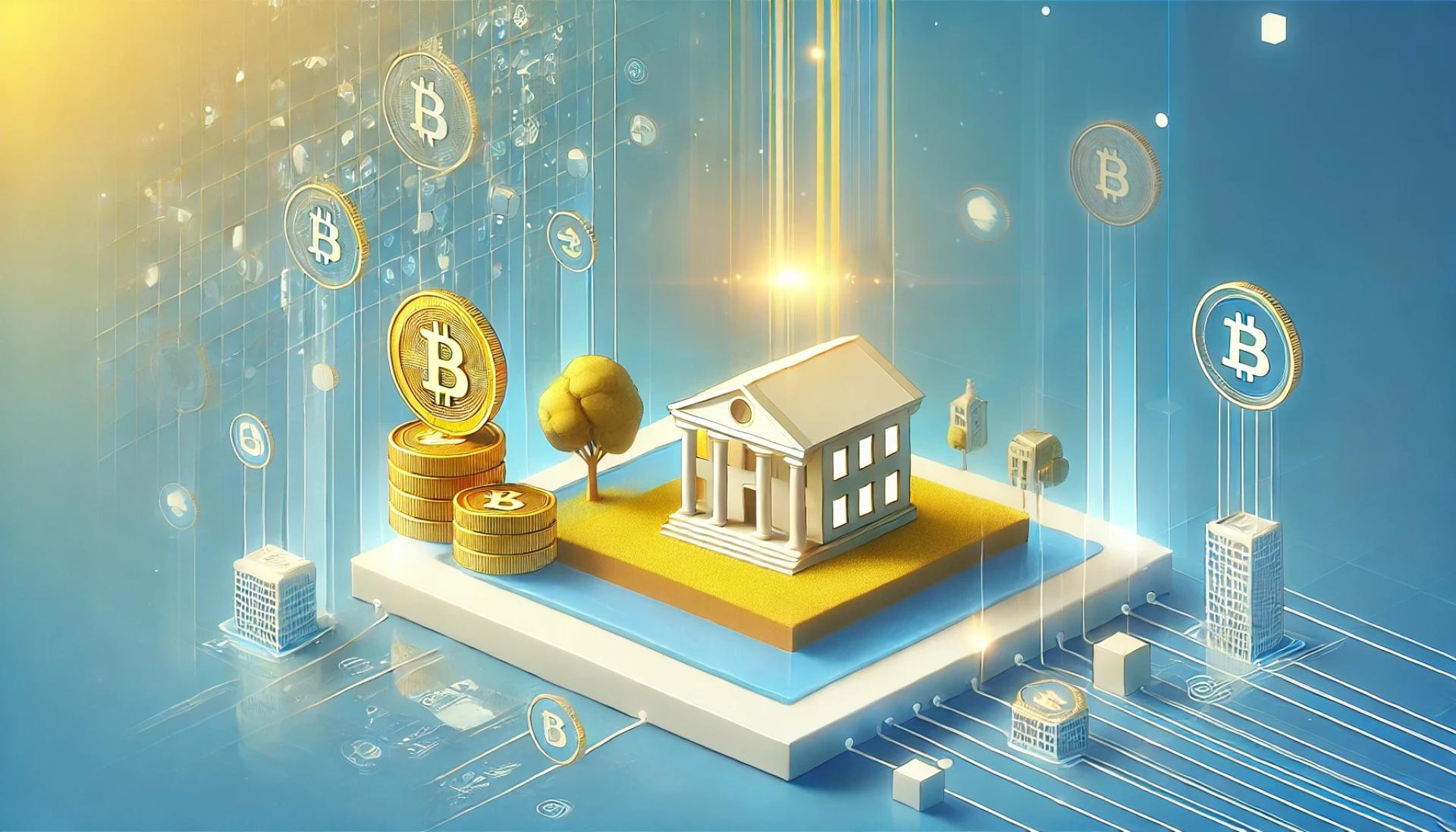

Real-world asset (RWA) tokenization is transforming the way investors engage with high-value assets like real estate, art, and commodities. By leveraging blockchain technology, tokenization allows these traditionally illiquid and hard-to-access markets to be opened up to a much broader range of investors. In this article, we explore how tokenization works, its impact on these asset classes, and the opportunities and challenges it presents for both investors and asset owners.
What is Real World Asset Tokenization?
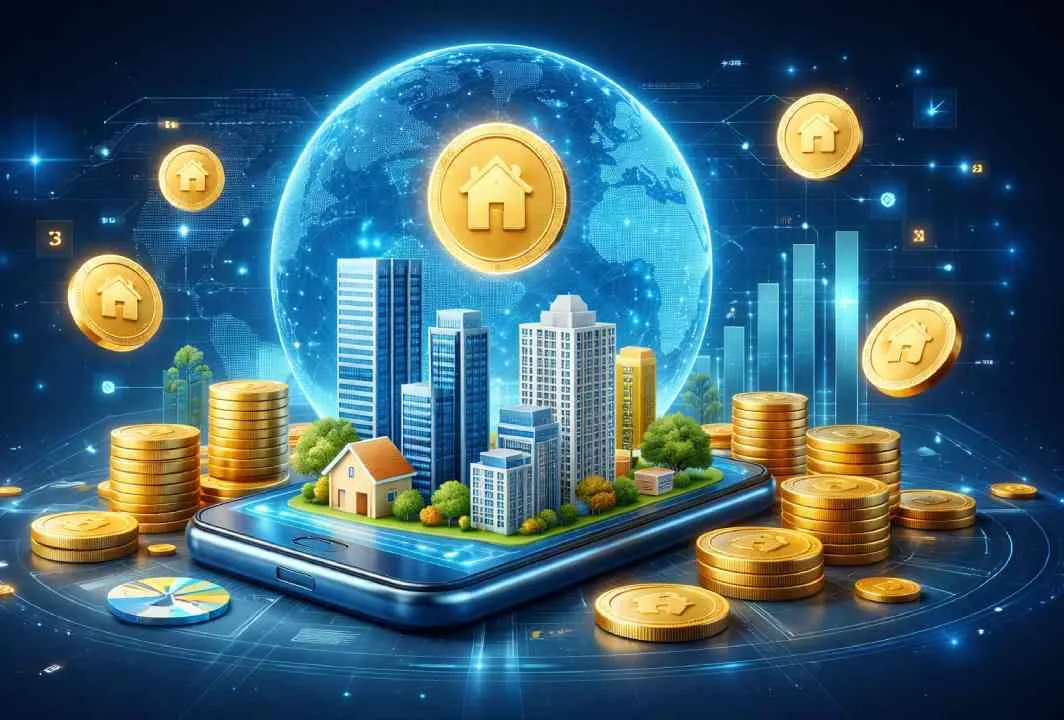
Real world asset tokenization refers to the process of creating digital tokens on a blockchain that represent ownership in a tangible asset. These tokens can be traded, sold, or transferred with the same ease as cryptocurrencies. For example, a luxury property worth $10 million could be divided into 10 million tokens, each representing a fraction of the ownership.
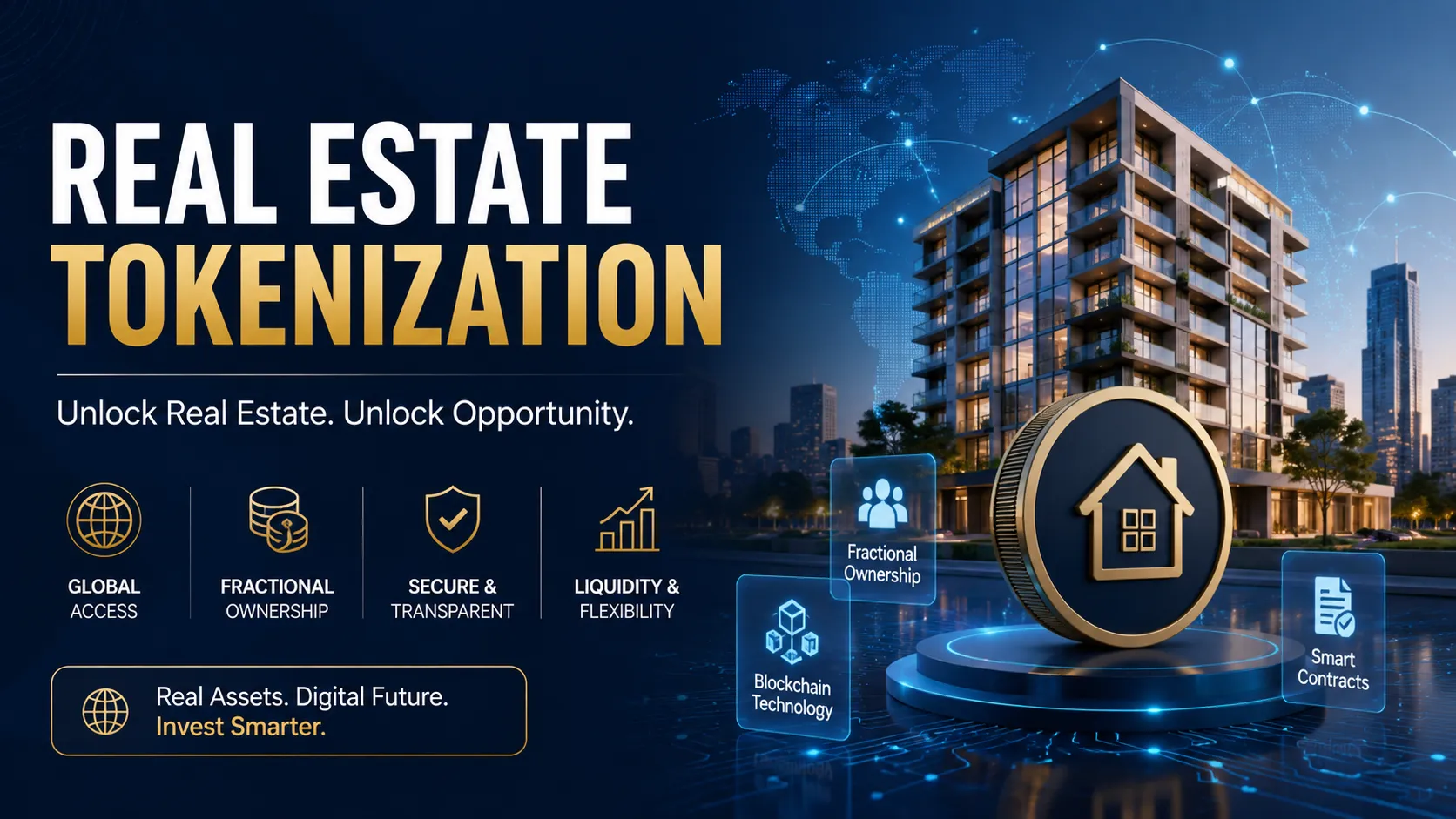
Blockchain technology ensures transparency, security, and immutability, while smart contracts automate key functions such as dividend payments or voting rights. By doing so, tokenization reduces the need for intermediaries and opens up investment opportunities that were previously out of reach for most investors.
Key Benefits of Tokenization
1. Fractional Ownership
Historically, many high-value assets, such as luxury real estate or fine art, were accessible only to wealthy investors or large institutions. Tokenization allows these assets to be divided into smaller, tradable units, or "fractions," allowing anyone to invest in them. This democratizes ownership and provides opportunities for a broader range of investors.
2. Liquidity
Many physical assets are illiquid, meaning they can’t be easily sold or traded. Tokenizing real estate, art, or commodities introduces liquidity into these traditionally slow-moving markets. Investors can now trade fractions of these assets almost instantly, making it easier to buy and sell ownership stakes.
3. Transparency and Security
Blockchain technology provides a transparent and secure ledger for every transaction. Each transfer of ownership is recorded, ensuring that no one can tamper with or falsify records. This makes tokenized assets more trustworthy and less susceptible to fraud.
4. Accessibility
Tokenization opens up investment in high-value assets to global markets. Anyone with access to a tokenized marketplace can invest in tokenized properties, artworks, or commodities, regardless of their geographical location.
Real Estate Tokenization
Unlocking Liquidity in the Real Estate Market
The real estate market has long been known for its illiquidity. Buying or selling properties can take months or years, with the process often involving complex legal and financial transactions. Tokenization allows real estate to be divided into smaller, tradable units, which can be sold or bought much faster and at a lower cost.
For example, a commercial office building might be tokenized into thousands of units, enabling small-scale investors to own a stake in the property and share in its rental income. This gives investors greater access to real estate investments, without the need to purchase entire properties.
Diversification and Risk Mitigation
Tokenizing real estate allows investors to diversify their portfolios with fractional investments across different types of properties, including residential, commercial, and industrial real estate. By spreading investments across multiple properties, investors can reduce their risk exposure and increase the potential for returns.
Compliance and Regulation
Real estate tokenization must also comply with local regulations governing property ownership, securities law, and tax rules. While blockchain can automate many aspects of compliance, each jurisdiction will have different requirements, so platforms and investors must carefully navigate these legal complexities.
Art Tokenization
Making Art Investments Accessible
The art market is another area that has historically been reserved for the ultra-wealthy. High-value paintings, sculptures, and other collectibles were often out of reach for most investors due to their high cost and low liquidity. Tokenizing art assets allows investors to buy fractional ownership of art pieces, thereby reducing the financial barrier to entry.
For example, tokenized art enables investors to purchase a fraction of an iconic painting and benefit from its potential appreciation in value. This model creates a new asset class that blends the worlds of art and finance.
Provenance and Authentication
One of the main challenges in the art market is ensuring the authenticity and provenance of artworks. Tokenization solves this problem by recording every transaction on the blockchain, providing a transparent, immutable record of the artwork's history. This enhances confidence among buyers and sellers and reduces the risk of purchasing counterfeit or stolen works.
Secondary Market Liquidity
Tokenized art can also be traded on secondary marketplaces, which gives investors the ability to buy and sell their ownership stakes quickly. This flexibility introduces liquidity to a market that has traditionally been illiquid, and allows investors to adjust their portfolios without waiting for auctions or private sales.
Tokenization in Commodities
Digitizing Physical Commodities
Commodities like gold, oil, and agricultural products have traditionally been challenging for retail investors to access. Physical commodities often require storage, insurance, and logistics, making it costly and inefficient to trade them. Tokenization allows these assets to be represented digitally, with tokens backed by real-world commodities, thereby simplifying the investment process.
For example, tokenized gold provides a way for investors to hold digital representations of gold without needing to worry about physical storage. Investors can trade gold-backed tokens, track real-time prices, and easily transfer ownership without the need for a physical exchange of goods.
Transparent Supply Chains
Blockchain’s ability to track assets in real-time also benefits commodity markets. Tokenization enables the tracking of commodities from origin to destination, offering transparency and reducing the risk of fraud. This is particularly useful in industries like agriculture, where consumers and investors are increasingly interested in knowing the origins of their food products.
Fractional Ownership
By tokenizing commodities, investors can gain fractional exposure to markets that were traditionally limited to institutional investors. This opens up new investment opportunities, allowing individuals to diversify into areas like agricultural commodities, precious metals, and energy markets with relatively low capital.
Technological Infrastructure for Tokenization
Blockchain Selection
The underlying blockchain used for tokenization plays a significant role in ensuring the scalability, speed, and security of the process. Ethereum is the most commonly used blockchain for tokenization due to its strong developer ecosystem and support for smart contracts. However, other blockchains, such as Solana and Binance Smart Chain, are gaining traction due to their lower transaction costs and faster speeds.
Smart Contracts
Smart contracts are integral to the process of asset tokenization. These self-executing contracts automate processes like payments, voting rights, and compliance checks. For instance, a real estate token may automatically distribute rental income to token holders or ensure that only accredited investors can purchase the tokens. This reduces human intervention and lowers administrative costs.
Security and Custody
Security is a major concern in digital asset management. Tokenized assets must be securely stored, either in decentralized or custodian-managed wallets, to protect against hacks, theft, or loss. Multi-signature wallets and regular audits help to ensure that tokenized assets are protected.
Secondary Market Platforms
For tokenized assets to be viable, there must be secondary markets where these assets can be traded. Several platforms have emerged to facilitate the trading of tokenized real estate, art, and commodities, making it easy for investors to buy and sell tokens on a global scale.
Opportunities for Investors
1. Diversification
Tokenization allows investors to diversify their portfolios by gaining exposure to different asset classes, geographies, and industries. With fractional ownership, even small investors can hold a stake in high-value assets like real estate, art, and commodities.
2. Liquidity
One of the most significant advantages of tokenization is the liquidity it offers. Traditional assets like real estate and art often take months to sell, but tokenized versions can be traded in real-time on blockchain platforms. This improves flexibility for investors who want to adjust their portfolios quickly.
3. Global Access
Tokenized assets are accessible to investors around the world, removing geographical barriers. Whether an investor is based in New York or Nairobi, they can purchase tokenized real estate in London or share in the profits of an art investment.
4. Passive Income
Many tokenized assets, such as real estate and commodities, generate income for investors. Rental income from tokenized properties or revenue from tokenized commodities can be automatically distributed via smart contracts, providing a steady income stream.
Challenges and Considerations
Regulatory Uncertainty
Tokenization is still a relatively new concept, and regulatory frameworks are evolving. In many jurisdictions, tokenized assets are treated as securities, which means they must comply with securities laws. Platforms must ensure compliance to avoid legal challenges, and regulators must create clear guidelines for tokenization.
Market Adoption
While tokenization offers significant benefits, its widespread adoption is still in its early stages. Many traditional investors remain skeptical about the technology, and more work needs to be done to educate both institutional and retail investors.
Valuation of Tokenized Assets
The valuation of tokenized assets, especially art and collectibles, can be subjective. While market forces will drive prices, transparent valuation methods and third-party appraisals are essential to establish trust in the market.
Conclusion
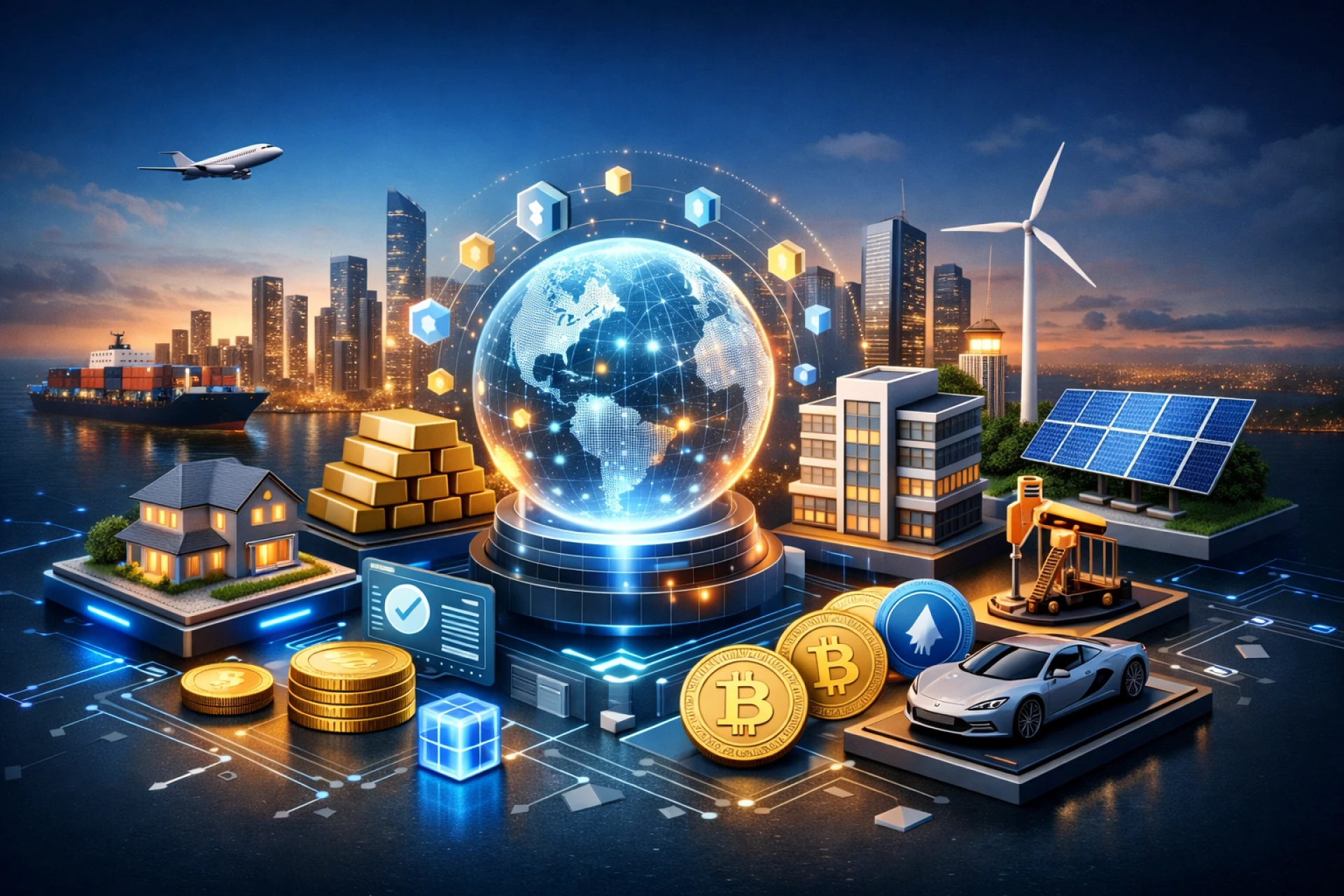
Real-world asset tokenization is revolutionizing investment opportunities by offering liquidity, accessibility, and transparency to traditionally illiquid markets like real estate, art, and commodities. As blockchain technology matures and regulatory clarity improves, tokenization has the potential to democratize ownership and create new, efficient financial markets. Investors who embrace this technology will be well-positioned to take advantage of these emerging opportunities, while asset owners can leverage tokenization to unlock liquidity and broaden their investor base.
























Sign in to leave a comment.