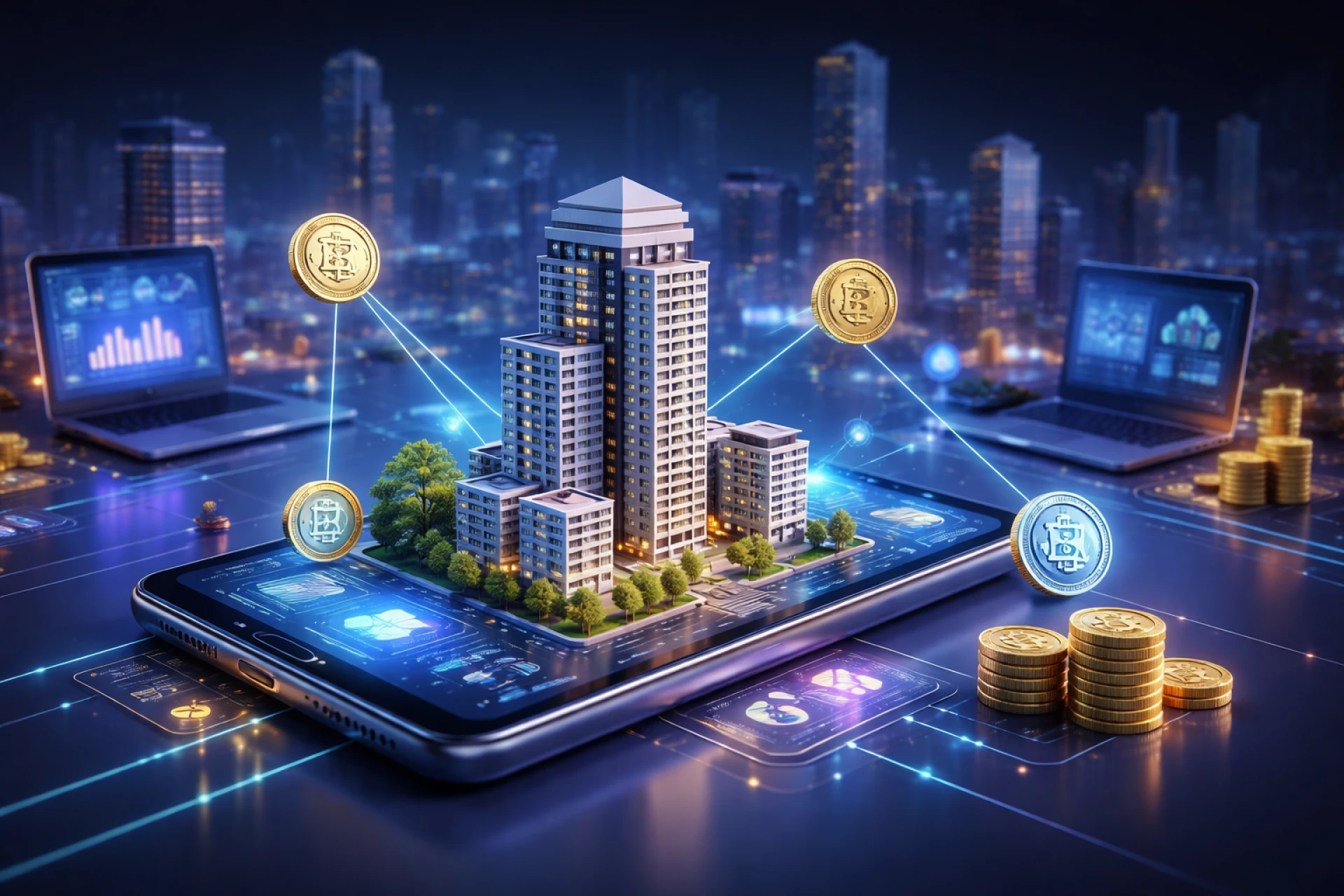

The real estate industry has been one of the most enduring and valuable sectors in global finance. Yet, it has historically been plagued by inefficiencies, high entry barriers, illiquidity, and fragmented ownership structures. Buying or selling property often involves months of paperwork, legal approvals, and significant capital outlay, restricting access to institutional investors and high-net-worth individuals. The rise of tokenized real estate, powered by blockchain technology, is now redefining how people buy, sell, and own property worldwide.
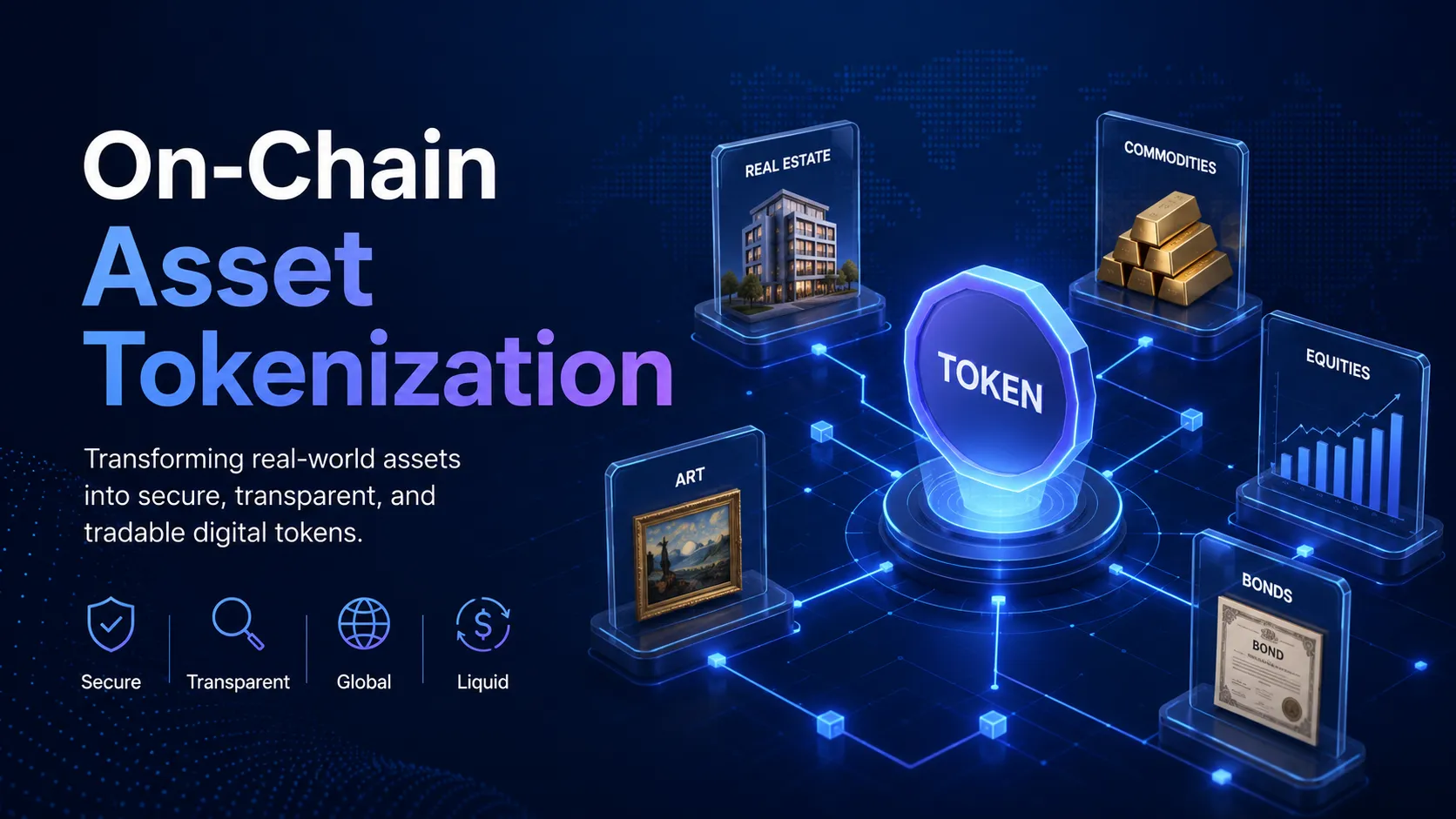
Tokenized real estate represents ownership in a property or real estate asset as digital tokens on a blockchain. Each token corresponds to a fractional interest in the asset, enabling investors to hold, trade, or profit from properties in ways that were previously impossible. This innovation not only democratizes access to high-value assets but also introduces transparency, liquidity, and operational efficiency into real estate markets.
Understanding Tokenized Real Estate
Tokenized real estate is the process of converting the economic and legal rights of a property into blockchain-based digital tokens. These tokens can represent equity, debt, or hybrid ownership structures, providing investors with proportional benefits such as rental income, capital appreciation, or governance rights.
Core elements of tokenized real estate include:
- Fractional Ownership: High-value properties can be divided into smaller, tradable units, lowering investment thresholds and broadening access.
- Blockchain Infrastructure: Tokens are issued, recorded, and transferred securely on a blockchain ledger, ensuring immutability and transparency.
- Smart Contracts: Automated agreements handle token issuance, dividend distribution, compliance verification, and ownership transfers.
- Secondary Market Access: Tokens can be traded on digital exchanges, allowing investors to buy or sell property shares quickly without waiting for traditional property transactions to close.
This combination of fractionalization, blockchain, and automation transforms the ownership and investment experience in real estate.
How Tokenization Redefines Property Ownership
1. Democratization of Real Estate Investment
Traditional real estate often requires substantial capital, making high-value assets inaccessible to most investors. Tokenization breaks down properties into smaller units, allowing individuals and institutions to invest with significantly lower amounts. A single commercial building or luxury residential development can now be owned fractionally by hundreds or even thousands of investors, leveling the playing field and creating new opportunities for wealth generation.
2. Enhanced Liquidity Through Secondary Markets
Historically, real estate has been illiquid, with property sales taking months or years. Tokenized real estate introduces tradable digital shares, which can be exchanged on secondary marketplaces. Investors can quickly enter or exit positions, and prices are determined through real-time market dynamics. This liquidity transforms property ownership into a flexible, accessible asset class akin to equities or bonds.
3. Global Access to Property Assets
Blockchain-enabled real estate tokenization platforms are accessible worldwide, allowing investors to participate in real estate markets beyond their geographic location. Cross-border ownership, previously complicated by local laws, banking processes, and taxes, is now simplified through compliant token offerings. International investors can hold fractional shares in premium properties in major cities across the globe, diversifying portfolios and gaining exposure to high-performing markets.
4. Transparency and Trust
Blockchain technology ensures that all property transactions, ownership records, and income distributions are transparent and immutable. Token holders can verify rental income, asset valuations, and historical transactions in real-time, reducing the risk of fraud and increasing confidence in the investment process. Transparent records also help align interests between property owners, investors, and developers.
5. Operational Efficiency Through Smart Contracts
Smart contracts automate many traditional real estate processes, such as rent collection, dividend allocation, and compliance reporting. This reduces administrative overhead, minimizes errors, and accelerates transaction settlements. Automated governance may also allow token holders to vote on property-related decisions, creating a more efficient and participatory ownership model.
Use Cases Transforming Real Estate Markets
Commercial Properties
Office towers, retail complexes, and industrial warehouses can be tokenized, allowing multiple investors to hold fractional ownership. Rental income and profits from property appreciation are distributed automatically to token holders, providing both income and liquidity.
Residential Real Estate
Luxury apartments, rental communities, and co-living developments can be fractionalized through tokenization. Investors gain access to high-demand residential markets without committing large sums, and they can trade their ownership on secondary marketplaces.
Development and Pre-Construction Projects
Developers can tokenize upcoming projects to raise capital during the early stages of construction. Investors can gain exposure to high-value developments before completion, and tokenized ownership allows for early liquidity through secondary markets.
Real Estate Investment Trusts (REITs)
Tokenized REITs provide an efficient way to invest in diversified property portfolios with fractional ownership. Unlike traditional REIT shares, tokenized REIT units can be traded on blockchain-enabled secondary platforms, enhancing liquidity and accessibility.
Strategic Benefits for Investors and Property Owners
- Reduced Capital Barriers: Fractional ownership allows wider participation from retail and institutional investors.
- Increased Liquidity: Tokens can be bought and sold efficiently, unlocking value from previously illiquid properties.
- Global Market Access: Cross-border investors can participate in premium real estate markets without geographic limitations.
- Transparent and Secure Records: Blockchain ensures verifiable ownership and historical transaction data.
- Operational Automation: Smart contracts reduce administrative costs and accelerate settlement of payments and compliance.
Challenges and Considerations
While tokenized real estate offers transformative benefits, several challenges remain:
- Regulatory Compliance: Token offerings must adhere to property and securities laws across different jurisdictions.
- Market Maturity: Secondary marketplaces are still developing, and trading volumes may be limited in early stages.
- Valuation Accuracy: Accurate property appraisal and auditing are essential for fair token pricing.
- Technology Security: Blockchain platforms must be robust against cyber threats and operational failures.
- Investor Education: Both institutional and retail investors require clear guidance on tokenized real estate structures, benefits, and risks.
The Future of Tokenized Real Estate
Tokenized real estate is set to redefine property ownership globally. Future trends include:
- Integration with AI and Analytics: Leveraging AI to optimize investment decisions, forecast returns, and manage tokenized portfolios.
- Expansion of Secondary Market Platforms: More exchanges and marketplaces will increase liquidity and price discovery.
- Hybrid Ownership Models: Combining traditional property ownership with tokenized assets for enhanced flexibility and efficiency.
- Institutional Adoption: Pension funds, sovereign wealth funds, and large asset managers are likely to incorporate tokenized real estate into mainstream investment portfolios.
Conclusion
Tokenized real estate is fundamentally transforming how the world buys, owns, and invests in property. By enabling fractional ownership, global access, enhanced liquidity, and operational efficiency, tokenization democratizes real estate investment and bridges the gap between traditional markets and modern digital ecosystems. Investors gain flexibility and transparency, while property owners and developers unlock new capital sources and operational efficiencies.
As blockchain infrastructure matures and regulatory frameworks evolve, tokenized real estate will likely become a mainstream method of property investment, reshaping global real estate markets for the 21st century.























Sign in to leave a comment.