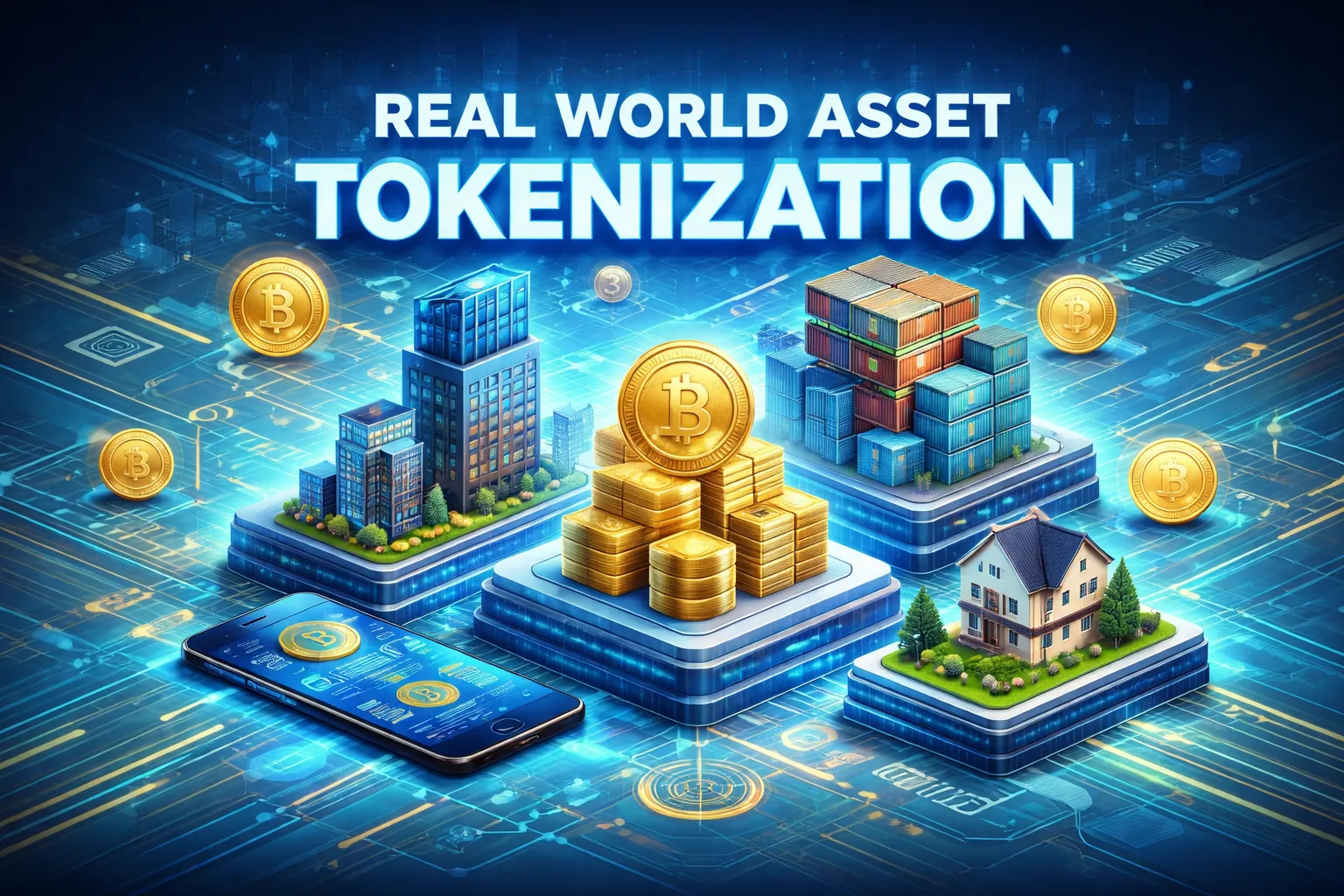

Real-world asset (RWA) tokenization is redefining how physical and financial assets are owned, managed, and traded. By converting tangible assets such as real estate, commodities, invoices, bonds, and even infrastructure into blockchain-based digital tokens, companies are unlocking new levels of liquidity, transparency, and accessibility in global markets.
This shift is not just a technological upgrade. It represents a structural change in how value is represented and exchanged. Assets that were traditionally slow-moving and restricted to specific investor groups are now becoming programmable, divisible, and globally accessible through blockchain networks.
Understanding Real-World Asset Tokenization
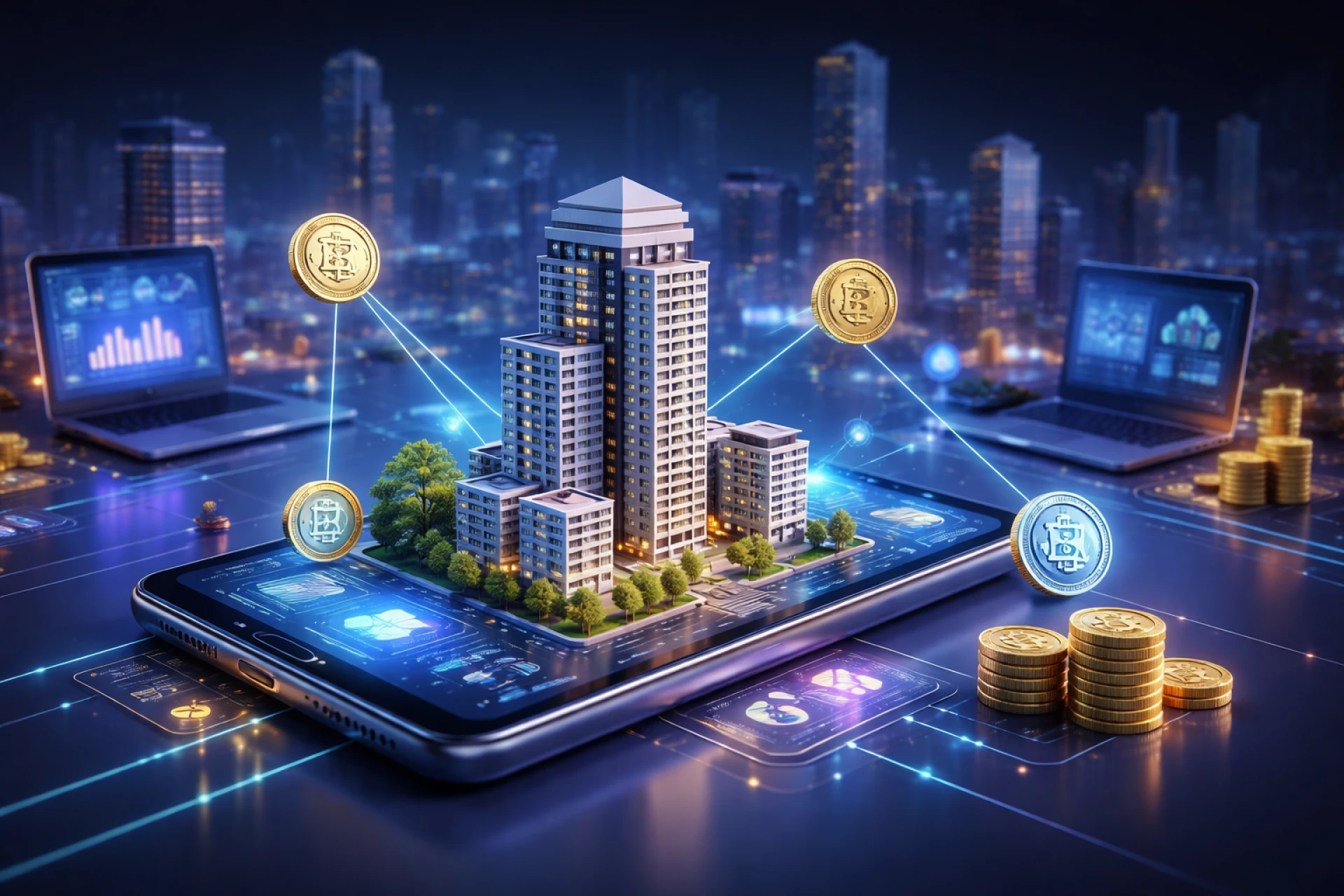
Real-world asset tokenization is the process of converting ownership rights of physical or traditional financial assets into digital tokens on a blockchain. Each token represents a fractional share or claim on the underlying asset. For example, a commercial building worth millions can be divided into thousands of tokens, allowing multiple investors to own small portions of it. These tokens can then be traded, transferred, or held, depending on regulatory and platform rules.
The core idea is simple:
Physical ownership becomes digital representation.
However, the underlying infrastructure is more complex, involving legal frameworks, smart contracts, valuation mechanisms, custody systems, and compliance layers.
Why Companies Are Adopting Asset Tokenization
Organizations across industries are exploring tokenization because it addresses long-standing inefficiencies in traditional asset systems.
1. Unlocking Liquidity in Illiquid Markets
Many real-world assets, especially real estate, private equity, and infrastructure projects, are highly illiquid. Selling such assets often takes months or even years.
Tokenization introduces fractional ownership, which allows parts of an asset to be sold independently. This creates liquidity where there was none before, enabling investors to enter and exit positions more easily.
2. Lowering Investment Barriers
High-value assets typically require significant capital, restricting participation to institutional investors or high-net-worth individuals. With tokenization, ownership can be divided into smaller units. This reduces entry barriers and opens investment opportunities to a wider audience, including retail investors who were previously excluded from such markets.
3. Improving Transparency and Trust
Blockchain technology records all transactions on an immutable ledger. This ensures that ownership history, transfer records, and asset performance data are transparent and verifiable. For companies, this reduces disputes and increases investor confidence. For investors, it provides clearer visibility into asset-backed investments.
4. Enhancing Efficiency in Asset Management
Traditional asset management involves intermediaries such as brokers, custodians, and legal administrators. These layers increase costs and slow down processes. Tokenization reduces dependency on intermediaries through smart contracts that automate ownership transfers, revenue distribution, and compliance checks. This improves operational efficiency significantly.
How Companies Are Implementing Tokenization
The adoption of RWA tokenization is happening across multiple sectors, each using blockchain in slightly different ways depending on asset type and regulatory requirements.
1. Real Estate Tokenization
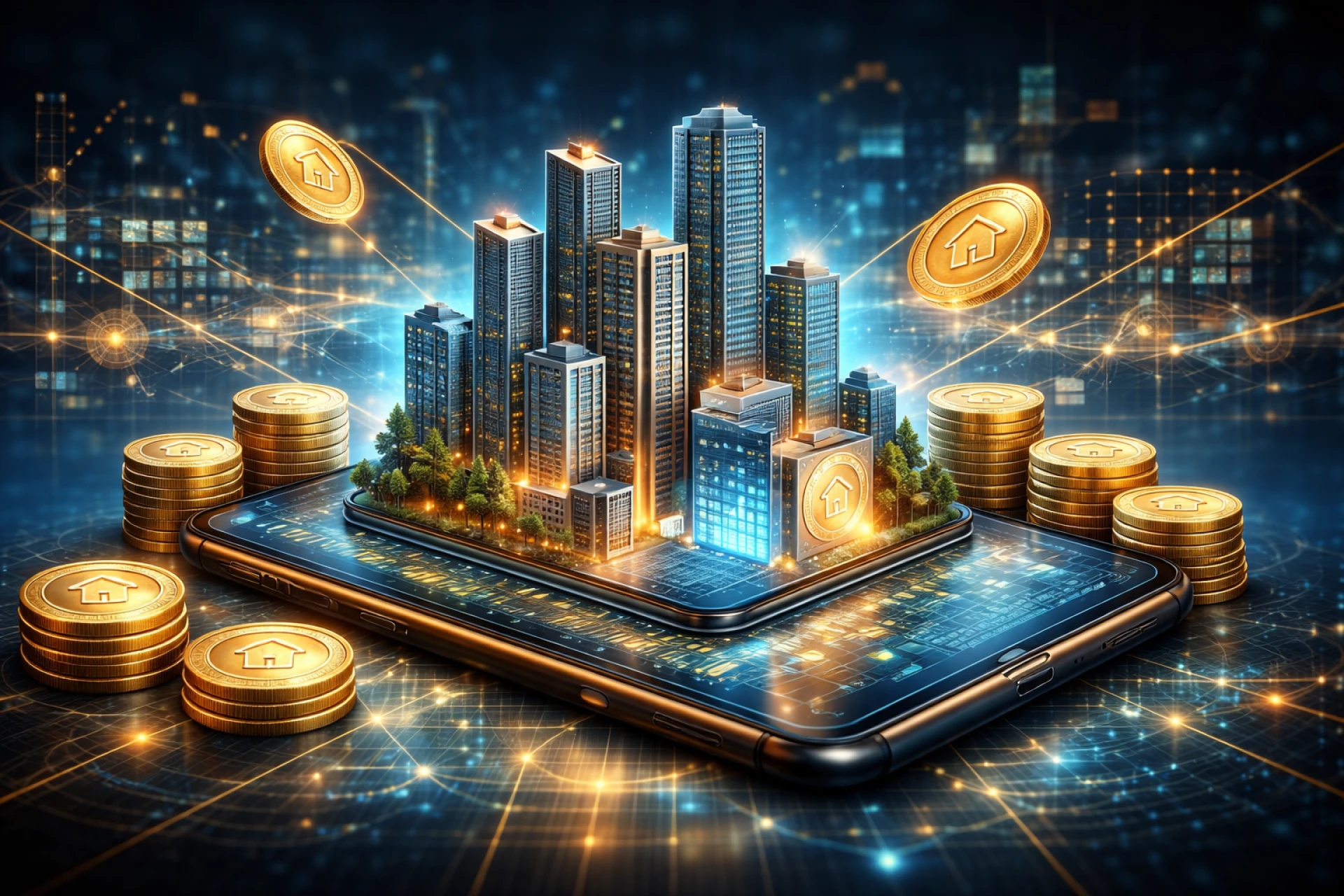
Real estate is one of the most active sectors in asset tokenization. Companies are converting residential, commercial, and industrial properties into digital tokens.
These tokens represent fractional ownership of the property, allowing investors to earn rental income or capital appreciation based on their share.
Key benefits include:
- Fractional property ownership
- Global investor participation
- Faster property liquidation
- Reduced dependency on traditional financing structures
Some platforms also enable secondary trading, allowing real estate tokens to be exchanged like digital assets.
2. Tokenized Debt and Bonds
Financial institutions are using tokenization to issue digital bonds and debt instruments. These tokenized bonds function similarly to traditional bonds but exist on blockchain networks.
This enables:
- Faster issuance and settlement
- Automated interest payments through smart contracts
- Reduced administrative overhead
- Increased accessibility for global investors
Tokenized debt instruments are particularly useful for cross-border financing.
3. Commodity Tokenization
Gold, oil, silver, and other commodities are being tokenized to simplify ownership and trading.
Instead of physically holding commodities, investors can hold tokens backed by verified reserves stored in secure vaults or facilities. This reduces storage costs and improves divisibility, making commodity investment more flexible.
4. Private Equity and Venture Capital
Private equity investments are traditionally locked for long durations, limiting liquidity.
Through tokenization, ownership stakes in startups or private companies can be divided into tokens, allowing early-stage investors to exit partially before traditional liquidity events like IPOs or acquisitions. This creates a more dynamic private investment ecosystem.
5. Infrastructure and Revenue-Generating Assets
Infrastructure projects such as highways, energy plants, and data centers are also being tokenized. Revenue generated from these assets such as toll fees or energy sales can be distributed automatically to token holders based on their ownership share.
This model enables large-scale infrastructure funding from a global pool of investors.
The Technology Behind Tokenization
Real-world asset tokenization relies on a combination of blockchain infrastructure, smart contracts, and digital identity systems.
Smart Contracts
Smart contracts define how tokens behave. They manage ownership rules, transfer conditions, dividend distribution, and compliance logic without manual intervention.
Token Standards
Different blockchain networks use token standards such as ERC-20 or ERC-1400 (for security tokens) to define how assets are represented and transferred.
These standards ensure interoperability and security across platforms.
Oracles and Data Feeds
Since real-world assets depend on external data (like property valuations or commodity prices), oracle systems are used to feed verified off-chain data into blockchain networks.
This ensures that token values reflect real-world conditions.
Identity and Compliance Layers
To comply with regulations, tokenization platforms integrate identity verification systems. These systems ensure that only eligible investors can participate based on jurisdictional rules.
Benefits for Businesses and Investors
For Businesses
- Access to global capital pools
- Faster fundraising cycles
- Reduced dependency on traditional financial institutions
- Improved asset monetization strategies
- Enhanced operational efficiency
For Investors
- Lower entry barriers
- Portfolio diversification opportunities
- Transparent asset tracking
- Potential for passive income through yield-generating assets
- Increased liquidity options
Challenges in Real-World Asset Tokenization
Despite its advantages, tokenization is still evolving and faces several challenges.
Regulatory Uncertainty
Different countries have different rules regarding digital securities, making cross-border tokenization complex.
Market Adoption
While interest is growing, secondary markets for tokenized assets are still developing and lack deep liquidity in many regions.
Valuation Complexity
Accurately valuing real-world assets in a tokenized format requires consistent appraisal methods and reliable data sources.
Technical Integration
Integrating blockchain systems with traditional financial infrastructure remains a technical challenge for many organizations.
The Future of Real-World Asset Tokenization
The future of RWA tokenization is closely tied to the broader adoption of blockchain in financial systems. As regulatory clarity improves and infrastructure matures, tokenized assets are expected to become a standard investment structure.
Several trends are likely to shape the future:
- Expansion of regulated tokenized securities markets
- Integration with decentralized finance (DeFi) ecosystems
- Growth of institutional participation
- Increased automation in asset management
- Cross-chain interoperability for asset mobility
Over time, tokenization may redefine how ownership itself is structured, moving from centralized custody models to distributed digital ownership systems.
Conclusion
Real-world asset tokenization is transforming traditional asset markets by converting physical and financial assets into programmable digital instruments. Companies are using this model to unlock liquidity, improve efficiency, and expand global investor access. From real estate and commodities to private equity and infrastructure, tokenization is creating new pathways for capital formation and asset utilization. While challenges remain in regulation and adoption, the underlying shift toward digital ownership models is already underway.
As infrastructure matures, real-world asset tokenization is expected to become a foundational layer of modern financial systems, bridging the gap between traditional assets and blockchain-powered digital economies.














Sign in to leave a comment.