
There's a reason your favorite product probably wasn't discovered through a TV ad. It was a YouTube video. A tweet from someone you actually follow. A clip from a creator who knows their audience better than any algorithm does.
That's KOL marketing in a nutshell and if you're a brand that still hasn't figured out how it works, you're leaving a lot of growth on the table.
This guide breaks it all down: what KOL marketing actually is, how it differs from influencer marketing, why it works, and what a modern brand needs to know to run it well.
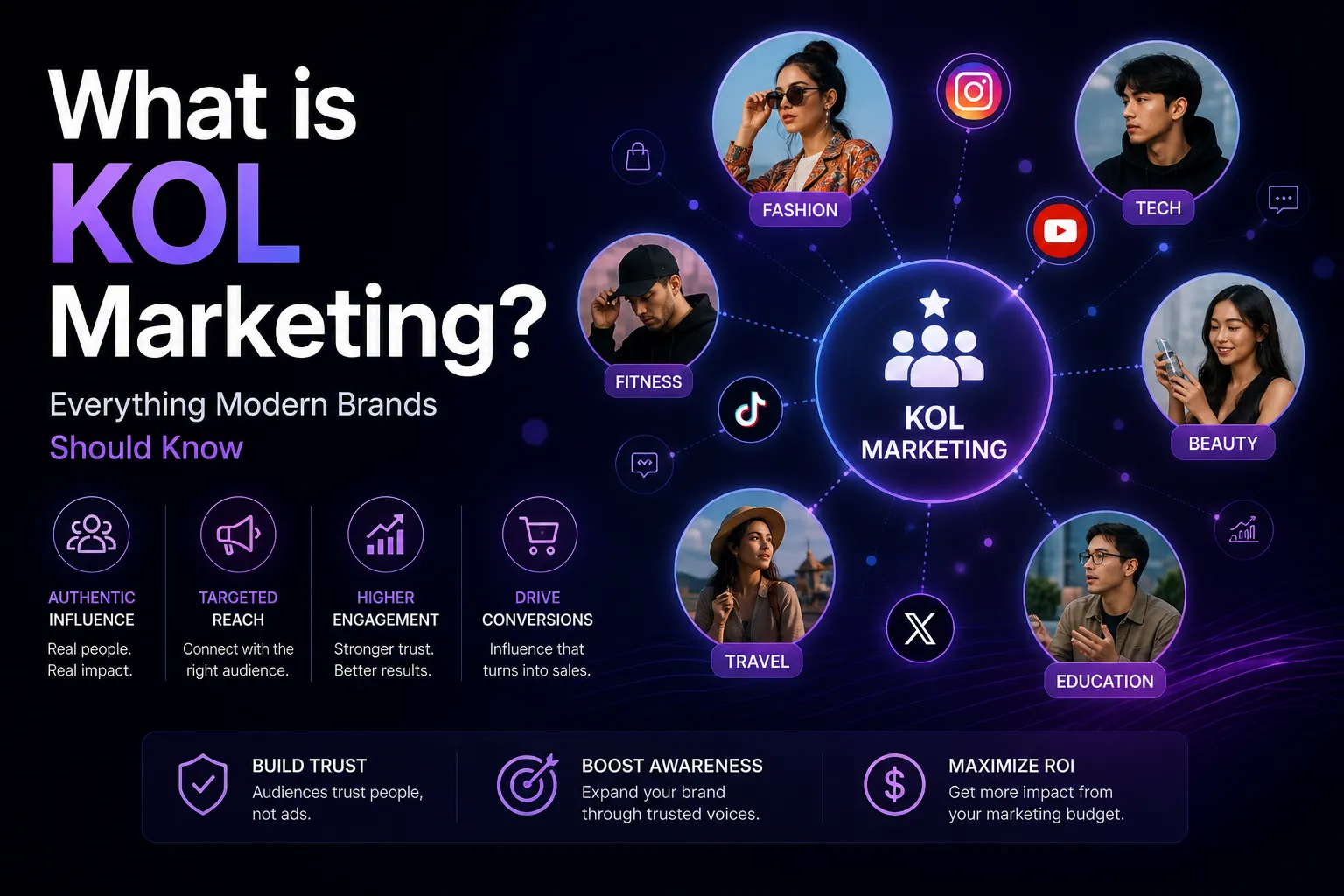
What is KOL Marketing?
KOL stands for Key Opinion Leader. KOL marketing is the practice of partnering with individuals who have significant influence, expertise, or credibility within a specific niche or community and leveraging their reach to promote a brand, product, or message.
Unlike traditional advertising, KOL marketing works because it taps into earned trust. When a respected voice endorses something, their audience listens. The message feels less like an ad and more like a recommendation from someone who knows what they're talking about.
What Makes Someone a KOL?
A key opinion leader is someone whose views genuinely shape decisions in their space. This could be a tech journalist with 80,000 newsletter subscribers, a blockchain developer with an engaged Twitter following, a fitness coach with a loyal YouTube audience, or a Web3 founder who's built real community credibility over years.
What sets KOLs apart isn't just follower count it's the depth of trust and relevance they've built with a specific audience.
KOL Marketing vs. Influencer Marketing
People often use these terms interchangeably, but there's a meaningful difference. Influencer marketing is a broader category that includes anyone with a social media following even if their influence is mostly based on aesthetics, lifestyle content, or entertainment value.
KOL marketing is more targeted. Key opinion leaders typically have domain expertise or authority in a field. A crypto analyst explaining tokenomics to 50,000 followers carries more weight in the Web3 world than a general influencer with 500,000 followers who posts about everything from travel to skincare.
For brands in technical, niche, or B2B spaces, KOL marketing tends to drive more meaningful engagement and conversion.
How Does KOL Marketing Work?
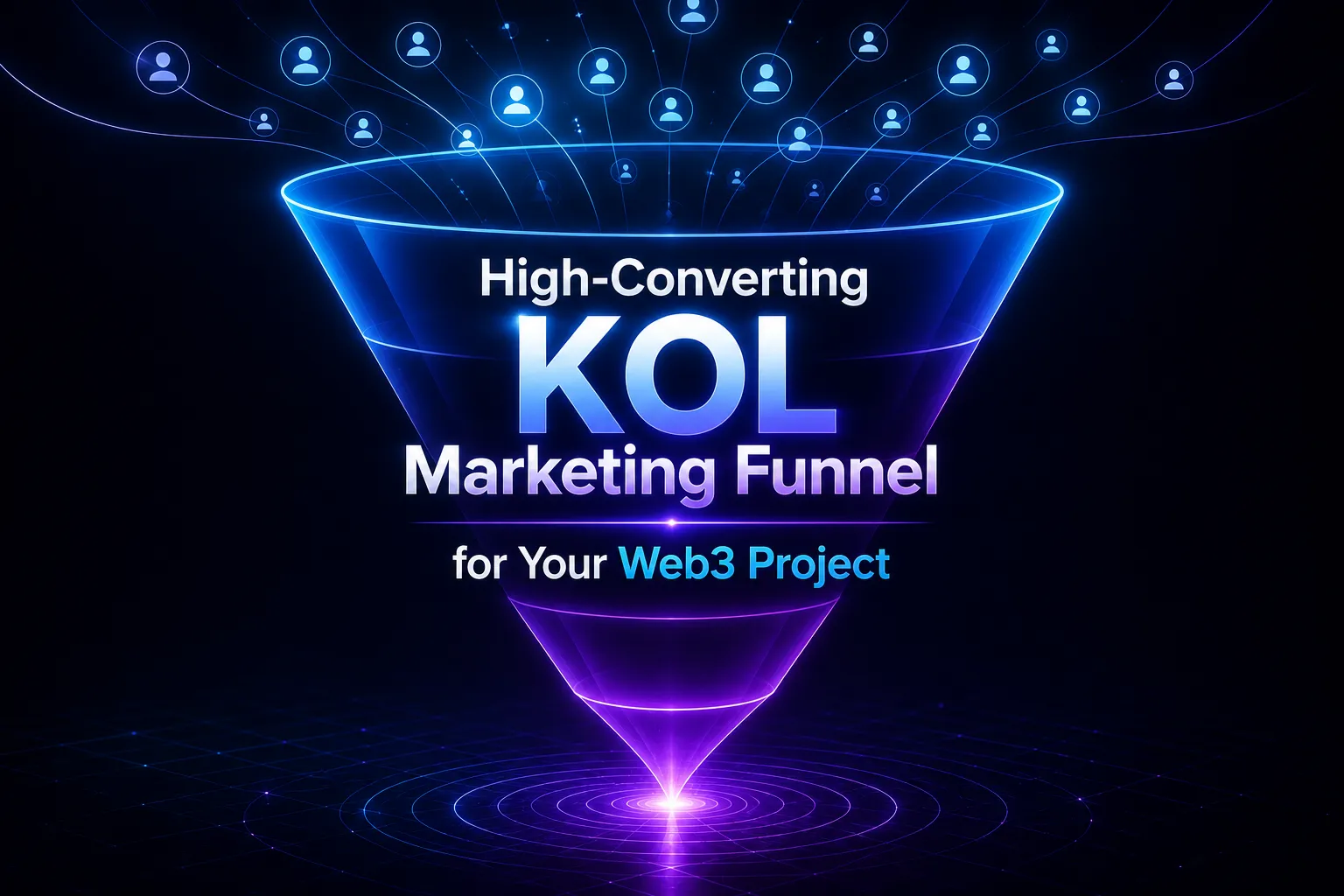
KOL marketing typically follows a few core steps: identifying the right KOLs for your brand's niche, aligning on a collaboration format (sponsored content, long-form reviews, AMAs, community posts, etc.), briefing the KOL on key messaging while giving them creative latitude, distributing the content across the KOL's channels, and tracking performance clicks, conversions, community growth, sentiment.
The most effective KOL partnerships feel authentic. Audiences can smell a forced brand deal from a mile away, especially in communities like Web3 or tech where trust is the currency.
Why KOL Marketing Works for Modern Brands
Traditional ads are losing ground. Ad blockers are everywhere. Attention spans are shrinking. People skip pre-roll videos and scroll past banner ads without a second thought.
What they don't skip is content from creators they trust. KOL marketing puts your brand in front of an engaged, qualified audience through a voice that audience already respects. The result is higher conversion rates, stronger brand recall, and more authentic community growth than most paid channels can deliver.
KOL Marketing in Web3
In the Web3 ecosystem, KOL marketing isn't just useful it's almost essential. Crypto projects, NFT launches, DeFi protocols, and blockchain platforms live or die by community trust. A single thread from the right crypto KOL can drive thousands of new wallet connections. A negative review from the same person can tank a launch.
Web3 audiences are particularly skeptical of traditional advertising. They respond to voices that have put in the time, have skin in the game, and speak their language.
Types of KOL Marketing Campaigns
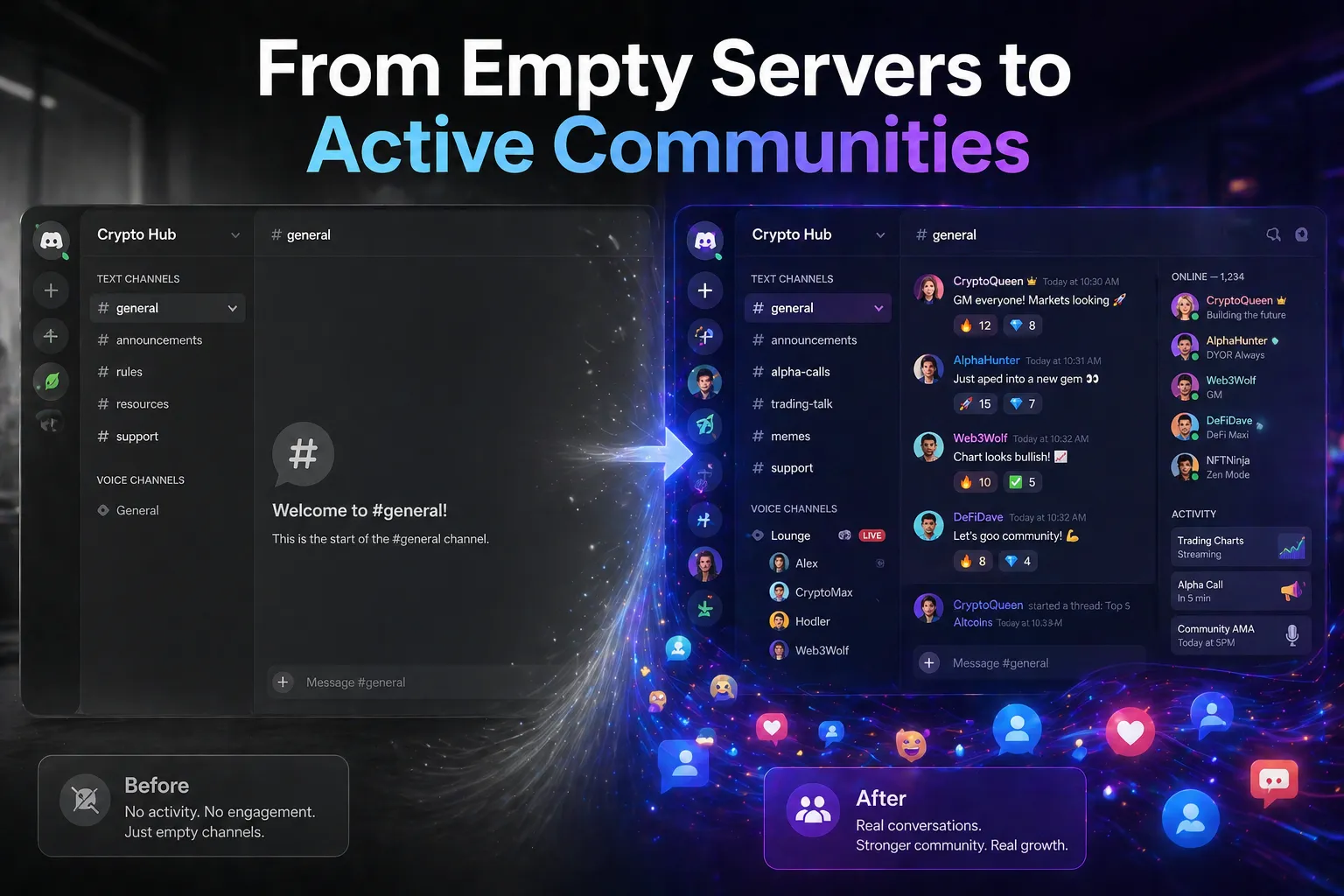
Brands use KOL marketing in several formats, depending on their goals: product reviews and unboxings for tangible products, long-form educational content for technical products, Twitter or X threads and AMAs for Web3 and crypto, YouTube deep dives and explainer videos, Telegram or Discord community shout-outs, and live events or spaces with a KOL as the featured voice.
The right format depends on where your audience lives and what kind of content they actually consume.
What to Look for in a KOL Partner
Not every KOL is the right fit. When evaluating potential partners, look for audience alignment their followers should overlap with your target demographic. Evaluate engagement quality, not just quantity. A KOL with 30,000 highly engaged followers is often worth more than one with 300,000 passive ones. Check past brand collaborations and whether they maintained editorial integrity. And always assess their credibility in your specific niche.
Measuring KOL Marketing Performance
The metrics that matter depend on your campaign goals. For awareness campaigns, focus on reach, impressions, and share of voice. For conversion-focused campaigns, track link clicks, sign-ups, wallet connections, or sales. For community growth, watch Discord/Telegram joins and engagement rate lift. Always establish baseline metrics before launching so you can measure true impact.
Conclusion
KOL marketing works because trust is the most valuable currency in digital marketing and key opinion leaders have built reserves of it that brands simply can't replicate through ads alone. Whether you're launching a product, building a community, or trying to break into a new niche, the right KOL partnership can move the needle faster than almost anything else. The brands that understand this are already ahead. The rest are still buying banner ads.





















Sign in to leave a comment.