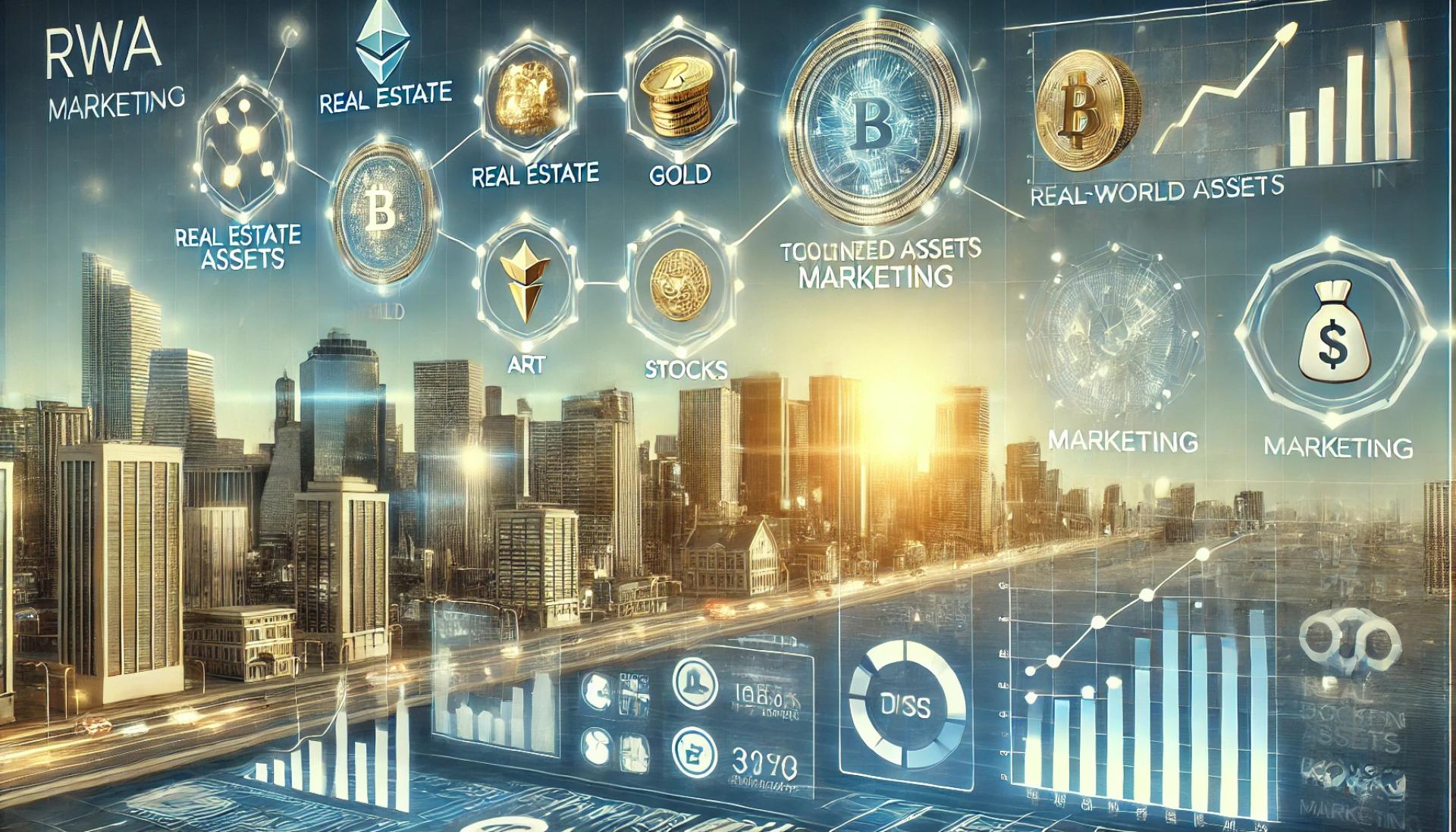

The rise of blockchain technology and tokenization has reshaped traditional finance by enabling the digital representation of real-world assets (RWAs) such as real estate, commercial properties, art, and commodities. Real-world asset tokenization allows fractional ownership, enhanced transferability, and automated settlement through smart contracts. One of the most critical advantages of RWA tokenization is increased liquidity, which can unlock capital that is traditionally locked in illiquid assets. However, maximizing this liquidity requires choosing the right RWA tokenization company. The development, management, and strategic design of tokenized assets are vital in determining how quickly, efficiently, and safely these digital tokens can be traded on global markets.
Understanding RWA Tokenization and Liquidity
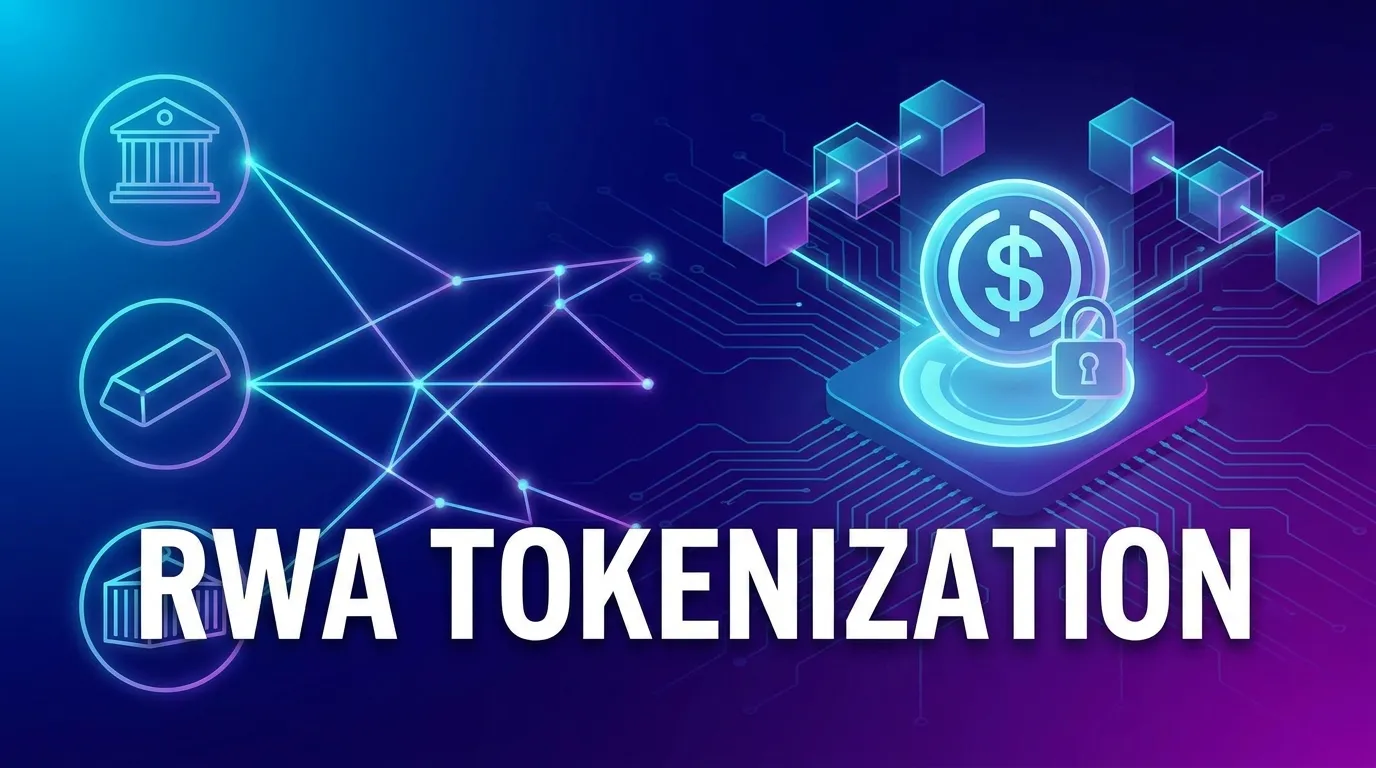
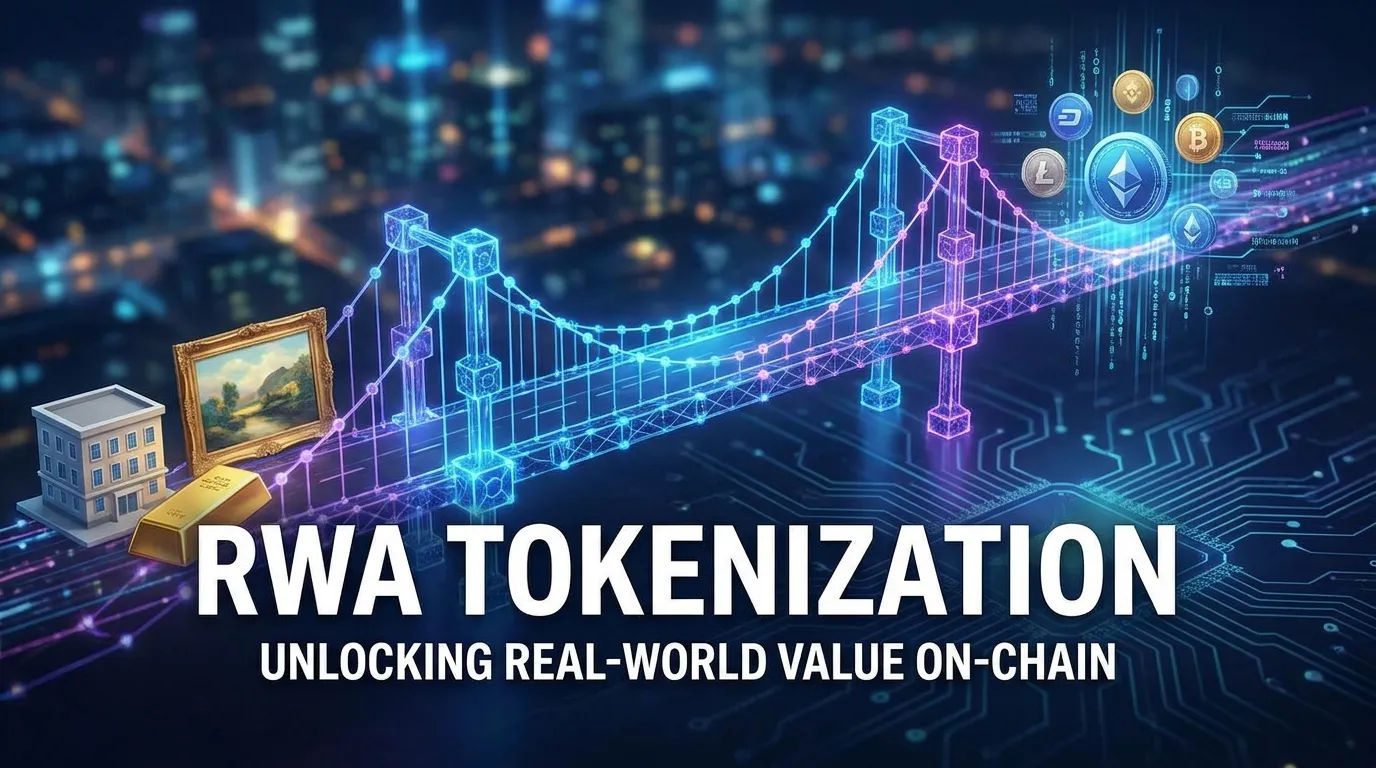
RWA tokenization is the process of converting ownership rights in physical assets into digital tokens on a blockchain. Each token represents a fractional or whole ownership stake, and the tokens can be traded, transferred, or used as collateral in financial transactions.
Liquidity, in this context, refers to the ease with which these tokenized assets can be bought or sold without significantly impacting their market price. Traditional assets like real estate or fine art are highly illiquid due to high transaction costs, long settlement times, and complex regulatory requirements. Tokenization reduces these barriers, but achieving optimal liquidity depends on factors such as the platform’s architecture, compliance frameworks, liquidity provisioning, and investor accessibility. This is where selecting the right RWA tokenization company becomes essential.
Key Factors in Selecting the Right RWA Tokenization Company
Not all tokenization companies provide equal levels of liquidity or market efficiency. Several critical factors differentiate top-performing companies from less effective providers.
1. Technological Infrastructure
A company’s blockchain infrastructure directly impacts transaction speed, security, and scalability. Tokenization platforms built on high-performance blockchains enable rapid issuance, transfer, and settlement of tokens. Companies that leverage Layer-2 scaling solutions or interoperable chains can facilitate faster transactions and reduce costs, making it easier for tokens to circulate freely in the market.
Additionally, platforms with robust smart contract design ensure automated compliance, dividend distribution, and custody management. These features increase investor confidence, which, in turn, promotes active trading and higher liquidity.
2. Regulatory Compliance and Legal Framework
Regulatory compliance is a cornerstone of liquidity in tokenized markets. Investors are more likely to trade tokens that adhere to local and international laws regarding securities, taxation, and anti-money laundering (AML) standards.
The right RWA tokenization company will provide legal wrappers for tokenized assets, ensuring that fractional ownership is legally recognized. This mitigates risks related to asset ownership disputes or regulatory penalties. Clear compliance frameworks also enable the listing of tokens on regulated secondary marketplaces, further enhancing liquidity.
3. Access to Secondary Markets
Liquidity is largely determined by the availability of active marketplaces where tokenized assets can be traded. Leading RWA tokenization companies maintain partnerships with secondary trading platforms, exchanges, and decentralized finance (DeFi) protocols. These integrations ensure that investors can buy or sell tokens quickly without waiting for traditional market processes.
Companies that actively support secondary market access also provide real-time price discovery mechanisms, enabling tokens to reflect fair market value, which encourages investor participation and volume.
4. Fractionalization Strategy
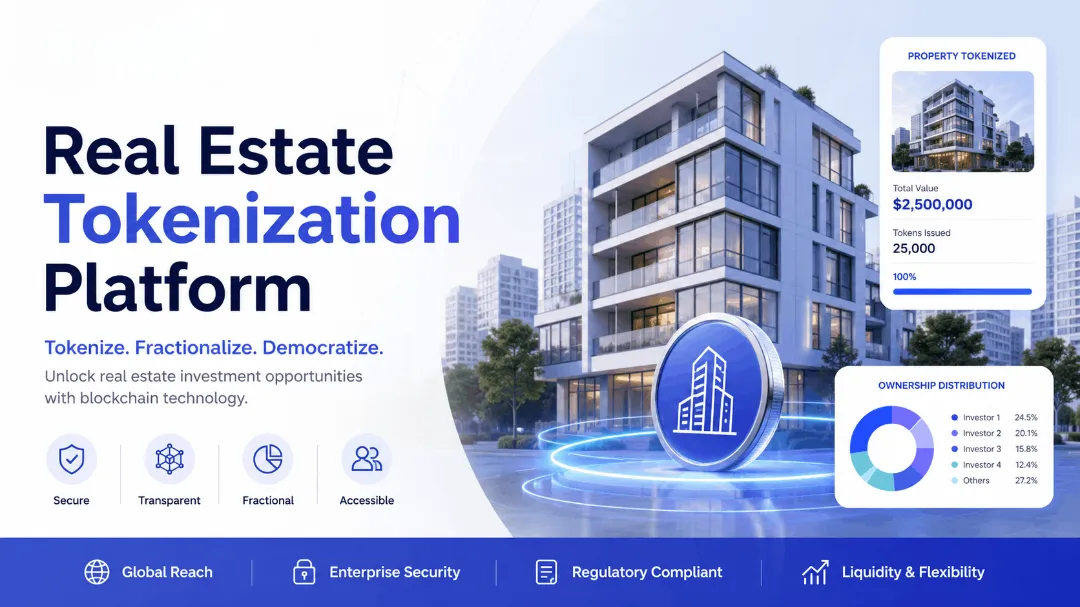
The design of token fractions can significantly influence liquidity. Tokenizing assets into smaller, tradable units lowers the entry barrier for investors and increases the number of potential buyers. For instance, dividing a commercial property into thousands of tokens allows retail and institutional investors to participate, creating a broader pool of liquidity.
A competent RWA tokenization company will advise on optimal fractionalization strategies, balancing ownership representation with investor demand, trading efficiency, and governance considerations.
5. Transparency and Investor Confidence
Transparent reporting on asset valuation, token metrics, revenue distribution, and ongoing management is essential to fostering liquidity. Investors are more likely to trade tokens actively if they have confidence in the underlying asset’s value and the issuer’s credibility.
Companies that implement real-time asset monitoring, on-chain auditing, and standardized reporting build investor trust, which directly supports liquidity by reducing hesitation to enter or exit positions.
How the Right Company Maximizes Asset Liquidity
Choosing the right RWA tokenization company directly impacts liquidity through strategic, technological, and operational measures.
1. Efficient Token Issuance
A capable company ensures that tokens are issued seamlessly and accurately. Efficient token issuance reduces friction for initial investors and enables tokens to enter circulation quickly. Smart contract automation handles ownership records, rights distribution, and compliance checks, creating a foundation for smooth secondary trading.
2. Strong Market Connectivity
Top-tier tokenization companies actively connect their tokens with multiple marketplaces, both centralized and decentralized. They may list tokenized assets on security token exchanges, DeFi platforms, or cross-chain liquidity pools. This market connectivity increases trading volume and makes it easier for investors to convert tokens into cash or other digital assets, effectively enhancing liquidity.
3. Optimized Fractional Ownership
By strategically dividing assets into smaller, accessible tokens, companies broaden the investor base. Wider participation generates more buy-sell activity and reduces the spread between bid and ask prices. An optimized fractionalization model also allows institutional investors to acquire meaningful positions while enabling retail investors to participate with smaller investments, increasing the overall trading ecosystem’s fluidity.
4. Automated Compliance and Reporting
Liquidity is closely tied to investor confidence, which depends on legal and regulatory assurance. Companies that integrate automated compliance checks, such as KYC/AML validation and smart contract enforcement of legal terms, create a secure trading environment. Additionally, real-time reporting on asset performance, token holdings, and revenue distribution provides transparency, encouraging frequent trading and enhancing liquidity.
5. Investor Education and Community Building
Educated investors are more likely to trade actively. Leading tokenization companies provide educational resources, webinars, and support communities to ensure that investors understand the mechanics of tokenized assets, risks, and trading opportunities. Active engagement increases market participation, which directly contributes to liquidity.
6. Integration with DeFi and Lending Protocols
Tokenized RWAs can be integrated into broader DeFi ecosystems as collateral for loans, yield generation, or liquidity provision. The right company facilitates these integrations, giving tokens multiple use cases beyond simple ownership. The additional utility incentivizes trading and circulation, effectively creating multiple pathways for liquidity.
Case Examples of Effective RWA Tokenization
- Commercial Real Estate Tokenization: By partnering with secondary trading platforms, tokenized office buildings can be divided into thousands of tokens. Retail investors can trade small portions, while institutional investors can accumulate larger positions, increasing overall market liquidity.
- Industrial Warehouses and Logistics Facilities: Tokenization companies implement Layer-2 blockchain solutions to ensure rapid settlement and reduce transaction fees. This makes it easier for investors worldwide to enter or exit positions, enhancing liquidity in the industrial real estate sector.
- Art and Collectibles: Tokenized fractional ownership of high-value artwork allows for smaller investment units and global trading, generating an active secondary market that would be impossible for traditional ownership structures.
Challenges in Maximizing Liquidity
While the right tokenization company can significantly improve liquidity, several challenges remain:
- Regulatory Fragmentation: Different countries have varying rules regarding securities and tokenized assets, which can limit global trading options.
- Market Adoption: Achieving liquidity requires a critical mass of investors, which can take time for new tokenized asset classes.
- Technical Risks: Smart contract vulnerabilities, blockchain congestion, or oracle failures can disrupt trading and affect liquidity.
- Valuation Transparency: Inconsistent or infrequent valuation updates may deter trading, as investors need confidence in the token’s market price.
Mitigating these risks requires careful company selection, rigorous technical audits, and robust compliance frameworks.
Future Trends in RWA Tokenization and Liquidity
The next phase of RWA tokenization is likely to see broader adoption across asset classes and geographies. Key trends include:
- Interoperable Token Standards: Cross-chain compatibility allows tokenized assets to circulate across multiple blockchain ecosystems, increasing liquidity.
- Institutional Participation: As regulatory clarity improves, institutional investors will enter tokenized markets in greater numbers, boosting volume and market depth.
- AI-Driven Market Analysis: AI tools may predict market demand, optimize fractionalization strategies, and provide liquidity forecasts, enhancing trading efficiency.
- Integration with DeFi Lending and Staking: Tokenized RWAs used as collateral for DeFi loans or staking platforms will create additional liquidity channels, increasing asset utility and market participation.
These trends underscore the importance of selecting a tokenization company that is technologically advanced, compliant, and strategically connected to global markets.
Conclusion
Choosing the right RWA tokenization company is essential for maximizing asset liquidity. By leveraging advanced blockchain infrastructure, robust regulatory frameworks, secondary market access, optimized fractionalization, and transparent reporting, these companies can create a trading environment that encourages frequent, efficient, and secure transactions.
For investors, the right tokenization partner means faster access to capital, more trading opportunities, and confidence in the security and legality of their holdings. For asset owners, it means unlocking liquidity from traditionally illiquid assets, diversifying investor bases, and enabling global participation.

















Sign in to leave a comment.