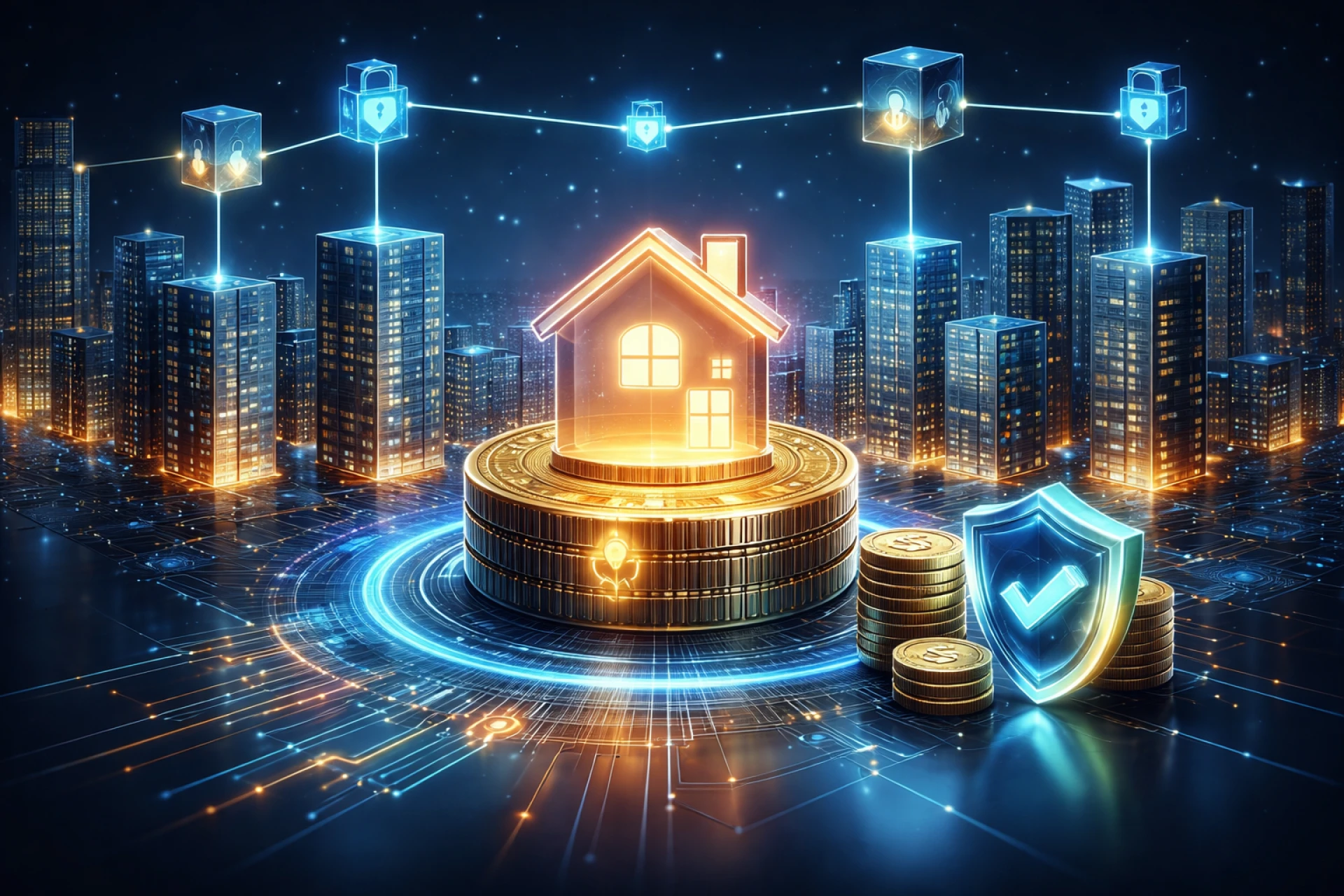

The real estate sector has traditionally been plagued by inefficiencies, opaque processes, and susceptibility to fraud. Issues such as forged property documents, double-selling, unclear ownership records, and lengthy transaction timelines have long hindered investor confidence, especially in cross-border transactions. Blockchain-backed real estate tokenization offers a transformative solution by digitizing property ownership, automating processes, and creating tamper-proof records. By integrating blockchain technology into property transactions, real estate tokenization ensures transparency, security, and reliability, effectively minimizing the risk of fraud.
Understanding Real Estate Tokenization
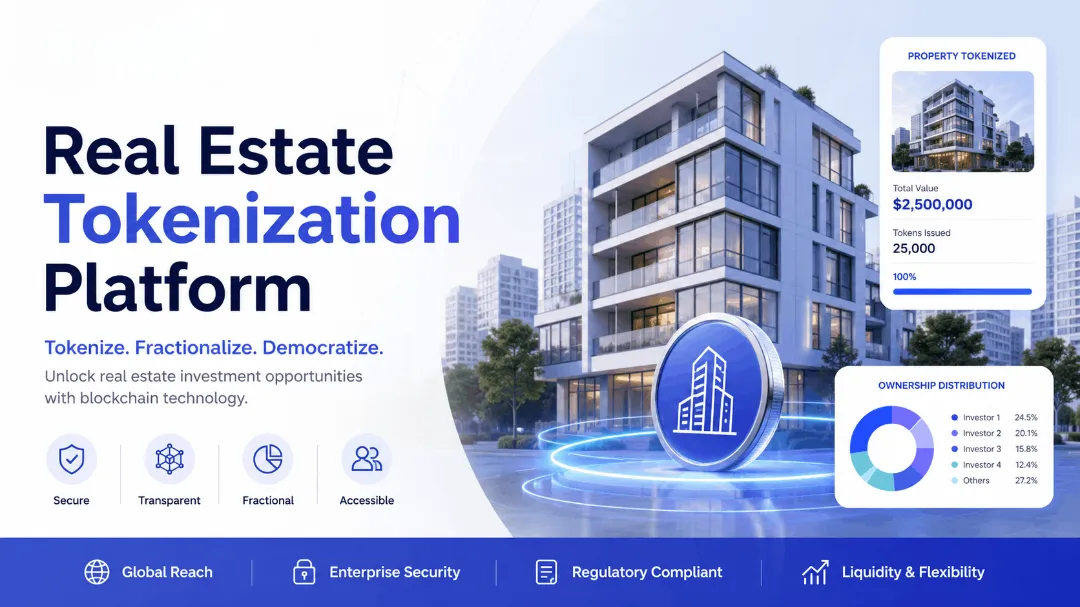
Real estate tokenization involves converting the value of a physical property into digital tokens on a blockchain. Each token represents a fractional ownership stake, enabling investors to participate in high-value properties without buying the entire asset. Tokenization is not merely a financial innovation; it is a mechanism for improving operational efficiency and security in real estate transactions.
By leveraging blockchain, tokenized properties maintain immutable ownership records, track every transaction, and enforce compliance through smart contracts. This foundational technology is critical in preventing fraud and enhancing investor trust, particularly in complex, cross-border markets.
Common Fraud Risks in Traditional Real Estate
To appreciate how blockchain mitigates fraud, it is essential to understand the vulnerabilities in conventional property transactions:
1. Document Forgery
Traditional property transactions rely heavily on paper documents, such as deeds, titles, and contracts. Forged or altered documents can result in ownership disputes, financial losses, and lengthy legal battles.
2. Double-Selling or Title Conflicts
Properties may be illegally sold to multiple parties if ownership records are unclear or poorly maintained. Title conflicts often arise due to errors in public registries or lack of centralized verification mechanisms.
3. Unverified Identity of Parties
Without robust verification systems, transactions may involve fraudulent buyers, sellers, or intermediaries. This risk increases in international investments, where jurisdictional differences complicate identity verification.
4. Non-Compliance with Regulations
Traditional processes rely on intermediaries to ensure regulatory compliance. However, errors, omissions, or deliberate malpractice can lead to illegal transactions, fines, or property disputes.
5. Lack of Transparency
Opaque transaction histories make it difficult to trace ownership, confirm asset value, or verify income distribution from rental or commercial properties. This opacity is a breeding ground for fraudulent activities and misrepresentation.
How Blockchain Addresses Fraud in Real Estate
Blockchain technology provides structural solutions to these fraud risks through decentralization, immutability, and smart contract automation.
1. Immutable Ownership Records
Blockchain creates a tamper-proof ledger that records every property transaction. Once an ownership record is added, it cannot be altered or deleted without consensus from the network. This immutability ensures that ownership histories are transparent, verifiable, and resistant to forgery. Investors can independently confirm property ownership without relying solely on intermediaries or government records.
2. Smart Contracts for Transaction Automation
Smart contracts are self-executing agreements encoded on the blockchain. They automatically enforce transaction rules, such as transfer of ownership, payment settlement, and revenue distribution. By automating these processes, smart contracts eliminate the possibility of human manipulation or intentional fraud, ensuring that transactions execute exactly as intended.
For instance, rental income from a tokenized property can be automatically distributed to token holders based on their share. This reduces the risk of misappropriation or delayed payments.
3. Decentralized Verification
Blockchain operates as a decentralized network where multiple nodes verify transactions. This distributed consensus prevents unauthorized changes to property records, making it nearly impossible for a single party to commit fraud. Unlike traditional centralized registries, which are vulnerable to manipulation or insider threats, decentralized verification ensures that no single actor can alter ownership data.
4. Transparent Transaction History
Every property token has an associated transaction history on the blockchain. Investors can track ownership changes, token transfers, and revenue distributions in real time. This transparency reduces the risk of misrepresentation and ensures that all stakeholders have access to accurate and up-to-date information.
5. Integrated Identity Verification
Tokenization platforms integrate Know Your Customer (KYC) and Anti-Money Laundering (AML) protocols directly into the blockchain workflow. Digital identity verification ensures that all parties involved in a transaction are legitimate and comply with regulatory requirements. This feature is particularly crucial for cross-border transactions, where traditional identity checks can be cumbersome and inconsistent.
6. Prevention of Double-Selling
Each token represents a unique fractional ownership stake recorded on the blockchain. Once a token is issued and assigned to an investor, it cannot be sold again unless transferred through the blockchain ledger. This system effectively prevents double-selling, as ownership of each token is independently verifiable and unalterable.
Advantages of Blockchain-Backed Tokenization for Fraud Prevention
The application of blockchain in real estate tokenization extends beyond mere record-keeping. It fundamentally transforms the security and reliability of property investment.
1. Enhanced Investor Confidence
Transparent, immutable records and automated compliance build trust among investors. Knowing that ownership is verifiable, transactions are secure, and revenue distribution is automated reduces hesitation and encourages participation in both domestic and international markets.
2. Reduced Reliance on Intermediaries
By eliminating the need for manual verification and third-party oversight, tokenization reduces opportunities for fraudulent activities. Smart contracts and blockchain-based verification streamline the process, decreasing transaction costs while increasing security.
3. Faster and Secure Transactions
Blockchain transactions are executed almost instantly, with clear confirmation of ownership transfer. This efficiency reduces the window of opportunity for fraudulent interventions that often occur in traditional real estate processes, where settlements may take weeks or months.
4. Accessibility Across Borders
Blockchain-backed tokenization makes cross-border property investment safer. International investors can verify property legitimacy, track ownership history, and participate in transactions without relying solely on local legal systems, which may vary in robustness and reliability.
5. Long-Term Record Preservation
Blockchain maintains a permanent, unalterable record of property ownership, ensuring that future disputes over title or ownership are minimized. Historical transaction data is preserved indefinitely, providing investors and regulators with a reliable source of truth.
Real-World Applications
Several real estate sectors benefit from blockchain-backed tokenization to prevent fraud:
1. Commercial Real Estate
Large commercial properties, often involving multiple investors and complex ownership structures, are prone to disputes and fraud. Tokenization ensures transparent records, automated revenue distribution, and secure fractional ownership, reducing risk for investors.
2. Residential Properties
Tokenizing residential units allows investors to purchase fractional stakes while maintaining confidence in ownership legitimacy. Smart contracts handle rental income distribution, tax compliance, and legal obligations automatically.
3. Cross-Border Investments
Blockchain facilitates international property investment by verifying legal compliance, automating settlement, and providing transparent ownership records. This reduces reliance on foreign intermediaries, mitigates regulatory risks, and prevents fraudulent transactions.
4. Industrial and Logistics Facilities
High-value industrial assets such as warehouses and logistics hubs attract multiple investors. Tokenization ensures each stakeholder’s rights are transparent and protected, preventing disputes over ownership or revenue sharing.
Challenges and Considerations
While blockchain-backed tokenization significantly reduces fraud risk, some challenges remain:
- Regulatory Clarity: Legal recognition of tokenized property varies by jurisdiction. Platforms must ensure compliance with local laws to maintain legitimacy.
- Technology Adoption: Investors and developers must understand blockchain processes and smart contracts to fully leverage security benefits.
- Operational Oversight: While blockchain automates ownership and revenue tracking, physical property management still requires trusted operators to maintain the asset.
- Market Liquidity: Tokenized properties require active marketplaces to ensure liquidity and fair valuation, which may still be emerging in some regions.
The Future of Fraud-Free Real Estate Transactions
By 2026, blockchain-backed tokenization is expected to become a standard mechanism for secure real estate transactions. Increased adoption will likely include:
- Integration with DeFi Platforms: Providing liquidity, lending, and borrowing options backed by tokenized properties.
- Global Marketplaces: Enabling investors worldwide to access, verify, and trade properties securely.
- Advanced Analytics: Utilizing blockchain data to assess property performance, risk, and historical transaction integrity.
- Enhanced Regulatory Frameworks: Governments may adopt blockchain-based registries to complement traditional land records, further minimizing fraud.
As the ecosystem matures, fraud-free, transparent, and automated property transactions will become a defining feature of modern real estate investment.
Conclusion
Blockchain-backed real estate tokenization is revolutionizing the property sector by offering a robust solution to longstanding fraud risks. Through immutable records, smart contract automation, decentralized verification, and integrated identity compliance, tokenization ensures secure, transparent, and efficient transactions. Investors gain confidence, cross-border markets become accessible, and the overall efficiency of property investment improves dramatically.
By reducing fraud, enhancing transparency, and democratizing access, blockchain tokenization is not just a technological innovation—it is a structural evolution that will define the future of real estate investment. As adoption grows, fraud-free transactions will become the new norm, reshaping investor trust, market dynamics, and global property investment standards.























Sign in to leave a comment.