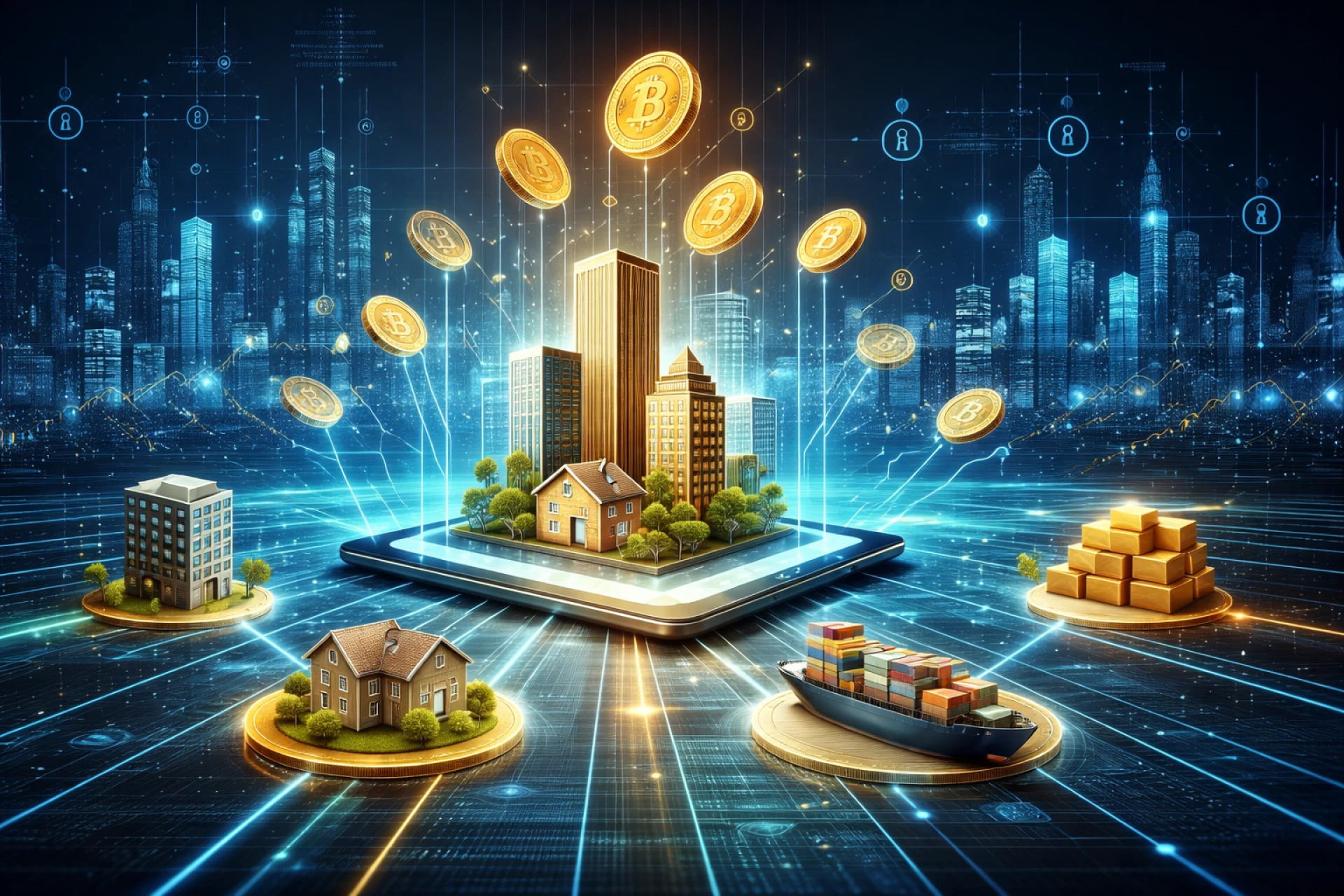

Real World Asset (RWA) tokenization has become one of the most transformative trends in blockchain and finance. By converting physical assets such as real estate, commodities, art, and even business revenue streams into digital tokens, RWA tokenization platforms unlock liquidity, improve accessibility, and enable global trading. Yet, a key concern remains: How can these platforms ensure that the tokenized asset retains its real-world value and does not lose worth during the conversion process?
This blog explores the mechanisms, technology, and governance models that RWA tokenization platforms use to convert real assets into tradable tokens while preserving value. We will break down the tokenization process, examine the safeguards that protect investors, and explain how platforms maintain asset integrity across the digital and physical worlds.
Understanding the Value Preservation Challenge
Tokenization is not simply about creating a digital representation of an asset. The token must be backed by the real asset, and its value must remain aligned with the asset’s real-world worth. If the connection between the token and the underlying asset is weak, or if governance and compliance are insufficient, token holders may face value erosion, fraud, or liquidity issues.
The value preservation challenge arises due to several factors:
- Asset valuation complexity: Real assets have fluctuating values influenced by market conditions, depreciation, and external risks.
- Custody and ownership proof: The platform must ensure that the token truly represents ownership or rights to the asset.
- Regulatory compliance: Tokens may be classified as securities and require compliance with local laws.
- Operational risk: Mismanagement, lack of transparency, or poor reporting can undermine trust.
- Market liquidity: Even if a token is backed by a real asset, lack of market demand can cause price disconnects.
To prevent value loss, RWA tokenization platforms implement rigorous mechanisms that preserve the integrity of the asset and the token.
1. Accurate Asset Valuation and Appraisal
The first step in tokenizing a real asset is establishing its accurate market value. Tokenization platforms often rely on professional appraisals, third-party audits, and market data to determine asset value. This valuation is essential because it sets the baseline for the token supply and pricing.
For real estate tokenization, platforms use certified appraisers who evaluate the property based on location, market trends, rental income, maintenance costs, and future potential. For commodities like gold, valuation is based on verified supply, storage costs, and market price. For art or collectibles, valuation involves expert appraisal, provenance verification, and auction market comparisons.
Accurate valuation ensures that tokens represent fair value and prevents over-issuance of tokens, which could dilute value. The token supply is usually aligned with the asset’s appraised value, ensuring that each token corresponds to a defined portion of the asset.
2. Legal Structuring and Ownership Proof
To preserve value, RWA tokenization platforms must establish clear legal ownership and rights. This is achieved through legal structuring, where the asset is placed in a special purpose vehicle (SPV), trust, or legal entity. The token then represents shares or rights in that entity.
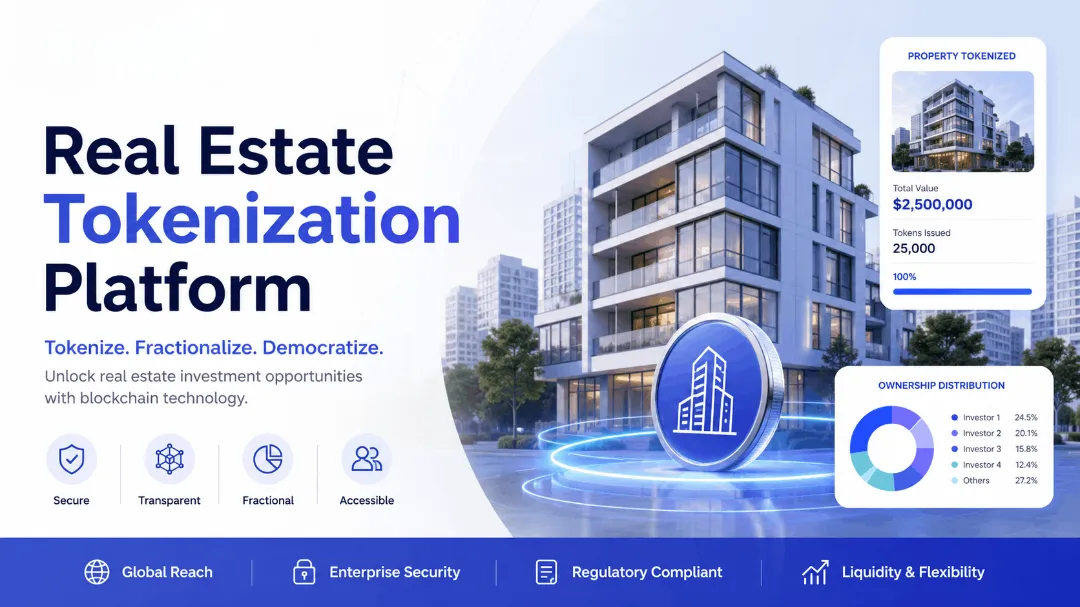
Legal structuring ensures that the token holder has enforceable claims on the underlying asset. For example, in real estate tokenization, the property may be owned by an SPV, and token holders own shares of the SPV. This structure provides a legal framework for ownership, dividends, and asset liquidation.
Without proper legal structuring, token holders may face disputes, fraud, or inability to claim the asset. Clear ownership proof is crucial for value preservation.
3. Custody and Asset Safekeeping
Physical assets require secure custody to prevent loss, theft, or mismanagement. Tokenization platforms implement custody solutions such as insured vaults, certified storage facilities, and audited custodians.
For commodities like gold or silver, assets are stored in regulated vaults with insurance coverage. For real estate, the property is managed by trusted property managers, and title deeds are securely held by legal entities. For fine art, assets are stored in climate-controlled facilities with security protocols.
Custody ensures that the underlying asset is preserved, maintained, and protected. This protection prevents value loss due to physical damage or mismanagement.
4. Transparent Audit Trails and Reporting
Blockchain provides transparent and immutable records of token transactions. However, the platform must also provide transparency for the underlying asset. Regular audits, financial reporting, and asset performance updates are essential.
RWA tokenization platforms often publish periodic reports that include:
- Asset performance and valuation updates
- Income generation and expense breakdown
- Compliance audits and regulatory filings
- Custody verification and insurance details
Transparent reporting builds trust and ensures that token holders can verify that the asset is intact and performing as expected. This transparency helps prevent value erosion due to hidden costs, mismanagement, or fraud.
5. Smart Contracts and Automated Compliance
Smart contracts play a crucial role in preserving value by enforcing rules and automating processes. Smart contracts can be programmed to manage token issuance, dividends, voting rights, and transfer restrictions.
Automated compliance ensures that only eligible investors can participate. KYC (Know Your Customer) and AML (Anti-Money Laundering) checks are embedded in the token issuance process. This reduces the risk of regulatory penalties and protects the integrity of the token.
Smart contracts also automate revenue distribution. For example, rental income from a tokenized property can be automatically distributed to token holders based on their holdings. This reduces operational risk and ensures accurate payments.
6. Fractional Ownership and Risk Distribution
Tokenization allows fractional ownership, which distributes risk among multiple investors. Unlike traditional ownership where a single investor bears full risk, tokenization spreads risk across many holders. This risk distribution protects token holders from significant losses due to asset-specific events.
For example, if a tokenized hotel experiences temporary low occupancy, the loss is shared among token holders. Fractional ownership also encourages diversification, allowing investors to hold tokens from multiple assets, further reducing risk.
This risk distribution contributes to value preservation by preventing a single investor from being overexposed to a single asset.
7. Dynamic Token Supply and Backing Mechanisms
Some tokenization platforms use dynamic token supply or collateral mechanisms to maintain value. This includes over-collateralization, where the value of the underlying asset exceeds the token supply. Over-collateralization ensures that even if the asset value fluctuates, the token remains backed by a larger asset value.
Other platforms use reserve funds or insurance pools to protect token holders against unforeseen losses. These mechanisms provide a safety buffer and reduce the risk of value erosion.
Dynamic backing mechanisms also help maintain token stability and investor confidence.
8. Secondary Markets and Liquidity Support
Liquidity is a major factor in value preservation. A token that cannot be traded or sold easily may lose value due to lack of demand. RWA tokenization platforms often partner with regulated exchanges and secondary marketplaces to ensure liquidity.
Secondary trading enables investors to exit positions without waiting for the asset to be sold. This liquidity support helps maintain price stability and prevents value loss due to illiquid markets.
Platforms may also implement market-making strategies, liquidity pools, or buyback programs to support token liquidity and reduce volatility.
9. Governance and Token Holder Rights
Value preservation is also supported by governance mechanisms that protect token holders. Platforms often provide token holders with voting rights, access to financial reports, and participation in major decisions.
Governance ensures that the asset is managed in the best interest of token holders. It also prevents centralized control that could lead to mismanagement or value extraction.
Strong governance builds trust and ensures that the token remains aligned with the asset’s real value.
10. Regulatory Compliance and Legal Oversight
RWA tokenization platforms must operate within legal frameworks. Regulatory compliance is crucial for value preservation because it reduces legal risk and increases investor trust.
Platforms often work with legal advisors to ensure compliance with securities laws, investor protection rules, and reporting requirements. Compliance also includes:
- KYC and AML procedures
- Accredited investor verification
- Reporting to regulators
- Transparent disclosures and risk warnings
Compliance reduces the risk of legal challenges, asset seizure, or regulatory shutdown — all of which could severely impact token value.
Conclusion
RWA tokenization platforms convert real assets into tradable tokens without losing value through a combination of valuation accuracy, legal structuring, secure custody, transparent reporting, automated compliance, and governance mechanisms. The key is maintaining a strong link between the token and the underlying asset.
By ensuring proper valuation, proof of ownership, and custody, platforms protect the asset’s integrity. Smart contracts automate processes and reduce risk, while secondary markets provide liquidity and price stability. Regulatory compliance and governance protect investor interests and prevent value erosion.
Tokenization is transforming real-world finance by enabling secure, transparent, and liquid access to real assets. As platforms continue to mature and regulations become clearer, tokenization will become an increasingly trusted method for converting real assets into tradable tokens without losing value.



















Sign in to leave a comment.