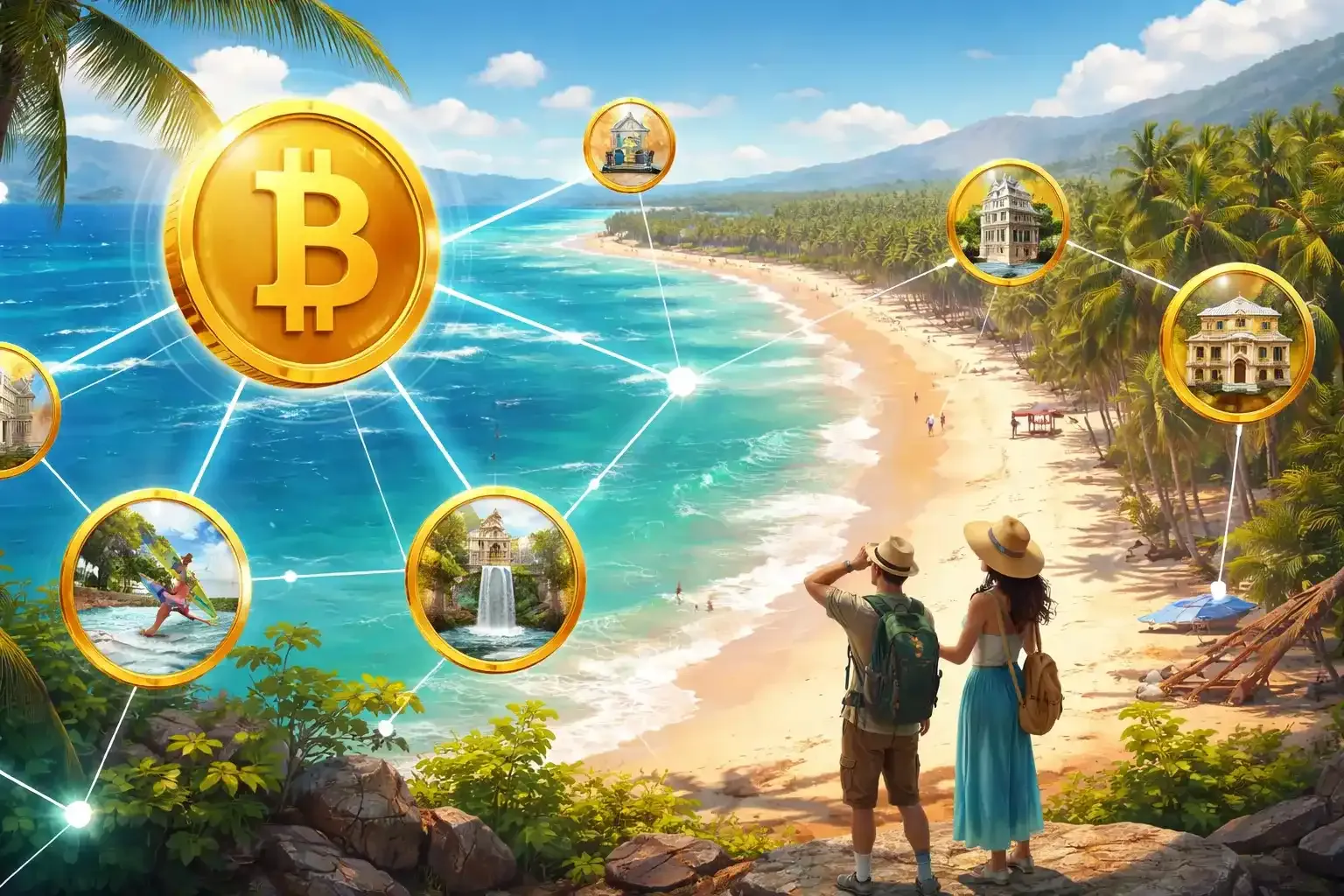

El Salvador has emerged as a unique and increasingly prominent destination for both tourism and digital innovation. The country’s coastline, volcanic landscapes, colonial cities, and surf-friendly beaches have long attracted travelers seeking natural beauty and cultural experiences. More recently, El Salvador has also gained international attention for its adoption of digital assets and blockchain technology. This intersection between tourism and digital innovation creates an environment where real-world asset (RWA) tokenization can play a transformative role. By converting physical tourism assets such as hotels, resorts, eco-lodges, tourism infrastructure, and hospitality services into tokenized digital assets, El Salvador’s tourism industry can unlock new forms of investment, enhance infrastructure development, and create more inclusive economic participation.
Real-world asset tokenization refers to the process of representing ownership or economic rights of physical assets on a blockchain. This can include real estate, infrastructure, revenue streams, and even service-based assets. Tokenization enables fractional ownership, easier transferability, and automated governance through smart contracts. For El Salvador’s tourism industry, tokenization could become a catalyst for expanding capital access, improving transparency, and accelerating development projects that support sustainable tourism growth. It also aligns with the country’s broader push toward digital transformation and financial inclusion.
The Tourism Landscape in El Salvador
El Salvador’s tourism industry is driven by diverse attractions. The country’s Pacific coastline is famous for its surf spots, attracting international surfers and beach tourists. Inland, volcanic landscapes and national parks offer hiking and adventure tourism. The capital city, San Salvador, provides cultural and historical experiences, while coastal towns like La Libertad, El Tunco, and El Zonte are known for their vibrant beach culture and hospitality scene.
Despite its potential, tourism development in El Salvador faces challenges common to many emerging destinations. These include infrastructure constraints, limited access to financing for hospitality projects, and the need for sustainable development practices. Traditional investment models often rely on large-scale financing, which can be difficult to secure due to perceived risks, high interest rates, and bureaucratic processes. Tokenization can offer an alternative path by enabling smaller investors to participate in tourism projects, thereby broadening the capital base and accelerating development.
Why Real-World Asset Tokenization Fits El Salvador
El Salvador’s growing interest in digital assets and blockchain technology creates a supportive environment for RWA tokenization. The country has been positioning itself as a digital innovation hub, which helps attract blockchain-based projects and investment. Real World Asset Tokenization aligns with El Salvador’s broader economic strategy by offering:
- Alternative financing pathways for tourism infrastructure,
- Increased transparency in investment and ownership structures,
- Expanded participation for local and international investors,
- Potential for faster settlement and reduced transaction costs,
- Improved access to global capital markets through digital platforms.
These factors make tokenization particularly relevant for tourism, where projects often require substantial capital and long-term development timelines.
Tokenization of Tourism Assets: How It Works
Tokenization in tourism involves converting ownership or revenue rights of tourism-related assets into digital tokens on a blockchain. These tokens can represent:
- Ownership shares in hotels, resorts, or eco-lodges,
- Revenue participation in tourism service providers,
- Fractional ownership in tourism infrastructure projects,
- Rights to future earnings from attractions, tours, or hospitality operations.
The tokenization process typically involves asset valuation, legal structuring, smart contract development, and compliance with regulatory requirements. Tokens can be issued through a regulated platform, with ownership records recorded on a blockchain. Investors can buy tokens and receive proportional revenue distributions, similar to dividends. Smart contracts can automate revenue sharing, ensuring transparency and reducing administrative overhead.
How Tokenization Enhances Investment in Tourism Infrastructure
One of the primary benefits of tokenization is its ability to attract investment into tourism infrastructure projects that might otherwise struggle to secure funding. Tourism infrastructure—such as hotels, resorts, airports, roads, and transportation systems—requires large capital investments and long-term development plans. Traditional financing often involves banks, private equity, or government funding, which can be slow and restrictive.
Tokenization can expand the investor base by enabling fractional ownership. Instead of needing a single investor or a consortium to fund a project, developers can offer tokenized shares to a larger pool of investors. This can include local residents, diaspora communities, and international investors. By broadening participation, tokenization reduces dependency on a few large capital providers and enables more inclusive development.
Additionally, tokenization can shorten the fundraising timeline. Digital platforms can reach global investors quickly, and smart contracts can automate subscription and distribution processes. This efficiency can accelerate tourism development projects and reduce the time between planning and execution.
Creating New Revenue Streams for Local Communities
Tourism is not just about hotels and resorts; it also involves local communities that provide services such as tours, transportation, food, cultural experiences, and handicrafts. Tokenization can create new revenue models that directly benefit these communities.
For example, local tour operators could tokenize a share of future revenue streams. Investors could support community-based tourism initiatives, enabling local operators to expand services, improve infrastructure, and scale their operations. Token holders would receive revenue shares, creating an investment model that supports sustainable and community-driven tourism.
Tokenization also enables revenue sharing models that can be more transparent and fair. Smart contracts can automate revenue distribution to community stakeholders, reducing the risk of mismanagement or delays. This transparency can strengthen trust and encourage community participation in tourism development.
Improving Transparency and Trust in Tourism Investment
Transparency is a key challenge in tourism investment, especially in emerging markets. Investors may face uncertainty about how funds are used, how revenue is generated, and whether projects are managed effectively. Tokenization introduces a transparent ledger of ownership and transactions. Investors can verify token supply, ownership records, and revenue distributions on a blockchain.
This transparency can reduce investor risk and improve confidence in tourism projects. It can also attract more international investors who may be hesitant to invest in markets with limited transparency. By improving trust, tokenization can help bridge the gap between global capital and local tourism development.
Enhancing Tourism Marketing and Global Reach
Tokenization can also enhance tourism marketing by creating new ways to engage global audiences. Digital tokens can be used as loyalty rewards, access passes, or membership benefits for tourists. For example, a resort could issue tokens that provide holders with discounted stays, exclusive experiences, or priority booking. These tokens can be traded or transferred, creating a secondary market for tourism experiences.
This approach can increase global engagement and create new marketing channels for El Salvador’s tourism industry. It can also attract digital-native travelers who are familiar with blockchain-based ecosystems and seek innovative travel experiences.
Managing Risk and Ensuring Compliance
Tokenization introduces new risks that must be managed carefully. Regulatory compliance is one of the most important considerations. Tokenized assets may be subject to securities laws, depending on the jurisdiction and the structure of the token. El Salvador’s regulatory framework for digital assets has been evolving, and investors must understand how tokenized tourism assets are classified and regulated.
Additionally, tourism projects face traditional risks such as market demand fluctuations, natural disasters, political instability, and operational challenges. Tokenization does not eliminate these risks; it only changes the way investment and ownership are structured. Investors must evaluate the underlying asset’s viability, management quality, and market conditions before participating in tokenized tourism projects.
Case Examples of Tokenized Tourism Models (Conceptual)
To illustrate how tokenization can work in El Salvador’s tourism industry, consider the following conceptual models:
Tokenized Hotel Ownership
A hotel development could be tokenized, with tokens representing shares of ownership and revenue. Investors could buy tokens and receive a portion of the hotel’s revenue. The hotel operator could use the raised capital for construction or renovation, and token holders would benefit from long-term revenue streams.
Tokenized Eco-Lodge Community
An eco-lodge project in a rural area could tokenize revenue streams to support sustainable tourism. Local communities could participate in the tokenized structure, receiving revenue shares from tourism activities. This model can promote sustainable development while providing financial benefits to local residents.
Tokenized Tourism Infrastructure Bonds
Infrastructure projects such as airport expansion or transportation improvements could be funded through tokenized bonds. Investors could buy bonds that represent future revenue streams or government-backed payments. This can attract global capital and accelerate infrastructure development.
The Long-Term Impact on El Salvador’s Tourism Industry
Over the long term, tokenization can reshape El Salvador’s tourism industry by improving access to capital, increasing transparency, and promoting inclusive development. Tokenization can support the growth of new tourism segments such as eco-tourism, surf tourism, and cultural tourism. It can also encourage investment in infrastructure that improves connectivity and visitor experience.
Furthermore, tokenization can help position El Salvador as a forward-looking tourism destination that embraces innovation. This can attract digital-native travelers, investors, and entrepreneurs who seek destinations that combine natural beauty with technological advancement.
However, the long-term impact depends on effective regulation, robust infrastructure, and responsible implementation. Tokenization should be integrated into broader tourism development strategies that prioritize sustainability, community engagement, and long-term economic growth.
Conclusion
Real-world asset tokenization offers a powerful framework for transforming El Salvador’s tourism industry. By converting tourism assets into tokenized digital assets, the country can unlock new investment opportunities, improve transparency, and create inclusive revenue models for local communities. Tokenization can accelerate tourism infrastructure development, support sustainable community-based tourism, and enhance global marketing strategies.
While tokenization introduces new risks and regulatory challenges, it also offers a pathway to modernize tourism investment and align El Salvador’s tourism sector with global digital finance trends. As the ecosystem evolves, tokenization could become a key tool for building a more resilient, inclusive, and innovative tourism industry that benefits both investors and local communities.



















Sign in to leave a comment.