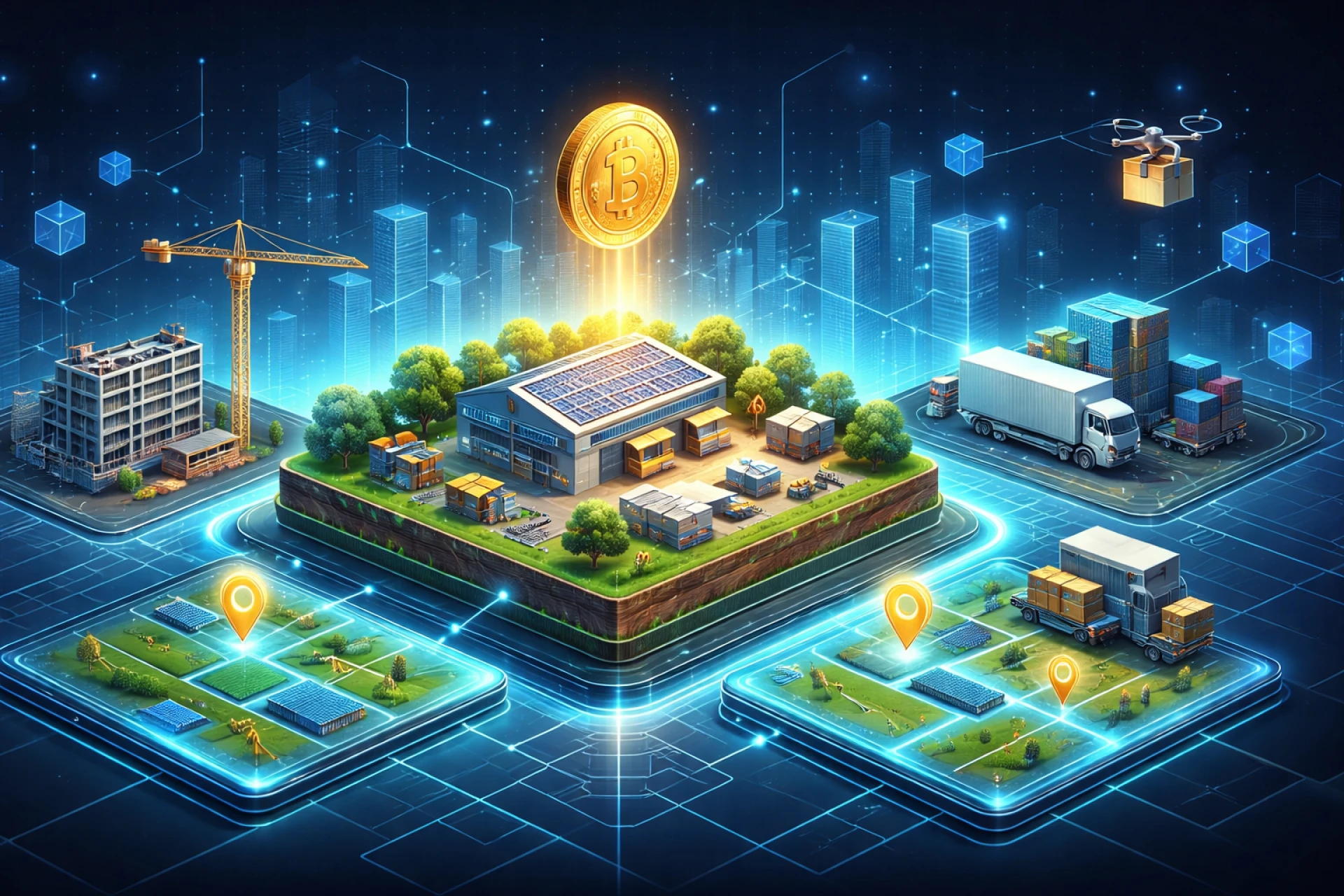

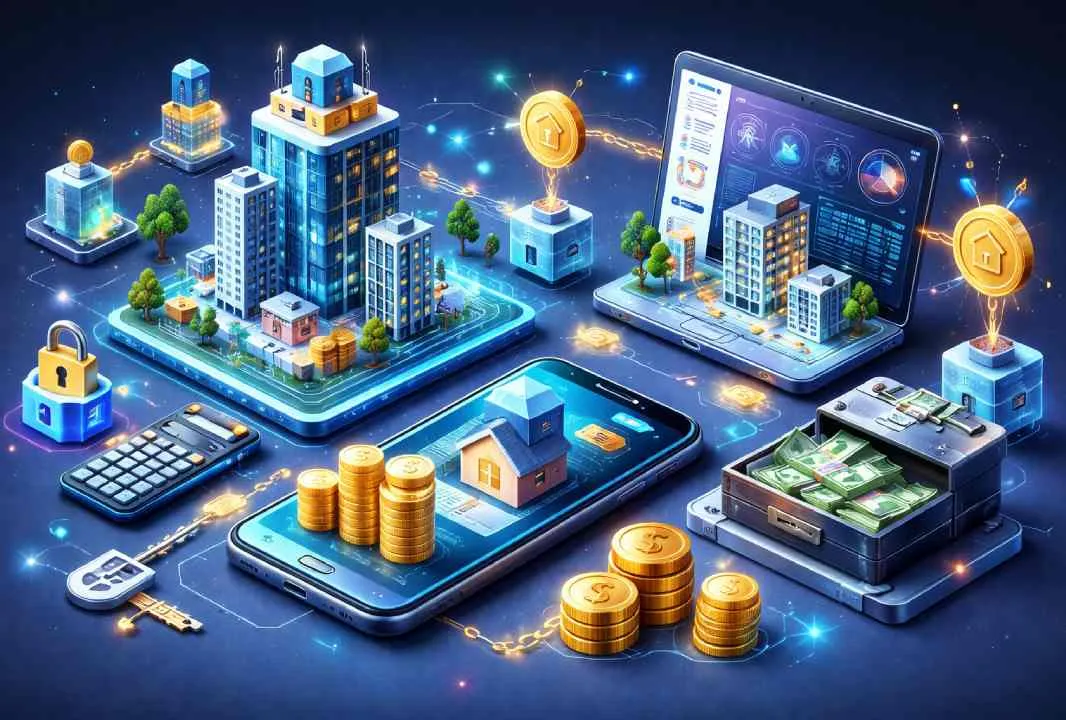
Real-world asset (RWA) tokenization has emerged as a transformative innovation in modern finance, creating opportunities for investors to access, trade, and manage physical and financial assets digitally. Among the most compelling applications of RWA tokenization are land, warehouses, and logistics assets. These assets are crucial components of real estate portfolios, industrial infrastructure, and global supply chains. Traditionally, investing in these assets requires substantial capital, involves complex legal frameworks, and often suffers from illiquidity, making it difficult for most investors to participate. Tokenization addresses these limitations by converting tangible assets into blockchain-based digital tokens, enabling fractional ownership, enhanced liquidity, and more efficient asset management.
By leveraging blockchain technology, smart contracts, and digital marketplaces, investors can gain exposure to previously inaccessible markets, diversify portfolios, and optimize risk-adjusted returns. This blog explores how RWA tokenization is applied to land, warehouses, and logistics assets, highlighting benefits, use cases, technological infrastructure, and future implications for investors.
Understanding Real‑World Asset Tokenization
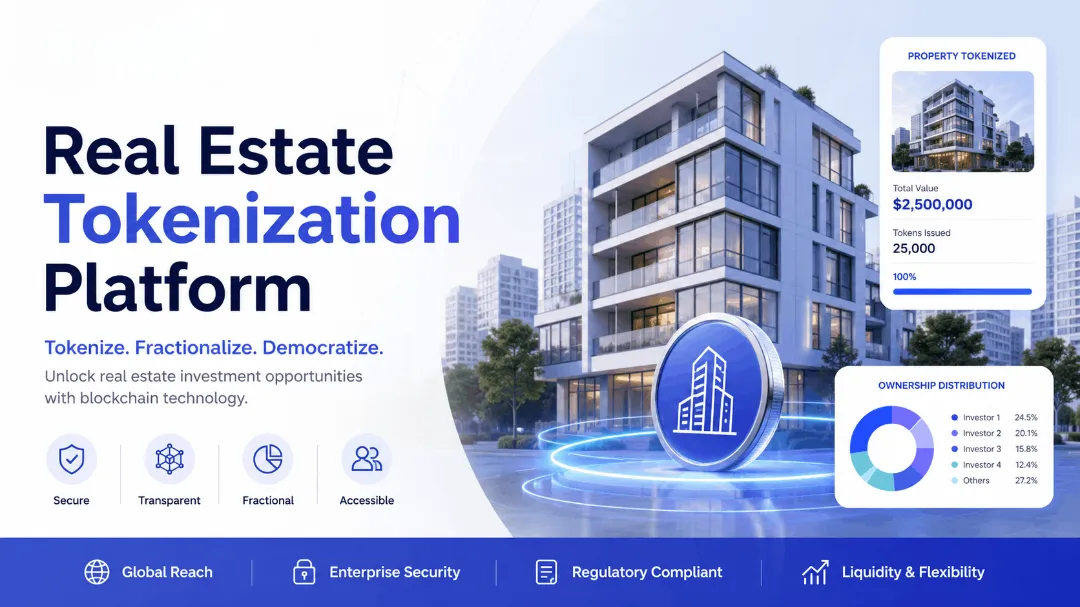
RWA tokenization involves representing ownership or rights to a physical or financial asset as a digital token on a blockchain. Each token signifies a fractional share of the underlying asset, allowing investors to acquire a proportionate stake without purchasing the entire property or infrastructure. Blockchain technology ensures transparency, immutability, and traceability of tokenized assets, while smart contracts automate essential operations such as revenue distribution, voting rights, and compliance verification.
The tokenization process can encompass a wide variety of assets, including:
- Land parcels and agricultural property
- Commercial and industrial warehouses
- Logistics fleets and distribution networks
- Infrastructure assets such as ports, railways, and storage facilities
- Specialized industrial real estate
By digitizing these assets, investors gain access to previously illiquid markets, while developers and asset managers can attract a wider pool of capital with greater efficiency.
Tokenizing Land Assets
Land is a foundational investment asset that provides long-term value, potential appreciation, and strategic utility. Tokenizing land unlocks multiple advantages for investors and project developers.
1. Fractional Ownership
Traditionally, acquiring high-value land requires substantial capital, often restricting participation to wealthy individuals or institutional investors. Tokenization divides ownership into fractional digital tokens, allowing investors to purchase smaller stakes. This democratizes access and enables broader participation in land investments.
For instance, a 100-acre industrial land parcel valued at $10 million could be divided into 100,000 tokens worth $100 each. Investors can diversify their portfolios by holding tokens in multiple land parcels across different regions or sectors without needing to commit significant capital to any single property.
2. Enhanced Liquidity
One of the main challenges of land investment is illiquidity. Selling land often requires months of legal procedures and negotiations. Tokenized land creates a digital representation that can be traded on blockchain-based marketplaces, offering liquidity to fractional owners. This enables investors to enter or exit positions quickly and efficiently, improving the overall flexibility of investment strategies.
3. Geographic Diversification
Tokenization enables global investment in land without the complexities of cross-border transactions. Investors can acquire stakes in urban, suburban, and industrial properties across different countries, reducing the risk associated with localized economic downturns, regulatory changes, or environmental challenges. By holding fractional tokens in geographically diverse assets, investors can achieve a more resilient and balanced portfolio.
4. Transparent Ownership Records
Blockchain technology provides an immutable ledger of ownership and transaction history. This reduces the risk of disputes and enhances the legal clarity of property rights. Smart contracts can also automate revenue distribution for land leased for agricultural, commercial, or industrial use, ensuring that token holders receive proportional income accurately and on time.
Tokenizing Warehouses
Warehouses serve as critical nodes in supply chains, enabling storage, distribution, and order fulfillment. Tokenization of warehouse assets allows investors to gain exposure to logistics real estate without the operational burdens associated with direct ownership.
1. Fractional Investment Opportunities
Warehouses are typically high-value assets, limiting investment access to institutional players. Tokenization divides warehouse ownership into tradable tokens, allowing multiple investors to participate. Fractional investment reduces capital requirements, spreads risk, and enables participation in large-scale logistics properties.
2. Access to Income Streams
Warehouses generate revenue primarily through tenant leases. Token holders can receive proportional rental income distributed automatically via smart contracts. This automated income distribution improves transparency and reduces administrative costs, ensuring that investors benefit from consistent cash flows.
3. Performance Tracking and Analytics
Digital platforms for tokenized warehouses often provide real-time monitoring of operational metrics such as occupancy rates, rental revenue, and maintenance costs. Investors can make informed decisions, rebalance portfolios, and optimize returns based on accurate, up-to-date information. These analytics capabilities are particularly valuable for large portfolios spanning multiple warehouses.
4. Liquidity and Secondary Markets
Tokenized warehouses can be traded on blockchain-enabled secondary markets. This liquidity allows investors to adjust their holdings dynamically, enter new investment opportunities, or exit underperforming assets efficiently. It also broadens participation, enabling both retail and institutional investors to access logistics real estate markets.
Tokenizing Logistics Assets
Logistics assets include fleets of transport vehicles, distribution networks, warehouses, and supply chain infrastructure. Tokenizing these assets provides investors with opportunities to benefit from the growing logistics sector, which is increasingly driven by e-commerce and global trade.
1. Fractional Ownership and Diversification
Logistics infrastructure often requires significant capital investment, which can be prohibitive for smaller investors. Tokenization enables fractional ownership of fleets, warehouses, or distribution hubs, allowing investors to diversify across multiple assets, regions, or transport modalities. This diversification mitigates risks associated with operational disruptions or localized market fluctuations.
2. Revenue Sharing Through Smart Contracts
Revenue from logistics operations, including storage fees, transportation charges, and leasing income, can be distributed to token holders automatically through smart contracts. This ensures timely and accurate payment, reduces administrative overhead, and provides transparency to investors.
3. Operational Transparency
Blockchain platforms enable tracking of logistics asset performance, including vehicle utilization, maintenance schedules, and delivery efficiency. Investors can monitor productivity, assess operational risks, and make informed decisions to optimize returns.
4. Secondary Market Liquidity
Fractional tokenization allows investors to trade ownership stakes in logistics assets on digital marketplaces. Secondary market liquidity ensures flexibility in portfolio management, allowing investors to reallocate capital quickly and respond to market changes or new opportunities.
Advantages of Tokenizing Land, Warehouses, and Logistics Assets
Tokenization offers strategic benefits that enhance investment potential and operational efficiency across these asset classes.
1. Lower Investment Barriers
Fractional ownership reduces capital requirements, making high-value assets accessible to a broader investor base. Retail investors can participate in industrial real estate or logistics assets without committing millions of dollars to a single property or facility.
2. Portfolio Diversification
Tokenized assets enable diversification across multiple sectors, geographies, and asset types. Investors can hold stakes in urban and industrial land, multiple warehouses, and logistics fleets across different regions, reducing exposure to localized risks and improving portfolio resilience.
3. Improved Liquidity
Illiquidity is a common limitation of traditional real estate and logistics investments. Tokenization creates digital marketplaces for fractional ownership, enabling investors to trade assets more easily and adjust portfolios as needed.
4. Transparency and Accountability
Blockchain ensures transparent ownership records, transaction history, and automated revenue distribution. This reduces disputes, enhances governance, and strengthens investor confidence in asset management.
5. Data-Driven Decision Making
Tokenization platforms provide analytics and real-time insights into asset performance, operational efficiency, and revenue generation. Investors can monitor KPIs, assess risk exposure, and make informed decisions based on reliable data.
Case Studies Demonstrating RWA Tokenization in Action
Case Study 1: Tokenized Industrial Land
A developer tokenizes a 50-acre industrial land parcel, dividing ownership into thousands of fractional tokens. Investors purchase tokens to gain exposure to potential land appreciation and lease income. Blockchain ensures transparency, while smart contracts automate revenue distribution. Fractional ownership allows multiple investors to participate in high-value land investments without large capital outlays.
Case Study 2: Tokenized Warehouse Networks
A logistics company tokenizes multiple warehouses across different regions. Investors acquire fractional tokens representing ownership and proportional rental income. Real-time dashboards provide insights on occupancy, revenue, and operational efficiency. Secondary markets allow token trading, improving liquidity and enabling portfolio diversification across locations and warehouse types.
Case Study 3: Tokenized Fleet Assets
A supply chain operator tokenizes its delivery fleet. Revenue generated from transportation services is automatically distributed to token holders via smart contracts. Blockchain tracking ensures operational transparency, including vehicle utilization and maintenance schedules. Fractional ownership enables investors to benefit from logistics revenue streams without direct management responsibilities.
Technological Infrastructure Supporting Tokenized Assets
- Blockchain Networks: Provide decentralized, secure ledgers that ensure immutability and transparency of asset ownership.
- Smart Contracts: Automate revenue distribution, compliance checks, and operational workflows, reducing human error and administrative costs.
- Digital Marketplaces: Enable fractional tokens to be traded on secondary markets, enhancing liquidity and investor participation.
- Analytics and Monitoring Tools: Offer performance tracking, risk assessment, and portfolio management insights.
- Custodial Solutions: Ensure secure storage of both digital tokens and physical assets, protecting investor interests.
Challenges and Considerations
While tokenization offers significant advantages, investors must consider several challenges:
- Regulatory Compliance: Tokenized assets must adhere to securities laws, property regulations, and cross-border investment rules, which vary by jurisdiction.
- Valuation Accuracy: Transparent, reliable valuation of underlying assets is crucial to maintain investor confidence.
- Liquidity Constraints: Active secondary markets are essential to ensure seamless trading of fractional tokens.
- Technology Risks: Blockchain security, smart contract vulnerabilities, and platform reliability must be addressed.
- Legal Frameworks: Property rights, ownership transfer, and dispute resolution must comply with local legal systems.
Future Outlook
RWA tokenization is set to revolutionize investments in land, warehouses, and logistics assets. As blockchain technology matures and regulatory clarity improves, tokenization will expand to larger-scale infrastructure projects, integrated logistics networks, and complex supply chain assets.
Investors will benefit from fractional ownership, enhanced liquidity, transparent revenue distribution, and real-time data-driven insights. Tokenization platforms, combined with AI analytics and digital marketplaces, will allow dynamic portfolio management, enabling investors to respond quickly to market shifts, optimize risk-adjusted returns, and gain exposure to previously inaccessible markets.
Conclusion
Real-world asset tokenization offers a transformative approach to investing in land, warehouses, and logistics assets. By converting physical assets into digital tokens on blockchain networks, tokenization democratizes access, enhances liquidity, and provides transparency in revenue distribution and ownership. Fractional ownership allows investors to participate in high-value assets without significant capital commitments, diversify portfolios across sectors and geographies, and make informed, data-driven investment decisions.
Tokenization also enhances operational efficiency for asset managers, enabling automated revenue sharing, performance monitoring, and secure record-keeping. As blockchain adoption grows and secondary markets mature, tokenized land, warehouses, and logistics assets are poised to become key components of modern investment portfolios, creating smarter, more accessible, and more efficient strategies for investors.


















Sign in to leave a comment.