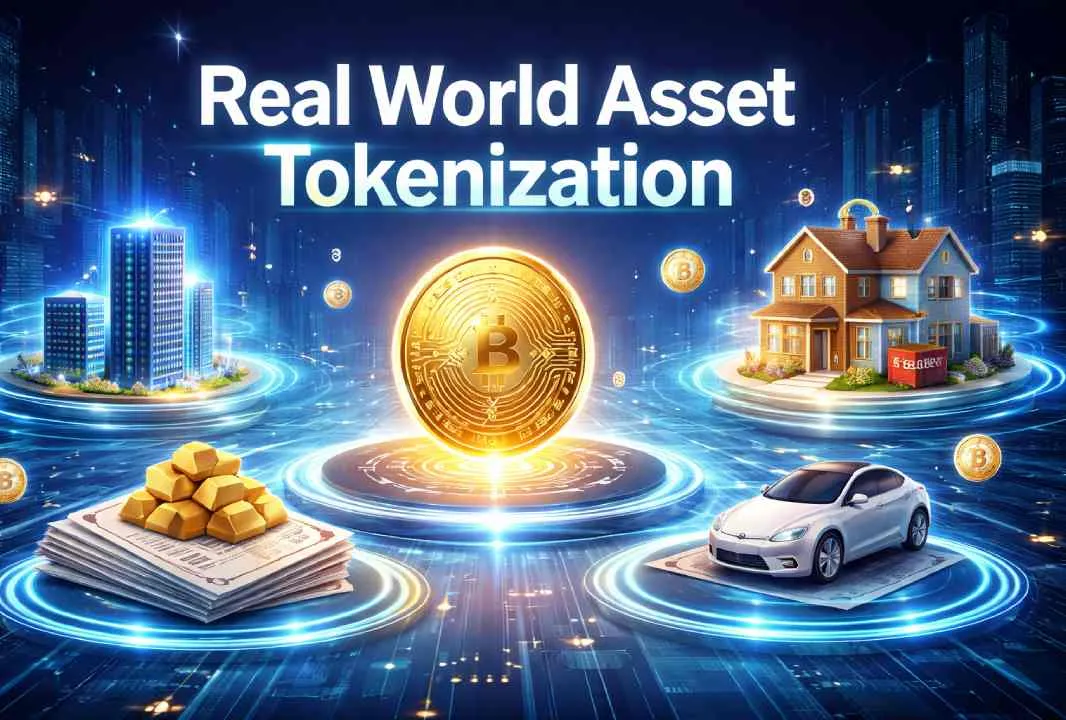

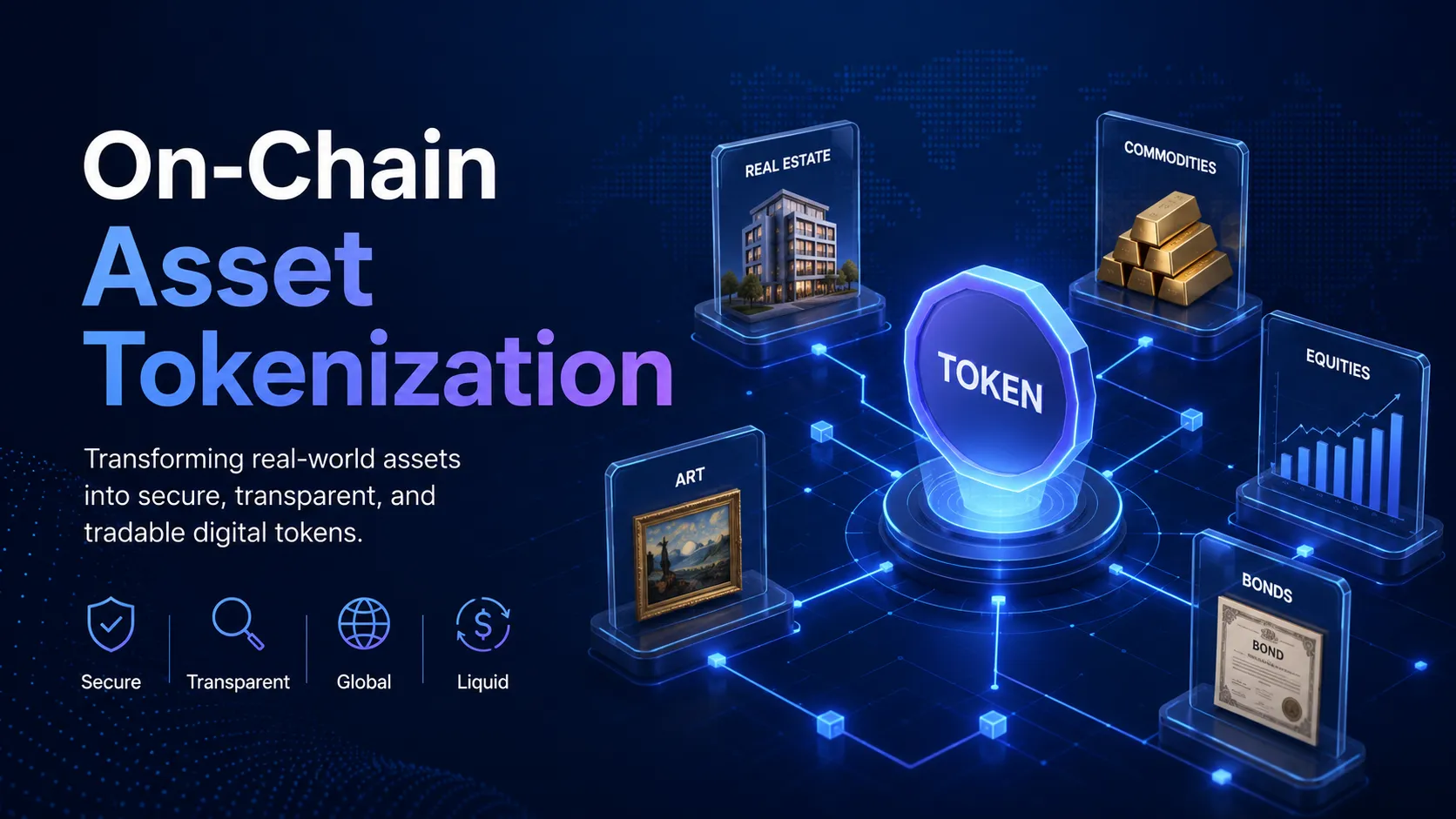
Tokenization services play a critical role in connecting real-world assets (RWAs) such as real estate, commodities, invoices, and infrastructure with blockchain-based financial systems. The core challenge they solve is not just digitization, but accurate, secure, and continuously updated representation of physical asset data on-chain.
This integration enables assets that traditionally exist in offline legal and financial systems to be represented as programmable digital tokens. The result is a hybrid ecosystem where physical asset data and blockchain records operate in sync.
Understanding Real-World Asset Tokenization
Real-world asset data refers to all verifiable information that defines an asset’s value, ownership, condition, and legal status. In tokenization systems, this data typically includes:
- Ownership records and legal titles
- Asset valuation reports
- Geographic or physical details (for real estate or land)
- Revenue or yield data (for income-generating assets)
- Compliance and regulatory documentation
- Historical transaction records
real world asset tokenization services must ensure that this data is not only digitized but also continuously validated and securely linked to blockchain records.
Core Process: How Tokenization Services Integrate Asset Data On-Chain
1. Asset Digitization and Structuring
The first step involves converting physical asset documentation into structured digital formats. This includes scanning legal documents, converting valuation reports into standardized data formats, and organizing asset attributes into machine-readable schemas.
At this stage, tokenization platforms define how the asset will be represented on-chain—whether as a full ownership token, fractional token, or revenue-linked token.
2. Identity Verification and Legal Mapping
Before asset data is recorded on the blockchain, tokenization services establish legal ownership verification. This step ensures that the entity tokenizing the asset has the rightful authority to do so.
This process often includes:
- KYC (Know Your Customer) and KYB (Know Your Business) checks
- Legal title verification through government or registry systems
- Compliance checks based on jurisdiction
Once verified, the asset is legally mapped to its digital representation.
3. Oracle Integration for Real-World Data Feeds
One of the most important mechanisms in tokenization systems is the use of blockchain oracles. Oracles act as secure bridges that bring off-chain data onto the blockchain.
They continuously feed verified real-world data such as:
- Asset valuation updates
- Rental income or yield performance
- Market price changes
- Maintenance or condition reports
This ensures that the token reflects real-time asset conditions rather than static information.
4. Smart Contract Encoding of Asset Rules
Once asset data is validated, it is embedded into smart contracts. These contracts define how the asset behaves within the blockchain ecosystem.
For example, smart contracts can encode:
- Ownership distribution rules
- Profit-sharing or rental yield distribution
- Transfer restrictions based on compliance rules
- Asset liquidation conditions
This ensures that the digital representation of the asset is not just descriptive but also functional and enforceable through code.
5. Token Minting and On-Chain Representation
After structuring and encoding the asset data, tokenization services generate digital tokens on a blockchain network. Each token represents a defined share or unit of the underlying asset.
These tokens are permanently recorded on-chain, ensuring transparency and traceability. At this stage, the real-world asset is fully connected to its digital counterpart.
6. Continuous Synchronization of Off-Chain and On-Chain Data
Tokenization does not end at minting. A critical function of these services is maintaining synchronization between real-world changes and blockchain records.
This is achieved through:
- Automated oracle updates
- Scheduled data validation cycles
- Third-party audit integrations
- IoT-based data feeds (for physical assets like infrastructure or agriculture)
This ensures that the tokenized asset remains accurate and reflective of real-world conditions over time.
7. Secure Data Storage and Decentralized Architecture
While blockchain stores transaction records, large asset data files (like legal documents or reports) are typically stored off-chain using decentralized storage systems.
These systems ensure:
- Data integrity through cryptographic hashing
- Secure retrieval of documents via blockchain references
- Reduced congestion on the main blockchain network
This hybrid architecture balances scalability with transparency.
8. Compliance Layer Integration
Tokenization services also integrate regulatory compliance layers directly into the system. This ensures that asset data handling aligns with financial and legal requirements.
Common compliance features include:
- Automated KYC/AML enforcement
- Jurisdiction-specific access controls
- Investor accreditation rules
- Audit trails for regulatory reporting
This makes tokenized systems viable for institutional adoption.
Challenges in Integrating Real-World Asset Data
Despite technological advancements, several challenges persist:
- Data reliability: Ensuring off-chain data sources are accurate and tamper-proof
- Oracle security risks: Dependence on external systems introduces potential vulnerabilities
- Regulatory fragmentation: Different countries have varying asset digitization laws
- Standardization issues: Lack of universal data formats across platforms
These challenges require continuous innovation in infrastructure and governance models.
Future of Real-World Asset Integration in Blockchain Systems
The future of tokenization services is moving toward deeper automation and real-time asset synchronization. Emerging developments include:
- AI-driven valuation models for dynamic pricing updates
- IoT-enabled asset monitoring for physical infrastructure
- Interoperable token standards across multiple blockchains
- Government-backed digital registries connected directly to blockchain networks
Over time, real-world assets may become fully programmable digital entities, continuously updated and managed through decentralized systems.
Conclusion: Building a Unified Digital-Physical Asset Ecosystem
Tokenization services act as the essential bridge between physical assets and blockchain ecosystems. By integrating real-world asset data through structured digitization, oracles, smart contracts, and compliance frameworks, they create a reliable and transparent digital representation of physical value.
This integration is foundational to the evolution of modern financial systems, enabling assets to become more liquid, transparent, and programmable while maintaining a strong connection to their real-world counterparts.














Sign in to leave a comment.