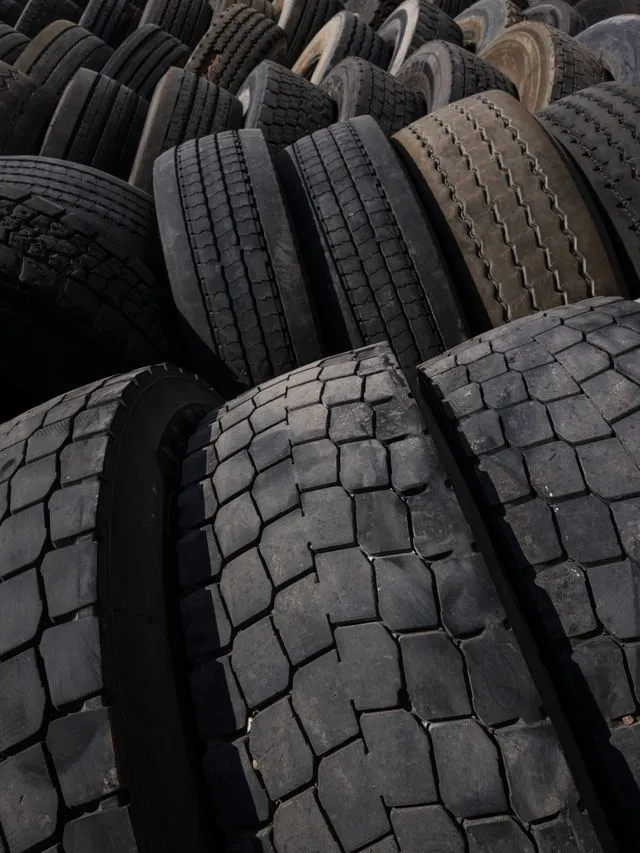

Your tires are the only part of your vehicle that stays in constant contact with the road, making them one of the most important components for safety and performance. When tires wear evenly, they provide better traction, smoother handling, and a longer lifespan. But if you notice one side of a tire wearing faster than the other or unusual bald spots developing, it's a sign that something isn't right.
Uneven tire wear is more than just a cosmetic issue—it can reduce fuel efficiency, affect braking performance, and even increase the risk of a blowout. The good news is that understanding the causes can help you prevent expensive repairs and extend the life of your tires.
Let's take a closer look at what causes uneven tire wear and what you can do about it.
Why Even Tire Wear Matters
Properly maintained tires offer several benefits, including:
- Better road grip
- Improved fuel economy
- Shorter stopping distances
- Longer tire lifespan
- More comfortable driving
- Enhanced vehicle stability
When tires wear unevenly, all of these benefits begin to decline.
1. Incorrect Tire Pressure
One of the most common causes of uneven tire wear is improper tire pressure.
Underinflated Tires
When a tire doesn't have enough air, the outer edges make more contact with the road than the centre.
This causes excessive wear on both shoulders of the tire.
Other effects include:
- Reduced fuel efficiency
- Increased rolling resistance
- Higher risk of overheating
- Poor handling
Overinflated Tires
Too much air causes the centre of the tire to bear most of the vehicle's weight.
This leads to:
- Excessive wear down the middle
- Reduced traction
- A harsher ride
Checking your tire pressure at least once a month helps prevent these problems.
2. Poor Wheel Alignment
Wheel alignment determines how your tires meet the road.
If the wheels are misaligned, one part of the tire will wear faster than the rest.
Signs of poor alignment include:
- Vehicle pulling to one side
- Crooked steering wheel
- Uneven tread wear
- Reduced handling
Alignment issues often develop after:
- Hitting potholes
- Striking curbs
- Minor collisions
- Suspension wear
Regular alignment checks can significantly extend tire life.
3. Worn Suspension Components
Your suspension system helps keep all four tires firmly planted on the road.
When parts such as shocks, struts, ball joints, or control arms wear out, the tires may lose consistent contact with the road.
This often causes:
- Cupping or scalloped wear
- Uneven pressure distribution
- Poor steering control
- Reduced ride comfort
If your vehicle bounces excessively or feels unstable, it's worth having the suspension inspected.
4. Lack of Tire Rotation
Front and rear tires wear differently because they handle different loads and driving forces.
For example:
- Front tires often wear faster on front-wheel-drive vehicles.
- Rear tires typically experience less steering-related wear.
Rotating your tires every 8,000–10,000 kilometres helps ensure more even wear across all four tires.
5. Unbalanced Wheels
Wheel balancing ensures that weight is distributed evenly around each wheel.
If a wheel is out of balance, it may cause:
- Steering wheel vibration
- Uneven tread wear
- Increased suspension wear
- Reduced driving comfort
Balancing is especially important whenever new tires are installed.
6. Aggressive Driving Habits
Your driving style has a major impact on tire life.
Frequent:
- Hard braking
- Rapid acceleration
- Fast cornering
- Sudden lane changes
can all accelerate uneven tire wear.
Driving smoothly not only extends tire life but also improves fuel economy.
7. Damaged Suspension Alignment After Potholes
Canadian roads often develop potholes after winter due to freeze-thaw cycles.
Driving through deep potholes can:
- Knock wheels out of alignment
- Bend suspension components
- Damage wheels
- Affect steering geometry
If you've recently hit a large pothole and notice unusual tire wear, have the vehicle inspected promptly.
8. Worn Wheel Bearings
Wheel bearings allow your wheels to rotate smoothly.
As they wear out, they can create:
- Uneven tire wear
- Vibration
- Humming noises
- Loose steering feel
Replacing worn bearings early prevents additional damage to tires and suspension components.
9. Faulty Steering Components
Loose or worn steering parts can prevent your tires from maintaining proper contact with the road.
Components that may contribute include:
- Tie rods
- Steering rack
- Ball joints
- Bushings
Ignoring steering issues can accelerate tire wear while reducing vehicle control.
10. Overloading Your Vehicle
Every vehicle has a maximum load capacity.
Consistently carrying excessive weight places additional stress on:
- Tires
- Suspension
- Brakes
- Wheel bearings
This extra weight often leads to faster and more uneven tire wear.
Always stay within the manufacturer's recommended load limits.
Common Tire Wear Patterns
Different wear patterns often point to different problems.
Wear on Both Edges
Usually caused by low tire pressure.
Wear in the Centre
Often caused by overinflation.
One-Sided Wear
Typically indicates wheel alignment problems.
Feathering
Often caused by incorrect toe alignment.
Cupping
Usually linked to worn suspension components or unbalanced wheels.
Recognizing these patterns can help identify issues before they become more expensive.
How to Prevent Uneven Tire Wear
Fortunately, most uneven tire wear is preventable.
Here are a few simple maintenance habits:
- Check tire pressure monthly.
- Rotate tires regularly.
- Balance wheels when needed.
- Schedule periodic wheel alignments.
- Avoid aggressive driving.
- Inspect suspension components.
- Replace worn steering parts promptly.
- Avoid overloading your vehicle.
Routine maintenance costs far less than replacing tires prematurely.
When Tire Problems Signal Bigger Issues
Sometimes uneven tire wear is just the beginning.
If your vehicle also has:
- Worn suspension
- Rust damage
- Engine problems
- Transmission issues
- Brake system failures
repair costs can quickly add up.
For older vehicles with multiple mechanical problems, continuing to invest in repairs may not always be the most practical choice.
In some cases, owners decide to explore junk car removal services instead of replacing expensive tires and repairing several major systems. Recycling an aging vehicle can help recover some value while ensuring its materials are responsibly processed.
Final Thoughts
Uneven tire wear is your vehicle's way of telling you that something needs attention. Whether the cause is improper tire pressure, poor wheel alignment, worn suspension components, or driving habits, addressing the problem early can improve safety, reduce repair costs, and extend the life of your tires.
Regular inspections, proper maintenance, and mindful driving go a long way toward keeping your tires in good condition. And if tire wear is only one of many costly problems affecting an older vehicle, it may be worth evaluating whether repair or replacement is the better long-term decision.
































Sign in to leave a comment.