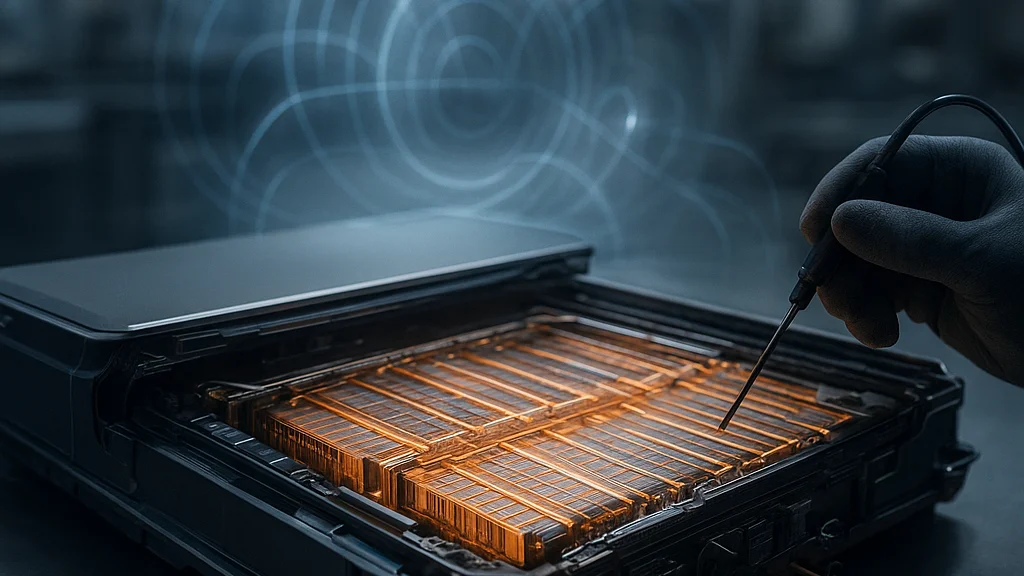

The battery race is no longer a laboratory story
On fast-moving streets from Barcelona to Shenzhen, the electric car has stopped being a futuristic symbol and become a test of industrial stamina. The real contest is not simply who sells more vehicles. It is who builds the battery systems that charge faster, last longer, cost less, and survive the brutal realities of heat, cold, vibration, and mass production. That is why battery technology breakthroughs for electric cars matter far beyond engineering circles. They shape sticker prices, insurance risk, charging infrastructure, grid demand, and even Europe’s strategic autonomy.
I see this clearly in Barcelona, where urban mobility policy has steadily pushed cleaner transport into daily life. Electric buses, low-emission zones, and rooftop solar have changed the conversation. Yet every practical question still circles back to the battery. How far can the car go in winter? How much range is left after six years? Can a family apartment block support overnight charging? Can a taxi driver recover enough energy during a coffee stop? Those are not abstract concerns. They are the conditions that determine whether electrification becomes ordinary.
The pace of change has accelerated. Lithium iron phosphate, high-nickel chemistries, silicon-rich anodes, cell-to-pack architecture, dual-battery concepts, and solid-state prototypes are all competing to solve different constraints at once. According to IDTechEx, battery management systems and pack design are becoming as strategically important as cell chemistry because usable performance depends on thermal control, state-of-charge accuracy, and degradation management as much as on raw energy density. That broader systems view is essential in 2026.
“The battery is no longer just a component; it is the vehicle’s economic engine, safety architecture, and software platform in one.”
Readers who want a parallel overview of the market’s latest momentum can compare this analysis with Battery Technology Breakthroughs Transforming Electric Cars in 2026 and Battery Technology Breakthroughs Accelerating Electric Cars. The striking point is that breakthroughs are arriving unevenly. Some are ready for factories now. Others remain promising science with difficult scale-up hurdles. Distinguishing between the two is where the real story begins.
How we got here: from range anxiety to chemistry pluralism
A decade ago, the battery discussion in electric vehicles was dominated by a single obsession: range. Carmakers stretched kilowatt-hours upward because consumers feared being stranded and charging networks were thin. That logic favored chemistries with higher energy density, particularly nickel-rich lithium-ion variants. But the market matured. As charging networks expanded and software improved route planning, the industry began to optimize for a more complicated set of priorities: affordability, cycle life, fire safety, mineral exposure, charging speed, and manufacturability.
This is why the battery sector no longer moves in one straight line. Instead, it has entered a phase of chemistry pluralism. Lithium iron phosphate, or LFP, gained ground because it avoids nickel and cobalt, generally offers lower cost, and performs well in many mainstream applications despite lower energy density than premium nickel-rich cells. High-nickel chemistries remain important where long range and lighter packs justify the trade-offs. Sodium-ion has emerged as a serious candidate for lower-cost segments and hybrid architectures, while solid-state remains the most watched long-term leap.
The historical irony is that some of the newest conversations echo very old ideas. An ECOticias report on Edison’s early battery work reminds us that alternative chemistries have always tempted the industry whenever lithium’s cost, supply, or safety profile looks vulnerable. That does not mean old systems are about to displace modern lithium-ion. It does mean the sector repeatedly returns to the same strategic question: which chemistry best matches the job?
According to IDTechEx in its 2026–2036 EV battery and BMS research, the answer increasingly depends on vehicle class and use case rather than a universal winner. A compact city car, a delivery van, a premium SUV, and a long-haul commercial vehicle do not need the same battery priorities.
- Mass-market passenger EVs: cost, durability, and acceptable fast charging often matter more than maximum range.
- Premium long-range models: energy density remains central because buyers expect fewer charging stops and stronger performance.
- Commercial fleets: uptime, thermal resilience, and predictable degradation drive total cost of ownership.
- Urban mobility platforms: safe charging behavior and long cycle life can outweigh pack compactness.
That diversification is healthy. It suggests the industry is moving from hype toward fit-for-purpose engineering.
The breakthroughs that matter most: energy density, charging, and pack design
When people hear “battery breakthrough,” they often imagine a miracle material. In reality, the most consequential advances usually come from combinations of chemistry, architecture, and software. Three areas deserve particular attention in 2026: higher energy density, faster charging, and structural simplification at the pack level.
Energy density still matters because it influences range, weight, cabin space, and efficiency. Carmakers have pursued this through cathode refinement, silicon additions in anodes, and tighter pack integration. Silicon is especially important. It can store more lithium than graphite, but it expands during cycling, which creates durability challenges. The companies making progress are not simply adding silicon; they are stabilizing it through composite structures, binders, and electrolyte management. This is one of those quiet breakthroughs that rarely makes headlines but steadily improves real vehicles.
Fast charging is the second battlefield. Drivers do not compare a battery to a laboratory benchmark. They compare it to time. According to Digital Trends, Chinese manufacturers have pushed new battery and platform strategies that promise charging times approaching the psychological threshold at which EV refueling begins to feel routine rather than disruptive. Those claims require context, of course. Ultra-fast charging depends on charger availability, pack temperature, state of charge, and grid conditions. Still, the direction is unmistakable. The industry is compressing recharge windows.
Then there is pack design. Cell-to-pack and cell-to-body approaches reduce redundant materials, improve volumetric efficiency, and can lower cost. Instead of treating cells, modules, and packs as separate layers with heavy structural overhead, newer designs integrate them more directly into the vehicle. This can produce better packaging and lower mass, though it raises repair and service questions after collisions.
- Cell chemistry gains improve theoretical performance.
- Battery management systems turn that chemistry into safe, usable output.
- Thermal systems determine charging speed consistency and longevity.
- Pack architecture decides whether laboratory gains survive industrial reality.
That sequence matters. A battery with excellent chemistry but weak thermal control will disappoint in winter and degrade under repeated fast charging. A pack with efficient architecture but poor software calibration may leave usable energy stranded for safety margins. The winners are integrating all four layers at once.
“A breakthrough that cannot be manufactured at scale, repaired economically, and managed safely is not yet a market breakthrough.”
This is why the battery conversation increasingly overlaps with software. Better predictive algorithms, more precise sensing, and more adaptive charging curves are extending battery life without changing the chemistry label on the brochure.
Solid-state batteries: promise, patience, and the 2026 reality check
No topic attracts more attention than solid-state batteries. The appeal is obvious: higher energy density, improved safety potential through reduced flammable liquid electrolyte use, and the possibility of faster charging and lighter packs. Yet this remains the area where headlines can outpace commercial readiness. The most important task in 2026 is separating demonstration progress from scaled deployment.
An MSN overview of recent solid-state advances in cars captures the broad optimism across the sector. Major automakers and battery developers continue to report prototype milestones, pilot lines, and target dates. But the technical barriers are stubborn. Interfaces between solid electrolytes and electrodes must remain stable over many cycles. Manufacturing must be precise enough to avoid defects while remaining cheap enough for automotive margins. Performance also has to hold under real-world temperature swings, not just ideal test conditions.
This is where investors and consumers should be careful. “Solid-state” is not one thing. Sulfide-based, oxide-based, polymer-based, and semi-solid approaches differ substantially. Some near-term products are better described as hybrid or quasi-solid systems rather than the fully solid batteries often imagined in public discussion. That does not diminish their value. It simply means the transition may be gradual, with intermediate technologies reaching market first.
From a European perspective, solid-state has strategic significance because it offers a route to leapfrog parts of the existing supply chain hierarchy. The European Union has backed battery research, industrial alliances, and local manufacturing capacity partly for this reason. Yet industrial policy cannot repeal electrochemistry. The companies that succeed will be those that prove repeatable yields and long cycle life, not just elegant prototypes.
Scientists have long warned against mistaking energy density targets for complete readiness. As materials researcher Shirley Meng has argued in public commentary over the years, a battery must satisfy performance, safety, manufacturability, and cost at the same time. That four-part test remains the right lens. In 2026, solid-state is closer than it was, more credible than it was, but still not the dominant battery architecture for mainstream electric cars.
The practical takeaway is straightforward: solid-state is a serious frontier, not yet a universal solution. Buyers choosing an EV today should focus more on the proven charging curve, warranty terms, thermal management, and degradation history of current battery systems than on waiting for a single dramatic leap.
China’s lead, Europe’s response, and why scale changes everything
If one lesson defines the battery industry in 2026, it is that scale is itself a technology. China’s battery champions have not only expanded production. They have compressed development cycles, integrated supply chains, and moved from cell manufacturing into platform-level innovation. That scale advantage helps explain why so many of the most closely watched breakthroughs are emerging from Chinese firms and then reshaping global expectations.
CATL remains central to that story. According to China Daily’s report on CATL’s dual battery technology, the company has been advancing architectures designed to combine different battery characteristics within one system. The strategic logic is compelling. Rather than force a single chemistry to do everything, a dual-battery approach can allocate roles: one part optimized for power or fast charging, another for energy storage or extended range. If executed well, that could reduce compromise in vehicle design.
Chinese manufacturers have also led on pack-level integration and charging speed claims, forcing rivals to respond. This matters because battery leadership is no longer invisible to consumers. Charging times, warranty coverage, and cold-weather behavior are becoming showroom issues. Automakers that lag in battery execution increasingly look outdated, no matter how sleek the exterior design.
Europe, meanwhile, is trying to close the gap through industrial policy, domestic gigafactory investment, and research support. The challenge is not a lack of scientific talent. It is the difficulty of building full-stack competitiveness, from materials processing to pack software to manufacturing yields. Spain offers an instructive microcosm. Its solar build-out and renewable ambitions make it a natural candidate for EV-battery ecosystem growth, especially as vehicle electrification and grid decarbonization reinforce each other. Yet production scale and supply-chain depth still matter.
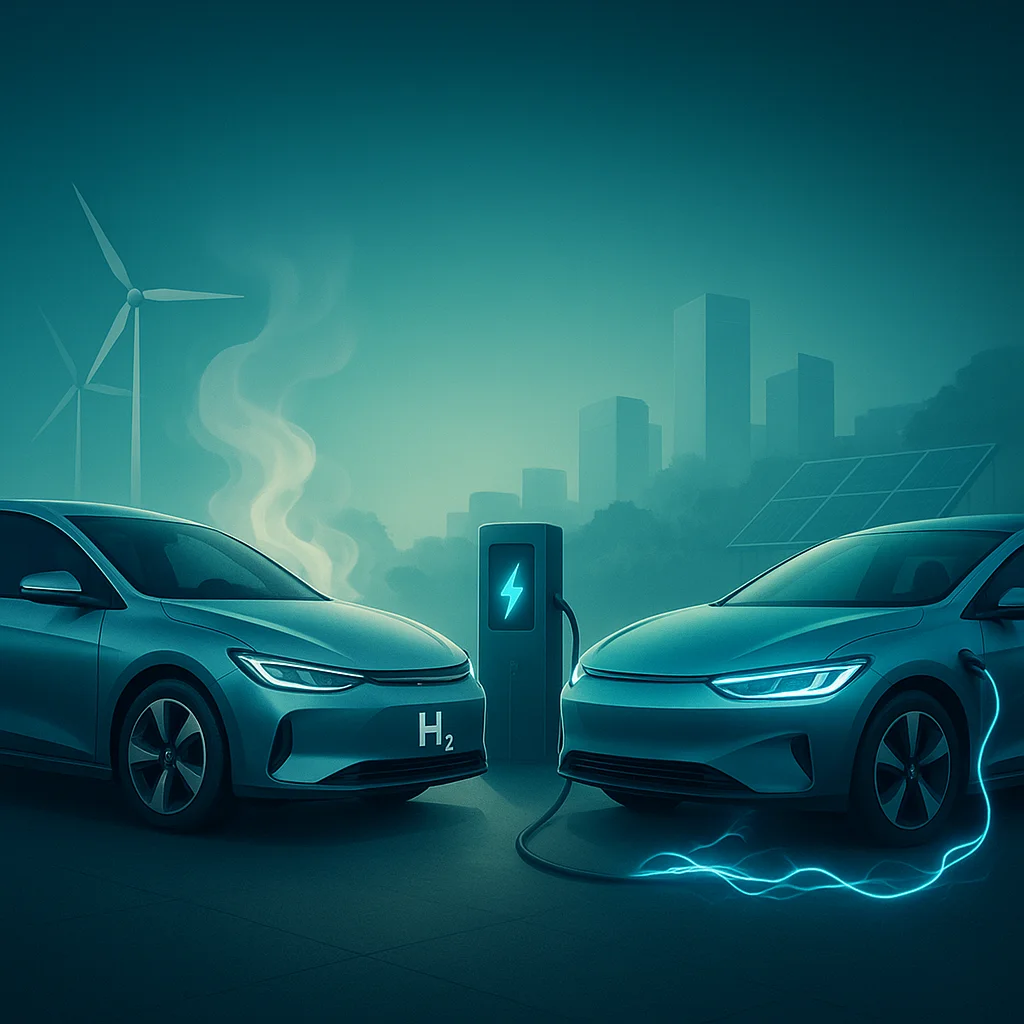
For readers considering the broader transport picture, 2026 Trends in Hydrogen Fuel Cell Vehicles vs Battery Electric Cars provides a useful contrast. Hydrogen remains relevant in selected heavy-duty and industrial contexts, but the battery-electric pathway keeps widening its lead in passenger vehicles because battery costs, charging networks, and pack performance are improving together.
- China’s advantage: manufacturing scale, supply-chain integration, and fast iteration.
- Europe’s opportunity: policy support, advanced research, and cleaner electricity systems.
- Key battleground: turning prototypes into affordable, reliable, high-volume products.
The hard truth is that battery competition is now geopolitical, industrial, and infrastructural at once.
What drivers will actually feel: lower costs, faster stops, longer life
For all the chemistry debates, the consumer experience comes down to a handful of measurable outcomes. Can drivers buy an electric car at a price close to combustion alternatives? Can they charge quickly on long trips? Will the battery still perform well after years of use? Breakthroughs matter only when they answer those questions convincingly.
Cost is the first pressure point. Battery packs remain the most expensive single component in most EVs, so every improvement in materials efficiency, pack simplification, and manufacturing yield can move retail pricing. LFP has already changed the economics of many mainstream models by reducing dependence on more expensive materials. If sodium-ion reaches broader deployment in entry-level segments or blended architectures, it could push affordability further, especially where extreme range is not required.
Charging speed is the second issue, but it must be framed honestly. A headline claiming a 10-minute full charge can be misleading because actual charging curves taper. What matters more is how much useful range a driver gains in a realistic window, perhaps 10 to 20 minutes, under normal conditions. New high-voltage platforms, improved cooling, and lower internal resistance are making those sessions meaningfully shorter. That is a major psychological shift. A family traveling from Barcelona toward Valencia or the Costa Brava experiences battery progress not as a scientific milestone but as one less stop and one less argument over timing.
Longevity may prove the most underrated breakthrough of all. Better battery management, gentler charging algorithms, and improved cell chemistry are reducing degradation anxiety. A battery that retains strong usable capacity after eight or ten years changes resale values and fleet economics. It also improves sustainability because the vehicle remains useful longer before repurposing or recycling becomes necessary.
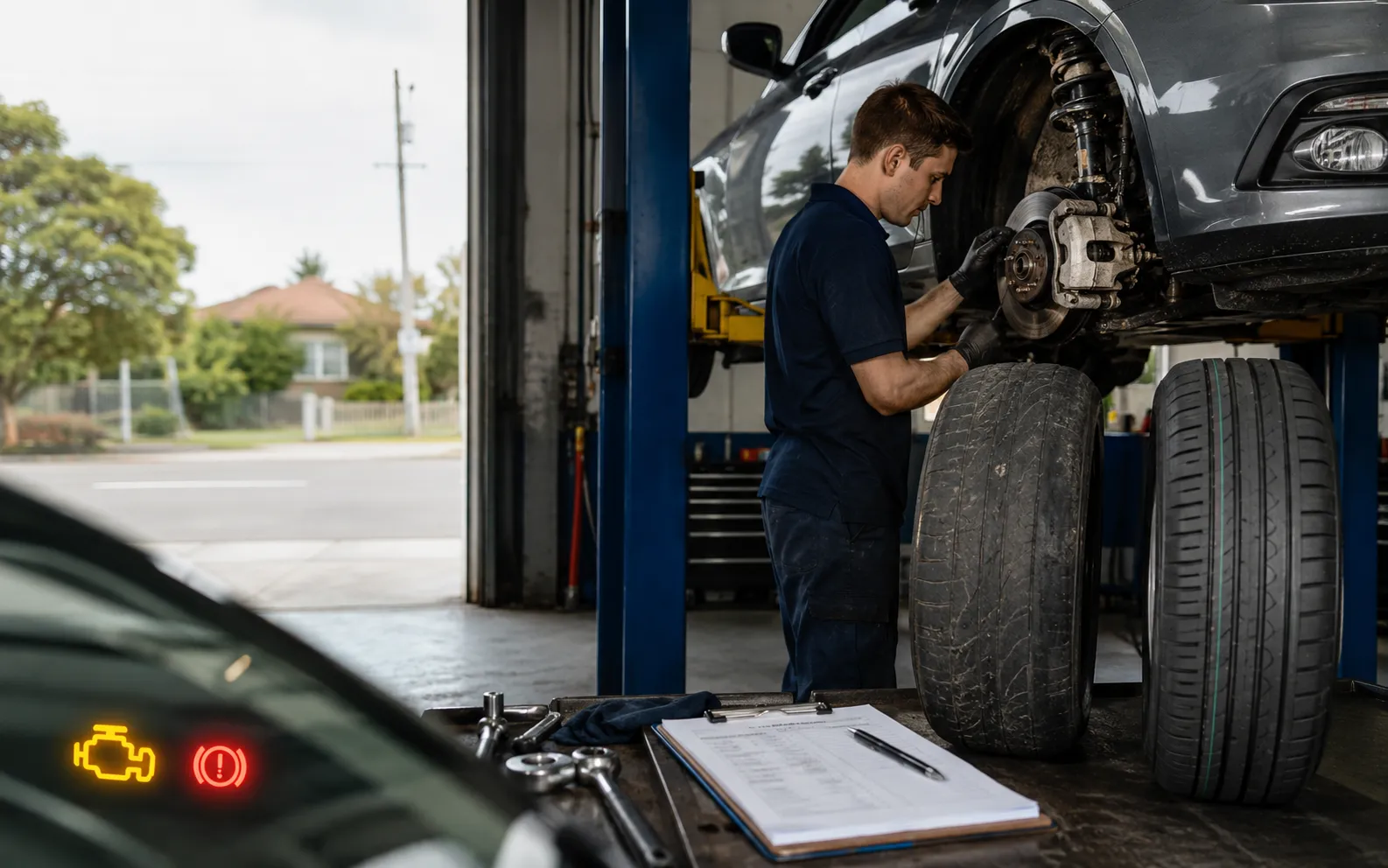
There are still constraints. Cold-weather charging remains difficult for many systems. Repairability questions around structural packs are unresolved. Insurance markets are still adapting to battery-related damage assessment. Yet the trajectory is favorable.
- Affordability improves when cheaper chemistries and simpler packs scale.
- Convenience improves when fast charging becomes predictable, not exceptional.
- Confidence improves when degradation data supports strong resale values.
- Sustainability improves when batteries last longer and feed recycling loops.
That combination is why electric cars are becoming less of a niche environmental choice and more of a rational mainstream purchase.
What to watch next: the winners will blend chemistry, software, and energy systems
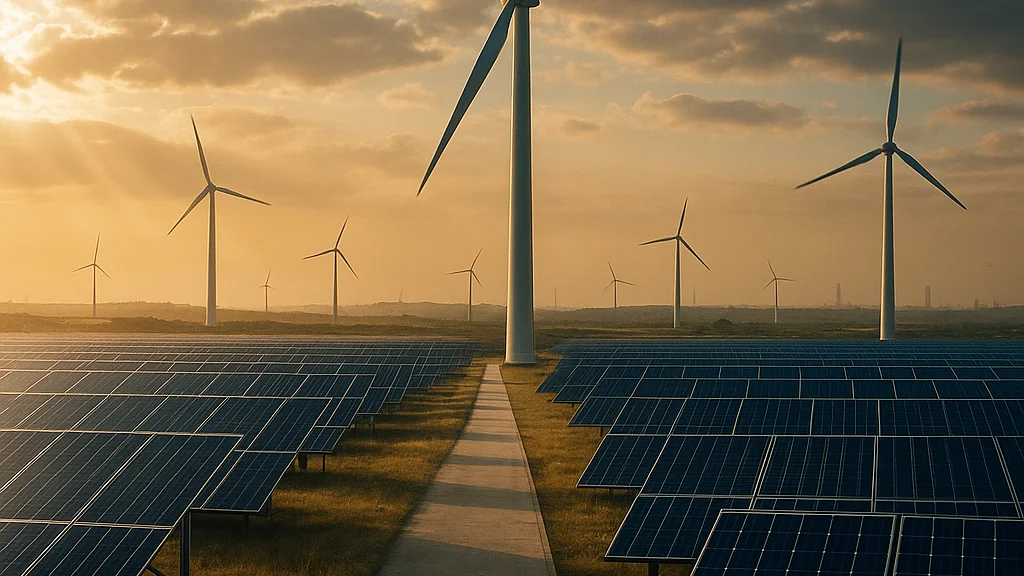
The next phase of battery technology breakthroughs for electric cars will not be defined by one miraculous announcement. It will be defined by convergence. The most successful companies will combine incremental chemistry gains with smarter software, cleaner electricity, and better charging ecosystems. This is particularly visible in Europe, where battery progress increasingly intersects with renewable energy policy. Spain’s solar expansion offers a powerful example. Cheap daytime renewable generation can lower the carbon intensity and operating cost of EV charging, making battery-electric transport more attractive even before the next chemistry leap arrives.
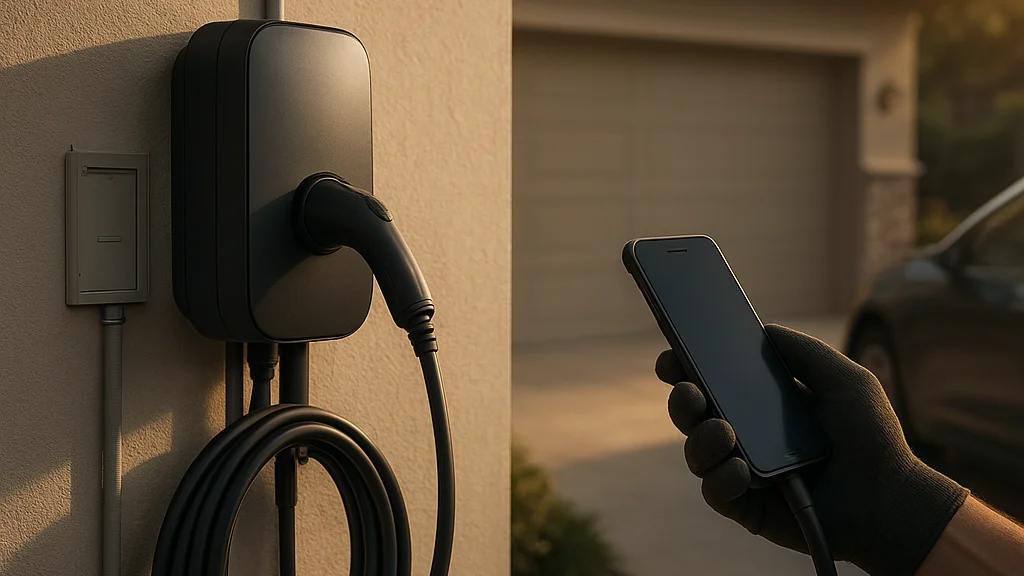
Vehicle-to-grid and smart charging deserve close attention. As batteries become more durable and software more sophisticated, EVs can act not only as transport devices but as flexible energy assets. That possibility is especially relevant in cities pursuing climate resilience. Barcelona’s urban planning tradition has always mixed design with systems thinking; Gaudí understood structure as living geometry, and modern mobility policy works best with the same mindset. A battery is not just a box under the floor. It is part of a wider urban energy organism.
Three developments look especially important over the next few years. First, expect more segmentation by chemistry rather than a winner-takes-all market. Second, watch pack and platform integration as closely as cell announcements. Third, monitor recycling and second-life economics, because mature battery markets are built not only on production but on circularity. The companies that recover materials efficiently and repurpose used packs intelligently will gain a structural advantage.
According to Reuters and industry analysts across 2025 and 2026, manufacturers are under pressure to prove profitability in EVs, not just growth. Battery innovation is therefore being judged by margin impact as much as technical performance. That is healthy discipline. It rewards technologies that can survive contact with consumers, regulators, and factory accountants all at once.
“The future belongs to batteries that are not merely better on paper, but better in traffic, in winter, on the grid, and on the balance sheet.”
The conclusion is clear. Electric cars are entering a more mature battery era, one shaped less by grand promises and more by practical excellence. Faster charging, safer pack design, chemistry diversification, and stronger software are already changing what drivers can expect. Solid-state may yet become transformative, but the current generation of advances is powerful enough to reshape the market now. That is the real breakthrough: not a distant revolution, but a credible, industrial, everyday one.


























Sign in to leave a comment.