

When families begin exploring home care options for aging loved ones, they often encounter two commonly used terms: companion care home care and personal care. While both services support seniors who wish to age in place, they serve different purposes and address distinct needs.
Understanding the difference between these care models is essential when choosing the right solution. Whether you are researching companion care services New Hampshire families rely on or considering broader in-home support, knowing what each service includes can help you make a confident, informed decision.
What Is Companion Care Home Care?
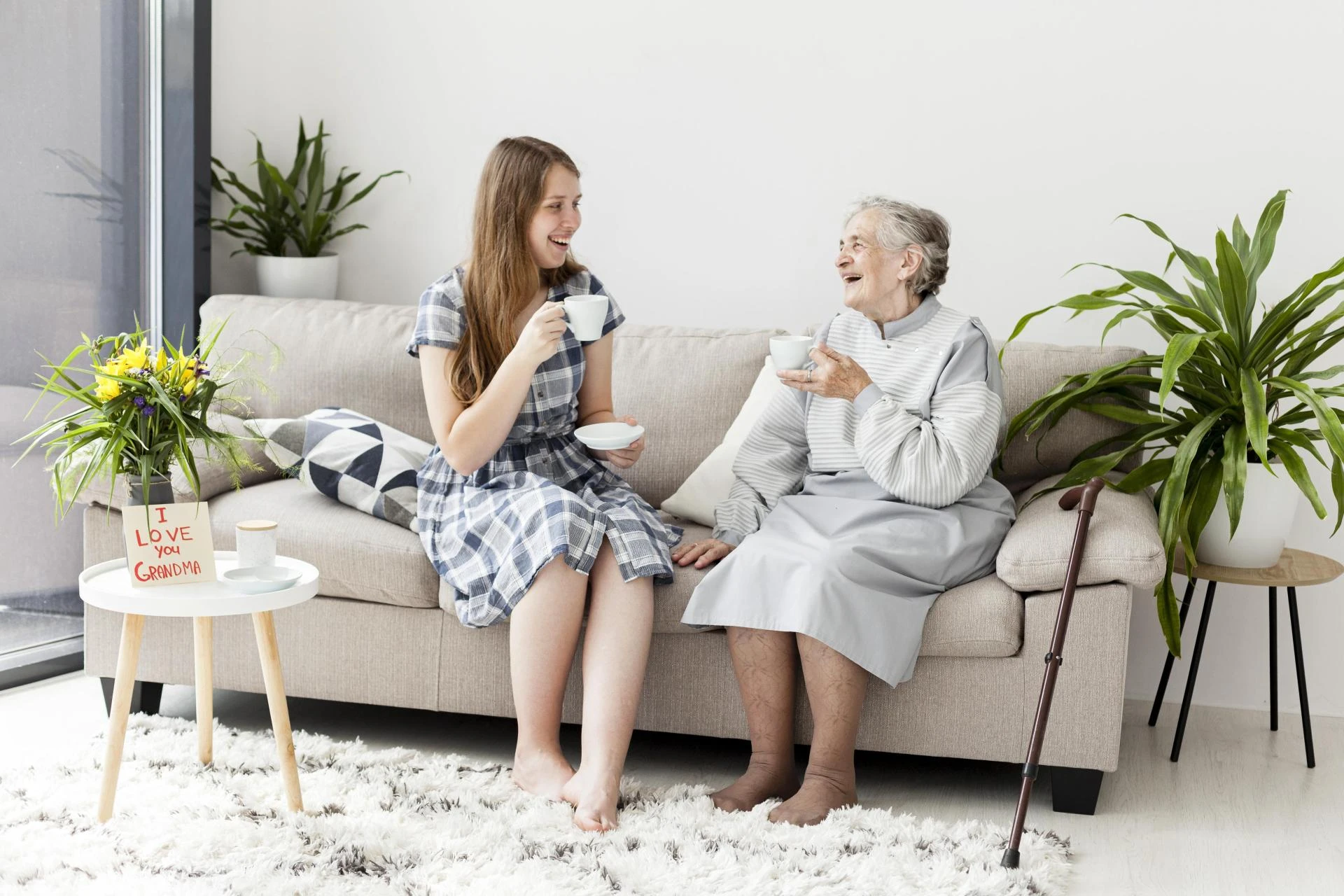
Companion care home care focuses primarily on emotional support, companionship, and assistance with non-medical daily activities. It is designed for seniors who are largely independent but may need help with light tasks and social interaction.
Core Features of Companion Care
- Friendly companionship and conversation
- Assistance with meal preparation
- Light housekeeping
- Grocery shopping and errands
- Transportation to appointments
- Medication reminders
- Recreational activities and engagement
Unlike medical home health care, Companion Care at Home in New Hampshire does not typically include hands-on physical assistance like bathing or mobility support unless combined with additional services.
What Is Personal Care?
Personal care, sometimes referred to as hands-on care, includes assistance with Activities of Daily Living (ADLs). These services are more physically supportive and are ideal for seniors who need help with routine personal tasks.
Core Features of Personal Care
- Bathing and grooming assistance
- Dressing support
- Toileting assistance
- Mobility and transfer support
- Feeding assistance
- Incontinence care
Personal care often requires more specialized caregiver training, as it involves direct physical interaction and safety awareness.
Key Differences Between Companion Care and Personal Care
Although both services aim to support seniors at home, the distinction lies in the level and type of assistance provided.
1. Level of Physical Assistance
- Companion care home care focuses on supervision, emotional support, and light assistance.
- Personal care involves direct physical help with hygiene and mobility tasks.
2. Purpose of Care
- Companion care emphasizes reducing loneliness and promoting engagement.
- Personal care prioritizes safety and physical well-being.
3. Ideal Client Profile
- Companion care is suitable for seniors who are independent but socially isolated.
- Personal care is better for individuals with mobility challenges or health limitations.
Families seeking companion care services New Hampshire often start with companion support and transition to personal care as needs evolve.
The Importance of Companion Care at Home in New Hampshire
Social isolation among seniors is a growing concern, especially in smaller communities and rural areas. Loneliness can contribute to depression, anxiety, cognitive decline, and even physical health complications.
Emotional and Mental Benefits
Companion Care at Home in New Hampshire provides:
- Meaningful conversation and interaction
- Encouragement to participate in hobbies
- Emotional reassurance
- Mental stimulation
- Increased confidence and independence
For many families, investing in companion care home care services significantly improves their loved one’s overall quality of life.
When Is Companion Care the Right Choice?
Companion care is ideal when a senior:
- Lives alone and feels isolated
- Needs help with errands or meal prep
- Requires medication reminders
- Has mild cognitive decline but remains physically independent
- Wants social engagement without institutional care
Companion care services New Hampshire providers are often the first step in helping seniors safely age in place without drastic lifestyle changes.

When Is Personal Care Necessary?
Personal care becomes essential when a senior:
- Has difficulty bathing or dressing independently
- Experiences mobility limitations
- Is recovering from surgery or illness
- Requires fall prevention support
- Needs help managing chronic conditions
In many cases, families choose a blended care model that combines both companion care home care and personal care services to create a comprehensive support plan.
Cost Considerations: Companion Care vs Personal Care
Cost is often a deciding factor for families. Generally:
- Companion care tends to be more affordable because it does not require advanced medical skills.
- Personal care may cost more due to the higher level of hands-on assistance and training involved.
However, investing in the appropriate level of care can prevent hospitalizations and emergency interventions, which ultimately reduces long-term healthcare expenses.
The Role of Flexibility in Home Care
One of the advantages of Companion Care at Home in New Hampshire is flexibility. Services can be scheduled for:
- A few hours per week
- Daily visits
- Overnight supervision
- Live-in arrangements
Care plans can evolve as needs change, allowing families to scale services accordingly.
Supporting Aging in Place
Aging in place remains a top priority for seniors across New Hampshire. Remaining in familiar surroundings promotes:
- Emotional stability
- Cognitive health
- Stronger family bonds
- Greater independence
Both companion care services New Hampshire and personal care models play a crucial role in making this possible.
How to Choose the Right Care Option
Selecting between companion care and personal care requires careful evaluation.
Questions to Consider
- Does the senior require physical assistance?
- Is loneliness or isolation the primary concern?
- Are there mobility or safety risks in the home?
- Has a physician recommended additional support?
- Is the need temporary or long-term?
Consulting with a professional care provider can help families assess needs and develop a customized care strategy.
Combining Companion Care and Personal Care
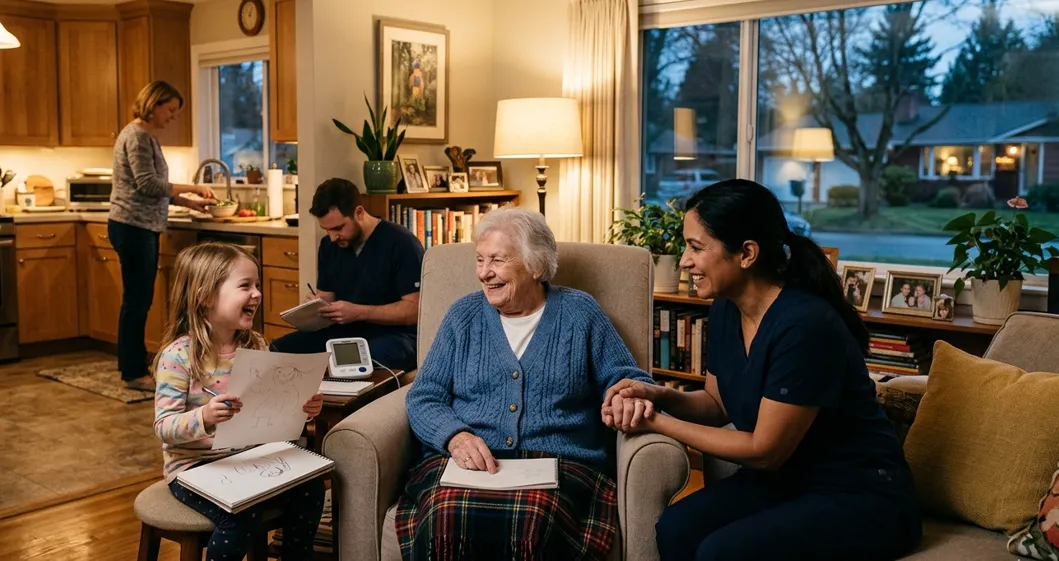
Many families discover that a hybrid approach works best. For example:
- Companion visits during weekdays
Personal care assistance in the mornings - Transportation support for medical appointments
- Social engagement combined with hygiene assistance
This layered approach ensures both emotional and physical well-being are addressed.
Final Thoughts
Understanding the difference between companion care home care and personal care empowers families to make informed decisions that align with their loved one’s needs. While companion care focuses on social connection and light assistance, personal care provides essential hands-on support for daily living.
For families seeking reliable companion care services New Hampshire, choosing a provider that values compassion, dignity, and individualized care is essential. Dignity Care Services is committed to delivering professional Companion Care at Home in New Hampshire, offering personalized solutions that promote independence, comfort, and meaningful living within the safety of home. Contact us today to schedule a consultation, discuss your family’s needs, and discover how compassionate in-home care can help your loved one live independently with dignity and confidence.





























Sign in to leave a comment.