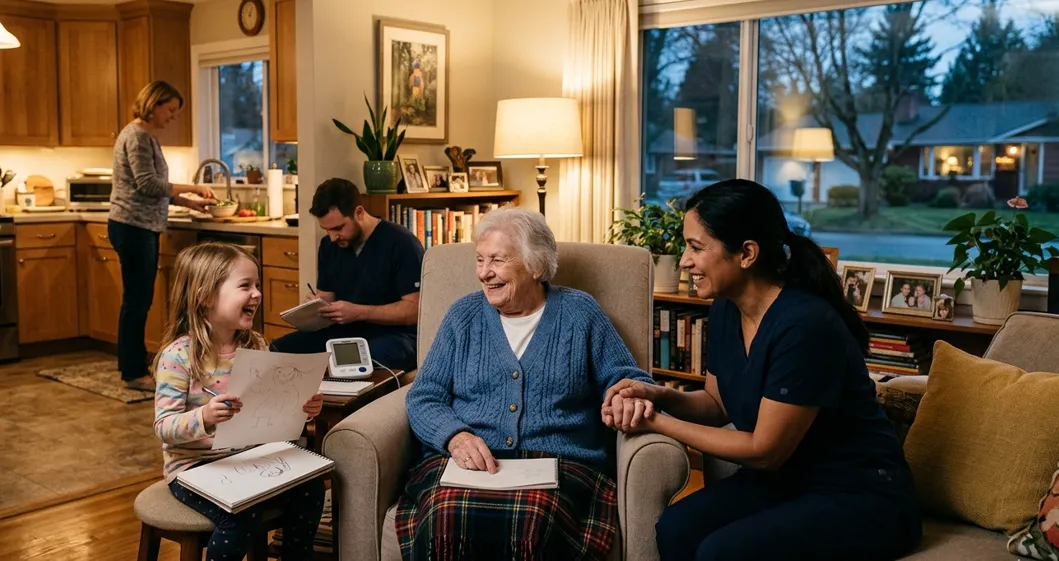

Care at home often breaks down due to one issue: inconsistency. Different carers, shifting routines, and communication gaps can unsettle even the most resilient individuals. Over time, this instability affects health, emotional well-being, and trust. This is where a live-in care service changes the equation.
With one dedicated caregiver providing round-the-clock support, routines stay intact, and care becomes predictable. This post outlines how consistency shapes better outcomes and why families seeking dependable home care services increasingly turn to live-in models for long-term support.
Why Consistency Matters in Home Care
Consistency is not a luxury in care; it is a foundation. People receiving care rely on stable routines for both physical and emotional balance.
Frequent caregiver changes can lead to:
- Missed medications or timing errors
- Repeated instructions and frustration
- Increased anxiety or confusion
- Lack of emotional connection
A structured care environment supports dignity and independence. Stability helps individuals feel secure in their own homes, especially when managing age-related conditions or recovery. A live-in care service removes variability by ensuring the same caregiver remains present, building familiarity and trust over time.
The Role of a Live-in Care Service in Daily Stability
One Caregiver, One Routine
A live-in arrangement creates a predictable daily rhythm. The caregiver learns habits, preferences, and subtle health cues that rotating staff often miss.
Daily activities follow a steady flow:
- Morning hygiene and dressing
- Medication schedules
- Meal preparation based on dietary needs
- Mobility support
- Evening wind-down routines
This structure supports both physical health and mental clarity. It also reduces stress for families who no longer need to coordinate multiple carers.
Real-Time Adaptability
Consistency does not mean rigidity. A live-in caregiver adapts in real time while maintaining core routines. If energy levels shift or health changes, care adjusts immediately without disrupting the overall pattern. This level of responsiveness strengthens outcomes within home care services in Derbyshire, where personalised support is often a key priority.
Building Trust Through Familiarity
Trust develops through repetition and reliability. Seeing the same caregiver each day builds a sense of safety that cannot be replicated with rotating staff.
Over time, the caregiver understands:
- Communication styles
- Emotional triggers
- Personal preferences
- Subtle behavioural changes
This depth of understanding improves care accuracy and reduces misunderstandings. It also creates a stronger emotional bond, which plays a major role in long-term well-being.
A live-in care service naturally supports this continuity, allowing relationships to form without disruption.
Health Monitoring and Early Intervention
Consistency allows for better observation. A live-in caregiver notices small changes that may signal larger issues.
These include:
- Appetite changes
- Sleep disruptions
- Mobility decline
- Mood shifts
Early detection leads to quicker responses, reducing the risk of hospitalisation. Care becomes proactive rather than reactive.
Within home care services in Derbyshire, this level of monitoring often distinguishes high-quality care from basic assistance.
Emotional Stability and Reduced Anxiety
A familiar presence provides reassurance. Individuals receiving care often experience anxiety when routines shift or unfamiliar faces appear.
A live-in caregiver offers:
- Companionship throughout the day
- Emotional reassurance during difficult moments
- Consistent communication style
- A sense of normalcy
This stability is especially important for those managing cognitive decline or recovering from illness. For deeper insight into how structured routines build confidence at home, this resource explains it clearly: professional home assistance and routine building
Reduced Administrative Burden for Families
Managing multiple carers requires coordination, scheduling, and oversight. It often becomes a full-time responsibility.
A live-in care service simplifies this process:
- One primary point of contact
- Clear communication flow
- Fewer scheduling conflicts
- Better accountability
Families gain peace of mind knowing care remains uninterrupted, even during unexpected situations.
This streamlined approach aligns well with the growing demand for dependable home care, where families value both quality and simplicity.
Supporting Long-Term Independence at Home
Consistency helps individuals remain in their homes longer. A stable care setup reduces the need for residential transitions, which can be disruptive and stressful.
Benefits include:
- Familiar surroundings
- Maintained routines
- Personalised care approach
- Strong caregiver relationship
A live-in model supports independence while still providing full-time assistance. It bridges the gap between occasional home visits and full residential care.
In a Nutshell
Consistency sits at the heart of effective care. A live-in care service creates a stable environment where routines stay intact, trust grows naturally, and health is monitored closely. This approach reduces stress, improves outcomes, and supports long-term independence. Families seeking reliable home care services benefit from a model that prioritises continuity over convenience.
The result is care that feels steady, personal, and dependable. For those evaluating care options, now is the time to move away from fragmented support and choose a solution built on consistency. A well-structured live-in care arrangement offers the clarity and reliability that home care should always provide.















Sign in to leave a comment.