

Serious health conditions rarely clock off at 5 p.m. Equipment alarms, medication schedules, and sudden changes can turn ordinary evenings into moments of fear. Families often carry the pressure alone, unsure who they can trust inside their home. The right professional team for complex care in Derbyshire changes everything.
Skilled carers bring clinical knowledge, steady judgment, and reassurance that someone capable stands beside you. This post explains who provides safe support at home, what training matters, and how to judge quality with confidence. Anyone searching for reliable help for complex, ongoing needs will find clarity here.
What Safe Home Support Really Means
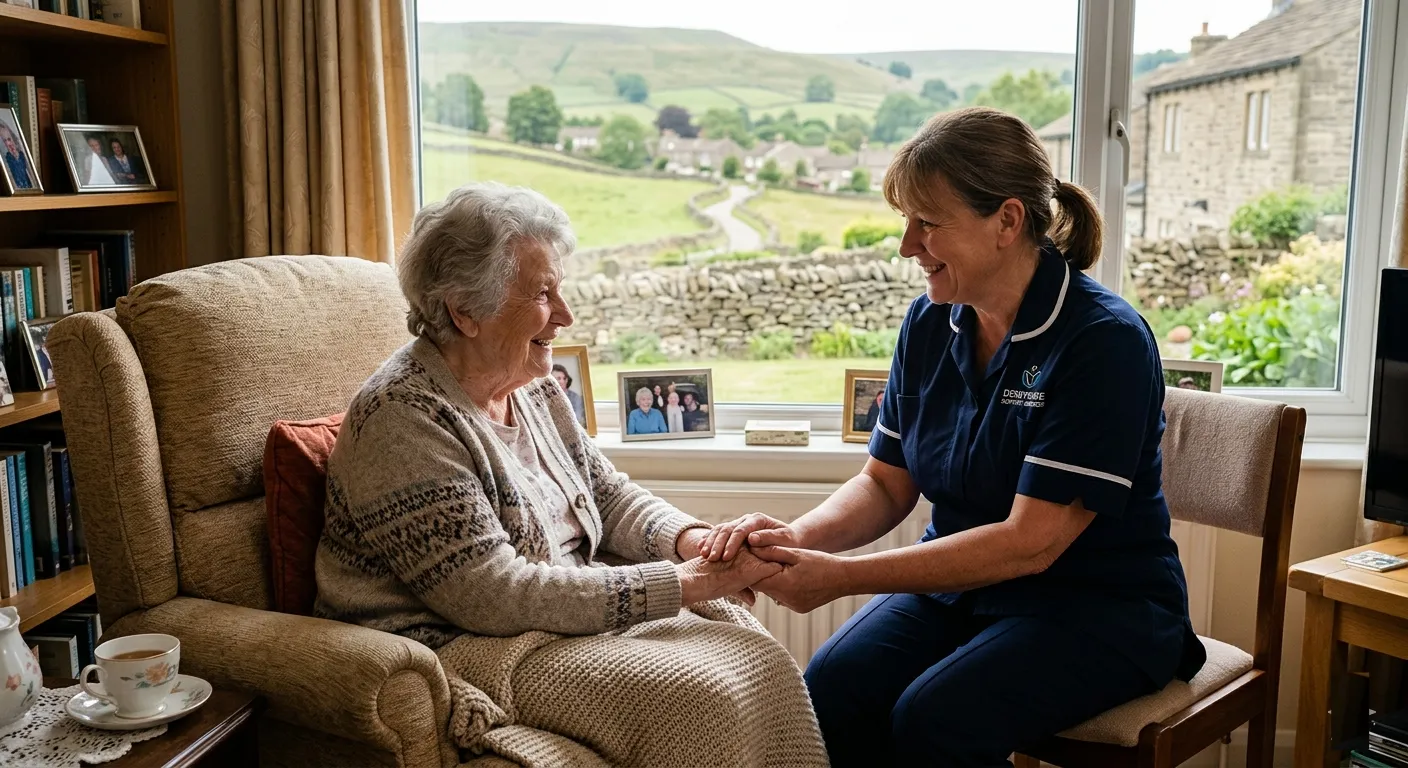
Safety in the home goes far beyond kindness. It requires competence, structure, and accountability. A reputable provider builds care around clinical guidance, risk management, and continuous monitoring. Carers follow clear protocols, record observations, and escalate concerns without delay. Strong services protect dignity as firmly as health. They understand routines, communication preferences, and cultural values. That balance between humanity and technical skill defines high-quality home care.
Clinical capability in everyday settings
Long-term conditions often involve advanced procedures once handled only in hospitals. Today, trained professionals manage them in living rooms and bedrooms. This may include:
- Tracheostomy care
- Ventilation support
- PEG feeding
- Catheter management
- Complex medication administration
Each task demands precision. Providers must prove competency through supervised practice and regular reassessment.
Consistency and continuity
Rotating strangers increases anxiety and risk. Reliable teams aim for small, familiar groups of carers who understand subtle changes in behaviour, appetite, or breathing. That familiarity allows faster reactions and fewer mistakes.
The Professionals Involved in Specialist Support
Quality packages rely on more than one role. A network of expertise works together to keep people stable at home.
Registered nurses and clinical leads
Nurses shape the care plan, train staff, and review outcomes. They liaise with GPs, hospitals, and therapists while ensuring evidence-based practice. When complications appear, they act quickly and adjust support.
Highly trained support workers
Support workers deliver most day-to-day assistance. With proper preparation, they safely handle complex interventions while offering emotional reassurance. Their responsibilities often include:
- Monitoring vital signs
- Managing mobility
- Supporting nutrition
- Maintaining hygiene
- Reporting concerns immediately
Care coordinators
Coordinators manage rotas, communication, and emergency cover. They keep families informed and prevent service gaps. In strong, complex care, Derbyshire models, this role anchors everything together.
Matching Expertise to Individual Conditions
Each medical condition presents unique characteristics and challenges. Providing personalized support can lead to fewer avoidable hospital admissions and significantly enhance patients' overall quality of life.
Neurological Conditions
Brain and spinal injuries can affect speech, movement, and cognition. Carers need patience, awareness of rehabilitation, and skill with assistive technology. They also track fatigue and sensory overload.
Respiratory Illness
Oxygen therapy and ventilation are critical components of patient care that require rigorous safety protocols. Healthcare teams need to have a deep understanding of infection control measures and emergency procedures.
Progressive Diseases
Conditions that change over time demand flexibility. Providers update plans quickly as abilities shift. This responsiveness defines dependable home care.
Training That Separates Average from Excellent
Anyone can promise compassion. Training proves competence. Top providers invest heavily in structured education, mentorship, and refreshers. They audit performance and act on feedback. Look for programmes that include:
- Practical simulations
- Shadow shifts
- Annual competency checks
- Specialist modules linked to the condition
Carers enter private spaces daily. They must recognise neglect, coercion, or financial abuse and report it properly. Strong governance frameworks make this routine, not optional.
Regulation, Insurance, and Accountability
Trust grows when oversight is visible. Providers should register with national regulators, carry robust insurance, and welcome external inspection. Transparent complaint procedures also show maturity and professionalism. Well-run complex care services in Derbyshire publish their ratings and improvement plans openly.
Maintaining accurate records is essential for safe decision-making. Daily logs, medication charts, and incident reports provide a reliable clinical overview. Without proper documentation, risks can escalate rapidly.
Communication With Families
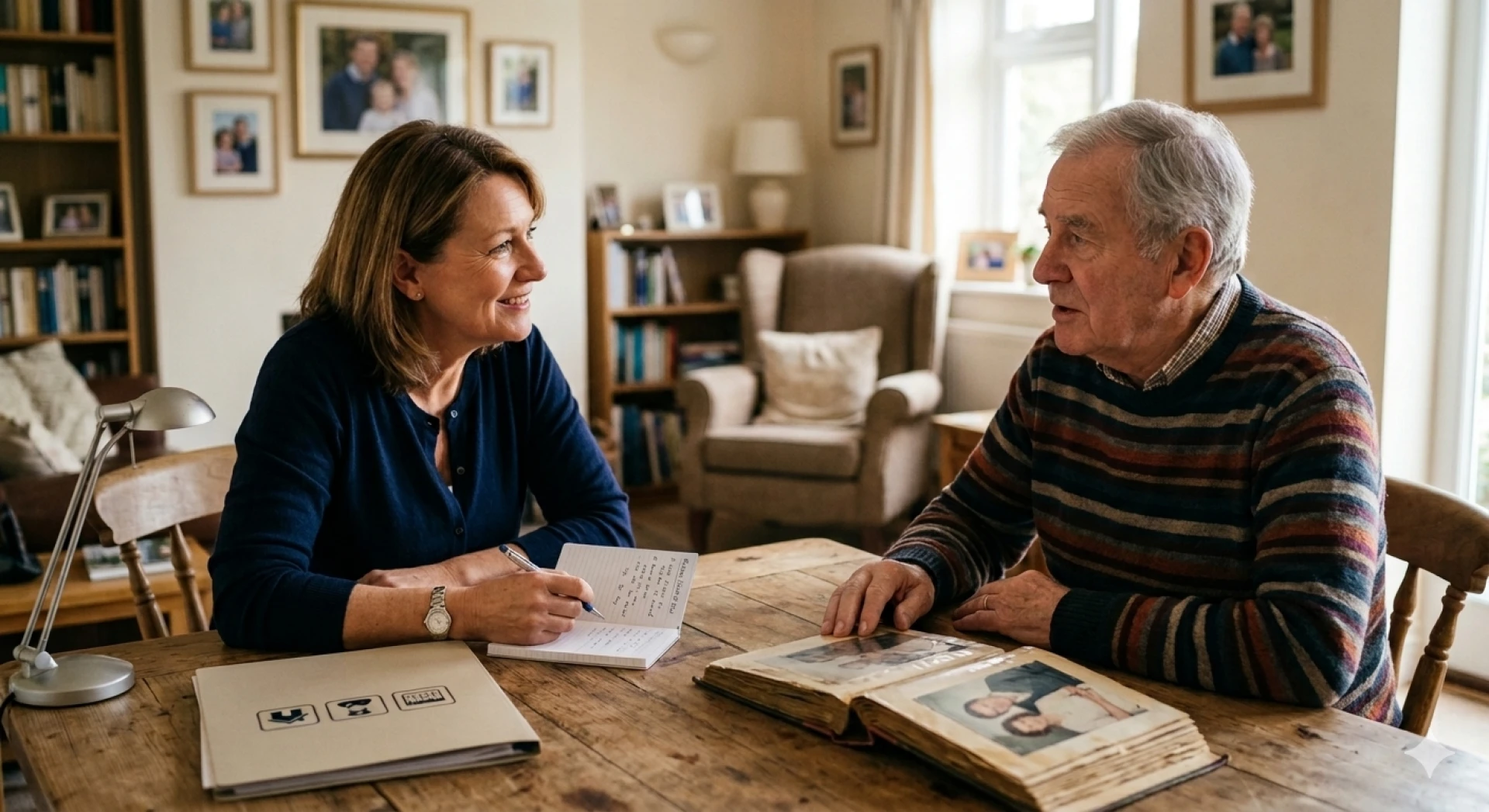
Families remain central even when professionals step in. Open dialogue prevents misunderstandings and builds partnership. Good teams provide regular updates, invite input, and respect lived experience. They treat relatives as allies rather than obstacles.
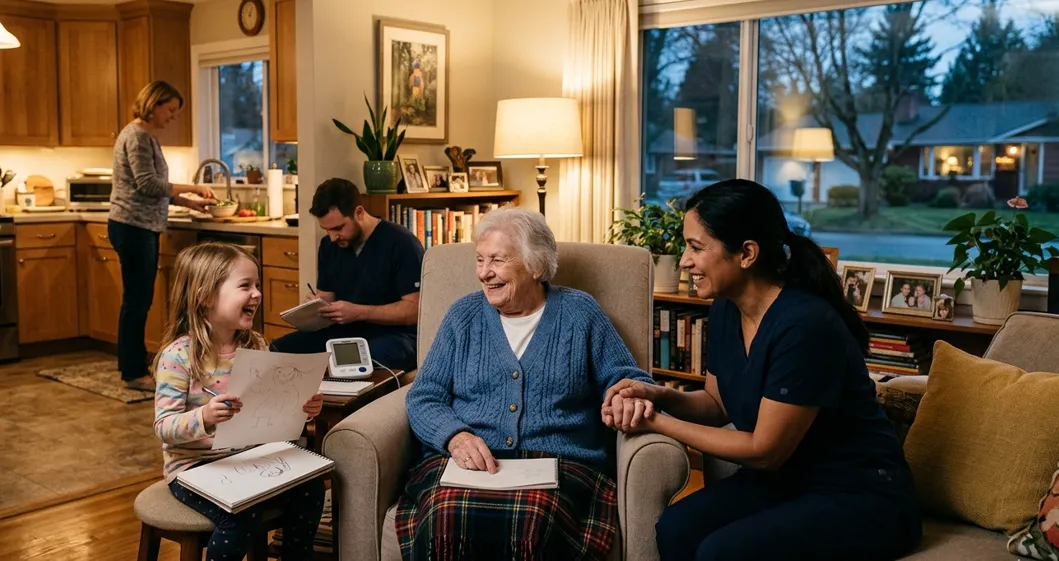
Serious illness impacts the entire household. Familiar caregivers who listen and respond with empathy help alleviate that strain. Confidence increases when questions receive prompt and honest answers.
Technology in the Modern Home Support
Digital tools now strengthen safety in powerful ways. Secure apps track visits, document interventions, and flag missed medications. Remote monitoring can alert teams to vital sign changes before symptoms escalate.
Combined with skilled staff, technology makes home care more proactive. Managers conduct trend analyses, assess training requirements, and optimize staffing strategies. This ongoing evaluation process continuously enhances standards year after year.
Signs of a Provider Worth Trusting
Certain behaviours signal reliability from the first conversation.
- Detailed assessments before care begins
- Transparent pricing
- Written contingency plans
- Evidence of ongoing training
- Stable staffing levels
Services delivering complex care in Derbyshire at a high level rarely rush these steps.
In a Nutshell
Safe support for long-term conditions, such as home care, depends on preparation, clinical oversight, and genuine partnership with families. Skilled professionals bring structure, vigilance, and calm into situations that once felt overwhelming. With the right team, home becomes a place of stability rather than uncertainty.
Reliable providers welcome scrutiny, invest in staff, and adapt as needs change. That commitment protects health and dignity every day. Anyone arranging care should seek organisations that clearly and consistently demonstrate these qualities. Reach out to a specialist service, ask detailed questions, and secure support that lasts.




























Sign in to leave a comment.