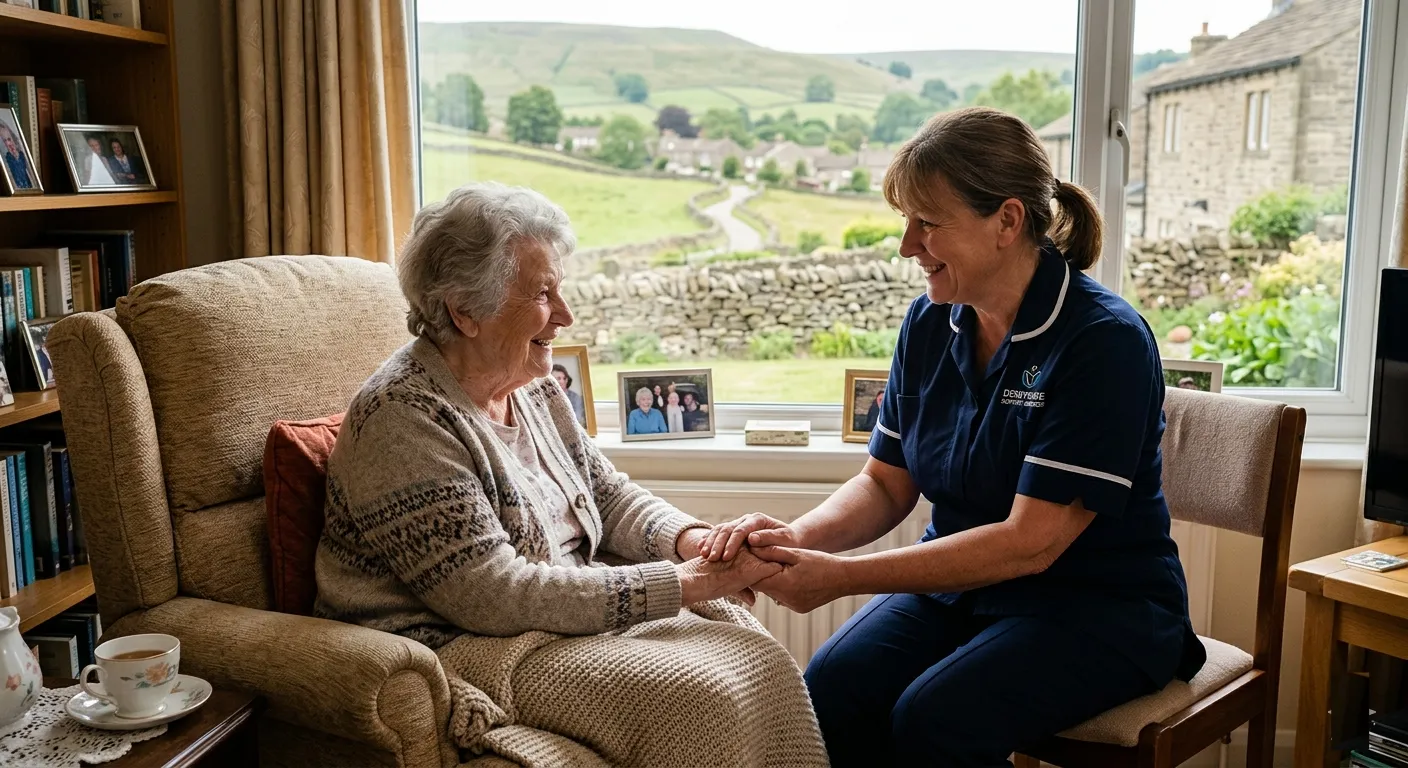

Finding the right care for an aging parent or a family member living with a long-term condition rarely feels straightforward. Many families across the county describe the same frustration: rushed visits, a rotating cast of unfamiliar caregivers, and a sense that schedules matter more than the person being supported. That kind of experience leaves people feeling like another name on a clipboard rather than someone with a story.
Compassionate support looks and feels different. This guide breaks down what genuine compassion looks like inside Derbyshire's care landscape, the practical signs of a thoughtful provider, and how the best mental health care in Derbyshire fits into a wider picture of person-centered support.
What "Compassionate" Really Means in Care
Compassion in care is not a marketing word; it is a daily practice. It shows up in small details: the carer who notices a different mug on the shelf and asks about it, the support worker who sits down before speaking, the team that learns what makes someone feel calm during a difficult morning. Every detail signals respect, attention, and time.
Truly compassionate providers treat the person as the center of every plan. They write notes about a human being, not a list of tasks. Their language stays warm, even when describing medical needs.
The Building Blocks of Person-Centered Support
A few qualities separate ordinary providers from those who set the standard locally.
Listening Before Acting
Good support starts with quiet, careful listening. Carers who ask, "What matters most to you today?" and then adjust the visit accordingly tend to build the deepest trust. Families notice the difference within the first few weeks of working with a thoughtful team.
Consistency of Familiar Faces
A rotating roster of strangers undermines safety and dignity. Compassionate providers protect continuity. Three or four trained carers, sharing notes and routines, build a relationship where the team spots small concerns early and acts on them.
Respect for Cultural and Personal Background
Derbyshire's communities are diverse. A thoughtful home care service adapts to faith, language, food preferences, and household customs without asking the family to explain themselves repeatedly. That cultural fluency matters as much as clinical skill.
Mental Health and Emotional Well-Being as Part of the Whole
Physical assistance and emotional support are not separate jobs. Loneliness, anxiety, and grief affect appetite, sleep, and recovery as much as any prescription does. The strongest mental health care in Derbyshire blends practical visits with active emotional check-ins. Carers trained to spot early signs of low mood often become the first line of help, flagging concerns to GPs, social workers, and family members before things escalate.
Local provision now ranges from registered counselors and community psychiatric nurses to peer-support groups in Chesterfield, Buxton, and Belper. Strong support services connect families to those resources rather than leaving them to navigate alone.
How Home-Based Support Builds Trust and Independence
Familiar Surroundings Lead to Better Outcomes
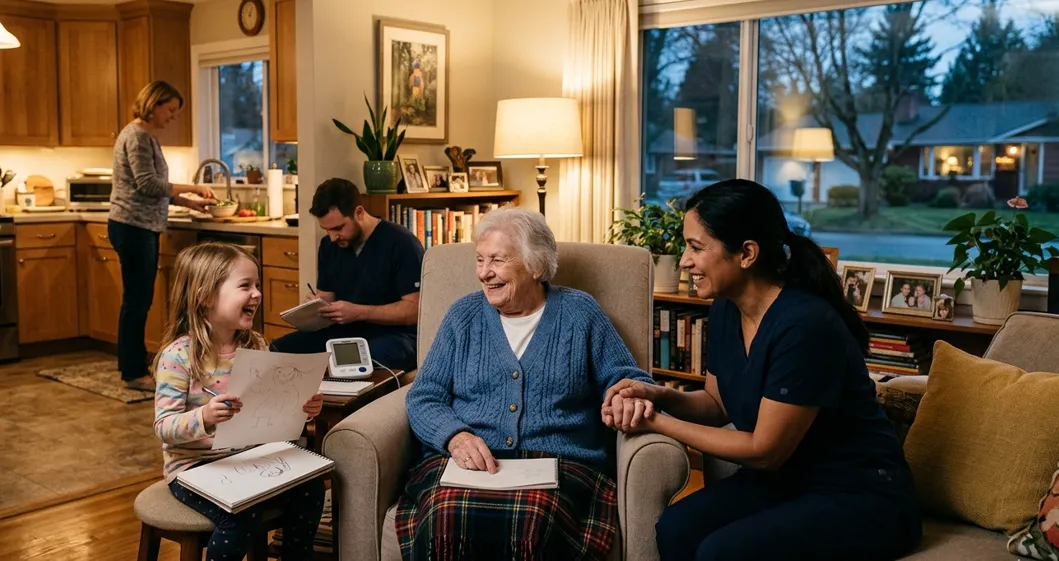
People recover, settle, and thrive in places they recognize. A skilled home care service preserves that familiarity while bringing in the right level of support, whether that means morning visits, overnight care, or a few hours of companionship each week. Staying at home, with the right help, often slows cognitive decline and protects mental well-being.
Practical Help, Delivered with a Personal Touch
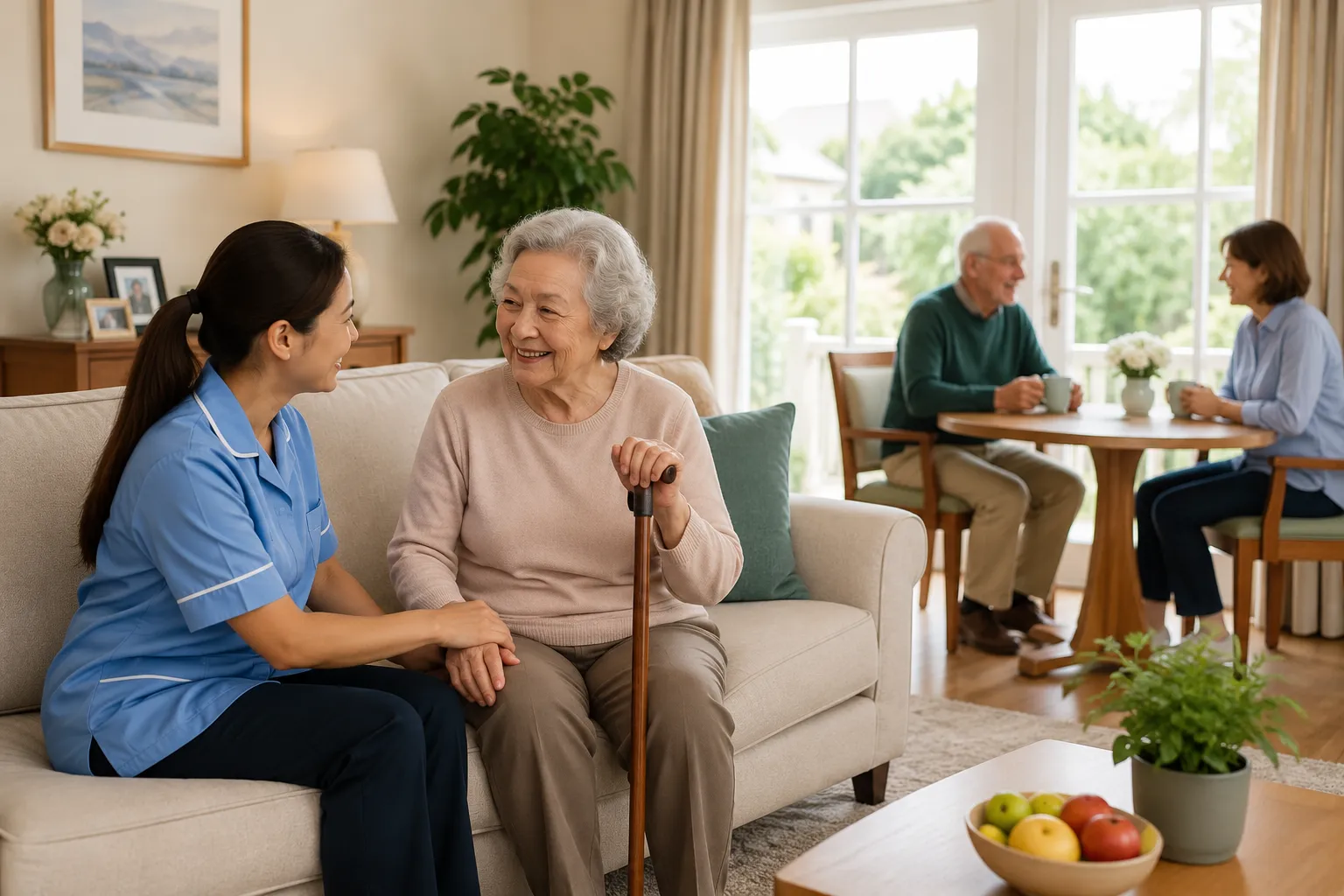
Meal preparation, medication prompts, mobility support, and personal washing can either feel clinical or feel kind. The difference lies in the carer's manner: how they greet the person, how they explain what they are doing, and whether they invite a choice at every step. Small acts add up to a profound sense of dignity.
How to Spot a Genuinely Compassionate Provider
Families researching options should look for the following signs:
- Care plans co-written with the person and their family, not handed down as a finished document.
- Stable, well-trained staff who stay with the same clients over months and years.
- Open communication, including digital visit logs, regular reviews, and a named coordinator who is easy to reach.
- Strong safeguarding training, with carers who understand mental health, dementia, and end-of-life needs.
- Solid regulator ratings from the Care Quality Commission, particularly under the "Caring" and "Responsive" domains.
A first conversation often reveals more than any brochure. The best providers ask thoughtful questions before they answer them.
Why Local Knowledge Around Derbyshire Matters
A provider rooted in the county brings something a national chain cannot replicate: knowledge of local GPs, hospitals, and community groups. That network speeds up referrals and shortens the path to specialist help. It also means carers know the practical realities of rural visits across the Peak District, terraced streets in Long Eaton, or sheltered housing schemes in Ripley. That awareness shapes how providers schedule, staff, and deliver every care service at home across the county.
In a Nutshell
True compassion in care comes from steady, daily choices: listening first, protecting continuity, and ensuring every home care service blends practical help with emotional presence while respecting the person at every step. The right provider in Derbyshire treats those choices as the standard, not an exception. Families who hold out for that standard rarely regret the wait.
If a parent, partner, or relative needs support, request a home assessment from a CQC-rated local provider this week. Ask how the team handles continuity of care, mental well-being, and family communication, and trust your instincts when the conversation feels human from the very first call.




























Sign in to leave a comment.