
 Home security has evolved far beyond simple door locks and alarms. In 2025, homeowners have access to an impressive range of intelligent systems that combine advanced technology with everyday convenience. But with so many options available, choosing the right solution can feel overwhelming.
Understanding how different home security systems compare — in terms of features, connectivity, monitoring, and reliability — helps homeowners make informed decisions that fit their specific needs and lifestyles.
This article explores the key components of smart home security, compares various system types, and outlines the factors to consider when selecting the best one for your home.
The Rise of Smart Home Security
Traditional alarm systems used to function in isolation. A triggered sensor would sound an alarm or alert a monitoring center, and that was the extent of the system’s capabilities. Smart security systems, however, operate as part of a connected ecosystem.
These modern setups combine cameras, motion sensors, smart locks, lighting, and AI-driven software to create an intelligent network capable of learning behavior patterns and responding proactively to threats.
The result is not just protection against break-ins but a system that provides real-time awareness, remote control, and data-backed insights into home safety.
Types of Home Security Systems
Before comparing features, it’s important to understand the main categories of home security systems available in 2025.
1. Professionally Monitored Systems
These systems are connected to a central monitoring center staffed by security professionals who respond to alarms 24/7. When a break-in, fire, or medical emergency occurs, the monitoring team verifies the alert and contacts emergency services immediately.
Professionally monitored systems often include installation, regular maintenance, and technical support. They are ideal for homeowners seeking reliability and peace of mind without the need to manage the system themselves.
2. Self-Monitored (DIY) Systems
Self-monitored systems allow homeowners to take control of their security through mobile apps. Notifications are sent directly to the user’s smartphone when motion is detected or a door is opened.
DIY systems are easy to install, flexible, and typically more affordable than professional setups. However, they require the homeowner to respond quickly in emergencies — which may not be ideal if the user is traveling or unreachable.
3. Hybrid Systems
Hybrid systems bridge the gap between DIY and professional monitoring. They allow homeowners to manage their systems independently but can switch to professional monitoring when needed.
This dual functionality offers both convenience and safety, making hybrid models increasingly popular among tech-savvy users in 2025.
Comparing Smart Security Features
Different systems offer various features that enhance safety, convenience, and customization. Here’s how the most important components compare.
Smart Cameras and Video Analytics
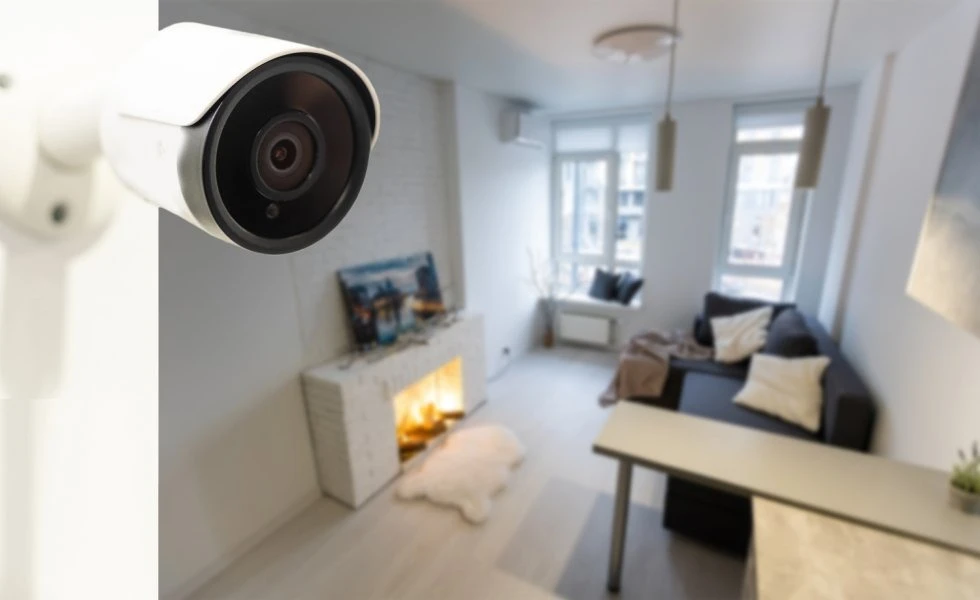
High-definition cameras are the foundation of most home security systems. Modern models offer two-way audio, night vision, and real-time streaming. The latest trend is AI-driven analytics, allowing cameras to identify people, pets, vehicles, and unusual movements.
For example, a camera can distinguish between a family member arriving home and an unfamiliar person loitering nearby. This intelligence reduces false alerts and improves situational awareness.
Professionally monitored systems often come with more robust camera networks and centralized cloud storage, while DIY systems rely on local or subscription-based storage options.
Smart Locks and Access Control
Smart locks replace traditional keys with PIN codes, fingerprint scanners, or smartphone access. Homeowners can remotely lock or unlock doors, grant temporary access to guests, and receive alerts when someone enters or exits.
Professional systems may integrate with visitor management or delivery verification tools. DIY systems, on the other hand, typically focus on app-based access control and customizable automation.
Motion and Environmental Sensors
Motion sensors detect movement in restricted areas, while environmental sensors monitor smoke, carbon monoxide, or flooding. Smart sensors can now adapt to household routines — for example, ignoring motion during daytime hours but activating at night.
Hybrid systems often allow for the combination of professional monitoring of environmental hazards with self-managed motion detection.
Mobile App Control and Smart Integration
Most modern security systems offer intuitive mobile apps for remote monitoring and control. The most advanced versions integrate seamlessly with other smart home devices such as thermostats, lighting, and entertainment systems.
Integration allows for automation — for example, lights turning on when motion is detected or the thermostat adjusting automatically when the house is unoccupied.
Cloud vs. Local Storage
Data storage is a key factor when comparing systems.
- Cloud storage offers accessibility and backup protection but may involve monthly fees.
- Local storage, often via SD cards or hard drives, provides privacy and one-time setup but can be vulnerable to theft or damage.
The best systems use hybrid storage, ensuring data remains accessible and secure even if one method fails.
Cost Considerations
Pricing varies widely depending on whether a system is professional, DIY, or hybrid.
- Professional systems may cost more upfront and include monthly monitoring fees but provide full-service support and emergency response.
- DIY systems typically require a smaller investment, with optional add-ons or cloud storage subscriptions.
- Hybrid systems offer flexible pricing, letting users switch between monitoring types as needed.
Ultimately, the best value depends on a homeowner’s comfort level with technology, availability to respond to alerts, and long-term safety priorities.
Installation and Ease of Use
DIY systems emphasize simplicity — many can be installed without tools and configured via mobile apps. Professional systems, however, are often installed by certified technicians who ensure optimal camera placement and secure connections.
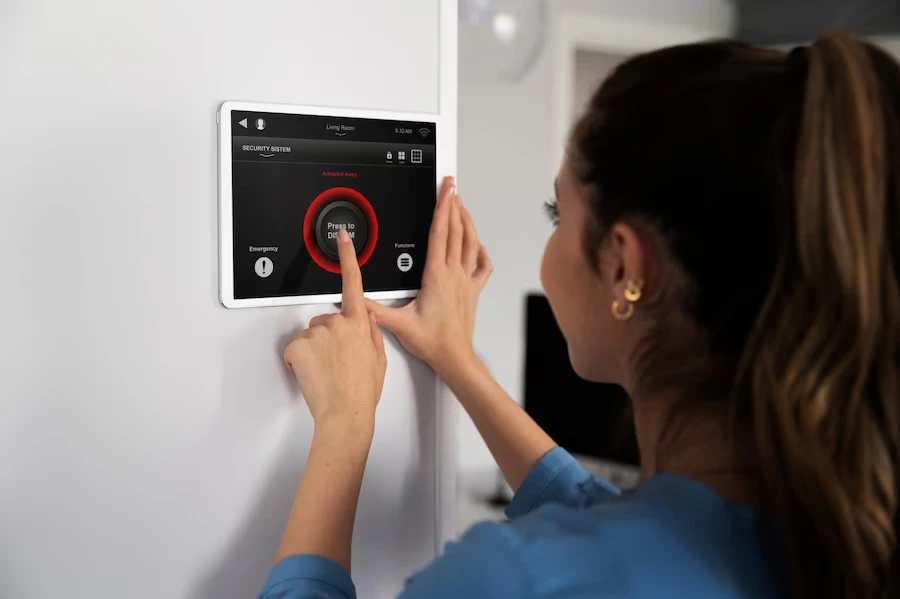
Ease of use is critical. Systems should feature intuitive interfaces, customizable alerts, and responsive mobile applications. Voice assistant compatibility adds another layer of accessibility, allowing control through commands like “arm the system” or “show front door camera.”
Data Security and Privacy
As homes become smarter, cybersecurity becomes just as important as physical protection. The best home security systems in 2025 use end-to-end encryption, multi-factor authentication, and secure cloud protocols.
Homeowners should prioritize systems that are transparent about data use and compliant with privacy regulations. A strong security provider will clearly explain how footage is stored, who can access it, and how it is deleted.
Reliability and Connectivity
A reliable security system must remain functional even during power outages or internet disruptions. Many modern systems now feature cellular backup, battery-powered cameras, and offline recording modes to ensure continuous coverage.
Systems using advanced mesh networks also improve signal strength and connectivity between multiple devices, reducing blind spots and lag in alerts.
Scalability and Customization
Every home is unique, and security needs differ between small apartments and large suburban houses. The best systems offer modular scalability — the ability to add more cameras, sensors, or smart locks without replacing the entire setup.
DIY and hybrid systems typically excel in this area, allowing homeowners to expand their networks gradually. Professional systems, while sometimes less flexible, offer more integrated upgrades through the provider.
Evaluating the Best Fit for Your Home
When comparing smart home security systems, consider these guiding questions:
- Do you prefer to manage alerts yourself, or would you rather have professionals handle emergencies?
- Is your home already equipped with smart devices, or are you starting from scratch?
- What level of data privacy and cloud storage control do you want?
- How important are features like voice control, automation, or energy efficiency?
By assessing these factors, homeowners can choose a system that balances cost, convenience, and protection.
The Future of Smart Home Security
As artificial intelligence and IoT continue to advance, future systems will become even more personalized and predictive. Cameras may recognize family routines, while sensors learn to identify environmental changes before they become hazards.
Automation will grow stronger — for example, systems could alert neighbors or community networks in emergencies or automatically dispatch drones for perimeter checks.
The focus will shift from reactive protection to preventive intelligence, ensuring homes remain safe, efficient, and resilient.
Frequently Asked Questions
What is the main difference between professional and DIY security systems?
Professional systems include 24/7 monitoring and support from trained personnel, while DIY systems rely on homeowners to manage alerts and responses themselves.
Do smart home security systems require a subscription?
Some systems do, especially for cloud storage or professional monitoring. However, many DIY setups allow free access to basic features.
Are wireless systems reliable compared to wired ones?
Yes. Modern wireless systems use encrypted signals and backup power, offering equal — and sometimes greater — reliability with easier installation.
Can smart home security integrate with other devices?
Absolutely. Most modern systems connect with smart assistants, lighting, and climate controls, providing unified home automation.
What should homeowners prioritize when choosing a system?
Focus on reliability, data privacy, scalability, and compatibility with your existing smart devices and lifestyle.







Sign in to leave a comment.