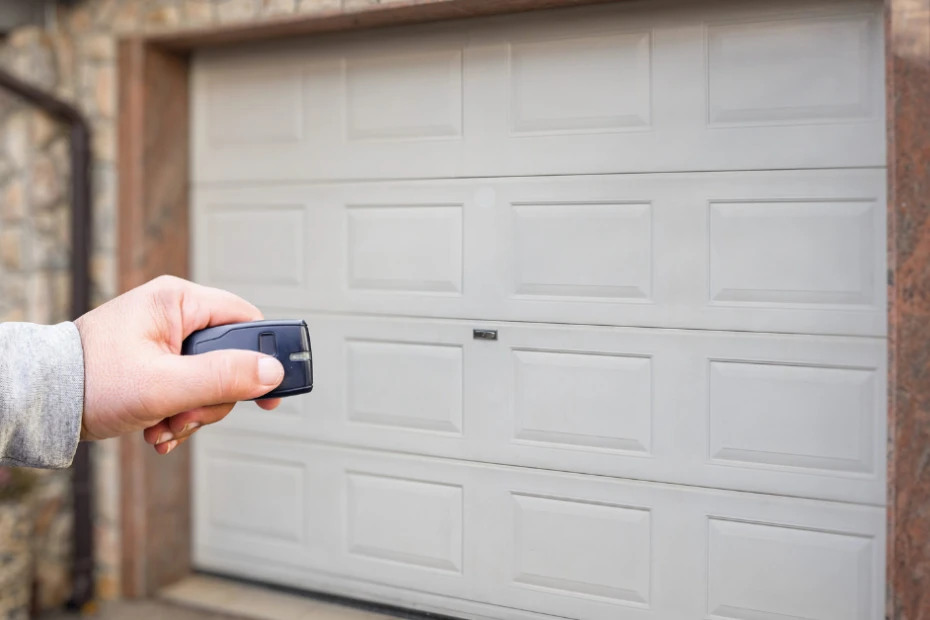

A garage door is one of those things most people never think about until something goes wrong. It opens, it closes, and life goes on. But when you stop and think about it, this large moving part of your home does a lot of heavy lifting. It keeps your car safe, protects your tools and storage items, and plays a big role in how your house looks from the street.
Whether you are building a new home, replacing an old one, or just trying to fix what you have, understanding your options can save you time, money, and stress. This article covers the basics of what you need to know about garage doors and how to make smart choices.
Why Your Garage Door Matters More Than You Think
Many homeowners focus on paint colours, garden designs, and front doors when thinking about curb appeal. But the garage door often takes up a huge part of the front of a house. In some homes, it covers more visible space than anything else. A worn out, dented, or outdated door can drag down the look of the whole property.
Beyond looks, there is the matter of security. A weak or broken door is an easy target for thieves. Modern doors come with better locking systems and stronger materials that make break-ins much harder. If your current door is flimsy or has gaps, it might be time to look at what is available.
Energy costs are another factor. Garages that are attached to the house can let in cold air during winter and hot air during summer. A well-insulated door helps keep temperatures stable and can lower your electricity bills over time.
Different Materials to Choose From
When shopping around, you will find that doors come in several different materials. Each has its own set of pros and cons, and the right choice depends on your budget, your local weather, and the look you want.
Wooden garage doors have been popular for many years. They offer a classic, warm look that works well with traditional home designs. Wood can be painted or stained to match your house, giving you plenty of options for customisation. The downside is that wood needs regular care. It can warp, crack, or rot if not properly sealed and maintained. In areas with high humidity or lots of rain, wooden doors require extra attention.
Aluminium garage doors are a great choice for people who want something low maintenance. Aluminium does not rust, which makes it ideal for coastal areas where salt in the air can damage other metals. These doors are lighter than steel, which puts less strain on the opening mechanism. They can be made to look like wood or painted in various colours. The main drawback is that aluminium dents more easily than steel, so it may not be the best pick if your garage sees a lot of rough use.
Steel doors are another common option. They are strong, durable, and come in a wide range of styles. Steel can be insulated for better energy performance. It does require some upkeep to prevent rust, but modern coatings have made this less of a problem than it used to be.
Getting a New Door Installed
If you have decided it is time for a new door, the next step is garage door installation. This is not a simple weekend project for most people. The springs, tracks, and cables involved can be dangerous if handled incorrectly. Professional installers have the tools and training to get the job done safely and correctly.
Before the installation day, take measurements of your garage opening. Knowing the exact width and height helps when comparing products. Think about headroom as well. Some door types need more space above the opening than others.
Ask about warranties when you get quotes. A good warranty covers both the door itself and the labour for installation. This protects you if something goes wrong in the first few years.
Keeping Your Door in Good Shape
Like any moving part of your home, garage doors need regular care to work properly. A few simple habits can extend the life of your door and save you from expensive fixes down the road.
Check the tracks on both sides of the door every few months. Look for debris, rust, or bends that could cause problems. Wipe them down and remove anything that does not belong there.
Listen to your door when it opens and closes. Grinding, squeaking, or scraping sounds can signal that something is wearing out. Catching these issues early often means a smaller repair bill.
Lubricate the moving parts at least twice a year. The rollers, hinges, and springs all benefit from a light coating of lubricant made for garage doors. This keeps everything moving smoothly and quietly.
Test the safety features on automatic openers. Most modern systems have sensors that stop the door if something is in the way. Put a roll of paper towels in the path of the closing door. If it does not reverse, the sensors may need adjustment or replacement.
When Repairs Are Needed
Even with the best care, things break. Springs wear out, cables fray, and panels get dented. When this happens, garage door repairs should be handled by someone who knows what they are doing. The springs on a garage door are under extreme tension and can cause serious injury if they snap while being handled.
Common repair jobs include replacing broken springs, fixing bent tracks, replacing worn rollers, and repairing or replacing damaged panels. Some fixes are quick and affordable, while others can be more involved.
If your door is old and needs frequent repairs, it might make more sense to replace it rather than keep patching things up. A new door often comes with better energy efficiency, improved security features, and a fresh look that adds value to your home.
Shopping for a New Door
When you start looking at garage doors for sale, take your time. Visit showrooms if you can so you can see and touch the materials. Photos on a screen do not always show the true quality of a product.
Get at least three quotes from different suppliers. Prices can vary quite a bit, and so can the level of service offered. Ask what is included in each quote. Does it cover removal of the old door? Is delivery included? What about the cost of any hardware or parts?
Read reviews from other customers. Their experiences can give you a good idea of what to expect. Look for patterns in the feedback. If multiple people mention the same problem, it is probably worth paying attention to.
Think about the future when making your choice. Will this door still look good in ten years? Does the style fit with where you think the neighbourhood is heading? A little extra thought now can prevent regret later.
Making the Right Choice
Choosing and maintaining a garage door is not glamorous work, but it matters. The right door improves your home’s appearance, keeps your belongings safe, and can even save you money on energy costs. Whether you go with wood, aluminium, steel, or something else, the goal is to find a balance between looks, function, and your budget.
Take care of what you have, and it will take care of you. And when the time comes for a change, do your homework, ask the right questions, and make a choice you can live with for years to come.































Sign in to leave a comment.