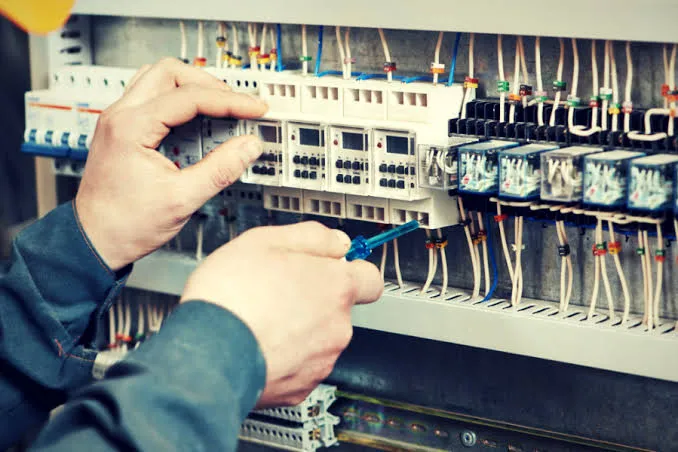

Electrical systems are easy to overlook when everything appears to be working properly. Lights turn on, appliances run, and devices charge without a second thought. But behind the walls of every home is a complex network of wiring, outlets, panels, and circuits that require attention over time. As homes become more dependent on technology, smart devices, and energy-demanding appliances, the importance of electrical maintenance continues to grow.
For homeowners, preventative electrical care is not just about convenience. It also plays a major role in energy efficiency, safety, long-term property value, and peace of mind. Whether someone lives in an older property or a newly built home, understanding how electrical systems age and what warning signs to monitor can help avoid expensive repairs and unexpected disruptions.
The Growing Demand on Residential Electrical Systems
Today’s households use far more electricity than homes built decades ago. Modern families often rely on multiple televisions, gaming systems, computers, kitchen appliances, HVAC systems, electric vehicle chargers, and smart home technologies all at the same time.
Older electrical systems were not always designed to handle these increased energy demands. This mismatch can lead to overloaded circuits, flickering lights, frequent breaker trips, and overheating components. In some cases, homeowners may ignore these small issues until they become serious problems.
Routine electrical evaluations help identify weak points before they escalate. Upgrading outdated wiring, replacing aging panels, or improving circuit distribution can help homes operate more efficiently while reducing stress on the electrical system.
Common Signs That Electrical Attention May Be Needed
Many electrical problems begin with subtle warning signs. Homeowners who recognize these early indicators can often address issues before major damage occurs.
Some common signs include:
- Circuit breakers that trip frequently
- Buzzing sounds near outlets or switches
- Flickering or dimming lights
- Warm outlets or switch plates
- Burning odors near electrical components
- Sparks when plugging in devices
- Outdated two-prong outlets
- Extension cords used as permanent solutions
Even if these symptoms appear minor, they may point to deeper problems inside the electrical system. Addressing concerns early often prevents more expensive repairs later.
Why Electrical Safety Should Never Be Delayed
Electrical hazards are one of the leading causes of residential property damage. Faulty wiring, overloaded circuits, and damaged components can create dangerous conditions that place both people and property at risk.
Preventative maintenance helps reduce these risks by ensuring systems remain compliant with modern safety standards. Professional inspections can identify hidden hazards that homeowners may not notice during day-to-day life.
This becomes especially important during home renovations or when adding large appliances. New equipment often increases electrical demand, and older systems may need modifications to safely support the additional load.
Homeowners considering upgrades or safety evaluations can review services offered byBig Red Electric Company in Las Vegas to better understand how modern electrical maintenance supports safer and more efficient homes.
The Benefits of Upgrading Older Electrical Panels
Electrical panels serve as the control center for a home’s power distribution. Over time, panels can become outdated or unable to support modern electrical usage.
Some older panels may struggle with today’s energy demands, particularly in homes with renovated kitchens, home offices, entertainment systems, or electric vehicle charging stations. Inadequate panels can lead to recurring breaker trips and inconsistent performance.
Panel upgrades can provide several advantages:
Improved Safety
Modern panels include updated protective features that help reduce the risk of electrical faults and overheating.
Better Energy Distribution
Newer systems distribute power more efficiently throughout the home, minimizing strain on individual circuits.
Support for Modern Technology
Smart home systems, advanced appliances, and high-performance HVAC systems often require stronger electrical infrastructure.
Increased Property Value
Updated electrical systems are viewed as a positive feature by many homebuyers and inspectors.
Investing in infrastructure upgrades today can help homeowners avoid larger electrical complications in the future.
Energy Efficiency and Long-Term Savings
Electrical maintenance is not only about safety. It can also improve energy efficiency and help reduce utility costs.
Outdated wiring and malfunctioning components may cause systems to work harder than necessary. Energy loss from poor electrical performance can increase monthly expenses over time.
Several electrical improvements can contribute to better efficiency:
- LED lighting installations
- Smart thermostat integration
- Energy-efficient ceiling fans
- Updated circuit systems
- Modern surge protection
- Dedicated appliance circuits
These upgrades often improve both functionality and energy management throughout the home.
As utility costs continue to fluctuate, homeowners are becoming more proactive about identifying opportunities to optimize electrical performance without sacrificing comfort.
The Importance of Professional Installation and Repairs
DIY projects have become increasingly popular, but electrical work remains one area where professional expertise is especially valuable. Improper installations or repairs can create hidden hazards that may not become apparent immediately.
Licensed electricians understand current building codes, proper load calculations, grounding requirements, and safe installation practices. Their training helps ensure electrical systems operate reliably while meeting safety standards.
Professional work also helps reduce the likelihood of:
- Improperly connected circuits
- Overloaded wiring
- Fire hazards
- Equipment damage
- Code violations
- Insurance complications
For homeowners, investing in qualified electrical service often prevents larger costs and risks later.
Planning Ahead for Future Electrical Needs
As technology evolves, residential electrical demands will likely continue increasing. More homeowners are installing electric vehicle chargers, backup generators, home automation systems, and advanced security technology.
Planning ahead allows homeowners to build flexibility into their electrical systems rather than reacting to problems after they occur.
Some future-focused upgrades may include:
Whole-Home Surge Protection
Power surges can damage electronics and appliances. Whole-home protection systems help reduce the impact of sudden voltage spikes.
Generator Readiness
Backup power solutions are becoming increasingly popular in areas affected by storms or utility interruptions.
Smart Home Integration
Connected lighting, climate control, and monitoring systems often require updated electrical infrastructure.
Electric Vehicle Charging Capacity
As EV ownership grows, many homes will require dedicated charging stations with sufficient panel capacity.
Preparing for these changes early can make future upgrades more efficient and less disruptive.
Building Confidence Through Preventative Maintenance
One of the greatest advantages of proactive electrical maintenance is confidence. Homeowners gain peace of mind knowing their systems are operating safely and efficiently.
Routine inspections and timely upgrades help reduce the chance of unexpected outages, expensive emergency repairs, and safety hazards. They also create opportunities to improve energy efficiency and modernize household functionality.
Electrical systems are foundational to nearly every aspect of modern living. From climate control to communication, entertainment, cooking, and security, dependable power supports daily comfort and convenience.
Rather than waiting for visible problems to appear, homeowners who prioritize preventative care often enjoy fewer disruptions and better long-term performance from their electrical systems.
Conclusion
Electrical systems quietly support nearly every activity inside a home, yet they are often ignored until a problem develops. As modern households continue placing greater demands on residential power systems, regular maintenance and thoughtful upgrades become increasingly important.
By recognizing warning signs early, improving outdated infrastructure, and planning for future energy needs, homeowners can create safer, more efficient living environments. Preventative electrical care is ultimately an investment in reliability, comfort, and long-term property protection.
























Sign in to leave a comment.