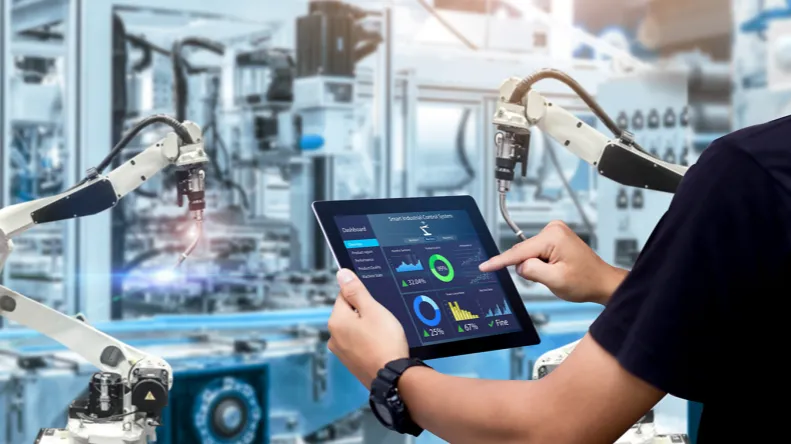

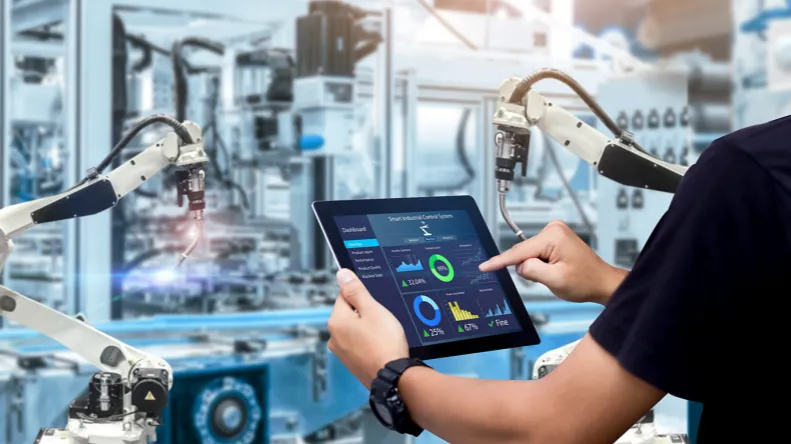
Manufacturing Execution System is an important part of contemporary manufacturing, as it monitors, records, and optimizes real-time production. With the changing nature of industries, companies are moving towards cloud-based and on-premises MES. Learning about their distinctions will enable organizations to choose the appropriate system to be efficient, scaled, and compliant. Today, there are reputable educational platforms providing MES courses to offer valuable information about these technologies and their practical implementation.
What Is a Cloud-Based MES?
Cloud-based manufacturing execution system solutions operate on remote servers, which are hosted by third parties. They provide production locations with a centralized interface that is connected online, minimizing hardware and IT overhead on-site. Most teams identify this MES in the cloud since its main features, such as data storage and analytics, are provided via a web-based interface. The purpose of this structure is to speed up production management, sustain steady performance, and reduce initial capital expenses.
What is On-Premise MES?
On-premise MES software runs on local servers of a manufacturing plant and puts the in-house teams in charge of hardware, security, and maintenance. This approach can provide organizations with direct control over their data and system configurations. In industries where strict compliance is a key factor, many factories like to have the feeling of ownership that on-site hosting provides. There are organizational leaders who are more inclined towards on-premise solutions for customization, but these implementations are usually associated with more upfront expenses.
Key Differences between On-Premise and Cloud
The core differences are presented in detail for explicit understanding of both on-premises and cloud MES.
Deployment Location
The main difference is the location where the system is hosted. Making on-premise MES solutions available is a physical, hardware-intensive investment in the servers and infrastructure of a company, and it takes IT management. Cloud MES platforms are, on the contrary, hosted on remote servers and accessed through the internet, which is flexible and cost-effective in terms of infrastructure. A Manufacturing Execution System Course Online allows many learners to dive into these differences and learn about deployment models in detail.
Compliance
Industries such as pharmaceuticals, food production, and aerospace need regulatory compliance. On-premise systems provide organizations with direct control over the process of compliance, and it is easier to align them with the specific regulatory requirements. Nevertheless, it can be costly to ensure compliance. Cloud MES systems are usually equipped with standardized compliance and upgraded as per the international standards, and do not put additional pressure on internal teams. The understanding of Comparing Cloud MES Platforms vs. On-Premise Systems is crucial in ensuring that the solution adopted complies with industry regulations effectively.
Control
On-premise systems have full software, data, and customization control. The system is suitable for highly specific organizations since companies can customize it to fit their requirements. This level of control, however, comes at the cost of more responsibility in maintenance and updates. Cloud MES platforms, in turn, offer less direct control, yet make the management of the system easier with automatic updates and support from the vendor. Manufacturing Execution System Courses focusing on Cloud MES and on-premises are usually preferred by professionals who study these trade-offs to determine the most appropriate setup in various business contexts.
Security
Security is a key consideration in MES selection. On-premise systems give companies the opportunity to control their security measures, which can be useful to organizations dealing with very sensitive information. But this also implies that they have to invest in cybersecurity measures and know the process. Cloud platforms are normally provided with sophisticated security measures like encryption, frequent updates, and monitoring under the management of special providers. Although there are companies that fear that the data stored off-site can be compromised, reputable cloud providers maintain high standards of security. An MES Certificate can assist professionals in gaining a better insight into these security frameworks and best practices.
Conclusion
Both cloud and on-premise MES have advantages that are specific to business requirements, budget, and complexity. Cloud systems are scalable and easily maintained, and on-premise solutions are controlled and customizable. Therefore, in the case of apt learning, completing the Manufacturing Execution System Course at Company Connect Consultancy would aid professionals in considering these options and developing industry-ready skills.




























Sign in to leave a comment.