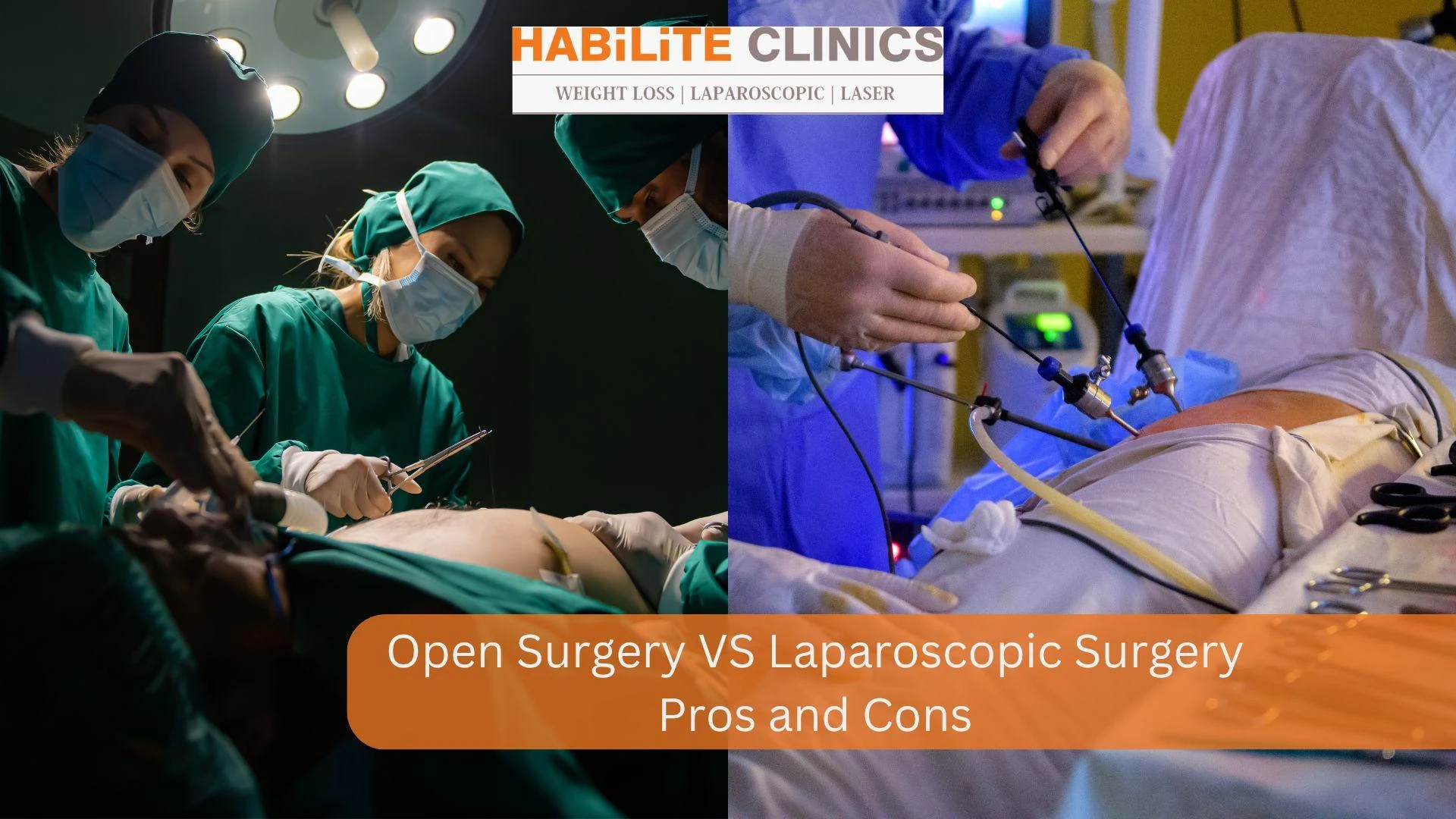

In the realm of surgical procedures, two primary methods dominate: laparoscopic surgery and open surgery. Each approach has its own set of advantages and disadvantages, making it essential for patients to understand the differences to make informed decisions about their healthcare. This blog will delve into the pros and cons of both laparoscopic and open surgery, providing a comprehensive comparison to help you better understand these techniques.
What is Laparoscopic Surgery?
Laparoscopic surgery, also known as minimally invasive surgery, involves the use of a laparoscope—a thin, flexible tube with a camera and light at the end. Through small incisions, typically no larger than a centimetre, surgeons insert the laparoscope and other specialized instruments to perform the procedure. The camera transmits images to a monitor, allowing the surgeon to see inside the body and operate with precision.
What is Open Surgery?
Open surgery, the traditional method, involves making a larger incision to access the area of the body that requires treatment. This approach provides the surgeon with a direct view and access to the organs and structures involved. While effective, it is generally more invasive than laparoscopic surgery.
Pros of Laparoscopic Surgery
1. Minimally Invasive
One of the most significant advantages of laparoscopic surgery is its minimally invasive nature. With smaller incisions, patients experience less trauma to the body, leading to quicker recovery times.
2. Reduced Pain and Scarring
Smaller incisions mean less postoperative pain and minimal scarring, enhancing the overall aesthetic outcome for patients.
3. Shorter Hospital Stay
Patients undergoing laparoscopic surgery often have shorter hospital stays compared to those who undergo open surgery. Many are able to go home within 24-48 hours.
4. Lower Risk of Infection
The smaller incisions used in laparoscopic surgery reduce the risk of infection and other complications associated with large wounds.
5. Faster Return to Normal Activities
Due to less pain and quicker recovery, patients can return to their normal activities and routines much sooner after laparoscopic surgery.
Cons of Laparoscopic Surgery
1. Limited by Complexity
Not all surgeries can be performed laparoscopically. Complex cases may still require open surgery for adequate access and visibility.
2. Requires Specialized Training
Laparoscopic surgery requires specialized training and equipment, which may not be available in all healthcare facilities.
3. Longer Operating Time
In some cases, laparoscopic surgery can take longer than open surgery due to the precision required and the use of specialized instruments.
Pros of Open Surgery
1. Direct Access and Visibility
Open surgery provides the surgeon with direct access and a clear view of the surgical area, which can be crucial in complex or emergency situations.
2. Versatility
Open surgery can be used for a wide range of procedures, including those that are not suitable for laparoscopic techniques.
3. Effective for Complicated Cases
In cases where there are extensive adhesions or where large tumors need to be removed, open surgery is often more effective and practical.
Cons of Open Surgery
1. Larger Incisions
The larger incisions required for open surgery result in more significant trauma to the body, leading to increased pain and longer recovery times.
2. Higher Risk of Infection
With larger wounds, the risk of infection and other complications is higher compared to laparoscopic surgery.
3. Longer Hospital Stay
Patients typically need to stay in the hospital longer after open surgery, sometimes up to a week or more, depending on the complexity of the procedure.
4. Increased Scarring
The larger incisions also mean more noticeable scarring, which can be a cosmetic concern for many patients.
Making the Right Choice
Both laparoscopic and open surgery have their own set of benefits and drawbacks. Understanding these can help you make an informed decision about your surgical options. With advancements in medical technology, laparoscopic surgery offers many patients a less invasive and quicker recovery option, while open surgery remains a critical method for complex cases. It's essential to have a thorough discussion with your healthcare provider to understand which option is best suited for your specific condition.
Habilite Clinics: Your Partner in Surgical Excellence
At Habilite Clinics, we pride ourselves on offering the latest in surgical techniques, including advanced laparoscopic procedures. Our lead surgeon, Dr. Kapil Agrawal, brings over 22 years of experience and has performed thousands of successful surgeries. Dr. Agrawal's expertise and compassionate approach ensure that each patient receives personalized care and support throughout their medical journey.
If you are considering surgery and want to explore your options, contact Habilite Clinics today to schedule a consultation with Dr. Kapil Agrawal. Let us help you make the best decision for your health and well-being.





























Sign in to leave a comment.