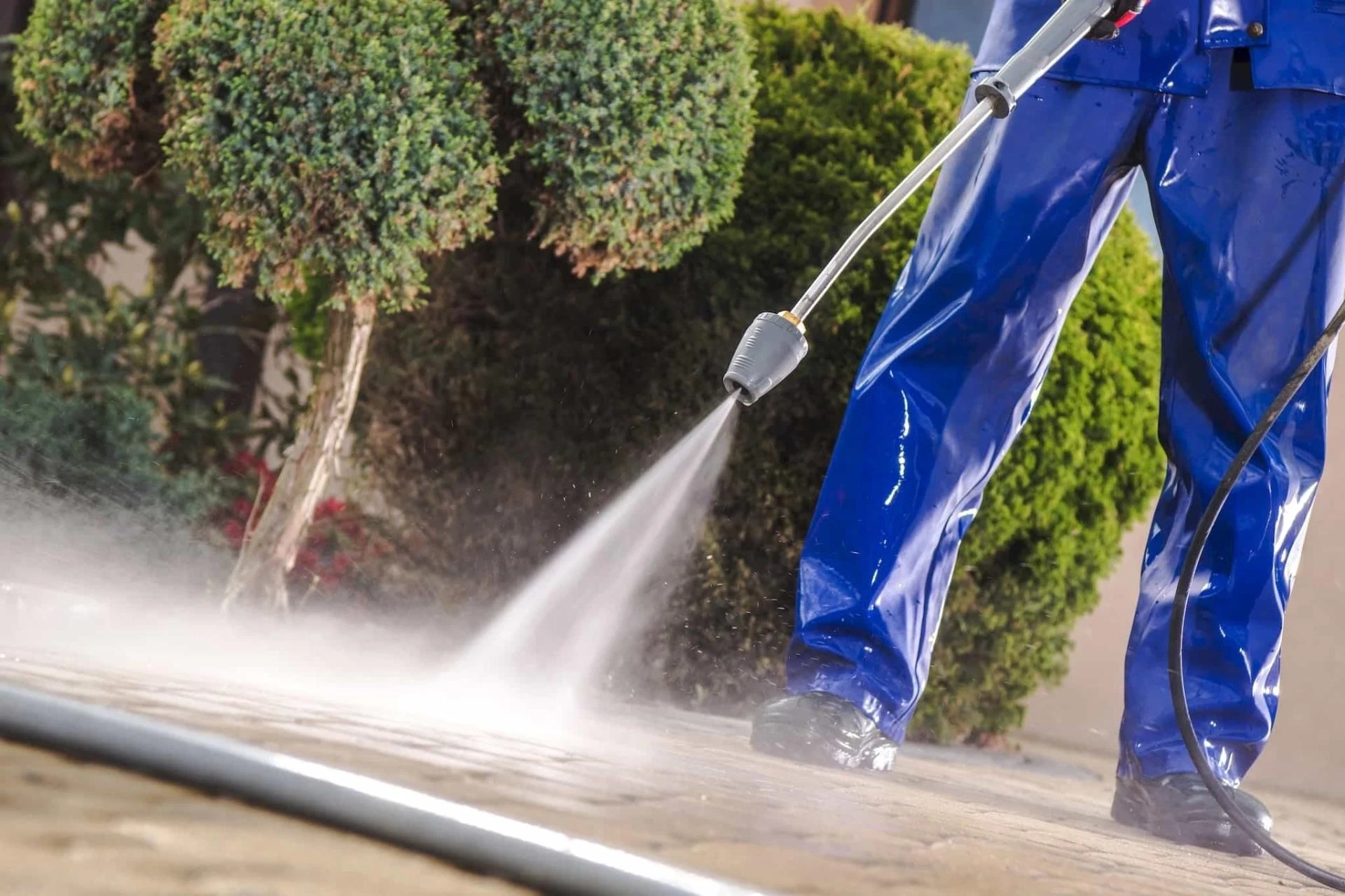

Pressure washing and soft washing are widely recognized as effective techniques for cleaning various surfaces. However, many property owners struggle to determine their distinct advantages and the best situations to use each method. These approaches serve different purposes, and understanding their specific benefits can safeguard your property while achieving remarkable cleaning outcomes. Pressure washing relies on powerful water streams, while soft washing incorporates milder sprays with cleaning agents. Both are invaluable tools, but selecting the appropriate method requires a deeper understanding of their differences.
Detailed Comparison of Pressure Washing and Soft Washing
The differences between pressure washing and soft washing extend beyond mere water pressure. A homeowner may recall successfully clearing grime from a concrete driveway with pressure washing, only to find the same method caused splintering on a wooden deck. By contrast, soft washing effectively cleans delicate surfaces without leaving behind damage, making it the superior choice in such scenarios.
Both techniques offer tailored solutions depending on the surface and the type of grime involved:
- Pressure washing is best suited for sturdy surfaces like concrete, brick, and stone.
- Soft washing excels at cleaning roofs, siding, and more fragile materials.
Choosing the correct method not only protects your property but also ensures efficient and thorough cleaning.
Exploring the Mechanisms Behind Pressure Washing
Pressure washing employs highly pressurized water to remove stubborn dirt, stains, and buildup. With water pressures reaching up to 4,000 PSI, this method is particularly effective for robust surfaces capable of withstanding the intensity. Driveways, sidewalks, and industrial floors benefit significantly from this technique, which restores their appearance quickly and efficiently.
Common applications of pressure washing include:
- Eliminating oil stains from concrete driveways and garage floors.
- Removing graffiti or old paint from durable walls.
- Clearing moss and algae from stone walkways.
The Environmental Protection Agency (EPA) underscores the importance of pressure washing in reducing surface pollutants, which could otherwise contribute to environmental contamination. However, improper technique can result in damage, emphasizing the importance of professional expertise.
Soft Washing: A Gentle Alternative for Sensitive Surfaces
Soft washing is specifically designed for materials that might be compromised by high water pressure. By using a low-pressure spray combined with specialized cleaning solutions, this method dissolves dirt and organic debris effectively. It is particularly suited for surfaces like shingle roofs, painted siding, and outdoor furnishings.
Situations where soft washing shines include:
- Eradicating mold and algae from roof shingles.
- Washing vinyl siding without risking peeling or cracks.
- Safely cleaning solar panels and glass enclosures.
Unlike pressure washing, soft washing addresses the root causes of grime by targeting bacteria, mold, and mildew. This approach not only cleans but also prevents future growth. The EPA warns that untreated mold spores can harm both health and structural integrity, making regular soft washing an essential preventative measure.
Key Contrasts Between the Two Methods
The primary difference between pressure washing and soft washing lies in the intensity and methodology. Pressure washing delivers robust water jets for heavy-duty cleaning, while soft washing combines low-pressure techniques with eco-friendly cleaning agents for more delicate tasks.
Key distinctions include:
- Pressure washing’s aggressive approach is ideal for enduring materials like concrete.
- Soft washing’s mild yet effective technique is perfect for fragile areas such as wood and shingles.
- Soft washing often utilizes biodegradable solutions, making it an environmentally conscious choice.
Professionals evaluate the type of surface and cleaning requirements to determine the optimal method. Misapplying these techniques can lead to subpar results or costly damage, reinforcing the value of expert guidance.
Deciding When to Use Each Cleaning Method
The choice between pressure washing and soft washing depends on the surface material, level of grime, and cleaning goals. High-traffic areas like driveways and parking lots often require pressure washing’s power, while soft washing is better suited for maintaining roofs and walls with gentle precision.
Examples of ideal uses:
- Pressure washing removes years of grime from a neglected concrete patio.
- Soft washing revitalizes siding covered in algae without causing damage.
- Properties with mixed surface types benefit from a combination of both techniques.
Matching the cleaning method to the material ensures effectiveness and prevents unnecessary wear or repairs.
Why Hiring Professionals Ensures Superior Results
Professional cleaning services offer advantages that go beyond what DIY efforts can achieve. Experts possess the knowledge and equipment to evaluate surfaces, select appropriate methods, and execute the cleaning process safely. They also adhere to regulations and safety standards, ensuring compliance and protecting the environment.
Professional cleaning benefits include:
- Advanced equipment for efficient and comprehensive cleaning.
- Prevention of damage from improper techniques or excessive force.
- Safe handling of cleaning agents and protective measures to minimize risks.
The Occupational Safety and Health Administration (OSHA) highlights the importance of personal protective equipment (PPE) and proper training during cleaning projects, further underscoring the expertise professionals bring to the table.
Avoiding Common Mistakes in DIY Cleaning
Do-it-yourself attempts at pressure washing or soft washing can lead to unintended consequences. Misjudging the power of water streams or misusing cleaning solutions can damage surfaces or harm landscaping. To avoid these issues, consider hiring professionals or adhering to best practices.
Common errors to avoid:
- Applying high-pressure streams to delicate materials like wood or vinyl.
- Leaving cleaning residues behind by failing to rinse thoroughly.
- Skipping safety measures, resulting in equipment damage or personal injury.
Awareness of these pitfalls helps property owners protect their investments and maintain aesthetic appeal.
Final Thoughts on Choosing the Right Method
Grasping the distinctions between pressure washing and soft washing is essential for effective property maintenance. Pressure washing delivers robust cleaning for durable surfaces, while soft washing ensures gentle yet thorough care for sensitive areas. When performed correctly, both methods play a vital role in enhancing and preserving the appearance of residential and commercial spaces.
FAQs About Pressure Washing and Soft Washing
1. Can soft washing tackle tough stains effectively?
Soft washing excels at removing organic growth like mold and algae but may require alternative methods for heavy grease or oil stains.
2. How frequently should driveways and sidewalks be pressure washed?
Annually or as needed based on the accumulation of dirt and grime, though high-traffic areas may require more frequent attention.
3. Is soft washing safe for all roof types?
Soft washing is suitable for most roofing materials, but professional consultation ensures compatibility.
4. What makes soft washing eco-friendly?
Soft washing solutions typically include biodegradable ingredients, reducing runoff and environmental impact.
5. Can a property benefit from both techniques?
Yes, combining pressure washing and soft washing addresses different surface needs, ensuring a comprehensive clean across the property.
































Sign in to leave a comment.